
Have you ever wondered how wearable technology can change the way you take care of your health? Imagine having a device that keeps track of your heart rate, monitors your sleep, or even alerts you to potential health issues—all right on your wrist or clipped to your clothes.
This isn’t science fiction; it’s happening now. You’ll discover the most popular and useful wearable devices designed to help you stay healthier, more active, and more aware of your body. Ready to find out which wearable tech could make a real difference in your life?
Keep reading.
Wearable Tech In Health Care
Wearable technology in health care is changing how patients and doctors manage health. These devices collect real-time data, helping track conditions and improve treatments. Wearables range from simple fitness trackers to advanced medical monitors. They offer a new way to support health outside traditional clinics.
Impact On Patient Care
Wearable devices help patients monitor vital signs like heart rate and blood pressure. This constant data allows early detection of health issues. Patients get reminders for medications and appointments, improving treatment adherence. Wearables also enable remote monitoring, reducing hospital visits. Doctors use collected data to adjust treatments quickly. This leads to better health outcomes and patient comfort.
Trends Driving Innovation
Miniaturization makes wearables smaller and more comfortable. Sensors are becoming more accurate and diverse. Artificial intelligence helps analyze data for personalized care. Integration with smartphones and apps enhances user experience. Battery life improvements allow longer use without charging. Focus on data security ensures patient privacy. These trends push wearable tech to become essential in health care.

Credit: medium.com
Fitness Trackers
Fitness trackers are popular wearable devices that help people monitor their health daily. They offer simple tools to track physical activities and vital signs. Many users wear them all day for real-time data on their fitness levels. These devices motivate users to stay active and improve their health habits.
Activity Monitoring
Fitness trackers count steps, distance, and calories burned. They track daily movement and encourage more activity. Some models monitor specific exercises like running, cycling, or swimming. Users see their progress through easy-to-read charts and alerts. This constant feedback helps maintain a healthy lifestyle.
Heart Rate Tracking
Most fitness trackers measure heart rate throughout the day. They detect changes in heart rate during rest and exercise. This information helps users understand their fitness and stress levels. Some devices alert users to abnormal heart rates. Continuous heart monitoring supports better health decisions.
Smartwatches With Health Features
Smartwatches with health features have become essential tools for monitoring your well-being throughout the day. They offer more than just timekeeping—they help track vital signs, detect emergencies, and encourage healthier habits. Whether you’re managing a chronic condition or just want to stay informed about your body, these devices provide real-time insights right on your wrist.
Ecg And Blood Oxygen Sensors
Many smartwatches now include ECG (electrocardiogram) capabilities that allow you to check your heart rhythm anytime. This feature can detect irregular heartbeats, such as atrial fibrillation, which you might otherwise miss during a routine checkup. Alongside ECG, blood oxygen sensors measure how well oxygen is circulating in your bloodstream, giving you a snapshot of your respiratory health.
Imagine getting an alert about your heart’s irregular activity before symptoms even show up. This early warning can prompt you to seek medical advice faster, potentially preventing serious complications. Have you ever wondered how these sensors could change your approach to managing your health daily?
Fall Detection And Alerts
Fall detection is a lifesaver for seniors or anyone at risk of sudden falls. Smartwatches use motion sensors and algorithms to detect unusual movements or impacts that suggest a fall. Once detected, the watch can automatically send alerts to emergency contacts or medical services if you don’t respond.
This feature can provide peace of mind for both you and your loved ones, especially if you live alone. It’s like having a safety net on your wrist, ready to act when you can’t. Would you feel safer wearing a device that could summon help instantly after an accident?
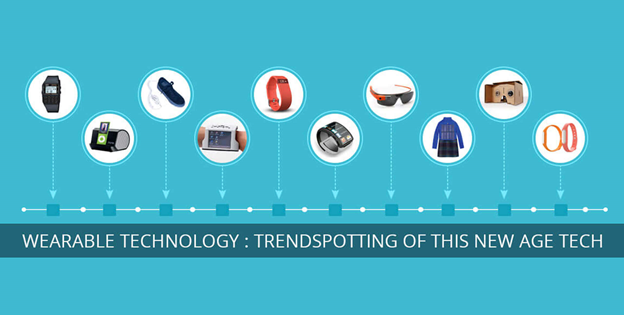
Credit: medium.com
Medical-grade Wearables
Medical-grade wearables have changed how you manage your health by providing accurate, real-time data. These devices are designed with strict standards to ensure reliability, making them trusted tools for both patients and healthcare providers. Using medical-grade wearables, you can monitor critical health metrics without frequent visits to the doctor’s office.
Continuous Glucose Monitors
Continuous Glucose Monitors (CGMs) track your blood sugar levels throughout the day and night. Unlike traditional finger-prick tests, CGMs provide constant updates, helping you spot trends and react faster to highs and lows.
One surprising benefit I noticed using a CGM was how it helped me understand the real impact of different foods on my blood sugar. It’s not just about numbers; it’s about changing behaviors based on data you trust.
- CGMs use a tiny sensor placed under your skin to measure glucose in the interstitial fluid.
- They send data wirelessly to a smartphone or receiver.
- Alerts notify you if your glucose levels become dangerously high or low.
Have you ever wondered how your daily habits affect your glucose levels in real-time? CGMs can give you those answers.
Wearable Blood Pressure Monitors
Wearable blood pressure monitors offer a convenient way to keep track of your blood pressure throughout the day. This continuous monitoring can reveal patterns that single readings at the doctor’s office might miss.
Using a wearable blood pressure monitor helped me catch spikes related to stress and caffeine that I never noticed before. It made me rethink when and how I manage those triggers.
- These devices typically use inflatable cuffs or optical sensors.
- They provide readings on your wrist or arm, often syncing with apps for easy tracking.
- Some models can share data directly with your healthcare provider.
Wouldn’t it be empowering to spot changes in your blood pressure before they become a problem? Wearable monitors can help you take control.
Wearables For Chronic Disease Management
Managing chronic diseases can feel overwhelming, but wearable technology is making it easier to stay on top of your health. These devices track vital signs and symptoms, giving you real-time data to help control your condition. Imagine having a personal health assistant on your wrist or chest that alerts you before an issue becomes serious.
Asthma And Respiratory Devices
Wearables designed for asthma and respiratory conditions monitor your breathing patterns and air quality around you. Devices like smart inhalers record medication use and remind you when it’s time for a dose, helping prevent attacks.
Some wearables detect early signs of breathing difficulty by measuring oxygen levels and respiratory rate. This data can alert you to changes before symptoms worsen, allowing quick action. Have you noticed how small changes in your breathing can signal an upcoming flare-up?
- Smart inhalers that sync with apps for tracking medication
- Wearable pulse oximeters measuring blood oxygen saturation
- Air quality monitors detecting pollutants and allergens
Cardiac Monitoring Solutions
For heart conditions, wearables keep a constant eye on your heart rate, rhythm, and other critical signals. Devices such as ECG monitors and smartwatches notify you of irregular heartbeats or spikes in heart rate instantly.
These tools help catch problems early, reducing emergency visits and hospital stays. They also provide your doctor with detailed reports, improving the quality of care you receive. How often do you think about your heart’s rhythm during the day?
- ECG patches and smartwatches with heart rhythm tracking
- Continuous heart rate monitors with alert systems
- Wearables that detect atrial fibrillation and other arrhythmias
Emerging Wearable Innovations
Emerging wearable innovations are changing health care fast. New devices help track health in real time. They offer more comfort and accuracy than older gadgets.
These advances focus on combining technology with daily life. Wearables now go beyond watches and bands. They include smart fabrics and even tiny devices inside the body.
Smart Clothing And Textiles
Smart clothing uses sensors woven into fabric. These sensors monitor heart rate, breathing, and movement. They provide continuous health data without extra devices.
- Shirts that track muscle activity during exercise
- Socks that detect foot pressure to prevent injuries
- Gloves monitoring hand tremors for Parkinson’s patients
Smart textiles offer comfort and easy wear. They help doctors get real-time patient data remotely. This improves care for chronic conditions and recovery.
Implantable Devices
Implantable devices go inside the body to monitor health closely. Tiny sensors can track blood sugar, heart rhythms, and other vital signs. Some implants can send alerts if problems arise.
- Pacemakers adjusting heartbeats automatically
- Glucose monitors reducing finger pricks for diabetes
- Neural implants helping with epilepsy and movement disorders
These devices provide accurate, constant monitoring. They reduce hospital visits and help manage diseases better. Implantables are a key part of future health care wearables.
Data Privacy And Security
Data privacy and security are critical concerns when using wearable technology in health care. These devices collect sensitive personal health information that, if mishandled, can lead to serious consequences. Understanding the risks and protections involved helps you stay safer while benefiting from wearable health tools.
Challenges In Wearable Data
Wearable devices gather continuous streams of data, including heart rate, sleep patterns, and activity levels. This constant flow creates a massive amount of personal information that needs strong protection. Many devices communicate data wirelessly, making them vulnerable to hacking or interception.
You might not realize how often your health data travels through different servers and apps. Each step increases the risk of unauthorized access or data leaks. Also, some devices lack robust encryption, leaving your information exposed.
Have you checked how your wearable device handles your data? Often, privacy policies are long and complex, so many users don’t fully understand what they agree to. This lack of transparency can put your health information at risk without your knowledge.
Regulatory Considerations
Health care wearables must comply with data protection laws like HIPAA in the US or GDPR in Europe. These regulations set standards for how personal health data should be stored, shared, and protected. However, not all wearable devices fall neatly under these rules, especially consumer-grade products.
This gray area means your data might not always be covered by strict health care privacy laws. Manufacturers and app developers may have different obligations depending on their region and device type. It’s important to understand which rules apply to your wearable and how they protect your rights.
When choosing a wearable, look for devices and apps that clearly state their compliance with relevant regulations. Ask yourself if the company offers transparent data management practices and easy options to control your data sharing preferences. Staying informed empowers you to take control of your health information.
Future Of Wearables In Health Care
The future of wearable technology in health care is not just about tracking steps or heart rate anymore. These devices are becoming smarter, more connected, and deeply integrated into medical care. What you wear on your wrist or as a patch could soon provide critical insights that help prevent illnesses before they start.
Integration With Ai And Big Data
Wearables collect massive amounts of health data every second. When combined with AI and big data, this information can reveal patterns that humans might miss.
Imagine your wearable detecting subtle changes in your sleep or heart rhythm and alerting your doctor automatically. This could lead to quicker diagnosis and personalized treatment plans.
AI can also predict potential health risks by analyzing trends over time, giving you a chance to take action early. How often do you think your own data could help spot health issues before symptoms appear?
Personalized Medicine Opportunities
Wearable devices open the door to truly personalized medicine. Instead of one-size-fits-all treatments, your care can be tailored based on your unique data.
For example, a diabetic patient’s wearable might monitor glucose levels continuously and adjust insulin delivery in real time. This level of customization improves outcomes and quality of life.
Wearables also help doctors understand how you respond to different medications or therapies, making adjustments faster and more accurate. Wouldn’t you want your treatment to be as unique as you are?
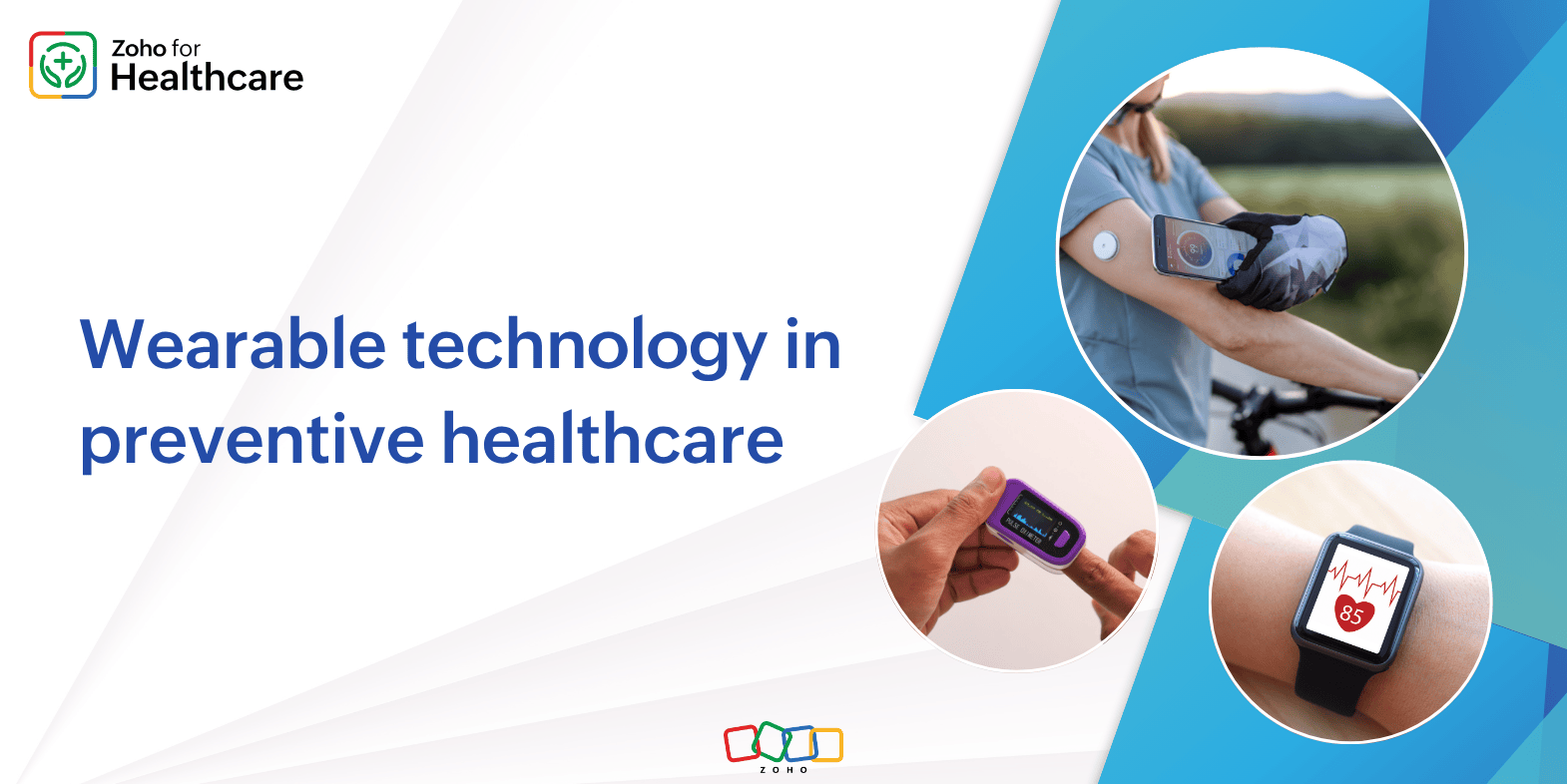
Credit: www.zoho.com
Frequently Asked Questions
What Types Of Wearable Technology Help In Health Care?
Wearable tech includes fitness trackers, smartwatches, ECG monitors, glucose sensors, and sleep trackers. These devices track vital signs and health metrics in real time. They assist in early detection, chronic disease management, and promote healthier lifestyles effectively.
How Do Wearables Improve Patient Monitoring?
Wearables provide continuous, real-time health data to doctors and patients. They enable remote monitoring, reducing hospital visits and allowing timely interventions. This improves chronic condition management and enhances patient safety and outcomes.
Can Wearable Devices Detect Serious Health Issues?
Yes, many wearables can detect irregular heartbeats, blood pressure changes, and glucose levels. Early alerts from these devices help in timely diagnosis and treatment, potentially saving lives by preventing severe health complications.
Are Wearable Health Devices Suitable For All Ages?
Most wearable devices are designed for adults but can be adapted for older adults and children. They offer user-friendly interfaces and adjustable settings to accommodate different age groups and health needs.
Conclusion
Wearable technology in health care is growing fast. These devices help track health. They make it easier to monitor heart rate, steps, and sleep. Many people use them daily for better health. Doctors can also get real-time data from these gadgets.
This helps in quick diagnosis and treatment. Users find them comfortable and easy to use. As technology advances, these tools become more effective. They play a key role in modern health care. Always ensure the device you choose fits your needs.
Embracing wearable tech can enhance daily health management.
Leave a Reply