Imagine having a device that helps you track your health, stay connected, and improve your daily life—all without slowing you down. That’s exactly what wearable technology does for you.
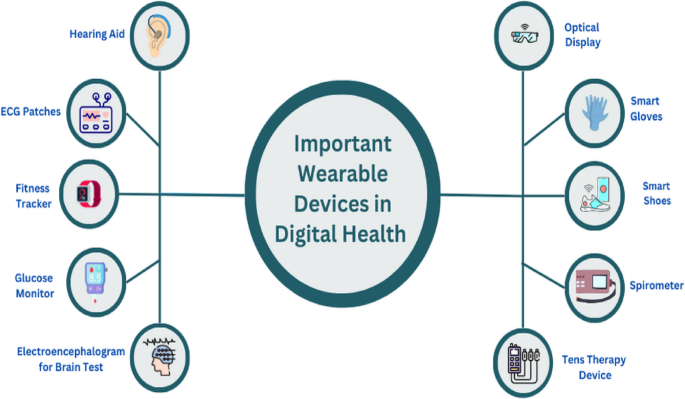
Whether it’s a smartwatch, fitness tracker, or smart glasses, these gadgets fit right into your routine and give you valuable insights about your body and habits. Want to know how wearable technology can make your life easier, healthier, and more fun?
Keep reading, because what you discover might change the way you see these small but powerful devices forever.
Credit: journalofcloudcomputing.springeropen.com
Impact On Health Monitoring
Wearable technology has changed health monitoring deeply. It allows users to watch their body functions easily. This tech offers quick health data without visiting doctors all the time. Many people now keep track of their health daily. This helps catch problems early and stay healthier.
Real-time Vital Tracking
Wearables track vital signs like heart rate, blood pressure, and oxygen levels. They send this data instantly to your phone or device. This way, users see their health status anytime. It helps spot unusual changes fast. Alerts notify users if something needs attention.
Chronic Disease Management
Wearable devices assist people with chronic illnesses like diabetes or asthma. They monitor symptoms and medication effects closely. Data collected helps doctors adjust treatments better. This reduces hospital visits and improves life quality.
Sleep Quality Insights
Tracking sleep is easier with wearable tech. Devices measure sleep stages and movements during the night. Users learn about their sleep patterns and problems. This information helps improve rest and overall health. Better sleep means more energy and focus daily.
Credit: journalofcloudcomputing.springeropen.com
Enhancing Fitness Performance
Wearable technology has transformed how you approach fitness by offering tools that enhance your performance in real time. These devices provide valuable data that helps you understand your body better and improve your workouts efficiently. Let’s look at how wearable tech can boost your fitness journey.
Activity And Exercise Tracking
Wearables track your daily movements, from steps taken to calories burned, giving you a clear picture of your activity levels. This data helps you identify patterns and make adjustments that keep you moving toward your goals.
Imagine noticing a drop in your daily activity on a few days; this insight encourages you to stay consistent. Plus, some devices track specific exercises like running or cycling, providing detailed feedback on speed, distance, and heart rate.
Personalized Workout Plans
Your wearable collects data that can be used to create workout plans tailored to your fitness level and goals. This customization ensures you don’t waste time on ineffective routines and helps prevent injury by recommending appropriate intensity.
Some apps connected to wearables even adjust your plan based on progress and feedback. This dynamic approach keeps your workouts challenging but achievable, making your fitness journey smarter and more effective.
Motivation And Goal Setting
Setting clear goals and tracking progress is easier with wearable technology. You can set daily step targets, calorie goals, or specific workout milestones and get reminders to keep you on track.
Wearables often use notifications and rewards to encourage you when you hit milestones. Have you ever felt more motivated to complete a workout just because your device celebrated your progress? That little boost can make a big difference over time.
Integration With Healthcare Systems
Wearable technology has become a vital link between patients and healthcare providers. Its integration with healthcare systems improves the way medical data is collected, shared, and acted upon. This connection not only streamlines healthcare delivery but also empowers you to take control of your health like never before.
Remote Patient Monitoring
Wearable devices allow continuous monitoring of your vital signs such as heart rate, blood pressure, and oxygen levels from the comfort of your home. This constant flow of data helps doctors track your condition without frequent hospital visits. Imagine avoiding unnecessary trips while still getting expert advice based on real-time information.
Data Sharing With Professionals
Your wearable device can securely share health data directly with your healthcare team. This instant access to accurate and up-to-date information enables faster diagnosis and personalized treatment plans. Have you ever wondered how much smoother your doctor’s appointments would be with all your health details at their fingertips?
Emergency Alerts And Responses
Wearables can detect sudden health issues like irregular heartbeats or falls and automatically send alerts to emergency contacts or medical services. This quick response can be life-saving, especially if you live alone or have a chronic condition. Knowing help is just a notification away gives peace of mind to you and your loved ones.
Technological Innovations
Technological innovations have played a key role in making wearable technology more useful and popular. These advances help devices collect better data, analyze it smartly, and stay comfortable to wear for long periods. Each improvement brings wearables closer to becoming essential daily tools for health, fitness, and communication.
Advances In Sensor Technology
Sensors in wearables have become smaller, more accurate, and energy-efficient. They can now track heart rate, steps, sleep patterns, and even blood oxygen levels. New sensors detect skin temperature and stress indicators. These improvements allow wearables to offer more detailed and reliable health information.
Ai And Machine Learning Applications
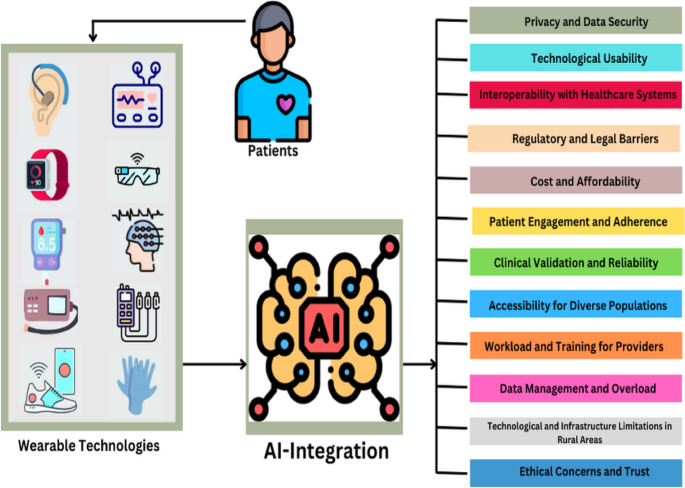
Artificial intelligence helps wearables understand user data better. Machine learning algorithms learn from your habits and provide personalized insights. This technology can predict health risks and suggest lifestyle changes. It also improves voice recognition and activity tracking, making wearables smarter and more helpful.
Battery Life And Wearability Improvements
Longer battery life lets users wear devices without frequent charging. Manufacturers use better batteries and power-saving features. Designs focus on comfort with lighter materials and flexible shapes. These changes make wearables easy to wear all day and night, increasing their usefulness in everyday life.
Challenges And Considerations
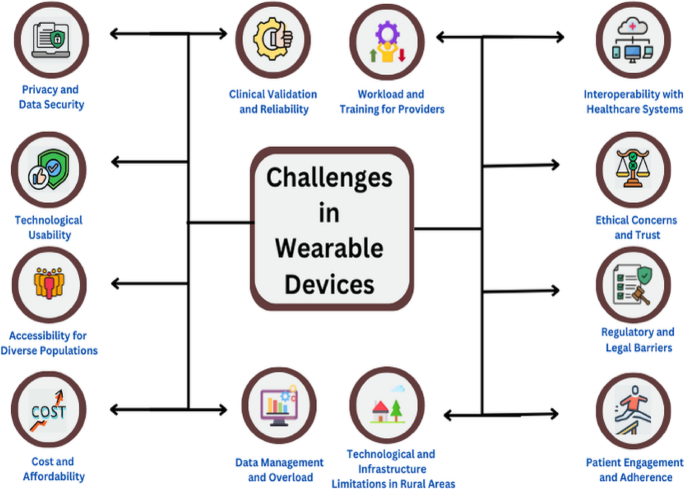
Wearable technology offers many benefits but faces several challenges. These challenges affect how users trust and use the devices. Understanding these issues helps improve the technology and its acceptance. Key challenges include data privacy, accuracy, and user engagement.
Data Privacy And Security
Wearable devices collect sensitive personal data. Protecting this data is essential to keep users safe. Weak security can lead to data theft or misuse. Users worry about who accesses their health and location data. Companies must use strong encryption and clear privacy policies. Transparency builds trust and encourages more people to use wearables.
Accuracy And Reliability Issues
Wearables must provide accurate and reliable data. Inaccurate readings can mislead users about their health. Sensors may face interference from movement or environment. Battery life and device durability also affect performance. Continuous improvement is needed to ensure consistent results. Reliable data helps users make better health decisions.
User Engagement And Adoption
Many users stop using wearables after a short time. Devices must be easy to use and comfortable to wear. Clear benefits motivate users to keep wearing them. Notifications and feedback should be simple and helpful. Personalization increases user interest and satisfaction. Without good engagement, the potential of wearables remains limited.

Credit: nerdbot.com
Frequently Asked Questions
What Are The Main Benefits Of Wearable Technology?
Wearable technology offers real-time health monitoring, fitness tracking, and improved convenience. It helps users stay active, manage health conditions, and receive instant notifications, enhancing daily life and productivity.
How Does Wearable Technology Improve Health Monitoring?
Wearables track vital signs like heart rate, sleep patterns, and activity levels. This data helps users detect health issues early and maintain better lifestyle habits for overall wellness.
Can Wearable Technology Boost Fitness Motivation?
Yes, wearables provide goal tracking, reminders, and progress reports. These features encourage consistent exercise and help users stay motivated to achieve fitness goals effectively.
Is Wearable Technology Useful For Managing Chronic Diseases?
Wearables assist in monitoring symptoms, medication schedules, and vital stats. This support enables timely interventions and better disease management for patients with chronic conditions.
Conclusion
Wearable technology offers numerous benefits in daily life. It tracks health metrics, improving personal awareness. Devices enhance fitness routines, motivating users to stay active. They also provide valuable health insights for better decisions. Connectivity features keep you informed and organized.
Wearables improve safety with emergency alerts and location tracking. They blend seamlessly into daily routines. Effortlessly enhancing productivity and well-being. As technology advances, wearables will become even more integral. Adopting these devices can lead to a healthier lifestyle. Embrace the convenience and benefits they offer.
Wearable technology truly supports a balanced, modern life.
Leave a Reply