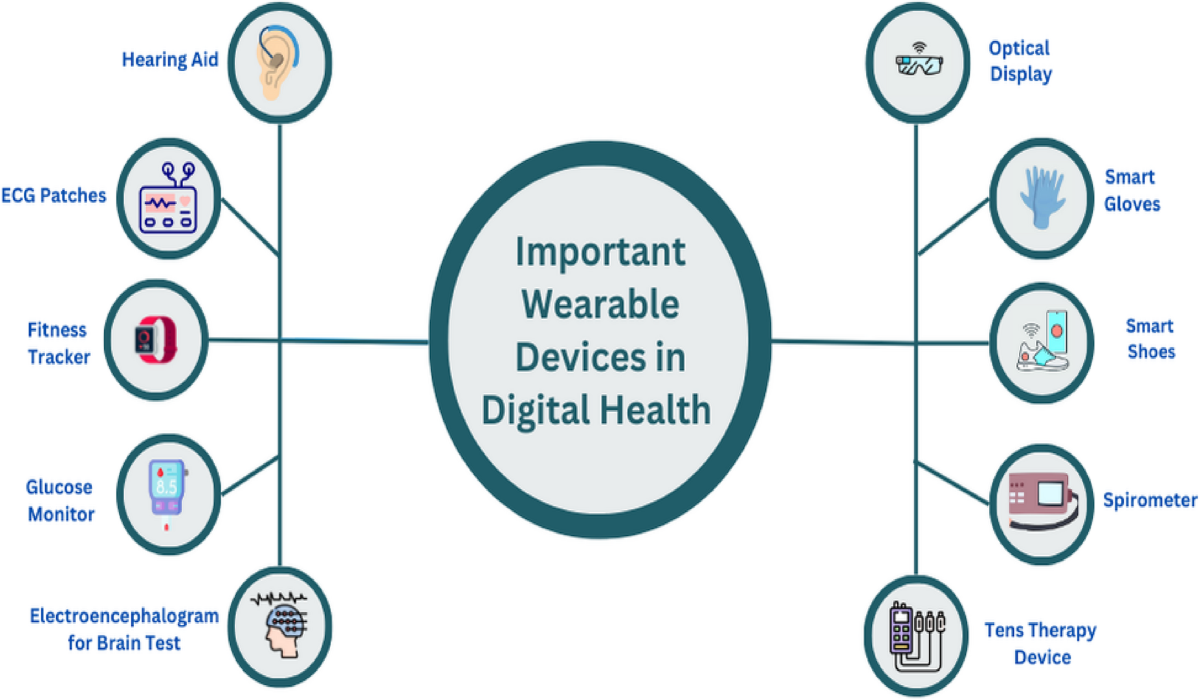
Have you ever wondered if wearing a health device could actually lower your insurance costs? Imagine your watch or fitness tracker not just counting steps, but helping you save money.
The idea of making wearable health technology a requirement for insurance might sound surprising, but it could change the way you manage your health and finances. You’ll discover how these devices impact your insurance and whether they should become a must-have.
Keep reading to find out what this means for you and your future.

Credit: advanced.onlinelibrary.wiley.com
Benefits Of Wearable Health Tech
Wearable health technology offers many benefits that improve how people manage their health. These devices track vital signs and activity levels in real time. They help users understand their health better and take control of their well-being. Insurance companies also see value in these tools for promoting healthier lifestyles.
Improved Health Monitoring
Wearable devices continuously monitor heart rate, sleep, and physical activity. This constant tracking helps catch health changes early. Users get real-time data that encourages healthier habits. Insurance providers can use this data to offer personalized plans.
Early Disease Detection
Wearables detect unusual patterns that may signal illness. Alerts for irregular heartbeats or changes in activity can prompt quick medical checks. Early detection improves treatment success and reduces healthcare costs. This proactive approach benefits both users and insurers.
Personalized Health Insights
Data from wearables helps create tailored health advice. Users receive tips based on their unique activity and health trends. Personalized feedback motivates better lifestyle choices. Insurance companies can reward healthier behaviors with lower premiums.
Insurance Industry Changes
The insurance industry is evolving rapidly as wearable health technology becomes more common. This shift is changing how insurers evaluate risk, set premiums, and handle claims. These changes could impact your insurance experience in ways you might not expect.
Risk Assessment Enhancements
Wearable devices provide real-time data on your health habits, such as heart rate, activity levels, and sleep patterns. Insurers can use this information to get a clearer picture of your actual risk rather than relying on outdated questionnaires.
Imagine an insurer noticing consistent irregular heartbeats from your wearable data. They can intervene early, potentially preventing costly health issues. Would you be comfortable sharing this much personal data if it means better coverage and support?
Premium Adjustments
Your premiums could become more personalized based on your daily health data. If you maintain healthy habits tracked by your device, you might qualify for lower rates. Conversely, risky behaviors could lead to higher premiums or targeted wellness programs.
This approach rewards you for staying active and making smart choices. But it also raises questions about fairness—should everyone be judged by the same health standards? How will insurers ensure this data isn’t used to unfairly penalize certain groups?
Claims Process Efficiency
Wearable technology can speed up claims by providing accurate health data when you need to prove an injury or illness. This reduces paperwork and the time it takes to get paid. You might no longer need to wait weeks for approval if your health status is verified instantly.
Think about how much stress this could save during a medical emergency. However, would you trust an automated system to handle sensitive claims decisions? How can insurers maintain transparency and fairness using this technology?
Privacy And Security Concerns
Wearable health technology collects a vast amount of personal data. This raises serious privacy and security concerns. Users worry about who controls their data and how it might be used. The risk of data breaches also looms large. Understanding these issues is crucial before making wearables mandatory for insurance.
Data Ownership Issues
Who owns the data collected by wearable devices? Is it the user, the insurance company, or the device maker? This question lacks clear answers. Users may lose control over their sensitive health information. Without clear ownership, users cannot decide how their data is shared or deleted.
Potential For Data Misuse
Health data can reveal intimate details about a person’s life. Insurers might use this data to deny coverage or increase premiums. Employers or third parties could also gain access without consent. Misuse of data can lead to discrimination and loss of privacy.
Regulatory Challenges
Current laws struggle to keep up with wearable technology advances. Regulations vary widely across countries and regions. Enforcement of privacy rules is often weak or inconsistent. Creating strong, clear policies is essential to protect users’ rights and data security.
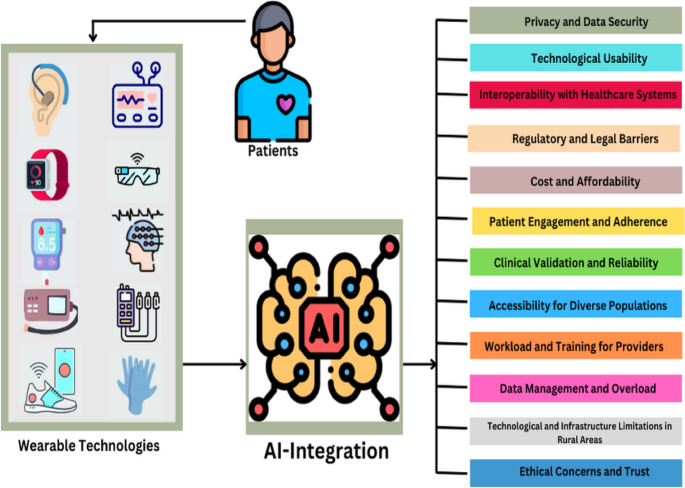
Credit: journalofcloudcomputing.springeropen.com
Ethical And Social Implications
Requiring wearable health technology for insurance raises important ethical and social questions. How do we balance benefits like better health monitoring with risks like privacy invasion and inequality? These issues affect not just individuals but entire communities, and they deserve careful thought.
Discrimination Risks
Wearable health data can unintentionally become a tool for discrimination. Insurers might use this information to raise premiums or deny coverage based on factors beyond your control, such as genetic predispositions or lifestyle choices.
Imagine someone being charged more simply because their wearable shows irregular heart patterns, even if they feel fine otherwise. This could create unfair barriers, especially for those managing chronic conditions.
Impact On Vulnerable Groups
Not everyone has equal access to wearable technology. Low-income individuals and older adults might struggle to afford or use these devices effectively. This gap can widen health disparities instead of closing them.
Think about a senior who finds the technology confusing or a family that can’t buy wearables for all members. Forcing wearables could leave these groups behind, raising serious ethical concerns.
Voluntary Vs Mandatory Use
Should you have a choice in wearing health tech for insurance? Making it mandatory could improve data accuracy but might infringe on personal freedom and privacy. Voluntary use respects choice but may limit insurance companies’ ability to assess risk fairly.
Ask yourself: Would you feel comfortable sharing your most personal health data just to get better insurance rates? Balancing consent with benefits is crucial in deciding the right approach.
Technology Limitations
Wearable health technology promises a lot, but it’s important to pause and consider its limitations before making it mandatory for insurance. These devices aren’t flawless, and their shortcomings can impact both users and insurers. Understanding these technology limitations helps you think critically about whether they should be a requirement or just an option.
Accuracy And Reliability
Many wearable devices track heart rate, sleep, and activity levels, but their measurements are not always precise. Sometimes they miss irregular heartbeats or overestimate steps, leading to incorrect data. If your insurance depends on these numbers, would you trust decisions based on potentially flawed information?
Reliability also varies by brand and model. Cheaper devices might cut corners, resulting in inconsistent readings. This raises concerns about fairness—should insurance companies penalize you for data errors beyond your control?
Accessibility Barriers
Not everyone has equal access to wearable health technology. The cost of devices can be a significant hurdle for low-income individuals or families. Expecting everyone to use them might deepen health inequities instead of reducing them.
Additionally, some people face challenges using these devices due to age, disabilities, or lack of tech skills. If a wearable is mandatory, how will insurers support those who struggle with setup or daily use? You might find yourself excluded or unfairly judged if you can’t use the tech effectively.
Device Compatibility
Wearables come from various manufacturers, each with different software and data formats. Insurance companies would need systems that can handle this diversity smoothly. Otherwise, you could encounter frustrating issues like lost data or incompatible reports.
Also, updates or changes in device technology might disrupt long-term tracking. Imagine investing in a gadget only to find it no longer works with your insurer’s platform. How much flexibility should you expect when technology keeps evolving?
Global Perspectives
Wearable health technology is growing worldwide. Countries adopt these devices at different rates. The idea of making them required for insurance varies too. People’s acceptance depends on culture and trust. Exploring global views helps understand the bigger picture.
Adoption Trends Worldwide
North America leads in wearable health device use. Many Americans track fitness and health daily. Europe shows steady growth in wearable adoption. Asia has mixed rates, with some countries advancing fast. In developing nations, adoption is slower due to cost and access.
- High-income countries have more users
- Wearables focus on fitness, heart rate, and sleep
- Insurance companies offer discounts for device users
Regulatory Variations
Regulations differ widely across countries. Some governments set strict rules on data privacy. Others promote digital health innovation actively. Laws on sharing wearable data with insurers vary. These rules affect how insurers use wearable technology.
- Europe enforces GDPR to protect personal data
- US has HIPAA rules but with gaps on wearables
- Asia’s regulations range from strict to lenient
Cultural Acceptance
Culture shapes how people view wearable devices. Trust in technology and insurers affects acceptance. In some countries, privacy concerns limit willingness. Others see wearables as helpful health tools. Social norms and habits also influence usage.
- Privacy worries reduce adoption in some regions
- Health-conscious societies embrace wearables more
- Community influence can encourage or discourage use
Future Outlook
The future of wearable health technology in insurance holds many possibilities. Devices are evolving fast, offering better data and insights. This progress could change how insurance companies assess risk and offer coverage. The path ahead is full of innovation, policy changes, and shifts in healthcare practices.
Emerging Innovations
Wearable devices will become more accurate and diverse. New sensors will track more health factors like hydration and stress. Artificial intelligence will help interpret data for personalized health advice. Integration with smart home devices may create a full health ecosystem. Users could receive alerts before health issues become serious.
Potential Policy Shifts
Insurance companies may start requiring wearables to get better health data. Premiums might be adjusted based on real-time health monitoring. Policies could reward healthy behaviors with discounts or benefits. Privacy rules will likely evolve to protect user data. Regulations may balance data use and consumer rights more carefully.
Long-term Impact On Healthcare
Wearables could reduce hospital visits by catching problems early. Chronic diseases might be better managed with continuous monitoring. Health data could help doctors make faster, more accurate decisions. Preventive care may become the norm, lowering overall healthcare costs. Patients might take more control over their health journeys.
Credit: exaud.com
Frequently Asked Questions
What Are The Benefits Of Wearable Health Technology For Insurance?
Wearable health devices track vital signs and activity levels. They help insurers assess risk more accurately. This can lead to personalized premiums and encourage healthier lifestyles among policyholders.
How Can Wearables Impact Insurance Premium Costs?
Wearables provide real-time health data, promoting preventive care. Insurers may offer lower premiums to users who maintain healthy habits. This reduces claims and rewards customers for proactive health management.
Are There Privacy Concerns With Wearable Health Data?
Yes, users worry about data security and misuse. Insurers must ensure strict privacy policies and data protection. Transparent data handling builds trust and encourages wearable adoption.
Will Wearable Technology Be Mandatory For All Insurance Policies?
Currently, wearable use is optional. Making it mandatory raises ethical and legal questions. Insurers balance benefits with user consent and privacy rights before enforcing requirements.
Conclusion
Wearable health technology offers many benefits and challenges. It could improve health monitoring and insurance accuracy. But privacy and data security remain concerns. Cost is another factor to consider. Not everyone can afford these devices. Making them a requirement may not be fair.
Individuals should have a choice. Insurers and policymakers must weigh these factors carefully. Balance is key. Technology can support health, but personal freedom matters too. Finding the right approach will take time and discussion. The future of insurance and technology is still unfolding.
Stay informed and involved in the conversation.
Leave a Reply