Imagine unlocking a treasure trove of personal insights just by wearing a device on your wrist. That’s precisely what wearable technology offers.
These gadgets have become part of your daily life, tracking more than just steps. They collect a wealth of data that can transform how you understand your health and habits. But what exactly do these devices gather, and how can this information benefit you?
You’ll uncover the secrets behind the data wearable tech collects and discover how it can empower you to make informed choices. Stay with us to unlock the full potential of your wearable technology.
Credit: www.fortunebusinessinsights.com
Types Of Wearable Devices
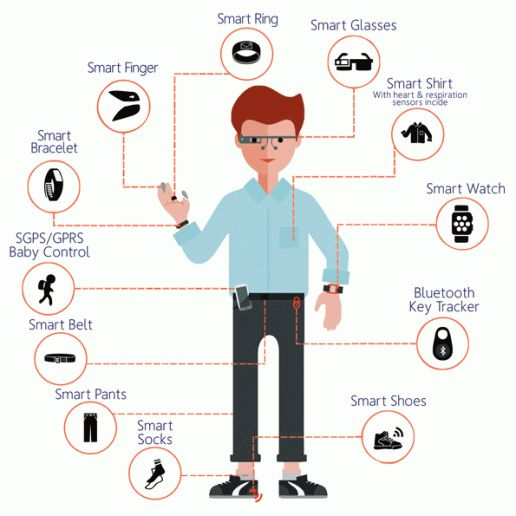
Wearable devices come in many forms. Each type collects specific data. They help track fitness, health, and daily activities. Understanding the types of wearables clarifies the kind of data they gather.
Fitness Trackers
Fitness trackers focus on physical activities. They record steps, distance, and calories burned. Many also monitor heart rate and sleep quality. These devices encourage users to stay active and healthy.
Smartwatches
Smartwatches offer more than fitness tracking. They collect notifications, GPS location, and app usage. Smartwatches can measure heart rate and even detect stress levels. These devices combine health data with everyday convenience.
Health Monitors
Health monitors track vital body functions. They measure blood pressure, glucose levels, and oxygen saturation. Some devices monitor ECG and detect irregular heartbeats. These wearables support medical care and personal health management.
Wearable Cameras
Wearable cameras capture photos and videos hands-free. They collect visual data from the user’s environment. Some cameras track movement and location during recording. These devices serve both personal and professional needs.
Credit: www.marketsandmarkets.com
Common Data Collected
Wearable technology collects a variety of data to help users monitor their health and daily habits. This data helps users understand their body and activity levels better. Devices gather information continuously and provide insights through apps.
Activity And Movement
Wearables track steps, distance, and calories burned. They measure how active a person is throughout the day. Some devices monitor specific exercises like running or cycling. Movement data helps set goals and improve fitness routines.
Heart Rate And Vital Signs
Most wearables monitor heart rate in real-time. They record resting, active, and maximum heart rates. Some devices also track blood oxygen levels and stress indicators. This data helps detect changes in health and fitness.
Sleep Patterns
Wearables track sleep duration and quality. They measure light, deep, and REM sleep stages. Some devices detect waking times during the night. Sleep data helps users improve rest and daily energy.
Location Tracking
Many devices use GPS to track location during activities. They map routes for running, walking, or biking. Location data helps analyze pace and distance. It also adds safety by sharing real-time location if needed.
Advanced Data Metrics
Wearable technology collects more than just basic activity data. Advanced data metrics provide deeper insights into your health. These metrics track complex body functions to help understand your physical and mental state better. Sensors in devices gather detailed information continuously and in real time.
Stress And Emotional Levels
Wearables measure stress by analyzing heart rate variability. Changes in your heart rhythm can show stress or calm states. Some devices also track skin conductance, which reflects emotional changes. This data helps users manage anxiety and improve relaxation techniques.
Blood Oxygen And Respiratory Rates
Blood oxygen levels indicate how well oxygen moves in your blood. Wearables use light sensors to estimate this easily. Respiratory rate tracks how many breaths you take per minute. Monitoring these numbers helps detect early signs of respiratory issues or fatigue.
Electrocardiogram (ecg) Data
ECG sensors capture the electrical activity of your heart. This data helps detect irregular heartbeats or arrhythmias. Some wearables allow users to record an ECG anytime. It supports early diagnosis of heart conditions and keeps track of heart health.
Temperature Monitoring
Body temperature sensors track changes throughout the day. Temperature shifts can signal illness or body stress. Wearables record this data continuously, offering trends over time. This helps users notice fever or abnormal temperature patterns early.
Data Collection Methods
Wearable technology gathers data through various approaches that work together to give you accurate insights about your health and activities. Understanding how these devices collect information helps you make the most of their features and trust the data they provide. Let’s break down the key methods wearable devices use to track your body and habits.
Sensors And Algorithms
Sensors are the core tools that capture raw data from your body and surroundings. Common sensors include accelerometers, gyroscopes, heart rate monitors, and GPS units.
Algorithms then analyze this raw data to identify patterns, such as steps taken, sleep cycles, or exercise intensity. These calculations happen inside the device or on a connected app, turning numbers into meaningful insights.
Have you noticed how your smartwatch can distinguish between walking, running, or cycling without you telling it? That’s the power of smart algorithms interpreting sensor inputs.
Continuous Vs. Intermittent Tracking
Some wearables collect data non-stop, offering a full picture of your daily rhythms. Continuous tracking can monitor heart rate or stress levels throughout the day, giving you detailed trends.
Others use intermittent tracking, measuring at set intervals or during specific activities to save battery life and reduce data overload. For example, a device might check your heart rate every few minutes instead of constantly.
Think about your own habits: would you prefer having all-day data or just snapshots during workouts? Your choice can impact device performance and the type of insights you get.
User Input And Manual Data
While sensors do a lot, some information still depends on you. Many wearables ask users to input data manually, like logging meals, mood, or specific workouts.
This manual input helps create a fuller picture that sensors alone can’t capture. If you track your water intake or note how you feel after sleep, the device can link these details to your sensor data.
How often do you update your wearable’s app with your personal notes? Adding this data can boost the accuracy and usefulness of your health reports.
Privacy And Security Concerns
Wearable technology collects a vast amount of personal data, raising important privacy and security concerns. Users must understand how their information is stored, shared, and protected. Awareness about these issues helps people make safer choices with their devices.
Data Storage And Sharing
Wearables save data on internal memory or cloud servers. Companies often share this data with partners or advertisers. Some devices store health and location details, which are sensitive. Users should know where their data goes and who can access it.
User Consent And Control
Many wearables require user permission before collecting data. Consent forms can be long and hard to read. Users might not realize what they agree to. Devices should offer easy settings to control data collection and sharing preferences.
Risks Of Data Breaches
Data breaches can expose personal information to hackers. Wearables are vulnerable if security is weak. Stolen data can lead to identity theft or fraud. Strong encryption and regular updates help reduce these risks.

Credit: www.researchgate.net
Applications Of Wearable Data
Wearable technology collects a wide range of data that powers many useful applications. This data helps individuals, doctors, trainers, and researchers make better choices and improve health outcomes. Different fields use wearable data to track progress, detect issues, and create new solutions.
Personal Health Management
Wearable devices track heart rate, sleep patterns, and daily activity. Users get insights into their overall health. They can monitor stress levels and hydration too. This helps people manage chronic conditions and stay aware of their body’s signals. Alerts from wearables can remind users to take medicine or move after long sitting.
Fitness And Training Optimization
Athletes and fitness enthusiasts use wearable data to improve workouts. Metrics like steps, calories burned, and distance help set goals. Wearables also measure intensity and recovery time. Trainers analyze this data to create personalized training plans. This leads to better performance and fewer injuries.
Medical Diagnosis And Monitoring
Doctors use wearable data to monitor patients remotely. Continuous tracking of vital signs helps detect early health issues. Wearables can alert medical staff to abnormal heart rhythms or blood oxygen levels. This supports timely treatment and reduces hospital visits. Patients with chronic diseases benefit from constant health updates.
Research And Development
Researchers use wearable data to study health trends and behaviors. Large data sets help identify patterns in sleep, activity, and heart health. This data supports clinical trials and public health studies. Companies develop new devices and software based on real user data. Wearable technology drives innovation in health science.
Future Trends In Wearable Data
Wearable technology is evolving fast. The data these devices collect will become smarter and more useful. Future trends point to deeper insights and better health support. Data will not only track activity but also predict health changes and offer personalized advice.
Integration With Ai And Machine Learning
AI and machine learning will analyze wearable data more effectively. Devices will learn user habits and detect patterns quickly. This helps in predicting health risks before symptoms appear. AI can also customize fitness and wellness plans based on data. The result is smarter and more responsive wearable technology.
Enhanced Sensor Capabilities
Future wearables will have more advanced sensors. These sensors will measure a wider range of body signals. Examples include blood sugar, hydration levels, and stress markers. Improved sensors mean more accurate and detailed health data. Users will get a clearer picture of their overall well-being.
Broader Healthcare Applications
Wearable data will play a bigger role in healthcare. Doctors can monitor patients remotely using real-time data. This reduces the need for frequent hospital visits. Wearables will assist in managing chronic diseases like diabetes and heart conditions. Early detection through wearables can improve treatment outcomes significantly.
Frequently Asked Questions
What Types Of Data Do Wearable Devices Collect?
Wearable devices collect health metrics like heart rate, steps, sleep patterns, and calories burned. They also track GPS location and physical activity levels for fitness monitoring.
How Is The Collected Data Used By Wearables?
Collected data helps users monitor health trends, improve fitness routines, and manage chronic conditions. It also provides personalized insights and alerts for better wellness management.
Are Wearable Devices Tracking Personal Location Information?
Yes, many wearables track GPS location to monitor activities like running and cycling routes. Location data enhances workout accuracy and safety features.
Can Wearable Technology Monitor Sleep Quality Accurately?
Wearables track sleep stages, duration, and disturbances using motion and heart rate sensors. This data helps users improve sleep habits and overall health.
Conclusion
Wearable technology collects many types of personal data. It tracks steps, heart rate, sleep patterns, and more. This data helps users understand their health better. Privacy matters, so users should know what is shared. Choosing devices carefully keeps data safe and private.
Wearables offer useful insights for daily life and fitness. They can guide better habits and health choices. Staying informed about data use protects your privacy well.
Leave a Reply