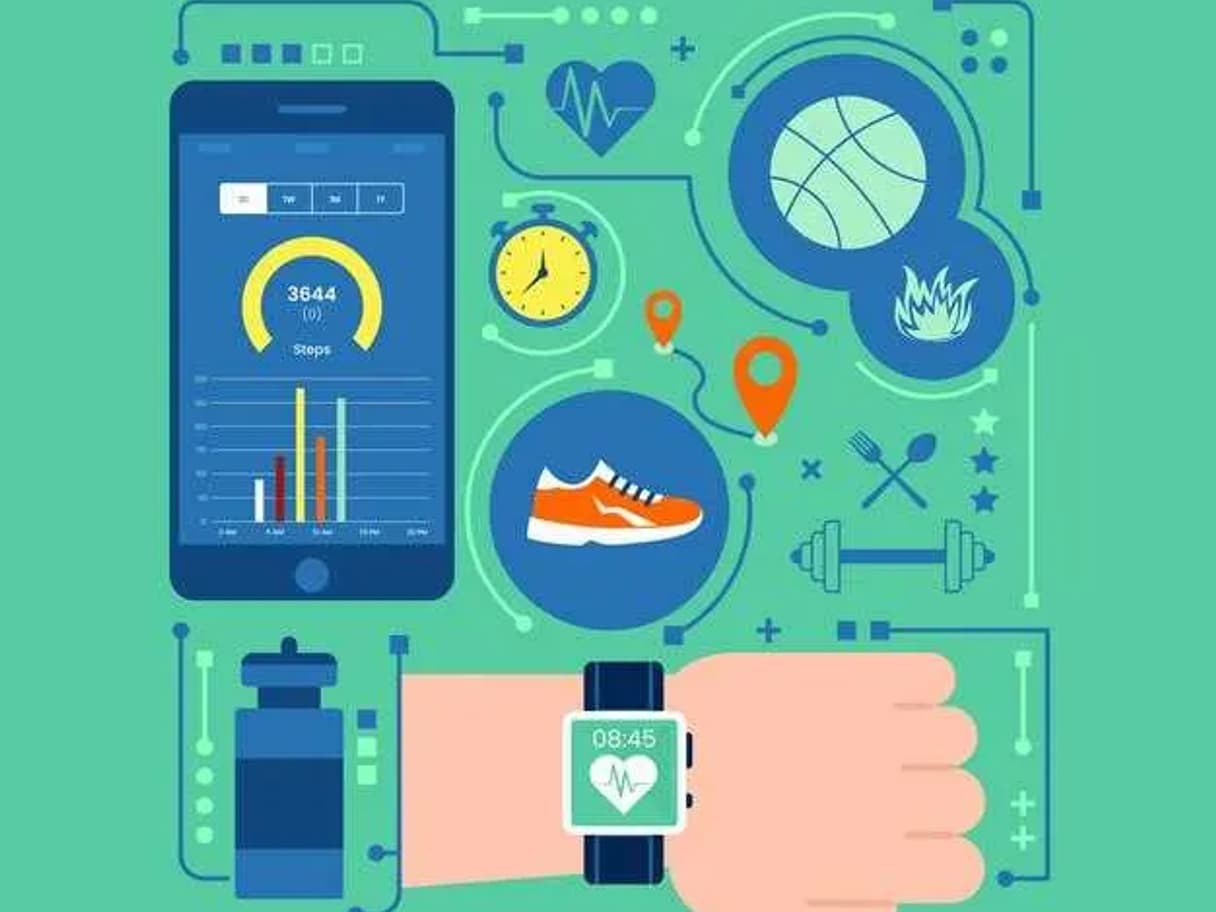
Imagine having the power to connect with your customers instantly, understand their needs better, and close deals faster—all without missing a beat. Wearable technology is set to transform the way you sell, making the sales process smoother and more efficient than ever before.
If you want to stay ahead and boost your results, you need to know how these smart devices can work for you. Keep reading to discover how wearable tech might dramatically change your sales game and give you a winning edge.
Wearable Tech In Sales Today
Wearable technology is making a noticeable impact on sales teams today. These devices bring real-time data and hands-free communication directly to your fingertips, changing how you interact with prospects and manage your workflow. The question is: how are sales professionals using these gadgets right now, and what should you expect when adding them to your toolkit?
Popular Devices Used By Sales Teams
- Smartwatches:Devices like the Apple Watch or Samsung Galaxy Watch help salespeople receive instant notifications, track meetings, and monitor health during busy days.
- Smart Glasses:Products such as Google Glass Enterprise Edition offer heads-up displays for accessing customer data or product information without breaking eye contact.
- Fitness Trackers:Although mainly for health, trackers like Fitbit are used by some sales teams to keep energy levels high and manage stress.
- Voice Assistants and Headsets:Hands-free communication tools like Bluetooth headsets enable quick responses and multitasking during client calls or presentations.
Current Benefits And Limitations
Wearable tech helps you stay connected without looking at your phone constantly. It can improve response times and keep important reminders right where you can see them. Some salespeople find it easier to manage appointments and notes on the go.
However, these devices still have limits. Battery life can be short, especially when relying on constant connectivity. Not all wearable tech integrates smoothly with existing sales software, which can cause frustration.
Also, there’s the challenge of distraction—wearables might interrupt your focus during critical conversations. Have you noticed how a buzzing wrist can pull your attention away right when you need it most?

Credit: www.idtechex.com
Boosting Sales Efficiency
Boosting sales efficiency is key to closing more deals and saving valuable time during the sales process. Wearable technology offers unique tools that keep sales teams agile and informed on the go. Imagine having instant access to critical information while meeting a client or coordinating with your team without missing a beat.
Real-time Data Access
Wearables allow you to pull up customer data, inventory status, or sales analytics immediately, right from your wrist or glasses. This instant access helps you answer client questions confidently and tailor your pitch on the spot. Instead of flipping through papers or searching your phone, you stay focused on the conversation and keep momentum going.
Think about a time when you lost a sale because you didn’t have the right info at hand. Real-time data can prevent that frustration and give you the upper hand.
Hands-free Communication
Using voice commands or quick taps, you can communicate with your team without interrupting your flow. This means you can get updates, confirm details, or ask for support while still engaging with your customer. Your hands stay free for demos, note-taking, or product handling.
How often do you miss important messages because you’re busy with a client? Wearables can fix that by making communication seamless and discreet.
Enhanced Customer Interaction
Wearable tech can create more interactive and personalized experiences. For example, augmented reality glasses might display product features or customer preferences right in front of you as you talk. This makes your pitch more dynamic and memorable.
Have you noticed how customers respond better when you seem prepared and attentive? Wearables help you show that you truly understand their needs and are ready to deliver solutions immediately.
Impact On Sales Strategies
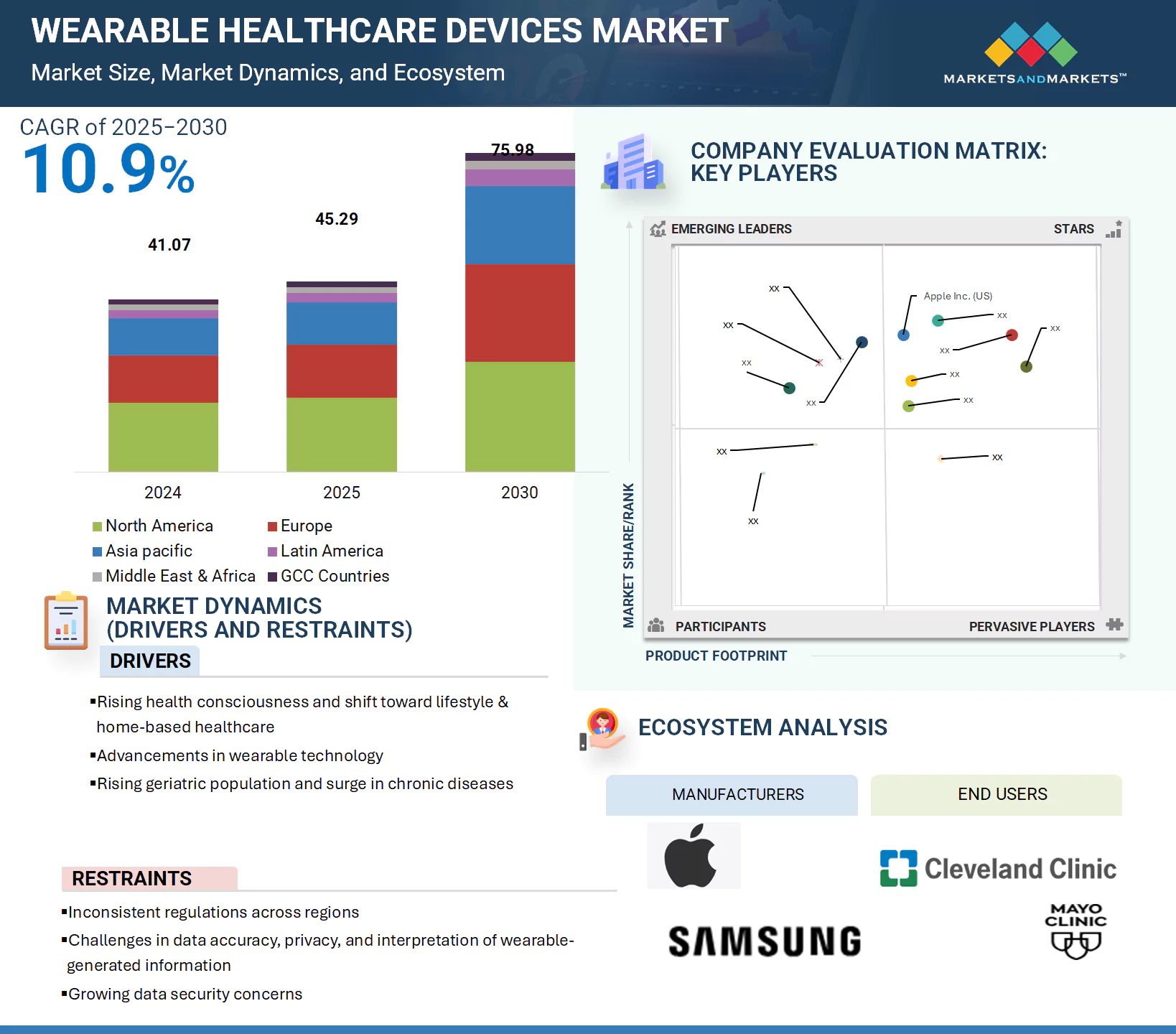
Wearable technology is shaping new paths in sales strategies. It offers fresh tools for sales teams to connect and engage. These devices gather real-time data that can change how sales are made. Sales approaches are becoming more tailored and efficient. This shift helps businesses meet customer needs quickly and clearly.
Personalized Sales Pitches
Wearables collect data about customer behavior and preferences. Salespeople can use this information to tailor pitches perfectly. Each presentation can address specific customer needs instantly. This personal touch increases the chance of closing sales. It builds trust and shows customers they are understood.
Faster Decision Making
Wearable devices deliver instant notifications and updates. Sales teams get quick access to vital information anytime. This speed helps in making smarter and faster choices. It reduces delays caused by waiting for data or meetings. Quick decisions improve customer satisfaction and sales outcomes.
Seamless Crm Integration
Wearables sync smoothly with Customer Relationship Management systems. This integration keeps customer data updated without extra effort. Sales reps can track interactions and follow up effectively. It ensures no lead or detail is missed during the process. CRM data becomes more accurate and useful for planning.
Credit: www.marketsandmarkets.com
Challenges To Overcome
Wearable technology promises to reshape the sales process, but it doesn’t come without its hurdles. These challenges can slow down adoption and impact how smoothly wearables integrate into everyday sales routines. Understanding what stands in your way can help you prepare better and avoid costly mistakes.
Privacy And Security Concerns
Wearable devices collect a lot of personal and business data, which raises red flags about privacy and security. You might worry about sensitive customer information leaking or being hacked. Companies must build strong encryption and clear data policies to protect everyone involved.
Think about the last time you hesitated to share your location or health data through an app. If you feel that way, your customers and sales team might too. How will you convince them that their data is safe?
User Adoption And Training
Not everyone is eager to wear a device or change their sales habits overnight. Some salespeople may resist because they find the technology distracting or complicated. Providing simple, hands-on training can help ease this transition.
Remember how frustrating it felt the first time you had to learn a new software at work? The key is to make wearable tech feel just as intuitive and helpful. Could you create quick tutorials or peer support groups to boost confidence?
Technical Limitations
Wearables still face issues like battery life, connectivity, and compatibility with existing systems. A dead battery in the middle of a client meeting isn’t just annoying—it can cost you the sale. Ensuring the devices you choose are reliable and fit your sales environment is critical.
Also, think about how often your phone or laptop crashes. Would you trust a device that’s less stable? Testing wearables in real-world sales situations before full deployment can highlight and solve technical problems early.
Future Trends In Wearable Sales Tech
Wearable technology is reshaping how sales professionals interact with clients and manage their workflow. The future holds exciting possibilities as these devices become smarter and more connected. Let’s look at some key trends that could transform your sales process.
Ai And Machine Learning Integration
Imagine your wearable device not only tracking your calls but also analyzing customer reactions in real time. AI and machine learning can help by providing tailored sales suggestions based on past interactions and market trends. This means you get smarter prompts exactly when you need them, improving your chances to close deals.
Think about how much time you spend preparing for meetings. With AI-powered wearables, some of that prep work can be automated, giving you more room to focus on building genuine relationships. Would you trust a device to guide your pitch or recommend the next best step?
Augmented Reality Applications
Augmented reality (AR) on wearables lets you showcase products in a more interactive way during sales presentations. You could project 3D models or visualize data overlays right in front of your client’s eyes without bulky equipment. This makes complex information easier to understand and keeps your audience engaged.
Imagine walking into a meeting and instantly pulling up a virtual demo tailored to your client’s needs. AR can help you create memorable experiences that set you apart from competitors. How might your sales conversations change if you could literally show rather than tell?
Biometric Feedback For Sales Insights
Wearables can track your physiological responses, such as heart rate and stress levels, during sales calls. This data can reveal when you’re most confident or when a conversation might be hitting a snag. Using biometric feedback, you can adjust your approach in real time to build trust and maintain rapport.
On the flip side, understanding your client’s emotional state through subtle cues might become possible too. Would knowing a customer’s stress or excitement levels help you tailor your message more effectively? This kind of insight could provide a whole new layer of sales intelligence.
Case Studies And Success Stories
Exploring real-world examples highlights how wearable technology is changing sales. Case studies and success stories provide clear evidence of this shift. They show how companies use wearables to boost their sales efforts. These stories help understand practical benefits and measurable results. They also reveal trends shaping future sales strategies.
Companies Leading The Way
Some companies adopt wearable tech faster than others. They test devices like smartwatches and AR glasses in sales. These firms use wearables to track customer behavior and improve service. They empower sales teams with instant data and communication tools. Leading companies include:
- Retail giants using smart badges for customer insights.
- Tech firms applying augmented reality for product demos.
- Automotive dealers employing wearables to speed up sales cycles.
These companies set examples by combining technology with sales skills. Their success encourages others to explore wearable tech too.
Measurable Improvements In Sales
Wearable technology brings clear, measurable benefits to sales teams. Devices help track key metrics such as:
- Customer engagement time
- Response speed to queries
- Conversion rates during sales calls
Reports from early adopters show:
| Improvement Area | Percentage Increase |
|---|---|
| Customer Interaction Quality | 25% |
| Sales Conversion Rate | 18% |
| Follow-up Speed | 30% |
These results prove wearables help sales teams perform better. Teams gain faster access to data and improve customer connections. Measurable improvements build trust in wearable technology’s value.

Credit: moldstud.com
Frequently Asked Questions
How Does Wearable Technology Improve Sales Interactions?
Wearable technology enables real-time data access during sales meetings. It helps salespeople personalize pitches and respond instantly to client needs. This enhances engagement and builds stronger customer relationships, leading to higher conversion rates and more efficient sales processes.
Can Wearables Enhance Customer Insights In Sales?
Yes, wearables collect valuable data on customer preferences and behaviors. This data helps sales teams tailor strategies and offers. Enhanced insights lead to more targeted marketing and improved customer satisfaction, ultimately boosting sales performance.
What Are The Key Benefits Of Wearables In Sales?
Wearables increase mobility, provide instant access to information, and improve communication. They streamline workflows by reducing manual tasks and offer hands-free convenience. These benefits lead to faster decision-making and a more productive sales process.
Will Wearable Tech Replace Traditional Sales Tools?
Wearable technology complements rather than replaces traditional tools. It integrates with CRM and sales software to enhance efficiency. Wearables provide additional data and accessibility, making the sales process more dynamic and responsive.
Conclusion
Wearable technology impacts sales in surprising ways. It enhances customer interactions. Sales teams gain real-time insights. Personalization becomes easier. This improves customer satisfaction. Efficiency increases as processes simplify. Wearables offer new data collection methods. This helps in better decision making.
Businesses better understand customer needs. Adapting to these changes is crucial. It positions companies for future success. Embracing technology can boost competitiveness. Staying informed on advancements is key. Wearables will shape future sales strategies. The journey is just beginning.
Leave a Reply