Have you ever wondered how a small device on your wrist can change the way you live? Wearable technology is more than just a cool gadget—it’s a powerful tool that can improve your health, boost your productivity, and keep you connected like never before.
Imagine tracking your heart rate effortlessly, getting real-time notifications, or even managing your daily habits with ease. If you want to discover why wearable technology is good for you and how it can make your life smarter and simpler, keep reading.
This is the key to unlocking benefits you didn’t even know were possible.
Benefits Of Wearable Technology
Wearable technology offers more than just convenience—it actively supports your health and wellness journey every day. By providing instant access to your body’s vital signs and activity patterns, these devices help you make smarter choices. Let’s look at how they benefit you in practical ways.
Real-time Health Monitoring
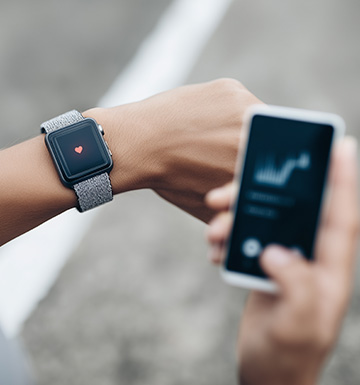
Wearables track your heart rate, blood oxygen levels, and even stress indicators in real time. This means you can spot unusual changes immediately and act before problems escalate. Imagine knowing your heart rate spikes during a stressful meeting and taking a moment to breathe deeply—that’s the power of instant feedback.
Improved Fitness Tracking
These devices record your steps, calories burned, and workout intensity with accuracy. They turn your daily activities into clear data, helping you set achievable goals. Have you ever been surprised by how many steps you actually take? That insight can motivate you to move more or adjust your routine.
Enhanced Sleep Analysis
Tracking your sleep patterns helps you understand how well you rest each night. Wearables detect sleep stages and disruptions, giving you a fuller picture than just hours slept. When you see that restless nights affect your energy, you’re more likely to make changes that improve your overall well-being.
Personalized Health Insights
Wearables don’t just collect data—they analyze it to offer advice tailored to your habits and goals. This personalized approach helps you identify what works best for your body. Wouldn’t it be great to receive tips that fit your lifestyle, rather than generic health advice?
Credit: www.orthoillinois.com
Popular Wearable Devices
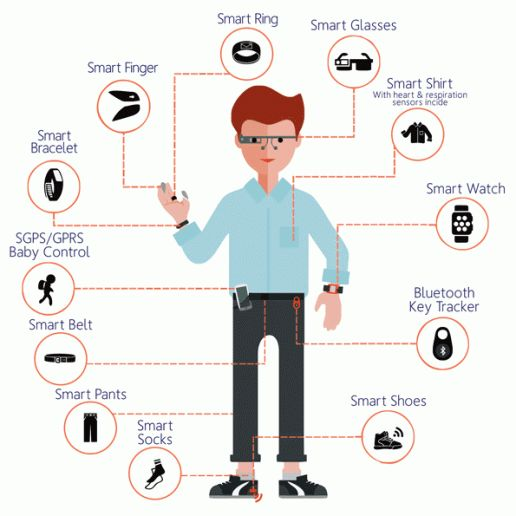
Wearable technology has become a common part of daily life. These devices offer convenience and help track health easily. Many types of wearables suit different needs and lifestyles. They provide real-time data and keep users connected without bulky gadgets.
Popular wearable devices come in various forms. Each device type offers unique features. Choosing the right one depends on personal goals and preferences. Let’s explore some of the most popular wearable devices today.
Smartwatches
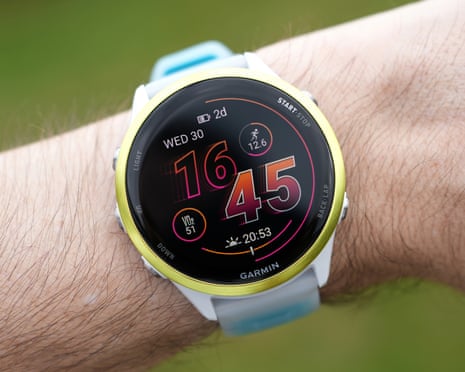
Smartwatches combine style and technology on your wrist. They show notifications, calls, and messages instantly. Users can control music and access apps quickly. Many smartwatches track steps, heart rate, and sleep patterns. They sync with smartphones for added convenience. Some models also support GPS for outdoor activities.
Fitness Bands
Fitness bands focus mainly on health and activity tracking. They are lightweight and affordable. These bands monitor steps, calories, and active minutes. Sleep tracking helps users understand rest quality. Many bands offer reminders to move or drink water. They encourage a healthier lifestyle with simple feedback.
Health Monitoring Rings
Health monitoring rings are small and easy to wear. They track heart rate, sleep, and body temperature. Some rings measure oxygen levels and stress. These rings work quietly without interrupting daily tasks. They provide detailed health insights through apps. Perfect for those who prefer subtle technology.
Smart Clothing
Smart clothing integrates sensors into fabrics. It tracks muscle activity, posture, and movement. Athletes use it to improve performance safely. Some smart clothes monitor heart rate and breathing. The technology helps detect fatigue and prevent injuries. Comfortable and practical for active lifestyles.
Impact On Chronic Disease Management
Wearable technology plays a key role in managing chronic diseases. It helps patients and doctors keep track of important health data. This constant monitoring supports better treatment and quicker responses to health changes. Wearables offer comfort and ease, allowing users to stay active while managing their conditions.
Diabetes Monitoring
Wearable devices track blood sugar levels in real time. This helps users avoid dangerous highs and lows. Alerts notify users when their glucose levels need attention. Continuous data collection helps doctors adjust treatment plans faster. It reduces the need for frequent finger pricks.
Heart Health Tracking
Smartwatches and fitness bands monitor heart rate and rhythm all day. They can detect irregular heartbeats or signs of stress early. This helps prevent serious heart problems. Wearables also track physical activity, encouraging healthier habits. Users get instant feedback on their heart health status.
Respiratory Condition Support
Wearables measure oxygen levels and breathing patterns for lung diseases. They alert users to breathing difficulties before they worsen. This early warning can prevent emergency situations. The devices promote better medication use and lifestyle choices. They also support remote monitoring by healthcare providers.

Credit: medium.com
Motivation And Behavior Change
Wearable technology plays a key role in motivating people to change their behavior. It offers real-time feedback and keeps users aware of their progress. This constant interaction helps build new habits and encourages positive lifestyle changes.
Goal Setting And Achievement
Wearables allow users to set clear, personal goals. These goals can be simple, like walking 5,000 steps daily. The devices track progress and show results instantly. Seeing progress boosts confidence and pushes users to reach targets.
Small wins add up. Achieving goals creates a sense of success. This feeling motivates users to set new, higher goals.
Social Sharing And Competitions
Many wearables let users share achievements with friends. This social feature creates support and friendly competition. Competing with others makes activities more fun and engaging.
Sharing progress can lead to positive feedback. This encouragement keeps users motivated and consistent. Group challenges also help maintain interest over time.
Habit Formation
Wearable devices remind users to stay active or hydrate. These gentle prompts help form healthy habits. Repeating actions daily makes habits stronger and natural.
Wearables track long-term progress. Seeing improvements encourages users to keep good habits. Consistency is easier with daily reminders and feedback.
Data Privacy And Security
Data privacy and security are key concerns in wearable technology. Devices collect sensitive information daily. Protecting this data builds trust and keeps users safe. Strong security measures prevent unauthorized access to personal info.
Protecting Personal Information
Wearables use encryption to keep data safe. Encryption scrambles information during transfer and storage. It stops hackers from reading personal details. Devices also require passwords or biometrics to unlock data. Regular software updates fix security weaknesses.
Regulations And Standards
Governments set rules to protect user data. Regulations like GDPR and HIPAA guide wearable makers. These rules require clear data handling and user consent. Standards ensure devices meet security and privacy needs. Compliance reduces the risk of data breaches.
User Control Over Data
Users can control what data devices collect and share. Wearables offer settings to manage permissions easily. Users decide which apps access their information. Many devices allow data deletion or export. This control gives users peace of mind.
Future Trends In Wearable Tech
The future of wearable technology promises exciting possibilities that can change how you manage your health and daily activities. As these devices get smarter and more connected, they will offer more precise data and personalized experiences. Let’s look at some key trends shaping what wearable tech will become.
Advanced Sensors
Sensors in wearables are becoming incredibly precise and diverse. They can now track not just your heart rate but also hydration levels, stress markers, and even blood sugar without needles.
Imagine a watch that alerts you before you get dehydrated or detects early signs of illness. This level of detail can help you make smarter decisions about your health every day.
Integration With Ai
Wearables combined with AI will do more than collect data—they’ll interpret it for you. Instead of just showing numbers, your device will offer personalized advice based on your habits and health goals.
Think about a fitness tracker that adjusts your workout plan in real time because it understands your recovery patterns. This kind of smart assistance can make your routines more effective and enjoyable.
Wearables In Telemedicine
Telemedicine is growing fast, and wearables are becoming essential tools for remote health monitoring. Your doctor can track your vital signs continuously without needing you to visit the clinic.
This could mean faster responses to health issues and better chronic disease management. Wouldn’t it be comforting to know your health is being watched over even from a distance?
Credit: www.theguardian.com
Frequently Asked Questions
What Are The Benefits Of Wearable Technology?
Wearable technology offers real-time health tracking, improves fitness, and boosts productivity. It also enhances communication and provides convenience on the go, making daily tasks easier and more efficient.
How Does Wearable Tech Improve Health Monitoring?
Wearables track vital signs like heart rate, sleep patterns, and activity levels. This data helps users detect health issues early and maintain a healthier lifestyle through personalized insights.
Can Wearable Devices Increase Productivity?
Yes, wearable devices provide instant notifications, reminders, and hands-free communication. They help users manage time better and stay focused, enhancing overall work efficiency.
Why Is Wearable Technology Popular In Fitness?
Wearables track workouts, calories burned, and progress toward goals. They motivate users by providing feedback and helping tailor exercise routines for better results.
Conclusion
Wearable technology enriches daily life. It offers convenience and improves health. Users track fitness, monitor vital signs, and stay connected. These devices boost productivity and simplify tasks. They fit seamlessly into routines. Easy to use, they promote a healthier lifestyle.
Wearables also enhance safety with real-time alerts. Their growing popularity highlights their benefits. As technology advances, these devices will become even more helpful. Embracing wearables can lead to a more connected, efficient life. Choosing wearable technology is a step toward a smarter future.
Leave a Reply