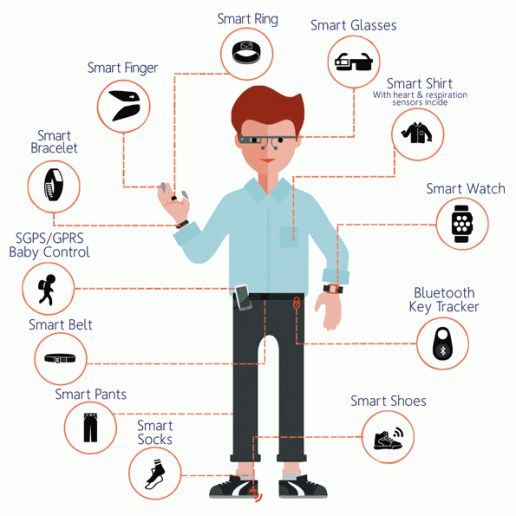
Have you ever wondered what your wearable device is really keeping an eye on? From counting your steps to monitoring your sleep, wearable technology tracks more than you might expect.
Understanding exactly what data your device collects can help you make smarter choices for your health and lifestyle. Keep reading to discover the surprising ways wearable tech watches over you—and how you can use that information to feel better every day.

Credit: www.softude.com
Key Health Metrics Monitored
Wearable technology has become an essential tool for tracking various health metrics that help you understand your body better. These devices gather real-time data, offering insights that can guide your daily habits and overall well-being. Let’s take a closer look at the key health metrics that wearables monitor and how they can impact your lifestyle.
Heart Rate Tracking
Monitoring your heart rate throughout the day gives you a clear picture of your cardiovascular health. Wearables measure your resting heart rate and track changes during exercise or stress, helping you spot irregularities early. Have you noticed how your heart rate varies with different activities? This information can guide you to optimize your workouts and manage stress more effectively.
Sleep Patterns
Understanding your sleep quality is crucial for feeling energized and maintaining good health. Wearables track your sleep stages—light, deep, and REM—revealing how much restorative rest you’re actually getting. If you’re often tired despite spending hours in bed, these insights can help you adjust your habits for better sleep.
Physical Activity Levels
Tracking your daily movement motivates you to stay active and reach fitness goals. Wearables count your steps, monitor your distance, and even recognize different types of exercise. Are you moving enough throughout the day? Having this data can encourage you to take breaks, walk more, or try new workouts.
Calorie Burn Estimation
Knowing how many calories you burn helps balance your diet and exercise routine. Wearables estimate calorie expenditure by combining your activity data with heart rate and personal details. This can be especially helpful if you’re managing weight or training for an event.
Blood Oxygen Saturation
Blood oxygen levels indicate how well your body is absorbing oxygen, which is vital for overall health. Some wearables measure this metric, alerting you to potential issues like poor sleep quality or respiratory problems. Have you ever wondered if your oxygen levels drop during sleep or intense workouts? Tracking this can provide valuable clues to your health status.
Advanced Biometric Measurements
Advanced biometric measurements in wearable technology provide deep insights into your body’s inner workings. These devices go beyond counting steps or calories, offering detailed data that can help you understand your health on a whole new level. You might be surprised how much your smartwatch or fitness band can reveal about your heart, stress levels, temperature, and breathing.
Electrocardiogram (ecg) Data
Wearables equipped with ECG sensors capture the electrical signals of your heart. This data helps detect irregular heart rhythms, such as atrial fibrillation, which often goes unnoticed. Imagine catching a warning sign early because your watch notified you—this can make a real difference in managing heart health.
Some devices even allow you to share ECG readings directly with your doctor, making remote monitoring easier. Are you paying enough attention to your heart’s signals every day?
Stress And Recovery Indicators
Your wearable can track stress by analyzing heart rate variability (HRV). Lower HRV often means higher stress, while higher HRV indicates better recovery and relaxation. Monitoring these changes can help you adjust your daily routine to improve mental well-being.
For instance, if your device signals increased stress after a busy day, you might choose to meditate or take a walk. How often do you listen to your body’s stress signals?
Body Temperature Monitoring
Continuous body temperature tracking reveals subtle changes that might indicate illness or menstrual cycle phases. Unlike checking your temperature once a day, wearables provide ongoing data, offering early warnings before symptoms appear.
This can be especially useful if you want to stay ahead of infections or understand your body’s natural rhythms better. Have you noticed temperature shifts that correlate with how you feel?
Respiratory Rate Tracking
Measuring your breaths per minute helps detect breathing irregularities and overall lung health. This metric is crucial during exercise and sleep, offering insights into conditions like sleep apnea or asthma.
Tracking respiratory rate can also show how well your body adapts to workouts or stress. Are you aware of your breathing patterns throughout the day?
Fitness And Performance Insights
Wearable technology offers more than just basic tracking; it provides detailed fitness and performance insights that help you understand how your body moves and responds. These devices collect data that can improve your workouts, prevent injuries, and keep you motivated. Knowing what your wearable tracks can change the way you approach fitness and health.
Step Counting And Distance
Counting steps is one of the most common features in wearables. It motivates you to stay active by showing how much you’ve moved throughout the day. But it goes beyond just numbers—these devices use your step data to estimate the distance you’ve traveled.
Tracking distance helps you set realistic walking or running goals. Have you ever wondered if you actually walk enough in a day? Your wearable can answer that, encouraging you to push a little further or celebrate small victories.
Workout Intensity Analysis
Not all workouts are equal, and wearables can tell you how hard you’re working. They analyze heart rate zones, calorie burn, and recovery times to show your workout intensity. This helps you avoid overtraining and maximize your efforts during exercise.
Imagine knowing exactly when to slow down or when to push harder. This insight can make your training smarter and more efficient, leading to better results without risking burnout.
Vo2 Max Estimation
VO2 max is a key indicator of your cardiovascular fitness. Many wearables estimate this by measuring how your heart rate responds to exercise. It gives you a clear picture of your aerobic capacity and overall endurance.
Seeing your VO2 max improve over time can be incredibly motivating. It answers the question: “Is my fitness really getting better?” Tracking this metric helps you set meaningful goals based on your actual performance.
Hydration And Nutrition Reminders
Staying hydrated and properly fueled is crucial for performance, yet easy to forget. Some wearables offer reminders to drink water or eat at the right times. These prompts can keep your energy levels steady and improve recovery.
Have you ever felt drained mid-workout because you skipped hydration? Your wearable can help prevent that by nudging you to take small but important actions that support your body’s needs.

Credit: blog.stackademic.com
Health Alerts And Notifications
Wearable technology doesn’t just collect data—it actively helps you stay aware of your body’s signals. Health alerts and notifications keep you informed about important changes, allowing you to act quickly and maintain your well-being. These features transform your device from a passive tracker into a personal health assistant.
Abnormal Heart Rate Alerts
Your heart rate can reveal a lot about your health. Wearables monitor your pulse continuously and send alerts if they detect unusual patterns, like a heart rate that’s too high or too low. This can be lifesaving, especially if you have a condition that requires close attention.
I once ignored mild discomfort until my wearable flagged a rapid heartbeat at rest. That alert pushed me to see a doctor immediately, who found an underlying issue early. Imagine what ignoring those signs could have cost me.
Sleep Quality Warnings
Good sleep is crucial, but how often do you really know its quality? Wearables track your sleep stages and warn you if you’re not getting enough deep or REM sleep. These warnings encourage you to adjust habits before poor sleep affects your daily life.
Have you noticed feeling tired even after a full night in bed? Your device might be telling you that your sleep isn’t as restful as you think. Paying attention to these alerts can help you improve your sleep environment or routine.
Sedentary Reminders
Long periods of sitting can harm your health, and wearables help you avoid this. They send reminders to move if you’ve been inactive for too long, prompting you to take breaks and stay active throughout the day. These small nudges can make a big difference.
It’s easy to get caught up in work and forget to move. I’ve found that a quick stretch or walk after a sedentary alert refreshes my focus and energy. Could you benefit from a few movement reminders each day?
Fall Detection Features
For older adults or those with balance issues, fall detection can be a critical feature. Wearables with this capability automatically detect sudden falls and can alert emergency contacts if you don’t respond. This provides peace of mind whether you’re at home or on the go.
One friend’s wearable detected a fall during a solo hike and sent an alert, leading to a timely rescue. Without that notification, the situation could have been much worse. Wouldn’t you want that extra layer of safety for yourself or a loved one?
Data Accuracy And Limitations
Wearable technology offers impressive insights into your health and activity, but understanding its data accuracy and limitations is crucial. These devices rely on various sensors and algorithms that can sometimes misinterpret or miss certain signals. Knowing where these technologies shine and where they fall short helps you make better decisions based on the data they provide.
Sensor Technology Challenges
Sensors inside wearables face several hurdles that impact accuracy. Motion artifacts, like shaking or sudden movements, can distort data from heart rate monitors or step counters. Additionally, environmental factors such as temperature and humidity sometimes interfere with sensor performance.
Optical sensors used for heart rate tracking, for example, can struggle with darker skin tones or tattoos, leading to less reliable readings. Are you aware of how your device’s sensor type might affect the data you see daily?
User Factors Affecting Data
Your body and behavior play a big role in data accuracy. How you wear the device—tightness, position, and even skin contact—can change sensor readings significantly. If the watch slides around your wrist or sits too loosely, the heart rate data might not be as precise.
Physical differences like wrist size, skin color, and even body hair can also create variations in the data collected. This means two people using the same device might get slightly different results under the same conditions. What small changes can you make to improve your wearable’s data quality?
Comparison With Medical Devices
Wearables are great for everyday tracking, but they don’t match medical-grade devices in accuracy. Medical equipment undergoes strict testing and calibration, often used in controlled environments, which wearables can’t replicate.
For example, an electrocardiogram (ECG) machine measures heart activity with much higher precision than a fitness tracker’s optical sensor. While wearables give you useful trends and alerts, you shouldn’t rely on them for diagnosing serious health conditions.
Knowing these differences helps you use wearable data as a helpful guide rather than a definitive medical report. How do you balance convenience with accuracy in managing your health?
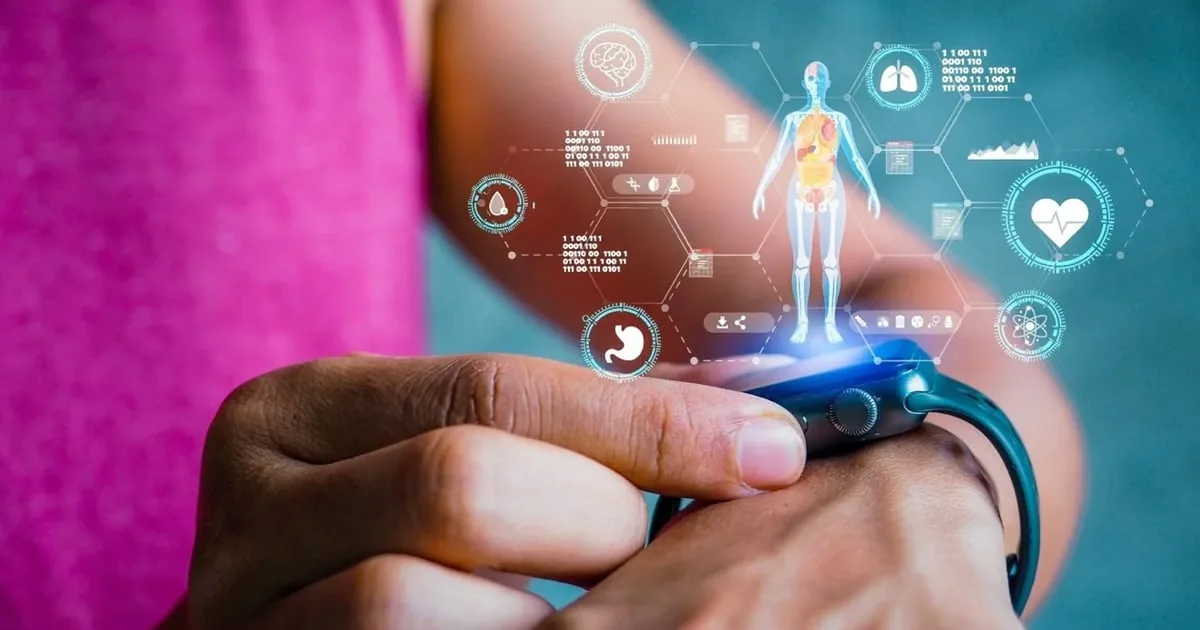
Credit: www.larahealth.com.tr
Privacy And Data Security
Wearable technology collects a lot of personal data. This raises important questions about privacy and data security. Users need to know how their information is gathered, stored, and used. Trust is key for people to feel safe using these devices.
Data Collection Practices
Wearable devices track many details like heart rate, location, and activity. Some collect data continuously, while others only at certain times. Companies often gather this data to improve services or create new features.
Users should be aware of what types of data are collected. Transparency from companies helps build trust. Some devices share data with third parties, which may increase privacy risks.
User Control Over Information
Users must have control over their data. Good devices let people choose what information to share. Settings often allow turning off certain tracking features.
Data deletion options are important. Users should be able to erase stored data easily. Clear privacy policies explain how to manage personal information.
Regulatory Compliance
Many countries have laws protecting personal data. Wearable tech companies must follow these regulations. Common rules include securing data and getting user consent.
Regulations like GDPR in Europe and CCPA in California set standards. Compliance ensures companies handle data responsibly. This protects users from misuse and breaches.
Frequently Asked Questions
What Health Metrics Do Wearable Devices Track?
Wearable devices commonly track heart rate, steps, calories burned, and sleep patterns. Some advanced devices also monitor blood oxygen levels, stress, and ECG data for better health insights.
Can Wearables Track Fitness And Exercise Activities?
Yes, wearables track various exercises like running, cycling, and swimming. They measure duration, distance, pace, and calories burned, helping users optimize workouts and monitor progress effectively.
Do Wearables Monitor Sleep Quality Accurately?
Wearables use sensors to track sleep stages, duration, and disruptions. While not as precise as clinical devices, they provide useful insights into sleep quality and patterns for better rest management.
How Do Wearables Track Location And Movement?
Wearables use GPS and accelerometers to track location and movement. This helps monitor routes, distance traveled, and activity intensity, enhancing fitness tracking and safety features like fall detection.
Conclusion
Wearable technology tracks health, fitness, and daily activities. It helps monitor heart rate, steps, and sleep patterns. Users can set goals and see progress. Wearables offer valuable health insights. They promote an active lifestyle and better self-awareness. Easy to use and convenient.
A great tool for maintaining health. Perfect for tech-savvy individuals and beginners alike. They bridge the gap between technology and personal health. Understanding this tech can boost well-being. Remember, a healthier lifestyle starts with small steps. Consider wearable tech for simple tracking.
Stay informed and take charge of your health journey.
Leave a Reply