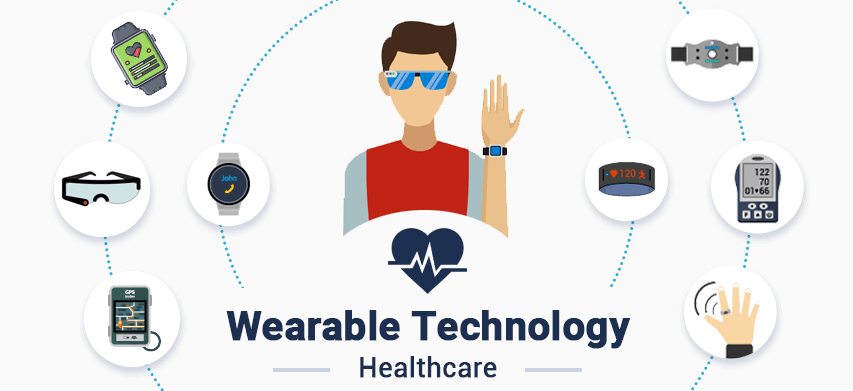
Imagine having a personal health assistant right on your wrist, ready to track your heart rate, monitor your sleep, and even alert you to potential health issues before they become serious. Wearable technology is not just a cool gadget; it’s about to change the way you manage your health every single day.
This shift will make healthcare more personal, proactive, and powerful—putting control directly into your hands. Curious how these small devices can make such a big impact on your well-being? Keep reading to discover how wearable technology will reshape healthcare and what that means for you.

Credit: www.mindbowser.com
Rise Of Wearable Tech
Wearable technology is no longer just a fitness fad; it’s becoming a cornerstone of modern healthcare. These devices are moving beyond counting steps to actively monitoring vital signs, predicting health issues, and even managing chronic conditions. You might already use a wearable daily without realizing its potential to transform your health journey.
Growth And Adoption Trends
The number of wearable devices in use worldwide is skyrocketing. More people are embracing wearables because they offer real-time health data right on your wrist or as a patch on your skin.
Healthcare providers are also adopting this technology to improve patient care. Remote monitoring allows doctors to track patients continuously, reducing hospital visits and catching problems early. Have you noticed how easy it is now to keep an eye on your heart rate or sleep quality with just a small gadget?
Additionally, advances in sensors and AI are making wearables smarter and more accurate. This means you can trust the data to make better health decisions every day.
Popular Devices In Healthcare
Several wearable devices have gained popularity for their health benefits. Here are some you might find useful:
- Smartwatches:Devices like the Apple Watch and Fitbit track heart rate, ECG, oxygen levels, and even detect falls.
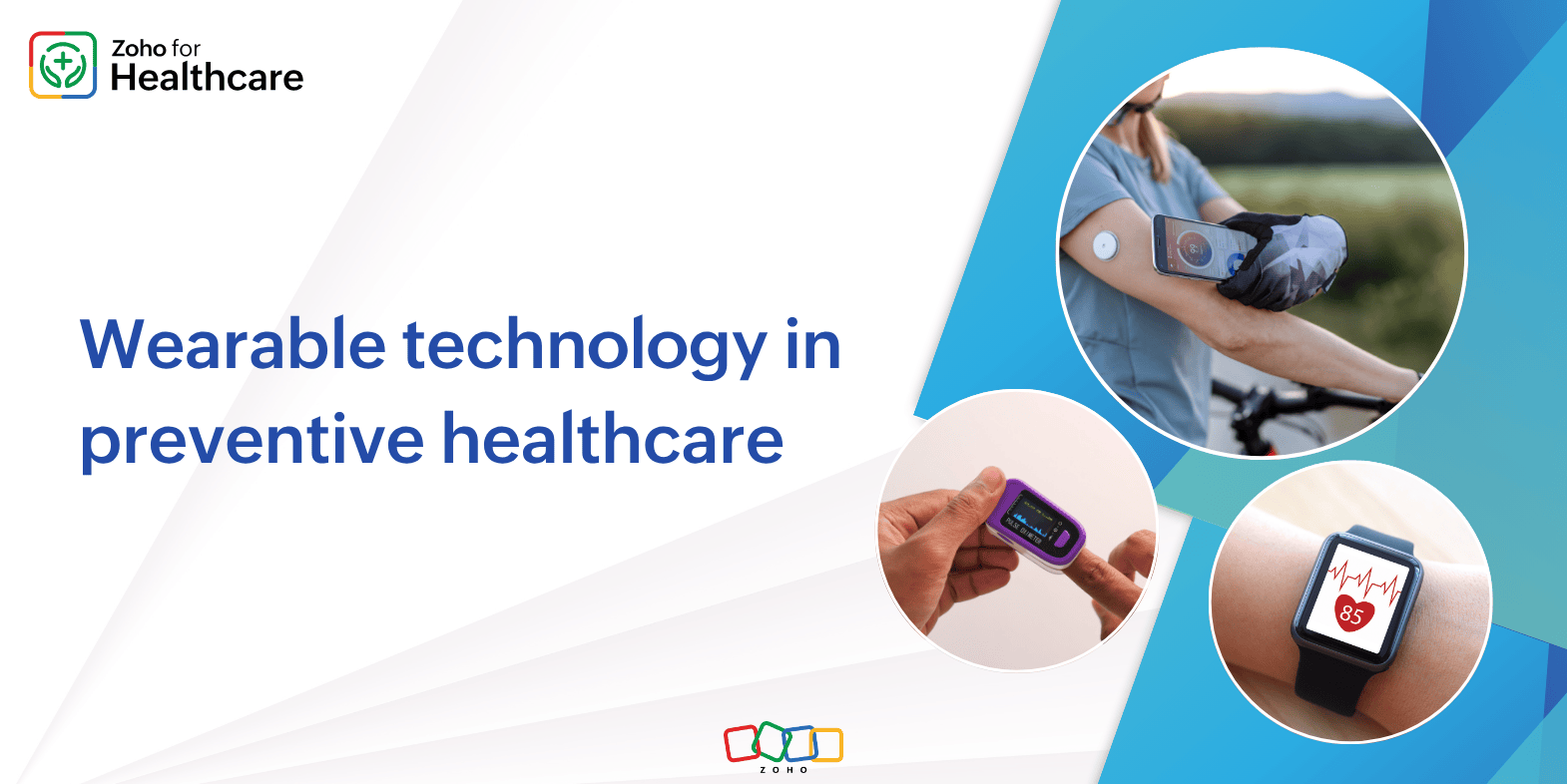
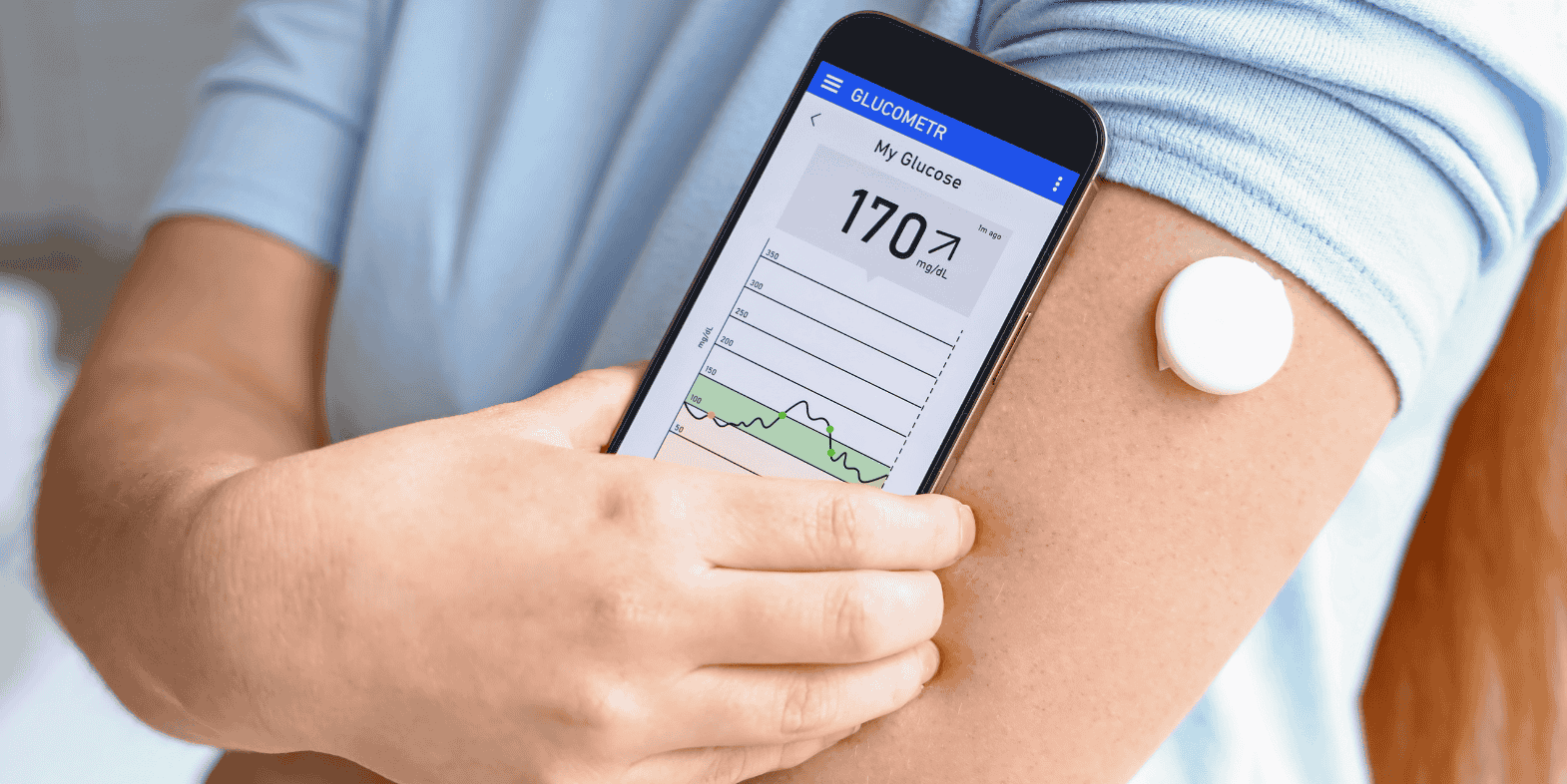
- Continuous Glucose Monitors (CGMs):Crucial for people with diabetes, these devices provide real-time blood sugar readings without finger pricks.
- Wearable ECG Monitors:Portable devices that capture heart rhythms and alert users to irregularities.
- Fitness Trackers:More than counting steps, they measure sleep patterns, stress levels, and physical activity intensity.
Imagine having your health data available anytime, helping you spot trends and take action before issues become serious. Which wearable device could help you manage your health better?
Real-time Health Monitoring
Real-time health monitoring through wearable technology is transforming how you track and manage your well-being every day. These devices collect constant streams of health data, providing insights that were once only possible during doctor visits. Imagine having a personal health assistant on your wrist, ready to alert you to changes before they become serious issues.
Continuous Data Collection
Wearable devices gather health data non-stop, capturing details like heart rate, sleep patterns, and physical activity. This continuous flow of information helps create a detailed picture of your health over time, rather than just snapshots during occasional checkups.
Because the data is ongoing, you can spot trends or irregularities quickly. For example, a subtle increase in resting heart rate over several days might indicate stress or illness before symptoms appear. This means you can take action sooner, potentially avoiding more severe problems.
Early Detection And Prevention
Real-time monitoring can detect early warning signs of health issues, allowing you to act before conditions worsen. Devices can alert you to irregular heartbeats or abnormal blood oxygen levels, prompting timely medical consultations.
Think about a friend who ignored occasional dizziness until a wearable device flagged low blood oxygen, leading to early diagnosis of a serious issue. This kind of early detection changes outcomes, giving you the power to prevent complications.
Are you ready to let your wearable be the first line of defense in your health journey?
Personalized Patient Care
Personalized patient care is transforming with wearable technology. These devices collect real-time health data. Doctors can now understand each patient’s unique needs better. Care plans become more precise and effective. Patients gain more control over their own health journey.
Tailored Treatment Plans
Wearable devices track vital signs continuously. Data like heart rate, sleep patterns, and activity levels feed into treatment decisions. Doctors analyze this information to create treatments suited to each patient’s condition. Adjustments happen quickly based on changing health status. This reduces guesswork and improves outcomes.
Improved Patient Engagement
Wearables encourage patients to take an active role in their health. Instant feedback motivates healthy habits like exercise and medication adherence. Patients see progress through easy-to-understand reports. This interaction boosts confidence and commitment to treatment. It builds a stronger connection between patient and healthcare provider.
Remote Healthcare Access
Remote healthcare access changes how patients and doctors connect. Wearable technology plays a key role by allowing health monitoring outside traditional clinics. This shift supports faster responses and better patient care. It also reduces the need for frequent hospital visits, saving time and resources.
Telemedicine Integration
Wearables send real-time health data directly to doctors. This data helps in remote consultations and accurate diagnosis. Patients can share vital signs such as heart rate and blood pressure instantly. Doctors review this data during virtual visits to adjust treatment plans. Telemedicine with wearables brings healthcare to the patient’s home.
Reaching Underserved Areas
Wearable devices bring medical services to rural and remote locations. They reduce travel barriers for patients who live far from clinics. Health workers can monitor multiple patients using wearable data remotely. This technology supports early detection of health issues in underserved communities. It improves health outcomes by making care more accessible.
Data Security And Privacy
Wearable technology in healthcare collects vast amounts of personal health data. This data includes heart rates, activity levels, sleep patterns, and even medical conditions. Protecting this sensitive information is crucial to maintain trust and ensure user safety. Privacy concerns arise as data moves through various devices and networks. Strong security measures must be in place to prevent unauthorized access and misuse. Understanding the challenges around data security helps guide better solutions for wearable health devices.
Protecting Sensitive Information
Wearable devices handle personal health data that requires strict protection. Encryption is vital to keep data safe during transfer and storage. Multi-factor authentication helps verify user identity before accessing data. Regular software updates fix security vulnerabilities. Users should be informed about what data is collected and how it is used. Clear privacy settings allow users to control their information. Data anonymization can reduce risks by removing personal identifiers.
Regulatory Challenges
Healthcare data is subject to many laws and regulations worldwide. Compliance with regulations like HIPAA in the US or GDPR in Europe is essential. These rules set standards for data protection and user privacy. Wearable technology companies must navigate different legal frameworks across countries. Constant changes in laws require ongoing adaptation and monitoring. Lack of clear regulations in some regions complicates data protection efforts. Collaboration between technology developers, healthcare providers, and regulators is necessary to ensure safe use of wearable devices.
Future Innovations
The future of wearable technology in healthcare promises exciting changes. New innovations will improve how we monitor health and treat diseases. These devices will become smarter and more helpful every day.
Ai And Machine Learning
Artificial intelligence (AI) and machine learning will power future wearables. They will analyze health data quickly and find patterns. This helps detect problems early, even before symptoms appear. AI will support doctors by providing accurate health insights. It will also personalize care plans based on individual needs.
Next-gen Wearable Features
Next-generation wearables will have advanced sensors and better designs. They will measure more than just heart rate or steps. Some will track blood sugar, hydration, and stress levels. Devices will become smaller, lighter, and more comfortable to wear all day. They will connect seamlessly with smartphones and health systems for real-time updates.
Impact On Healthcare Costs
Wearable technology is changing how healthcare expenses are managed. It helps lower costs by improving patient monitoring and care quality. This leads to fewer emergencies and less need for expensive treatments. Health systems can save money while offering better services.
Reducing Hospital Visits
Wearables track vital signs like heart rate and blood sugar continuously. Early warnings allow patients and doctors to act before problems worsen. This reduces emergency room visits and hospital stays.
Patients avoid costly treatments by catching issues early. Hospitals face less overcrowding and can use resources more efficiently. This lowers overall healthcare spending and improves patient outcomes.
Cost-effective Care Models
Wearable devices support remote patient monitoring and virtual care. Doctors can check patients’ health without in-person visits. This saves travel costs and clinic time.
Healthcare providers use data from wearables to tailor treatment plans. Personalized care reduces unnecessary tests and medications. It keeps patients healthier with fewer expenses.
Insurance companies benefit from fewer claims due to better health management. This may lead to lower premiums and affordable coverage for patients.
Credit: www.zoho.com
Credit: www.zoho.com
Frequently Asked Questions
How Does Wearable Technology Improve Patient Monitoring?
Wearable technology enables real-time health tracking outside hospitals. It provides continuous data on vital signs, helping early diagnosis and timely intervention. This reduces hospital visits and improves chronic disease management effectively.
What Are The Benefits Of Wearables In Healthcare?
Wearables enhance personalized care by tracking activity, heart rate, and sleep patterns. They empower patients to manage health proactively. Additionally, they facilitate remote monitoring, reducing healthcare costs and improving treatment outcomes.
Can Wearables Help In Managing Chronic Diseases?
Yes, wearables track symptoms and medication adherence in chronic conditions like diabetes and hypertension. This continuous monitoring allows timely adjustments to treatment plans, improving patient quality of life and reducing complications.
How Secure Is Health Data From Wearable Devices?
Wearable devices use encryption and secure protocols to protect health data. However, users should ensure device updates and use trusted brands to prevent unauthorized access and maintain privacy.
Conclusion
Wearable technology is transforming healthcare in many exciting ways. Patients gain control over their health. Doctors receive vital data quickly. This leads to better treatment plans. Monitoring becomes easier and more accurate. People can manage chronic conditions effectively. Costs may lower as technology advances.
The future of healthcare looks promising. Wearables could improve lives globally. They offer convenience and efficiency. Everyone can benefit from these innovations. Embracing this technology may enhance overall health outcomes. The impact is significant and growing. Stay informed about these changes.
The journey towards improved healthcare continues.
Leave a Reply