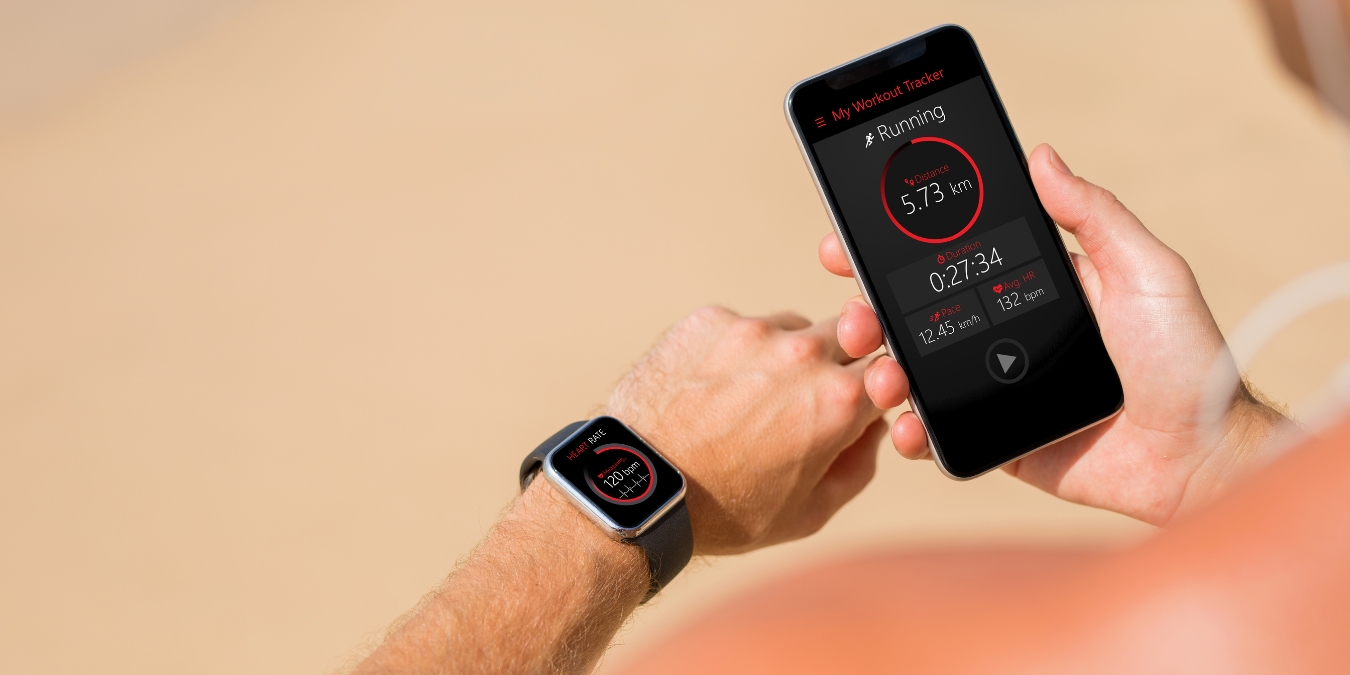
Have you ever wondered if your fitness tracker or smartwatch is actually helping you get healthier? These gadgets promise to boost your well-being, but do they really deliver?
You might be wearing one right now, tracking every step and heartbeat. But is that data turning into real, lasting health improvements? Keep reading to discover the surprising truth about wearable fitness technology—and how it could change the way you take care of yourself.
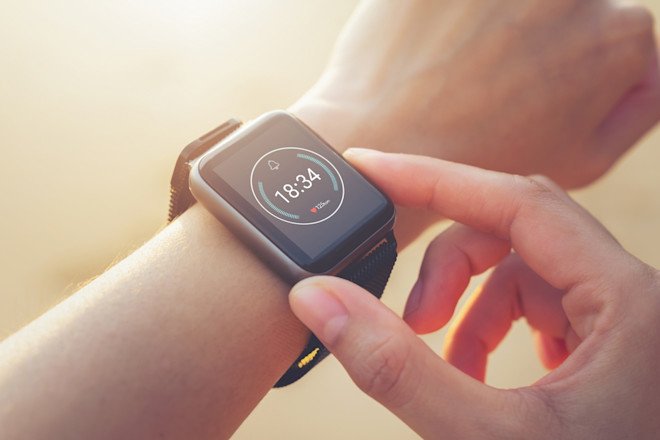
Credit: www.discovermagazine.com
Rise Of Wearable Fitness Tech
Wearable fitness technology has reshaped how we track and improve our health. These gadgets are no longer just cool accessories—they offer real-time data that can motivate you to move more, sleep better, and manage stress. But with so many options out there, it’s worth asking: do these devices truly make us healthier, or do they just add noise to our daily routines?
Popular Devices And Features
Fitness trackers and smartwatches dominate the market, with brands like Fitbit, Apple Watch, and Garmin leading the way. These devices commonly offer:
- Heart rate monitoring:Keeps track of your pulse during rest and exercise.
- Step counting:Helps you meet daily movement goals.
- Sleep tracking:Analyzes your sleep patterns to suggest improvements.
- GPS tracking:Maps your runs, walks, or bike rides.
- Activity reminders:Nudges you to stand or move if you’ve been inactive too long.
Many devices also sync with smartphone apps, giving you a clear view of your progress and trends over time. This combination of hardware and software makes it easier for you to set realistic goals and stick to them.
Growth In User Adoption
The number of people using wearable fitness tech has surged in recent years. In fact, millions now rely on these devices daily to guide their health choices. This growth isn’t just about tech fans; people of all ages and fitness levels are jumping in.
Why do you think this is happening? For many, it’s the instant feedback that feels empowering. You don’t need a gym membership or a personal trainer to know how active you’ve been or how well you slept last night.
However, it’s important to consider if constant data tracking might also cause stress or obsession. Have you ever found yourself more worried about the numbers than how you feel? Finding balance is key to making wearable tech truly beneficial for your health.
Impact On Physical Activity
Wearable fitness technology has changed how people stay active. These devices track movement and encourage more exercise. They bring new ways to improve physical activity by offering clear data and feedback. Users can see their habits and find ways to move more each day.
Motivation And Accountability
Wearables help keep users motivated to stay active. Seeing real-time stats pushes people to meet daily goals. Small reminders and alerts encourage consistent exercise. Accountability grows because users feel responsible for their progress. Sharing results with friends or groups adds social support.
Tracking Progress And Goals
Fitness trackers record steps, heart rate, and calories burned. This data helps users understand their activity levels better. Setting clear goals becomes easier with measurable results. Progress can be checked over days, weeks, or months. This tracking allows users to adjust routines and celebrate achievements.
Influence On Health Metrics
Wearable fitness technology claims to offer deep insights into your health by tracking various metrics. But how accurate and useful are these numbers? Understanding their influence on your health metrics can help you decide if these gadgets truly support your wellness journey.
Heart Rate And Sleep Monitoring
Tracking your heart rate throughout the day can reveal patterns related to stress, exercise intensity, and recovery. I’ve noticed that my wearable alerts me when my resting heart rate spikes, nudging me to rest or hydrate more. This kind of real-time feedback helps you adjust habits before problems escalate.
Sleep tracking provides data on duration and quality, but can it replace a professional sleep study? While wearables give a rough estimate of sleep stages, they may misinterpret movements or interruptions. Still, seeing trends like consistent poor sleep can push you to prioritize rest or seek medical advice.
Calorie Counting Accuracy
Calories burned is a popular metric, but it’s often less precise than you might expect. Your wearable calculates this based on movement and heart rate, but it can’t account for individual metabolism differences or the type of activity fully. I found that relying solely on calorie counts for weight management led to frustration—sometimes the numbers just didn’t add up.
Rather than obsess over exact calorie counts, use these devices to identify patterns. Do you burn more calories on days you walk to work? Does your activity level drop during busy weeks? These insights help you make smarter decisions without fixating on imperfect data.

Credit: www.latimes.com
Psychological Effects
Wearable fitness technology does more than track your steps or heart rate; it also impacts your mind. The psychological effects can shape how you feel about your health journey and influence your daily habits. Understanding these effects helps you use your devices in a way that truly benefits your well-being.
Positive Behavioral Changes
Wearing a fitness tracker often encourages you to move more and make healthier choices. Seeing your progress in real time can boost motivation and create a sense of accomplishment.
Many users report feeling more accountable. For instance, hitting daily step goals can become a fun challenge rather than a chore.
These devices can gently nudge you toward better habits, like drinking enough water or sleeping on time. How often do you find yourself pushing just a bit harder because your watch cheered you on?
Potential Stress And Obsession
On the flip side, constantly monitoring your body can increase stress levels. Some people become obsessed with metrics and feel anxious when numbers don’t meet expectations.
This pressure might lead to unhealthy behaviors, such as over-exercising or ignoring your body’s signals of fatigue. It’s easy to get trapped in a cycle of chasing perfection instead of focusing on overall wellness.
Have you ever noticed your mood dip because your tracker showed fewer steps or poorer sleep? Recognizing when technology controls you instead of supporting you is crucial.
Limitations Of Wearables
Wearable fitness devices promise to help you track your health and motivate you to stay active. However, they come with some notable limitations that you should consider before relying on them completely. Understanding these drawbacks can help you make better decisions about how to use these gadgets effectively.
Data Accuracy Concerns
One common issue with wearable fitness technology is the accuracy of the data it provides. Devices often struggle to measure metrics like heart rate, calories burned, or sleep quality precisely. For example, wrist-based heart rate sensors may show different readings during intense workouts compared to chest straps.
Inaccurate data can mislead you about your progress and health status. If your step count or calorie burn is off, you might overestimate your activity or underestimate your food intake. Have you ever wondered if your fitness tracker is truly reflecting your efforts, or just giving you a rough guess?
User Engagement Over Time
Many people start using wearables with enthusiasm but lose interest after a few months. The initial excitement fades when the device becomes just another gadget rather than a helpful coach. Without sustained motivation, you might stop checking your stats or forget to wear the device altogether.
Keeping yourself engaged requires more than just tracking numbers. Try setting small goals, joining challenges with friends, or regularly reviewing your progress to maintain interest. How often do you find yourself ignoring your fitness tracker, and what could help you stay consistent?
Wearables And Long-term Health
Wearable fitness devices have become common tools for tracking health. They collect data on steps, heart rate, sleep, and more. The real question is how these devices impact our health over time. Long-term benefits depend on consistent use and meaningful behavior change. Let’s explore how wearables support lasting health improvements and healthcare integration.
Sustained Lifestyle Changes
Wearables encourage daily awareness of physical activity and habits. They remind users to move or hydrate throughout the day. Over months, this can build healthier routines. Small changes add up, like taking stairs or walking more. Success relies on motivation and clear goals. Without commitment, data alone won’t improve health. Wearables work best as part of a long-term plan.
Integration With Healthcare Providers
Some devices share health data with doctors automatically. This helps healthcare providers track patient progress more accurately. Real-time data can alert doctors to potential issues early. It supports personalized treatment and advice. Patients feel more connected to their care team. Privacy and data security remain important concerns. Proper use of wearables can improve communication and outcomes.
Future Of Fitness Technology
The future of fitness technology promises to change how you track and improve your health. It’s not just about counting steps anymore; it’s about understanding your body deeply and making smarter choices. As technology evolves, so do the tools that guide your fitness journey.
Advancements In Ai And Sensors
Wearable devices are becoming smarter with better sensors and AI capabilities. These sensors now detect heart rate, oxygen levels, sleep patterns, and even stress indicators with greater accuracy. Imagine a watch that alerts you to early signs of fatigue or dehydration before you even feel it.
AI algorithms analyze this data in real-time, offering instant feedback tailored to your unique body signals. This helps you avoid injury and optimize workouts based on how your body reacts, not just a generic plan. Have you noticed how your device now suggests rest days or adjusts workout intensity automatically?
Personalized Health Insights
Generic advice is fading away. Wearable fitness tech now provides insights designed specifically for you. It considers your age, fitness level, lifestyle, and goals to create actionable recommendations.
For instance, if your device senses a drop in sleep quality, it might suggest changes to your evening routine or recommend mindfulness exercises. This tailored approach encourages habits that fit your life, making it easier to stick with healthier routines.
Would you trust a device that understands you this well to guide your next health move?
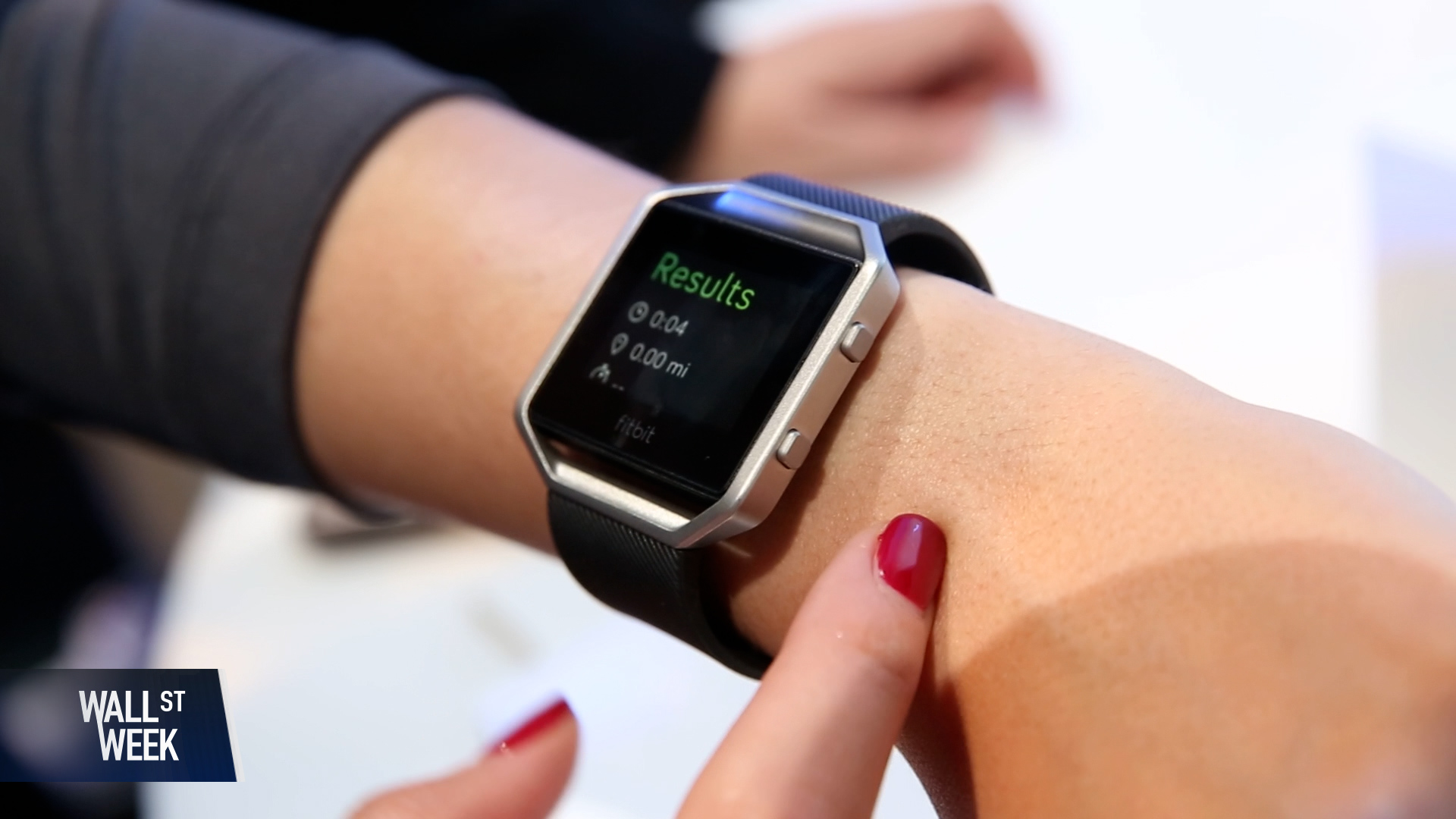
Credit: www.bloomberg.com
Frequently Asked Questions
Do Wearable Fitness Devices Improve Health Effectively?
Wearable fitness devices track activity, heart rate, and sleep. They motivate users to stay active and make healthier choices. However, effectiveness depends on consistent use and lifestyle changes. Alone, they don’t guarantee better health but serve as helpful tools for awareness and improvement.
Can Fitness Trackers Motivate Long-term Healthy Habits?
Yes, fitness trackers encourage goal setting and progress monitoring. They provide real-time feedback, boosting motivation and accountability. Over time, this can help users develop consistent exercise and healthier habits. However, sustained motivation varies by individual and requires personal commitment beyond device alerts.
Are Wearable Fitness Devices Accurate For Health Monitoring?
Wearables provide reasonably accurate estimates of steps, heart rate, and calories. Accuracy can vary by brand, sensor quality, and usage. They are useful for general trends but not for medical diagnosis. Users should interpret data as guidance, not absolute medical information.
How Do Wearables Affect Mental Health And Wellbeing?
Wearables can reduce stress by promoting physical activity and better sleep. They also increase mindfulness through health tracking and reminders. However, over-reliance or obsession with data may cause anxiety in some users. Balance and healthy usage are key for positive mental health impact.
Conclusion
Wearable fitness technology can boost our health awareness. It tracks our steps, heart rate, and more. These devices encourage regular movement. They remind us to stay active. Some people find motivation through them. Others enjoy seeing their progress. Wearables can be helpful tools.
But they don’t replace good habits. Eating well and exercising regularly matter most. Balance is key. Technology supports, but doesn’t do the work. Use it wisely and stay healthy.
Leave a Reply