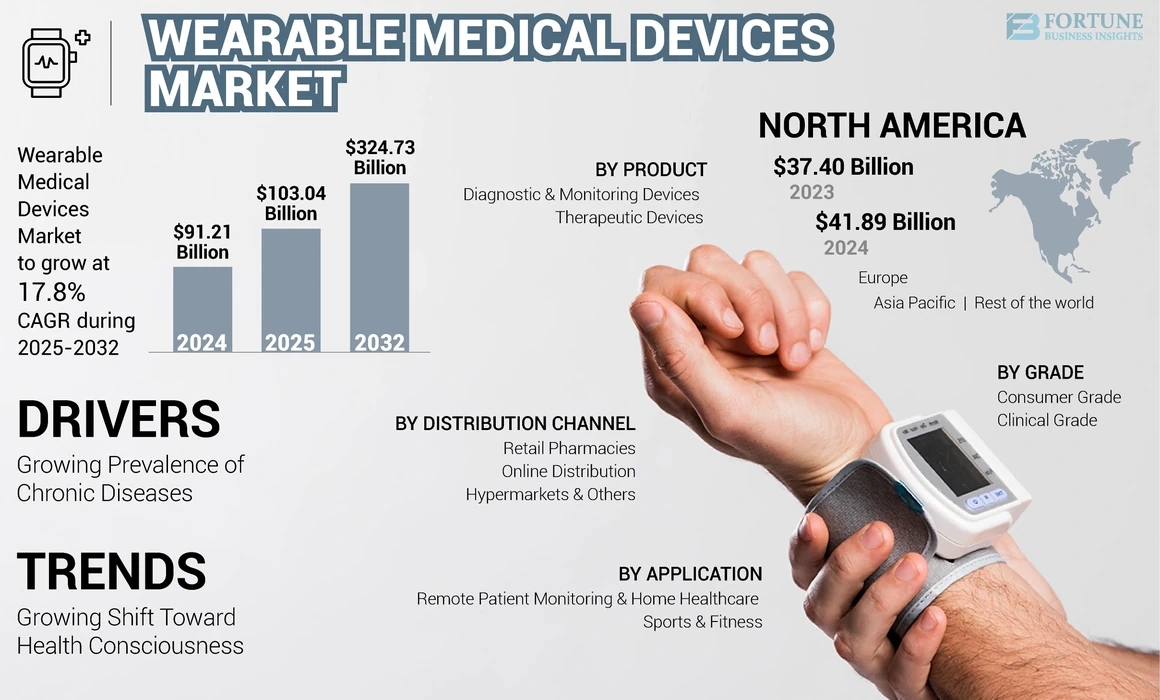
Have you ever wondered just how popular wearable technology really is? From fitness trackers to smartwatches, these devices are everywhere, changing the way you live, work, and stay healthy.
But what makes them so appealing to millions of people like you? This article will take you through the rise of wearable tech, reveal surprising facts about its use, and show why it might be the perfect addition to your daily routine.
Keep reading to discover how wearable technology is shaping your world right now.
Growth Of Wearable Tech
The growth of wearable technology has been nothing short of remarkable over the past decade. What started as simple fitness trackers have evolved into sophisticated devices that monitor health, enhance communication, and even support entertainment. This rapid development has reshaped how you interact with technology daily, making wearables a key part of modern life.
Market Expansion Trends
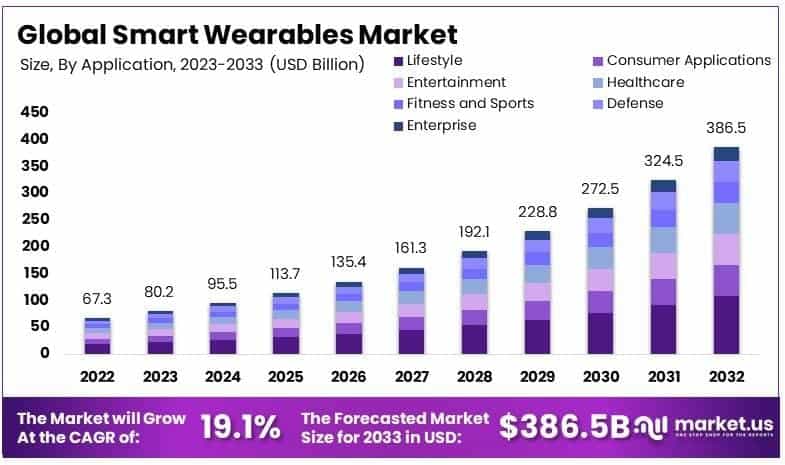
The wearable tech market continues to expand at a fast pace, driven by innovation and increasing consumer interest. Sales figures show a steady rise, with smartwatches and wireless earbuds leading the charge. New categories like smart glasses and health-focused wearables are emerging, pushing the boundaries of what these devices can do.
Manufacturers are also exploring untapped markets, such as healthcare and sports, which promise more growth opportunities. Have you noticed more people around you wearing different types of smart devices? This trend reflects the widening appeal and usefulness of wearables beyond just fitness tracking.
Consumer Adoption Rates
Consumers are adopting wearable technology faster than many expected. A significant number of users now rely on these devices not only for convenience but also for managing their health. Data shows that younger generations are the primary adopters, but older adults are quickly catching up as well.
What motivates you to choose one wearable over another? Factors like ease of use, battery life, and compatibility with other devices play a big role in adoption. Understanding these preferences can help you make smarter choices when selecting your next wearable.
Key Industry Players
Several companies dominate the wearable tech space, each bringing unique strengths to the table. Apple, Fitbit, Samsung, and Garmin are among the most recognized brands, consistently launching new products with advanced features. Their competition drives constant improvements, benefiting you as a user.
Smaller players and startups also contribute by introducing niche products tailored to specific needs, such as sleep tracking or stress management. This diversity means you have more options than ever to find a wearable that fits your lifestyle perfectly.
Credit: www.idtechex.com
Popular Types Of Wearables
Wearable technology has grown far beyond simple gadgets. Today, these devices are part of daily life, offering convenience, health insights, and new ways to interact with the world. Understanding the popular types of wearables helps you choose what fits your lifestyle and needs best.
Smartwatches And Fitness Trackers
Smartwatches and fitness trackers remain the most popular wearables. They do more than just tell time or count steps—they track heart rate, sleep patterns, and even stress levels.
You can receive calls, messages, and notifications right on your wrist, making it easier to stay connected without pulling out your phone. Imagine going for a run and seeing your pace and calories burned in real time—how motivating would that be?
Health Monitoring Devices
Health monitoring devices have gained attention for managing chronic conditions and improving wellness. Devices like continuous glucose monitors or blood pressure monitors provide real-time data to help you make better health decisions.
Using these wearables can reduce frequent doctor visits and give you control over your health. Have you ever considered how instant health feedback might change your daily habits?
Augmented Reality Glasses
Augmented reality (AR) glasses are transforming how you interact with digital information and the environment. They overlay data or visuals onto the real world, enhancing activities like navigation, gaming, or even remote work collaboration.
Though less common than smartwatches, AR glasses are becoming more accessible. What would you do if your glasses could show directions or translate signs instantly as you walk down the street?
Factors Driving Popularity
Understanding what makes wearable technology so popular helps you see why it’s becoming part of everyday life. Several key factors push its demand higher, making these devices more than just gadgets—they become personal assistants, health coaches, and smart companions. Let’s look at what drives this growing interest.
Technological Advancements
Wearable devices have improved dramatically thanks to faster processors, better sensors, and longer battery life. These upgrades mean you get real-time data that’s more accurate and useful without bulky equipment.
Think about how smartwatches now track your heart rate, sleep patterns, and even blood oxygen levels. These features weren’t common a few years ago, but today they are standard, making the technology more appealing and practical for daily use.
Health And Fitness Awareness
More people are focusing on their health, and wearable tech fits perfectly into that mindset. It offers a simple way to monitor fitness goals, encourage movement, and catch potential health issues early.
If you’ve ever used a fitness tracker, you know how seeing your step count or workout stats motivates you to keep going. This personal feedback loop turns wearable technology into a powerful tool for maintaining a healthier lifestyle.
Integration With Smartphones
Wearables work best when connected to smartphones, creating a seamless experience for users. Notifications, music control, and easy access to apps make wearing these devices convenient and fun.
Imagine getting a call or message alert right on your wrist while you’re in a meeting or out for a run. This integration keeps you connected without constantly checking your phone, which many users find extremely valuable.
Demographics Of Users
Understanding who uses wearable technology helps you see its true impact. Different groups adopt wearables for unique reasons, shaping the market and technology development. Let’s look closely at the age groups, locations, and user types that drive wearable tech popularity.
Age Groups Embracing Wearables
Young adults, especially those aged 18 to 34, are the biggest fans of wearable technology. They use fitness trackers and smartwatches to stay connected and monitor health. Interestingly, people over 50 are catching up fast, using wearables to manage chronic conditions and track daily activity.
Have you noticed older family members using smartwatches or health monitors? Their growing adoption shows wearables are not just a young person’s gadget anymore. This shift could change how healthcare and wellness industries approach all age groups.
Geographical Adoption Patterns
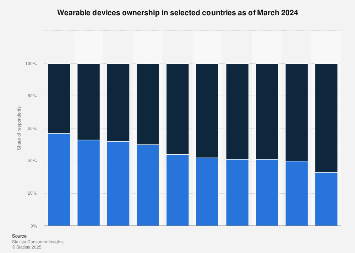
Wearable technology is more common in urban areas and developed countries, where tech infrastructure is strong. North America and Europe lead in adoption, with Asia showing rapid growth thanks to rising incomes and tech interest.
However, rural regions face challenges like limited internet access and higher costs, slowing wearable adoption. Could expanding network coverage and lowering prices bring these benefits to more people worldwide? The potential is huge if these barriers are overcome.
Professional Vs Casual Users
Professionals use wearables to boost productivity, track wellness, and even monitor safety on the job. For example, athletes rely on advanced wearables to optimize training, while office workers use smartwatches to manage schedules and reduce stress.
Casual users, on the other hand, enjoy wearables mainly for fitness tracking and daily convenience. Whether you’re a professional or just starting to explore wearables, understanding your needs helps you pick the right device. What features matter most to you?
Challenges And Limitations
Wearable technology has grown fast and gained many users worldwide. Despite its popularity, it faces some challenges and limits. These issues affect how people use and trust these devices daily. Understanding these problems helps users make better choices.
Privacy And Security Concerns
Wearables collect personal data like health and location. This data is sensitive and needs strong protection. Many devices lack robust security measures. Hackers can access private information. Users worry about who sees their data. Companies must improve encryption and privacy policies. Clear rules help users feel safer.
Battery Life And Durability
Most wearables need frequent charging. Short battery life limits continuous use. Users often forget to charge devices. Durability is another issue. Wearables face daily wear and tear. Some break easily from drops or water. Stronger materials and longer battery life are essential. This improves user experience and trust.
Cost And Accessibility
Wearable devices can be expensive. High prices stop many people from buying them. Low-income users miss out on benefits. Accessibility also depends on technology skills. Some find wearables hard to set up or use. Affordable prices and simple designs help more users. This expands the reach of wearable technology.
Credit: www.statista.com
Future Trends
The future of wearable technology is shaping up to be incredibly exciting and full of possibilities. As you look ahead, it’s clear that wearables will become even more integrated into daily life, offering smarter features and broader applications. What trends should you watch for that could change how you interact with technology?
Innovations On The Horizon
New materials and designs are making wearables lighter and more comfortable. Expect devices that blend seamlessly with your clothing or even your skin.
Battery life is improving, so you won’t need to charge as often. Plus, advancements in sensors will allow wearables to track more detailed health and activity data.
Imagine a smartwatch that can analyze your stress levels in real-time and suggest breathing exercises instantly. How would that change your day-to-day well-being?
Wearables In Healthcare
Healthcare is one of the fastest-growing areas for wearables. Devices now monitor heart rate, sleep quality, blood oxygen, and even detect early signs of illness.
Doctors can receive continuous data from patients, enabling faster and more accurate diagnoses. This means you could get personalized care without frequent hospital visits.
Think about the convenience of a wearable alerting you about a potential health issue before symptoms appear. Would you trust technology to help manage your health this closely?
Expanding Use Cases
Wearables are moving beyond fitness and health. They’re entering workspaces, education, and entertainment.
- In workplaces, wearables can improve safety by detecting fatigue or hazardous conditions.
- Students can use augmented reality glasses to interact with virtual lessons.
- Gamers might wear haptic suits that enhance immersive experiences.
How would adding wearable tech to your daily routine change your productivity or learning? Could these devices become essential tools rather than just gadgets?
Credit: market.us
Frequently Asked Questions
How Widespread Is Wearable Technology Usage Today?
Wearable technology is widely adopted globally, with millions using devices daily. Fitness trackers and smartwatches lead in popularity. Its use spans health monitoring, communication, and entertainment, making it a common tech trend.
What Are The Top Wearable Devices People Use?
Smartwatches, fitness bands, and smart glasses are top wearable devices. These gadgets offer health tracking, notifications, and augmented reality features. Their convenience and multifunctionality drive their popularity among diverse user groups.
How Does Wearable Technology Impact Health Monitoring?
Wearables provide real-time health data, helping users track fitness and vital signs. They enable early detection of health issues and encourage healthier lifestyles. This improves personal health management and supports medical professionals.
Why Is Wearable Technology Growing Rapidly?
The growth is driven by technological advances, decreasing costs, and rising health awareness. Wearables offer convenience and personalized data, attracting consumers. Integration with smartphones and apps also boosts their popularity.
Conclusion
Wearable technology is becoming more popular each day. People love its convenience. It helps track health and fitness easily. Wearables make life simpler and more connected. Many find it useful for daily tasks. New innovations keep emerging in this space.
The future looks promising for wearables. As demand grows, options will expand. More people will embrace this tech. Wearables are here to stay. They blend seamlessly into everyday life. A trend that’s only growing stronger.
Leave a Reply