Have you ever wondered if wearing health technology should be more than just a choice? Imagine having a simple device that watches over your heart, tracks your sleep, or alerts you before a health problem becomes serious.
What if this little tool could save your life or help you stay healthier every day? You’ll discover the surprising benefits and possible downsides of making wearable health tech a requirement. By the end, you’ll know whether these devices should be a must-have for everyone—including you.
Keep reading to find out how this technology could change the way you take care of your health forever.

Credit: healthjournalism.org
Rise Of Wearable Health Devices
Wearable health devices have grown quickly in recent years. More people use them to track health and fitness daily. These gadgets offer real-time data and personal insights. They help users stay aware of their heart rate, sleep, and activity levels. This rise brings new questions about making wearables a health requirement.
Popular Types Of Wearables
- Smartwatches – Track steps, heart rate, and notifications.
- Fitness trackers – Monitor workouts and calories burned.
- Heart rate monitors – Provide detailed pulse information.
- Sleep trackers – Analyze sleep quality and patterns.
- Blood pressure monitors – Measure and record blood pressure.
- Glucose monitors – Help manage diabetes through blood sugar data.
Growth In User Adoption
More people use wearable health devices every year. Affordable prices make these gadgets accessible to many. Easy setup and simple apps help users understand their health. Fitness and health concerns drive many to try wearables. Doctors and experts also recommend these tools. This growth signals a strong shift in health habits worldwide.
Impact On Personal Health
The impact of wearable health technology on personal health is becoming more significant every day. These devices offer a direct connection to your body’s signals, allowing you to make smarter health decisions. But how much difference can they really make in your daily life?
Real-time Monitoring Benefits
Wearables track your heart rate, sleep patterns, and activity levels continuously. This constant monitoring helps catch potential issues early, sometimes before you even notice symptoms. Imagine receiving an alert about irregular heartbeats or unusually low oxygen levels; such insights could prompt timely medical advice and prevent serious problems.
You get instant feedback on how your body responds to stress, exercise, or changes in routine. This real-time data encourages you to adjust your habits immediately, rather than waiting for a doctor’s visit. Could having this kind of immediate information change the way you approach your health?
Encouraging Healthy Habits
Wearables don’t just collect data—they motivate you to move more, sleep better, and eat healthier. Many devices include reminders to stand up, drink water, or take deep breaths, turning small actions into daily habits. When you see your progress visually tracked, it becomes easier to stay committed.
For example, if you notice your step count drops on certain days, you might decide to take a walk during lunch. Or, seeing consistent improvements in sleep quality could encourage you to maintain a bedtime routine. How much more could you achieve if your health goals were constantly supported by your technology?
Benefits For Healthcare Providers
Wearable health technology offers clear benefits for healthcare providers. It helps doctors and nurses deliver better care and save time. These devices give access to vital health data and spot health issues early. The result is improved patient outcomes and smoother workflows.
Improved Patient Data Access
Wearable devices collect health data continuously. Providers get real-time updates on heart rate, activity, and sleep patterns. This constant flow of information helps track patient health without frequent visits. Electronic health records integrate wearable data for easy review. Doctors can make faster, informed decisions based on accurate data. It also reduces errors from patient memory or manual entry.
Early Detection And Prevention
Wearables alert providers to unusual signs quickly. Early warnings can detect problems like irregular heartbeats or low oxygen levels. Providers can act before symptoms worsen or emergencies occur. This helps prevent hospital stays and costly treatments. Preventive care becomes easier and more effective. Patients stay healthier with timely interventions from their care teams.

Credit: www.jacc.org
Workplace And Insurance Advantages
Wearable health technology offers clear advantages for both workplaces and insurance providers. It supports healthier habits and provides data that can lead to smarter decisions. But should it be a must-have? Let’s look closely at how these devices can change your work environment and insurance expenses.
Enhancing Employee Wellness
Wearables help employees track their physical activity, sleep patterns, and stress levels. This real-time information encourages healthier choices throughout the day. Imagine your team getting gentle reminders to stand up or take deep breaths during busy hours.
Companies that promote this kind of wellness often see less absenteeism and higher productivity. Employees feel cared for, which boosts morale. Could this simple tech improve your day-to-day work life?
Potential For Reduced Insurance Costs
Insurance companies use wearable data to assess risk more accurately. When you consistently show healthy behaviors, insurers might offer lower premiums. This means saving money just for taking care of yourself.
Some insurers even provide rewards or discounts for meeting fitness goals tracked by wearables. However, privacy concerns about sharing health data remain a key question. Are you comfortable exchanging personal health info for potential savings?
Privacy And Ethical Concerns
Wearable health technology collects a large amount of personal data. This raises serious privacy and ethical concerns. Users may worry about who accesses their information and how it is used. Protecting this data is crucial to maintain trust and safety.
Data Security Risks
Health devices store sensitive information. This makes them targets for hackers. Breaches can expose personal details like heart rate, location, or medical conditions. Weak security can lead to identity theft or misuse of data. Strong encryption and regular updates are needed to protect users.
Consent And User Control
Users must understand what data is collected and why. Clear consent is essential before tracking begins. People should control how their information is shared and used. Options to delete or limit data must be easy to find. Respecting user choice helps avoid ethical problems.
Challenges Of Mandatory Adoption
Making wearable health technology mandatory might sound like a straightforward way to improve public health, but it comes with significant challenges. These hurdles can affect who benefits from the technology and how effectively it’s used. Understanding these challenges is crucial before deciding if mandatory adoption is the right path.
Cost And Accessibility Issues
Wearable health devices often carry a high price tag, making them unaffordable for many people. If you imagine asking everyone to wear these gadgets, what about those on tight budgets or living in areas with limited technology access?
Even when the devices are available, not everyone has the same internet connectivity or smartphone compatibility needed to fully use them. This gap can create inequality, where only certain groups benefit while others fall behind.
Would forcing adoption widen the health gap instead of closing it? It’s a question worth considering before making these devices compulsory.
User Compliance And Resistance
Getting people to wear health trackers isn’t just about handing out devices—it’s about changing habits. Many people feel uncomfortable with continuous monitoring or worry about privacy. If you’ve ever resisted a new fitness app, you know how easy it is to ignore or abandon tech that feels intrusive.
Resistance can also come from mistrust. If users don’t believe the technology will truly help or fear their data might be misused, they won’t comply willingly. How can mandatory adoption work if users reject the technology outright?
Successful health tech needs willing users, not just passive recipients. Without user buy-in, mandatory policies might face pushback that reduces their effectiveness.
Future Trends In Wearable Health Tech
The future of wearable health technology is unfolding rapidly, promising to change how you monitor and manage your well-being. New features will soon offer more precise data and smarter insights, making these devices an even more integral part of daily life. Understanding these trends can help you decide if wearable tech should be a must-have for everyone.
Advances In Sensor Technology
Sensors in wearable devices are becoming smaller, more accurate, and capable of tracking a wider range of health metrics. Imagine a watch that not only tracks your heart rate but also monitors blood glucose or hydration levels without needing a finger prick.
These sensors will soon detect early signs of illness or stress before symptoms appear, giving you a head start on care. This progress means your wearable can serve as an early warning system for your health, not just a fitness tracker.
Integration With Ai And Big Data
Wearables will increasingly connect with artificial intelligence and vast health databases to provide personalized advice. Instead of generic alerts, your device will analyze patterns in your data and compare them with millions of others to spot unique health risks.
Think about how your wearable could suggest lifestyle changes or medical checkups tailored specifically for you. Wouldn’t it be powerful to have a health coach in your wrist that learns and adapts to your body over time?
Balancing Benefits And Risks
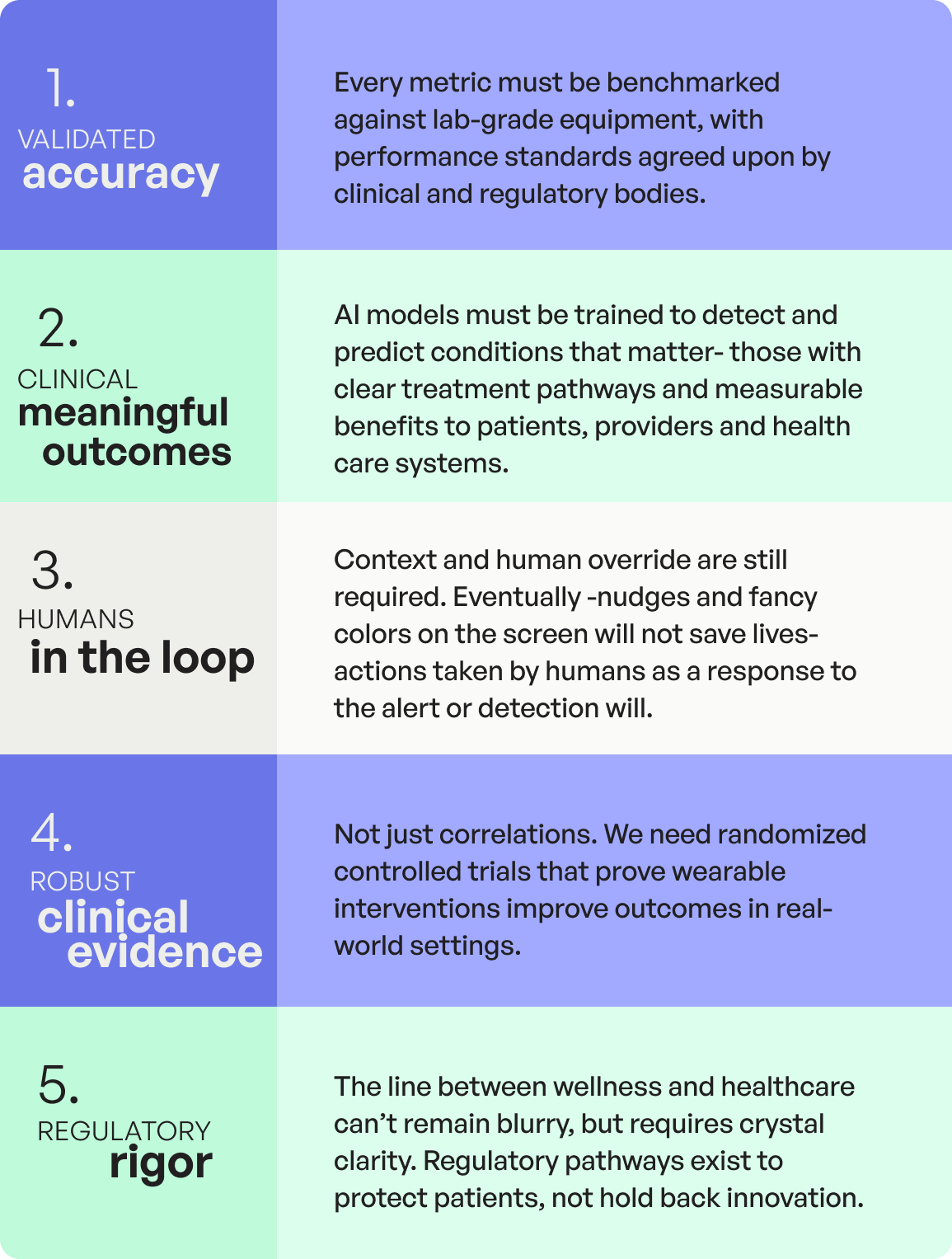
Wearable health technology offers clear benefits like real-time health tracking and early warning signs for medical issues. But these benefits come with risks such as privacy concerns and potential overreliance on devices. Balancing these pros and cons is key if wearables become a requirement for health monitoring.
Creating Supportive Policies
Policies should protect your data while encouraging the use of wearable tech. Clear rules on who can access your health information and how it’s used help build trust. Without these, you might hesitate to share sensitive data, which defeats the purpose of wearables.
Governments and organizations can set standards for device accuracy and security. This ensures the information you get is reliable and safe from hacks. Imagine relying on a device that gives false health alerts—policies can prevent that.
Empowering User Choice
You should have control over whether to use wearable health devices and how your data is shared. Mandating wearables without opt-out options can feel intrusive. Providing choices respects your personal comfort and promotes genuine engagement.
Offering education on how wearables work and their benefits helps you make informed decisions. When you understand what data is collected and why, you’re more likely to use the technology effectively. What would make you feel comfortable sharing your health data?
Credit: www.digitalhealthinsider.org
Frequently Asked Questions
What Are The Benefits Of Wearable Health Technology?
Wearable health devices track vital signs and fitness data continuously. They promote early detection of health issues and encourage healthier lifestyles. This technology also improves personalized care and supports remote monitoring by healthcare providers.
Should Employers Mandate Wearable Health Devices?
Mandating wearables can boost employee wellness and reduce healthcare costs. However, privacy concerns and data security must be addressed before enforcing such policies. Voluntary use with incentives is often more effective and accepted.
How Do Wearables Impact Healthcare Costs?
Wearable technology can lower healthcare expenses by preventing chronic diseases. Early diagnosis and continuous monitoring reduce hospital visits and emergency care. This leads to more efficient resource use and cost savings for both patients and providers.
Are Wearable Health Devices Accurate And Reliable?
Most modern wearables offer reasonably accurate health data for everyday use. However, they are not substitutes for professional medical equipment. Users should verify critical health information with healthcare professionals.
Conclusion
Wearable health technology offers many benefits. It tracks fitness and monitors health. But should it be a requirement? That depends on personal choice and privacy concerns. Some people value their health data security. Others find motivation in constant health tracking.
Each person has unique needs and preferences. Health technology should support, not dictate, our lives. Balance is key. It’s important to weigh pros and cons. Think about your own comfort and health goals. Make informed decisions that suit you best.
Remember, technology is a tool, not a necessity. Choose wisely and prioritize your well-being.
Leave a Reply