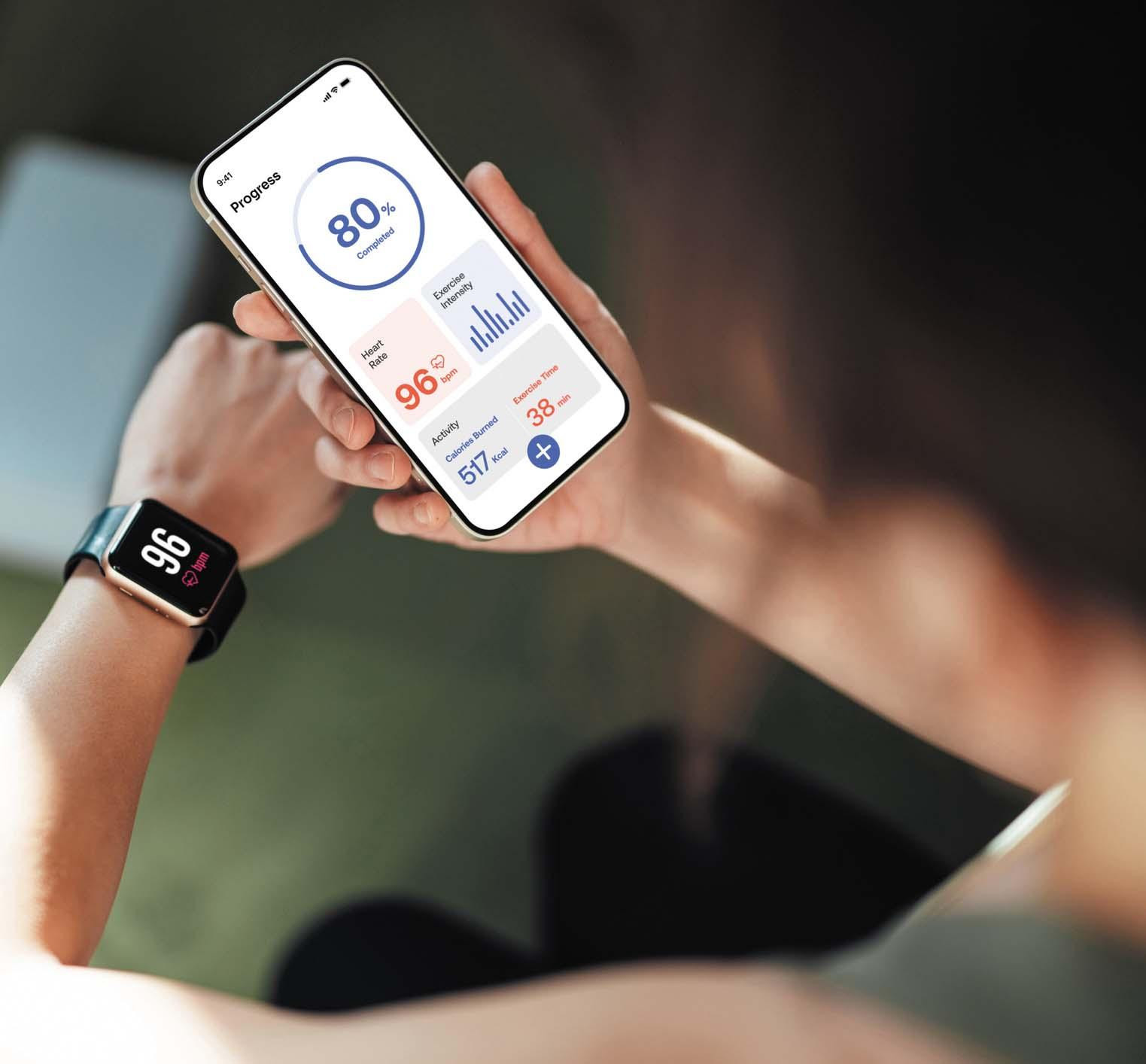
Have you ever wondered how some people seem to track every step, heartbeat, and calorie with ease? That’s the power of wearable technology in fitness.
These smart devices are designed to help you understand your body better and reach your health goals faster. Imagine having a personal coach on your wrist, guiding you every day. Curious to know how this technology works and how it can change your fitness routine?
Keep reading, because what you discover might just transform the way you move and feel.
Credit: medium.com
Wearable Tech Types
Wearable technology in fitness comes in various forms, each designed to help you track, improve, and enjoy your workouts more effectively. Understanding the different types can help you choose the right device that fits your lifestyle and fitness goals. Let’s look at some popular wearable tech types that you might already have seen or used.
Fitness Trackers
Fitness trackers are small devices usually worn on the wrist. They count your steps, monitor your sleep, and track calories burned throughout the day. I’ve found that simply seeing my daily step count motivates me to take the stairs instead of the elevator.
Many models also offer goal setting and reminders to move, which can be a real game changer if you spend a lot of time sitting. Are you aware of how many steps you actually take daily?
Smartwatches
Smartwatches combine fitness tracking with smartphone features like calls, messages, and apps. They give you more control without needing to pull out your phone during workouts. I love how my smartwatch lets me control music and check notifications while on a run, keeping me focused and hands-free.
Besides tracking activity, they often provide guided workouts and GPS tracking for outdoor activities. Could having all these functions on your wrist simplify your fitness routine?
Heart Rate Monitors
Heart rate monitors measure your pulse in real-time to help you stay in the right training zone. Chest straps are very accurate, while wrist-based monitors offer convenience. Using one helped me realize when I was pushing too hard or not enough during cardio sessions.
They provide valuable feedback for improving endurance and recovery. Do you know your ideal heart rate zones for fat burning or peak performance?
Smart Clothing
Smart clothing integrates sensors directly into fabric to track muscle activity, movement, and even posture. These garments give detailed insights without the need for extra devices. Wearing smart compression shirts, I noticed better muscle awareness and improved my form during weightlifting.
This tech is still evolving but offers a seamless way to monitor your body in action. Would you consider wearing fitness gear that actually senses your muscle effort?
Key Features
Wearable technology in fitness comes packed with features that help you stay informed and motivated throughout your health journey. These devices offer more than just step counting—they provide detailed insights that can transform how you approach your workouts and daily habits. Let’s look at some of the key features that make these gadgets essential for your fitness goals.
Activity Tracking
Activity tracking is the core feature of most fitness wearables. It records your steps, distance, calories burned, and active minutes, giving you a clear view of your daily movement.
Imagine noticing that your step count drops on certain days. That simple insight can prompt you to add a quick walk or stretch break to your routine. This feature keeps you accountable and encourages consistent activity.
Health Monitoring
Many fitness wearables now monitor vital health stats such as heart rate, blood oxygen levels, and even stress indicators. These metrics provide real-time feedback on how your body responds during exercise and rest.
Tracking your heart rate zones can help you optimize workouts—knowing when to push harder or when to recover. Have you ever felt unsure if your workout intensity was right? Health monitoring answers that question for you.
Gps And Navigation
Built-in GPS allows you to map your routes and measure pace and distance without needing a phone. This is especially useful for runners, cyclists, and outdoor enthusiasts who want precise location data.
Using GPS can reveal patterns you might miss otherwise, such as which routes boost your speed or how elevation changes affect your effort. Do you track your running routes to find new challenges or improve your performance?
Sleep Analysis
Sleep analysis tracks the quality and duration of your sleep, breaking it down into light, deep, and REM phases. Understanding your sleep patterns can highlight issues like poor rest or irregular schedules.
Good sleep is crucial for recovery and energy. When I started monitoring my sleep, I realized late-night screen time was sabotaging my rest, prompting me to change habits that improved my workouts significantly.
Benefits For Workouts
Wearable technology has transformed the way you approach workouts. It offers benefits that go beyond just tracking steps or calories. These devices give you real-time insights and tailored support, helping you get more from every session.
Real-time Feedback
Getting instant feedback during your workout can change how you train. Wearables provide live data on heart rate, pace, and form, so you can adjust immediately. This helps prevent injury and keeps you in the optimal zone for your fitness goals.
I once wore a fitness tracker that alerted me when my heart rate was too high during a run. Adjusting my pace on the spot made the session safer and more effective. Can you imagine how much better your workouts could be with this kind of guidance?
Motivation And Goals
Wearables keep your motivation alive by setting and tracking achievable goals. They celebrate your progress, whether it’s hitting a daily step count or reaching a new personal record. This constant encouragement pushes you to stay consistent and committed.
You might find yourself wanting to beat yesterday’s stats or complete one more rep just because your device nudges you. What small goal could you set today that your wearable could help you crush?
Personalized Training
Not all workouts suit everyone, and wearable tech recognizes that. It collects data specific to your body and activity patterns, then offers customized workout plans. This means your training fits your needs rather than a generic routine.
After using a wearable, many users notice workouts become more enjoyable and effective. Have you ever followed a fitness plan that felt out of sync with your abilities? Your wearable can change that experience.
Performance Improvement
Tracking progress over time reveals what works and what doesn’t. Wearables store your data, making it easy to spot trends and areas for improvement. This insight helps you fine-tune your workouts for better results.
For example, noticing a drop in endurance or strength can prompt you to adjust your routine before hitting a plateau. How often do you review your workout progress and make changes accordingly?
Credit: medium.com
Integration With Apps
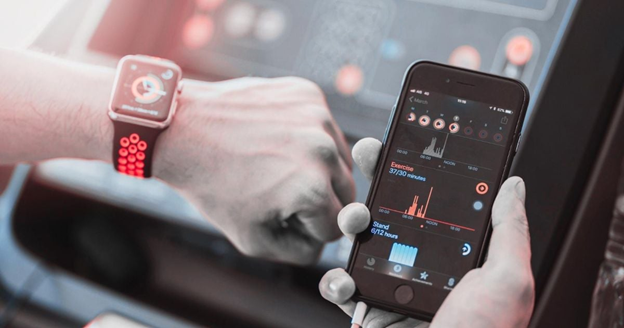
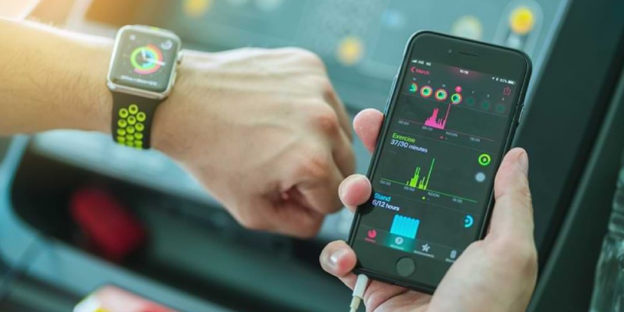
Wearable technology in fitness becomes truly powerful when it connects seamlessly with apps. This integration transforms raw data into meaningful insights, making your fitness journey clearer and more manageable. Apps act as your personal coach, helping you track, analyze, and improve your workouts over time.
Data Syncing
Your wearable device collects a lot of information—heart rate, steps, calories burned, and more. Syncing this data with an app ensures everything is stored in one place, updated in real-time. Have you ever missed tracking a workout because you forgot to record it manually? Syncing removes that hassle, letting you focus on your exercise instead of data entry.
Progress Reports
Apps turn your daily activity into clear progress reports. These summaries show trends, highlight improvements, and reveal areas needing attention. Seeing your progress visually can motivate you to push harder or adjust your routine when results plateau. What if you could spot a dip in performance before it affects your goals?
Social Sharing
Many fitness apps let you share achievements with friends or fitness communities. This feature adds a layer of accountability and encouragement. When you post a new personal best or complete a challenging workout, the positive feedback can boost your motivation. Could sharing your journey inspire someone else to get moving?
Workout Planning
Apps often include tools to plan workouts tailored to your goals and fitness level. They suggest exercises, set reminders, and adjust difficulty as you improve. This personalized planning saves you from guesswork and helps keep your routine fresh. How much easier would it be to stick with fitness if your next workout was just a tap away?
Choosing The Right Device
Choosing the right wearable technology for your fitness journey can feel overwhelming. There are many options, each with different features and specifications. Focusing on the key factors below will help you find a device that fits your lifestyle and workout habits perfectly.
Compatibility
Check if the device works well with your smartphone or other gadgets. Some wearables sync only with specific operating systems like iOS or Android. You don’t want to buy a tracker that won’t connect smoothly with your apps or fitness platforms.
Also, consider if the device supports third-party apps you already use. This can enhance your experience by allowing better data sharing and tracking. Think about how you want to access your fitness data daily.
Battery Life
Battery life varies widely across devices. Some last just a day, while others can go for weeks without charging. If you prefer minimal interruptions, choose a device with longer battery life.
Remember, frequent charging can disrupt your routine and lead to missed data. Ask yourself how often you are willing to charge your wearable and how important continuous tracking is to you.
Comfort And Design
You’ll wear your fitness device for hours, so comfort matters. Look for lightweight models with adjustable bands that fit your wrist well. A bulky or heavy device can be distracting during workouts.
Design also affects how often you’ll want to wear it outside the gym. Some devices look sporty, while others are sleek enough for everyday wear. Pick a style that matches your personality and daily activities.
Price Range
Wearable technology comes at various price points. More expensive models usually offer advanced features like GPS, heart rate monitoring, or music storage. However, basic devices can still track essential metrics like steps and calories.
Set a budget before shopping and decide which features you can’t live without. Sometimes, a mid-range device offers the best balance between cost and functionality. Are you paying for features you will actually use?
Future Trends
The future of wearable technology in fitness promises smarter, more personalized experiences. Innovations aim to improve how users track health and exercise. Technology will become more intuitive and responsive to individual needs. These trends will make fitness tools more helpful and accessible.
Ai And Machine Learning
AI helps wearables learn from user habits and data. It can suggest better workout plans based on progress. Machine learning adapts to changing fitness levels over time. This creates a more personalized fitness experience for everyone.
Advanced Sensors
New sensors will measure more health indicators accurately. They will track heart rate, oxygen levels, and muscle activity. These sensors provide deeper insights into body performance. Users get better data to improve workouts and health.
Enhanced Connectivity
Wearables will connect seamlessly with other devices and apps. This allows users to sync data across platforms easily. Enhanced connectivity supports real-time feedback and social sharing. It creates a more integrated fitness ecosystem for users.
Virtual Coaching
Virtual coaches will guide workouts and offer motivation remotely. They use data from wearables to give real-time advice. This feature helps users stay on track with their goals. Virtual coaching brings expert support anytime and anywhere.

Credit: www.truvefit.com
Frequently Asked Questions
What Is Wearable Fitness Technology?
Wearable fitness technology includes devices like smartwatches and fitness trackers. These gadgets monitor activities like steps, heart rate, and sleep patterns. They offer real-time data to help users achieve fitness goals. Popular brands include Fitbit, Garmin, and Apple Watch, providing personalized insights and motivation.
How Do Fitness Wearables Track Health Metrics?
Fitness wearables use sensors to monitor physical activities and health metrics. They track steps, heart rate, calories burned, and sleep quality. These devices sync with apps to provide detailed insights. The data helps users understand their fitness levels and improve their health routines.
Are Wearable Fitness Devices Accurate?
Wearable fitness devices are generally accurate but can have minor discrepancies. Factors like device quality, sensor type, and placement affect accuracy. They provide reliable data for general fitness tracking. Regular calibration and updates can enhance accuracy, helping users make informed health decisions.
Do Wearables Improve Fitness Motivation?
Yes, wearables can boost fitness motivation. They offer real-time feedback and track progress towards fitness goals. Features like reminders, achievements, and social sharing encourage users to stay active. Personalized insights help users stay motivated and maintain a consistent fitness routine.
Conclusion
Wearable technology helps track fitness and health easily. It gives quick feedback to improve workouts. Many devices measure steps, heart rate, and sleep quality. Users stay motivated by seeing real progress. These tools fit well into daily routines. They support better habits and fitness goals.
Choosing the right wearable depends on personal needs. Technology in fitness grows with new features often. Staying active and healthy becomes simpler with wearables. They offer a smart way to understand your body.
Leave a Reply