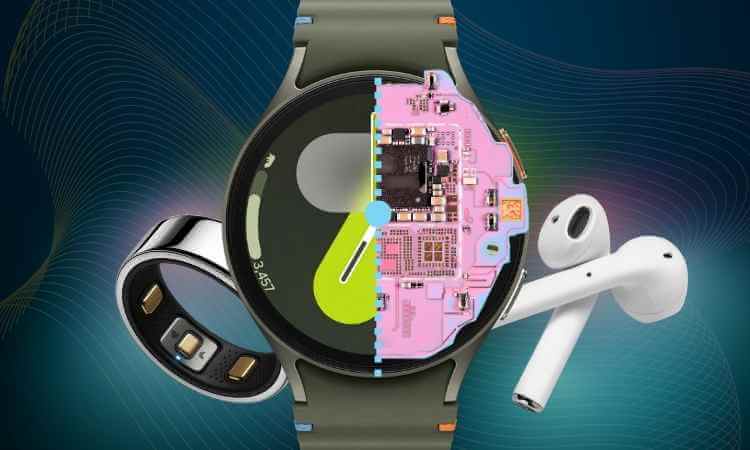
Are you curious about how wearable technology is changing the way you live, work, and stay healthy? Wearables are no longer just simple fitness trackers.
They are becoming smarter, more stylish, and packed with features that can make your daily life easier and more connected. Imagine having a device that not only tells time but also monitors your health, boosts your productivity, and even keeps you safe.
If you want to stay ahead and make the most of these powerful tools, you need to know the latest trends shaping wearable technology right now. Keep reading, and discover how these innovations can transform your world.
Credit: www.idtechex.com
Smart Fabrics And E-textiles
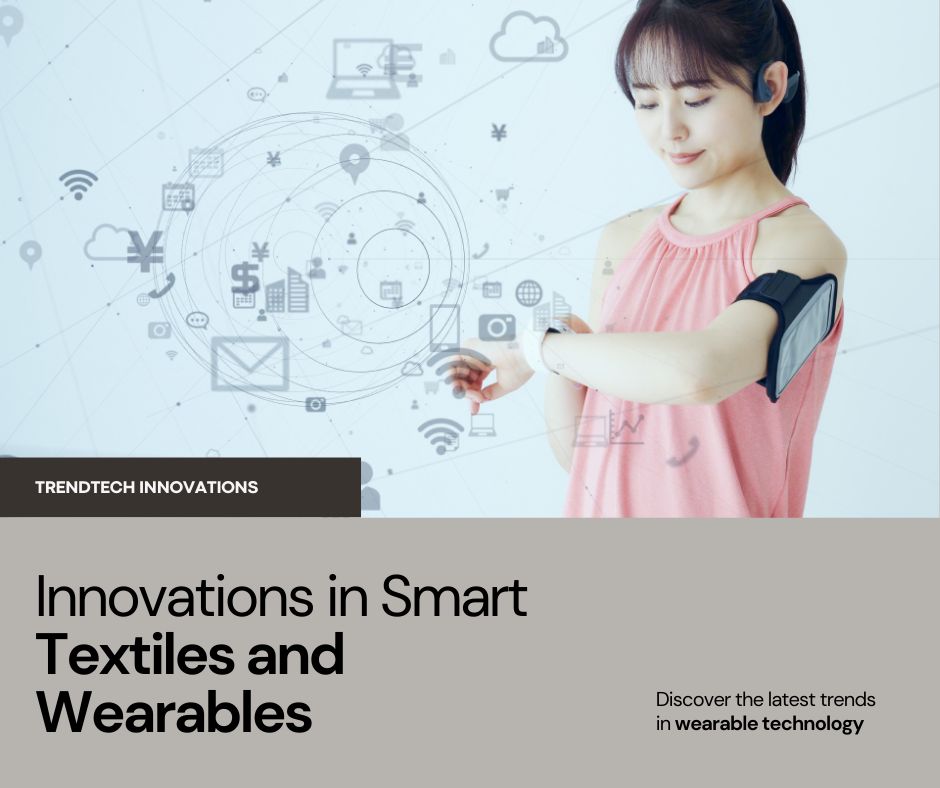
Smart fabrics and e-textiles are changing wearable technology rapidly. These materials mix technology with everyday clothing. They offer new ways to track health and improve comfort. This innovation makes clothing smarter without losing style. The future of wearables looks woven into the fabric itself.
Integration Of Sensors In Clothing
Sensors are now part of the fabric. They can measure temperature, movement, and moisture. These tiny sensors are lightweight and flexible. They do not affect how clothes feel. Data collected helps users understand their body better. Clothes become tools for daily monitoring.
Health Monitoring Through Fabrics
Smart fabrics track vital signs like heart rate and breathing. They send real-time data to smartphones or other devices. This helps detect health problems early. Athletes use these clothes to improve performance safely. Patients benefit from continuous, non-invasive monitoring.
Fashion Meets Functionality
Designers blend style with technology in smart fabrics. Clothes look trendy and work hard for the wearer. Materials come in different colors and textures. Users enjoy comfort while gaining useful features. This trend makes wearable tech more popular and accessible.
Advanced Health Tracking
Advanced health tracking is transforming how you manage your well-being daily. Wearable technology now offers deeper insights into your body’s functions, helping you make smarter health decisions. These devices don’t just count steps anymore; they provide real-time data that can alert you to potential issues before they become serious.
Continuous Glucose Monitoring
If you or someone you know manages diabetes, continuous glucose monitoring (CGM) can be a game changer. These wearables track blood sugar levels throughout the day without the need for finger pricks. Imagine getting instant alerts when your glucose dips or spikes, allowing you to act fast and avoid complications.
Even if you don’t have diabetes, CGM can offer insights into how your diet and exercise affect your blood sugar. This data can help you optimize your energy levels and overall health.
Mental Health And Stress Sensors
Wearables now measure more than just physical health—they track your mental well-being too. Sensors can monitor heart rate variability and skin conductance to detect stress levels. This means your device can warn you when stress is building up, prompting you to take a break or try relaxation techniques.
Have you noticed how stress sneaks up on you during busy days? With these sensors, you get a heads-up before it affects your mood or productivity. This can be especially helpful if you juggle multiple responsibilities.
Improved Sleep Analysis
Sleep trackers have become much more sophisticated, offering detailed analysis beyond just total hours slept. They now track your sleep stages, breathing patterns, and even detect disruptions like sleep apnea. With this information, you can understand what’s really affecting your rest.
Good sleep is the foundation of good health. By identifying specific issues in your sleep cycle, you can make changes to improve your quality of rest and wake up feeling refreshed. Would you like to wake up with more energy tomorrow?
Augmented Reality Wearables
Augmented reality (AR) wearables are changing how people interact with the world. These devices blend digital content with the real environment. Users see information overlaid on their surroundings through smart glasses or headsets. AR wearables improve daily tasks, work, and entertainment by providing instant data and visuals.
Next-gen Ar Glasses
New AR glasses are lighter and more stylish than before. They use better screens for clearer images and wider views. These glasses connect wirelessly to phones and computers. They allow easy access to messages, maps, and apps without using hands. Battery life is longer, supporting all-day use.
Hands-free Navigation
AR wearables offer hands-free navigation for walking, biking, or driving. Directions appear directly in the user’s view. This reduces distractions and improves safety. Users get alerts about turns, traffic, and points of interest. Voice commands work well with these devices for easy control.
Enhanced Gaming Experiences
AR wearables bring games into the real world. Players interact with digital characters and objects around them. This creates immersive and active gameplay. Multiplayer AR games allow friends to play together in shared spaces. Real-world environments become part of the game’s challenges and fun.
Energy Efficiency And Battery Life
Energy efficiency and battery life remain top priorities in wearable technology. Users demand devices that last longer without frequent charging. Developers focus on new ways to extend battery life while keeping devices small and light. Smart energy use helps wearables work better and stay active for days. Here are some trends shaping the future of energy in wearables.
Solar-powered Wearables
Solar power is becoming popular in wearable devices. Tiny solar panels capture sunlight and convert it into energy. This helps extend battery life during outdoor use. Some smartwatches and fitness bands now include solar cells on their faces. These cells charge the battery while users enjoy the sun. Solar-powered wearables reduce the need for constant charging.
Wireless Charging Innovations
Wireless charging makes powering up wearables easier and faster. New chargers use magnetic alignment to connect devices perfectly. This improves charging speed and efficiency. Some wearables support charging without removing them from wrists. Charging pads can power multiple devices at once. These innovations remove cables and help users stay powered throughout the day.
Low-power Chipsets
Chipset makers design processors that use less power. Low-power chipsets help wearables run longer on small batteries. These chips manage tasks efficiently, reducing energy waste. They also support advanced features like health tracking and notifications. Better chipsets mean users get more done without charging often. This trend improves both performance and battery life in wearables.
Ai Integration And Personalization
AI integration in wearable technology brings a new level of personalization. Devices learn user habits and adjust accordingly. This makes the technology more useful and intuitive. Wearables no longer just collect data; they respond to it actively.
Personalization improves user experience by making devices smarter. Wearables can now adapt to individual needs and preferences. This shift helps users manage health, fitness, and daily tasks more effectively.
Adaptive User Interfaces
Wearable devices now feature adaptive user interfaces. These interfaces change based on user behavior and environment. For example, screens adjust brightness or layout for better readability. Buttons and menus rearrange to prioritize frequent actions. This creates a smoother, more natural interaction with the device.
Predictive Health Insights
AI helps wearables predict health changes before symptoms appear. Devices analyze patterns in heart rate, sleep, and activity levels. They alert users to potential issues early. This allows users to take action sooner. Predictive insights support better health management and prevention.
Voice And Gesture Controls
Voice and gesture controls make using wearables easier and hands-free. Users can give commands or navigate menus without touching the device. AI improves recognition accuracy for different voices and gestures. This technology enhances convenience and accessibility, especially during workouts or busy moments.
Credit: localandglobaleco.com
Wearables For Remote Work And Fitness
Wearables have become essential tools for both remote work and fitness enthusiasts. They help you stay connected, productive, and healthy no matter where you are. The latest devices combine smart technology with practical features designed to fit your busy lifestyle.
Virtual Fitness Coaching
Wearable devices now offer virtual fitness coaching that adapts to your personal goals and performance. These gadgets provide real-time feedback on your form, pace, and heart rate, helping you improve without needing a personal trainer. Imagine getting tailored workout tips right on your wrist or through your earbuds during a run or gym session.
Some apps use AI to create customized routines based on your progress and even suggest recovery tips. Have you tried a wearable that guides you through your workouts? It can make a huge difference in staying motivated and avoiding injuries.
Productivity Boosting Devices
Wearables designed for remote work focus on enhancing your productivity by tracking your work habits and health signals. Smartwatches and rings now monitor your stress levels and remind you to take breaks or do breathing exercises. This helps prevent burnout during long workdays at home.
These devices also allow you to manage notifications, control calls, and access calendars without reaching for your phone. How often do you find yourself distracted by constant alerts? Wearables can streamline your workflow and keep interruptions to a minimum.
Real-time Collaboration Tools
Some wearables integrate real-time collaboration features, making remote teamwork smoother and more efficient. Headsets with noise cancellation and spatial audio improve virtual meetings, letting you focus on conversations without background noise. Others offer quick voice commands to join calls or send messages instantly.
Wearables that display shared notes or project updates directly on the screen can keep you aligned with your team without switching devices. Would having important info at your fingertips during meetings help you stay engaged and responsive?
Privacy And Security Enhancements
Privacy and security have taken center stage in wearable technology. As these devices collect more personal and sensitive data, protecting that information becomes crucial. Enhancements in security measures not only safeguard your data but also build trust in wearable tech.
Data Encryption Methods
Encryption plays a vital role in securing data on wearable devices. Advanced encryption techniques like AES-256 and end-to-end encryption ensure that your information stays unreadable to unauthorized users.
Wearables now often encrypt data both while storing it and during transmission. This double layer of protection helps prevent hackers from intercepting or stealing your details.
Think about your fitness tracker sending health stats to your phone—encryption ensures that only you and authorized apps can access that data. Would you feel comfortable using a device that doesn’t protect your information this way?
User Consent Management
Wearable devices have started giving you more control over your data. User consent management features let you decide what information is shared and with whom.
Many wearables now ask for explicit permission before accessing your location or health metrics. This transparency helps you understand and control your privacy settings easily.
Imagine adjusting your device settings to share only step counts but not your heart rate with third-party apps. It’s empowering to know you control your data, not the other way around.
Biometric Authentication
Biometric authentication adds an extra security layer by using unique traits like fingerprints or facial recognition. This helps prevent unauthorized access to your wearable device.
Some smartwatches now unlock only when they recognize your skin pattern or pulse, offering a personalized security measure. This reduces risks if your device gets lost or stolen.
Using biometric authentication feels natural and quick—no need to remember complex passwords. How much easier would your daily wearable use be with this seamless protection?
Credit: www.idtechex.com
Frequently Asked Questions
What Are The Newest Features In Wearable Technology?
Latest wearables include advanced health sensors, AI integration, and improved battery life. They offer real-time health monitoring and seamless connectivity with other devices for enhanced user experience.
How Is Ai Improving Wearable Devices Today?
AI enhances wearables by providing personalized health insights, predictive analytics, and smarter notifications. It helps users make better lifestyle choices through adaptive and intuitive device responses.
Which Industries Benefit Most From Wearable Technology?
Healthcare, fitness, and sports industries gain the most from wearables. These devices improve patient monitoring, athletic performance, and overall wellness management efficiently and effectively.
Are Smartwatches The Most Popular Wearable Devices?
Yes, smartwatches lead in popularity due to multifunctional use. They combine fitness tracking, communication, and entertainment in one compact device, appealing to a broad audience.
Conclusion
Wearable technology keeps evolving. New trends show this exciting change. Smartwatches and fitness trackers grow more popular. People love health monitoring features. Fashion meets function with stylish designs. Longer battery life enhances user experience. Augmented reality glasses spark curiosity. They bring a new dimension to tech.
Wearables connect with smart homes seamlessly. This integration enhances daily life. Privacy and security remain crucial. Users seek trustworthy brands and features. Wearables continue to shape our future. Stay updated to enjoy the benefits. Embrace the innovation that wearable tech brings.
It’s a thrilling journey ahead.
Leave a Reply