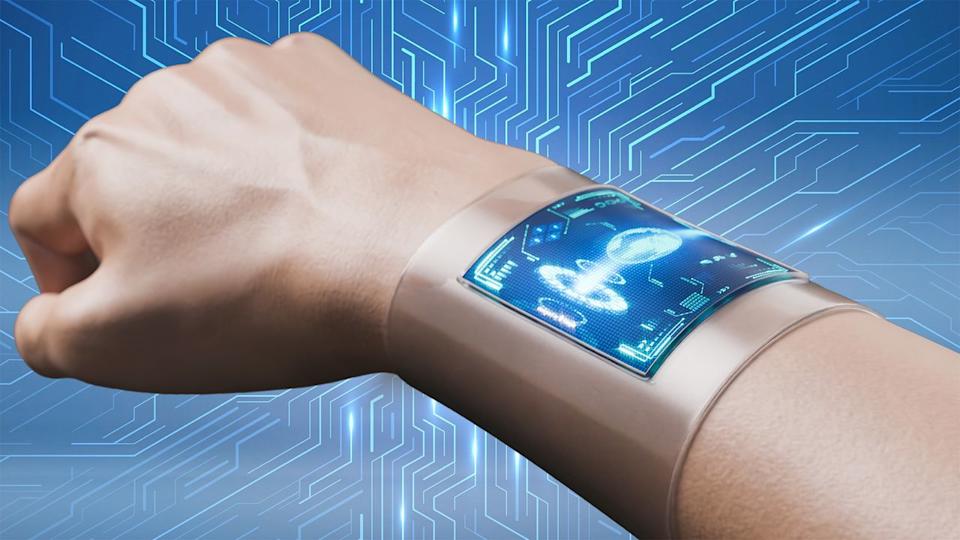
Have you ever wondered if your own body could power your wearable devices? Imagine never having to plug in your smartwatch or fitness tracker again.
What if your everyday movements, or even your body heat, could keep your gadgets charged all day long? This idea isn’t just science fiction—it’s closer to reality than you might think. Keep reading to discover how humans might soon become the ultimate power source for wearable technology, and what that means for your daily life.
Wearable Tech And Energy Needs
Wearable technology needs power to work well and stay active. These devices are small but perform many tasks. They require energy to track health, show notifications, or connect to other devices. Understanding their energy needs helps improve how they charge and last longer.
Types Of Wearable Devices
Wearable devices come in many forms. Each has different energy needs based on its size and function.
- Smartwatches track time, fitness, and messages.
- Fitness bands monitor steps, heart rate, and sleep.
- Smart glasses provide hands-free information display.
- Health patches check vital signs continuously.
- Wearable cameras capture photos and videos on the go.
Current Charging Methods
Most wearables use simple charging ways. These include:
- USB cables connect to power sources for charging.
- Wireless chargers use magnetic fields to transfer energy.
- Charging docks hold devices and charge them safely.
- Battery swaps allow quick replacement for longer use.
These methods require users to pause device use during charging.
Limitations Of Traditional Charging
Traditional charging has some clear downsides.
- Charging time can be long, causing inconvenience.
- Devices must stay close to power sources.
- Frequent charging affects user experience and device life.
- Charging ports can wear out or get damaged.
- Interruptions happen when devices run out of power unexpectedly.
Finding better ways to charge wearables is key for daily use.

Credit: blog.stackademic.com
Body-powered Energy Sources
Body-powered energy sources offer a way to charge wearable technology using the human body’s natural movements and heat. These sources convert physical actions and body heat into usable energy. This approach reduces the need for external charging and enhances device convenience. Exploring these energy sources reveals promising methods to keep devices running continuously.
Kinetic Energy Harvesting
Kinetic energy harvesting captures energy from body movements. Walking, running, or even small motions create mechanical energy. This energy converts into electrical power through small generators or piezoelectric materials. Wearables using this method can recharge during daily activities. This technology suits fitness trackers and smartwatches.
Thermoelectric Generation
Thermoelectric generation uses the body’s heat to produce electricity. It relies on temperature differences between the skin and the surrounding air. Special materials called thermoelectric generators convert this heat flow into electrical energy. Wearables with this technology can charge quietly and without moving parts. This method works well in warm environments.
Bioenergy Conversion
Bioenergy conversion taps into chemical energy from the body. It uses substances like glucose found in sweat or blood. Enzymatic biofuel cells transform these chemicals into electrical power. This method offers a continuous and renewable energy source. It is especially useful for long-term wearable devices.
Innovative Charging Techniques
Innovative charging techniques are transforming how wearable technology stays powered. These new methods aim to reduce dependency on traditional charging cables. They also offer convenience and longer usage times. Such advances make wearables more practical for daily use.
Piezoelectric Materials In Wearables
Piezoelectric materials generate electricity from movement and pressure. Wearables equipped with these materials can convert body motions into power. Walking, running, or even simple hand movements create small electric charges. This energy helps extend battery life without plugging in. Researchers focus on making these materials flexible and efficient for wearables.
Flexible Solar Panels
Flexible solar panels integrate thin layers of photovoltaic cells into wearable fabrics. They absorb sunlight and turn it into electrical energy. These panels bend and move with the body comfortably. Users can recharge devices outdoors by simply wearing the technology. This solution works best in sunny environments and during daytime.
Wireless Energy Transfer
Wireless energy transfer uses magnetic fields to send power without wires. Wearables can recharge by being near a charging pad or device. This method offers ease of use and reduces cable clutter. Some systems support charging multiple devices at once. The technology continues to improve for faster and safer energy transfer.
Challenges To Human-powered Charging
Charging wearable technology using human power sounds exciting, but it comes with several challenges. The balance between the energy humans can produce and what devices require is tricky. Plus, there are practical concerns about comfort, durability, and safety that can’t be ignored.
Energy Output Vs. Device Demand
Your body generates energy, but how much is enough to keep a smartwatch or fitness tracker running? Most wearables need a steady flow of power, but human-generated energy is often inconsistent and low.
For example, walking or moving your arm might produce small bursts of energy, but it’s rarely enough to fully charge a device. Could you realistically rely on your daily movements to keep gadgets powered without plugging them in? That’s a question many engineers still wrestle with.
Comfort And Wearability
Imagine wearing a device that harvests your motion energy but feels bulky or uncomfortable. Would you keep it on all day? Probably not.
Wearable tech needs to be light and unobtrusive, but adding energy-harvesting components often means extra weight or stiffness. Balancing functionality with comfort is a tough puzzle for designers trying to make human-powered charging feasible.
Durability And Safety Concerns
Charging devices through human movement means constant physical stress on the wearable. This raises questions about how long these devices can last without breaking down.
Also, safety is a big issue. Any energy conversion system must avoid overheating or causing skin irritation. Have you ever worn something that caused discomfort or even a rash? Now imagine that happening with a device meant to be worn daily.
Future Trends In Wearable Energy
The future of wearable energy promises exciting changes. Devices will become more efficient and less reliant on traditional charging methods. Innovations in materials and technology will help wearables generate and store power on their own.
These trends aim to make charging wearable technology easier and more seamless. People might soon wear clothes or accessories that power their devices continuously. This shift could change how we use and interact with wearable tech daily.
Integration With Smart Fabrics
Smart fabrics can collect energy from the environment. They capture heat, movement, or sunlight and convert it into power. Clothing embedded with these fabrics will help charge wearables while you move.
This technology makes charging invisible and automatic. No need to plug in devices or carry extra chargers. Smart fabrics will blend energy harvesting with comfort and style.
Advances In Nanotechnology
Nanotechnology enables tiny energy harvesters inside wearables. These miniature devices capture energy at the molecular level. They improve battery life without adding bulk or weight.
Nano-sized solar cells and piezoelectric materials will power sensors and displays. This tech allows wearables to operate longer between charges. It also opens doors for new, smaller designs.
Potential For Self-sustaining Devices
Self-sustaining devices generate all their own power. They use body heat, motion, or ambient light to recharge continuously. This reduces the need for traditional battery charging.
- Energy harvesting systems will improve efficiency.
- Wearables may run for days or weeks without plugs.
- Users will enjoy more freedom and convenience.
Wearables that never run out of power could soon be common. This change will enhance user experience and device reliability.
Credit: www.tomsguide.com

Credit: www.otandp.com
Frequently Asked Questions
Can Human Body Heat Charge Wearable Devices?
Yes, human body heat can partially charge wearables using thermoelectric technology. However, current efficiency is low, limiting practical use.
How Does Kinetic Energy Power Wearable Technology?
Wearables can harvest kinetic energy from movement using piezoelectric materials or mechanical systems. This method supplements battery life but rarely replaces charging.
Are There Wearables With Self-charging Capabilities?
Some wearables use solar cells or body heat to recharge slightly. Fully self-charging wearables are still in development and not widely available.
What Limits Human Charging Of Wearable Technology?
Limited energy conversion efficiency and small power output from body heat and motion restrict charging capacity in wearables today.
Conclusion
Exploring how humans could charge wearable tech is exciting. It opens up new possibilities for device design and sustainability. Imagine not needing a charger. Just a simple movement or touch could power your gadgets. While challenges exist, the potential benefits are huge.
This could lead to more eco-friendly technology. Devices could become more reliable and efficient. As research continues, we may soon see new advancements. A future where wearables harness human energy isn’t far-fetched. It could become a reality, transforming our tech interactions.
The journey is just beginning, and the possibilities are endless.
Leave a Reply