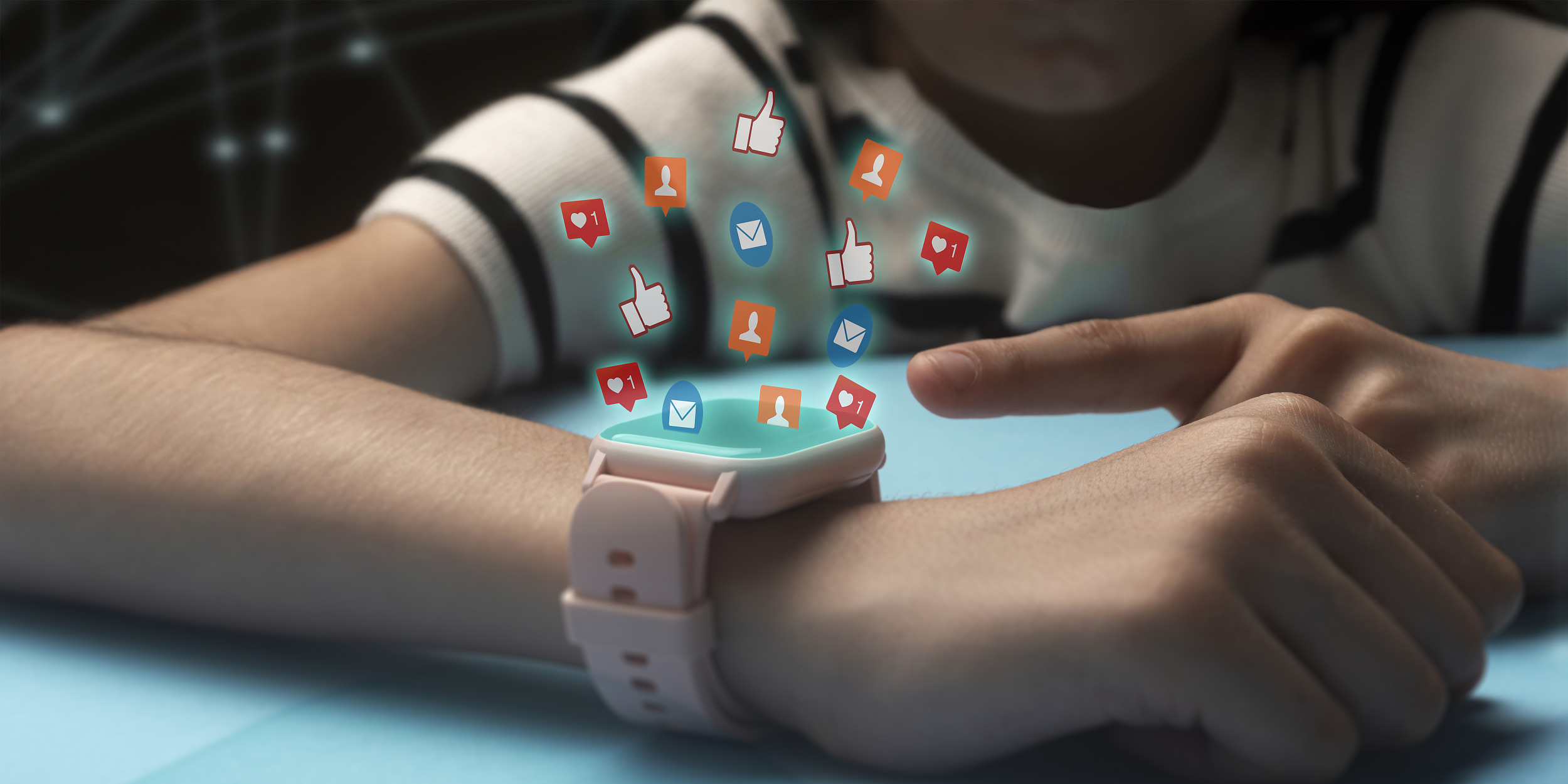
You might think wearable technology is a must-have for tracking your health and staying connected. But have you ever stopped to wonder if these gadgets could be doing more harm than good?
What if the very device on your wrist is affecting your focus, privacy, or even your well-being? Keep reading to discover the hidden downsides of wearable technology that no one talks about—and why you should think twice before relying on it too much.
Your body and mind might thank you for it.
Health Risks
Wearable technology is becoming a part of daily life for many, but it’s important to consider the health risks tied to these devices. Wearing gadgets that stay close to your skin and emit signals all day might affect your well-being in ways you haven’t thought about. Understanding these risks helps you make smarter choices about how and when to use your devices.
Radiation Exposure
Wearables emit low levels of electromagnetic radiation to communicate with your phone or Wi-Fi. Although this radiation is weaker than that from smartphones, constant exposure can raise concerns. You might wonder if this exposure affects your brain or body over time, especially with devices worn near your head or chest.
Studies are still ongoing, but some users report headaches, dizziness, or fatigue after prolonged use. It’s wise to limit continuous wear, especially during sleep, and take breaks to reduce possible risks.
Skin Irritation
Have you noticed redness, itching, or rashes where your wearable sits? Skin irritation is a common complaint, often caused by sweat, friction, or allergic reactions to materials like rubber or metal. This problem can worsen if you wear the device tightly or don’t clean it regularly.
Simple steps can help: clean your device and skin often, loosen the strap, or switch to hypoallergenic bands. Ignoring skin irritation might lead to infections or long-term skin damage.
Sleep Disruption
Many people use wearables to track sleep, but these devices might interfere with the quality of your rest. The light from screens and constant vibrations can disturb your natural sleep cycles without you realizing it. Are you waking up feeling tired despite wearing a sleep tracker?
Try turning off notifications or removing the wearable at night to see if your sleep improves. Prioritizing uninterrupted sleep is crucial for your overall health and daily energy.
Privacy Concerns
Wearable technology offers convenience, but it also brings serious privacy concerns that you should not ignore. These devices collect a vast amount of personal information, often without clear limits on how that data is used or shared. Understanding these risks helps you make smarter decisions about what you wear and share.
Data Collection Risks
Wearables gather detailed information about your health, location, and daily habits. This data can reveal sensitive details like your sleep patterns, heart rate, and even your emotional state. Are you comfortable with companies knowing so much about your private life?
Many users don’t realize how constantly their devices track them. The more data collected, the higher the chance it could be misused or sold to third parties without your consent. Think twice before syncing every app with your wearable.
Unauthorized Tracking
Some wearables can be used to track your movements without your permission. This isn’t just about location services but also includes potential unauthorized monitoring by hackers or even employers. Imagine your device silently reporting where you go or what you do—how safe does that make you feel?
There have been cases where wearables were exploited to spy on users or track loved ones without their knowledge. This raises ethical questions about privacy boundaries in relationships and workplaces. How do you protect yourself against such invisible invasions?
Data Breaches
Wearable devices store your personal data on servers that are vulnerable to hacking. If a breach happens, your intimate health and lifestyle information could be exposed to cybercriminals. This risk is not hypothetical—there have been real incidents where millions of users’ data was leaked.
Once your data is out there, it’s nearly impossible to take it back or control its spread. You might face identity theft, unwanted advertising, or discrimination based on your health data. Would you trust a device that could put your privacy in jeopardy?
Psychological Effects
Wearable technology affects the mind in many ways. These devices keep users connected all day. This constant connection can change how people think and feel. The psychological effects are not always good. They can lead to stress and other mental health issues.
Addiction To Devices
Wearables often create a strong urge to check them constantly. Notifications and alerts trigger the brain’s reward system. This can lead to an unhealthy dependence. People may feel restless without their device nearby. This addiction reduces focus on real-world tasks.
Increased Anxiety
Wearable tech tracks health and activity data closely. This can cause users to worry about small changes. Constant monitoring may lead to unnecessary stress. Some people feel pressure to meet daily goals. This pressure can increase anxiety levels over time.
Reduced Social Interaction
Using wearables can distract from face-to-face conversations. People may focus more on their device than those around them. This reduces meaningful social connections. Over time, this leads to feelings of loneliness. Real human interaction is important for mental health.
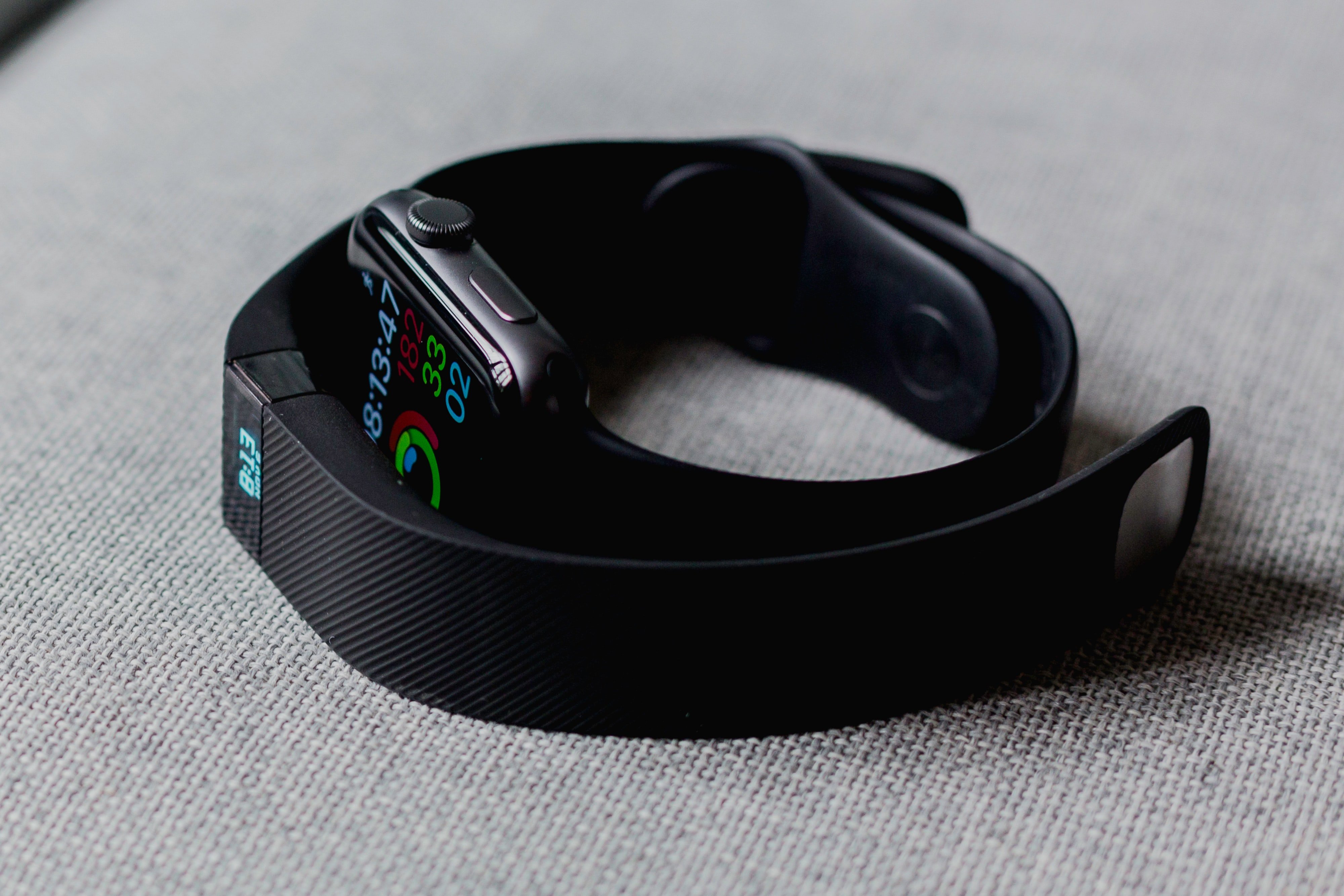
Credit: unboxed.co
Technical Limitations
Wearable technology promises convenience and health insights right on your wrist or body. But these gadgets come with technical limitations that can frustrate users and limit their usefulness. Understanding these challenges can help you decide if a wearable is right for your daily needs.
Battery Life Issues
One of the biggest headaches with wearables is battery life. Many devices barely last a full day on a single charge, forcing you to plug them in frequently.
This constant need to recharge disrupts your routine and can make you question the device’s convenience. Have you ever missed tracking a workout because your watch died halfway through?
Even devices claiming longer battery life often sacrifice features or accuracy to achieve it. This trade-off can leave you wondering if the wearable is truly helping or just adding hassle.
Inaccurate Data
You rely on wearables for accurate health data, but many fall short. Heart rate monitors, step counters, and sleep trackers can produce inconsistent or misleading readings.
For example, wrist-based heart rate sensors often struggle during intense exercise, giving you fluctuating numbers. This can lead to wrong conclusions about your fitness or health progress.
When your device reports incorrect data, it defeats the purpose of wearing it. Would you trust advice or make lifestyle changes based on information that might be wrong?
Device Malfunctions
Wearables are complex gadgets prone to glitches and breakdowns. Software bugs can cause apps to crash, sensors to stop working, or data to be lost.
Hardware issues like screen damage or strap failures are common, especially if you wear the device daily. Repairing or replacing these devices can be costly and time-consuming.
Imagine relying on your wearable to alert you about health problems only for it to malfunction at a critical moment. This uncertainty can make wearables more of a burden than a benefit.
Environmental Impact
Wearable technology affects the environment in many ways. These devices need many materials and create waste. The impact on nature is growing as more people buy and discard wearables.
E-waste Generation
Wearables add to electronic waste rapidly. Old devices often end up in landfills. Toxic chemicals from these gadgets harm soil and water. Recycling rates for wearables remain low worldwide. This causes more pollution and health risks.
Resource Consumption
Making wearable devices uses many natural resources. Metals like gold, silver, and rare earth elements are mined. Mining damages ecosystems and uses lots of energy. Plastic and glass for screens also come from oil. The demand for these materials grows with every new model.
Short Device Lifespan
Wearable devices usually have short lifespans. They become outdated quickly or break easily. Users replace them often, increasing waste. Limited repair options also lead to early disposal. This cycle wastes resources and harms the environment.

Credit: medium.com
Financial Costs
Financial costs are a major downside to wearable technology that often goes unnoticed until you open your wallet. Beyond the initial excitement of buying a sleek new gadget, you may face ongoing expenses that add up quickly. Understanding these costs can help you decide if the investment is truly worth it for your lifestyle and budget.
High Purchase Price
Wearable devices often come with a hefty price tag. A smartwatch or fitness tracker can easily cost several hundred dollars, sometimes rivaling the price of a smartphone. If you’re on a tight budget, this upfront cost can be a significant barrier.
Think about the last time you bought a wearable. Did you hesitate because of the price? Many people do, but still make the purchase hoping for long-term value.
Maintenance Expenses
Owning a wearable isn’t just about the initial cost; maintenance can drain your funds over time. Batteries may need replacement, straps can wear out, and software updates might require paid subscriptions. These ongoing costs are often overlooked when you first buy the device.
Have you ever had to buy extra accessories or pay for app features to keep your wearable functioning well? These add-ons can quickly turn a simple gadget into an expensive hobby.
Frequent Upgrades
Technology moves fast, and wearables are no exception. New models with better features come out regularly, tempting you to upgrade. This cycle can lead to spending more money than you originally planned.
Ask yourself: do you really need the latest version, or will your current device serve you well for longer? Many users feel pressured to upgrade to avoid missing out, but it’s worth considering if the new features justify the cost.

Credit: pubs.acs.org
Frequently Asked Questions
Why Is Wearable Technology Considered Bad For Privacy?
Wearable technology often collects sensitive data without clear consent. This raises serious privacy concerns and risks data misuse or theft.
Can Wearable Devices Negatively Impact Mental Health?
Yes, constant notifications and tracking can increase stress and anxiety. Overuse may cause dependency and reduce real-world social interactions.
Do Wearables Pose Health Risks To Users?
Some devices emit low-level radiation, which may cause discomfort. Long-term health effects are still under research and not fully known.
How Does Wearable Technology Affect Sleep Quality?
Wearables can disrupt sleep by causing users to check devices at night. Blue light exposure from screens may also interfere with sleep patterns.
Conclusion
Wearable technology can seem appealing, but there are drawbacks. Privacy concerns are significant. Devices collect and share data without full consent. Health risks also exist. Prolonged exposure to radiation may impact well-being. Wearables can distract users from real-life interactions. This affects relationships and social skills.
Costs add up too. Devices require frequent updates and replacements. Not everyone finds them necessary. Consider both sides before investing in wearables. Understanding the negative aspects helps make informed decisions. Always prioritize your health and privacy above convenience. Choose wisely, and stay informed.
Leave a Reply