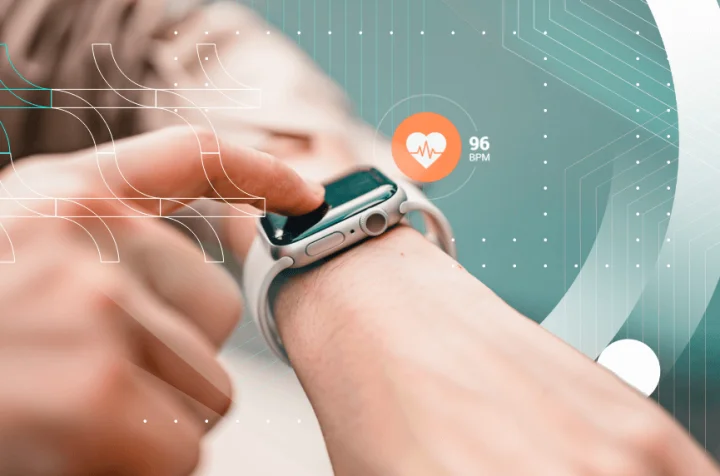
Have you ever wondered what makes your smartwatch or fitness tracker so powerful? Wearable technology is changing the way you live, work, and stay healthy.
But what exactly is wearable technology? Understanding this can help you make smarter choices about the gadgets you use every day. You’ll discover a clear and simple definition of wearable technology, why it matters to you, and how it’s shaping the future.
Keep reading to unlock the secrets behind these tiny devices that fit right on your body.
Wearable Technology Basics
Wearable technology refers to electronic devices worn on the body. These devices help track data, provide information, or enhance daily activities. They connect to the internet or other gadgets for seamless use. Wearables are designed to be comfortable and easy to use.
Understanding the basics helps to know how wearables impact life. Below are the core features and common types that define wearable technology.
Core Features
- Portability: Small and light to wear all day.
- Connectivity: Links to smartphones or Wi-Fi networks.
- Sensors: Collect data like heart rate, steps, or location.
- Real-time feedback: Shows immediate information or alerts.
- Battery-powered: Long-lasting power for daily use.
- User-friendly interface: Simple screens or voice commands.
Common Types
- Smartwatches: Track fitness, show notifications, and run apps.
- Fitness trackers: Monitor steps, sleep, and workouts.
- Smart glasses: Display information in the wearer’s view.
- Wearable cameras: Capture photos or videos hands-free.
- Health monitors: Measure heart rate, blood pressure, or oxygen.
- Smart clothing: Embedded sensors for movement and health data.
How Wearables Work
Wearable technology works by capturing and processing data from the user’s body or environment. These devices use small parts to gather information and then send it for analysis. The process happens continuously, offering real-time insights and feedback. Understanding how wearables work helps appreciate their growing role in health, fitness, and daily life.
Sensors And Data Collection
Sensors are the core of wearable technology. They detect movements, heart rate, temperature, and other signals from the body. Different sensors focus on different types of data:
- Accelerometers track motion and steps.
- Gyroscopes measure orientation and rotation.
- Optical sensors monitor heart rate using light.
- Thermometers check skin temperature.
These sensors collect raw data continuously. The device’s processor then converts this data into useful information. This process happens inside the wearable, making it fast and efficient.
Connectivity And Integration
Wearables connect to other devices like smartphones or computers. They use wireless technologies such as Bluetooth or Wi-Fi. This connection allows wearables to share data instantly.
Apps on phones or cloud services analyze the collected data further. Users get insights through easy-to-read graphs, alerts, or recommendations. Integration with other smart devices enhances user experience by syncing health and activity information.
Popular Wearable Devices
Wearable technology has become a part of everyday life for many people. These devices not only track your health but also keep you connected and informed. Understanding the most popular wearable devices can help you decide which one fits your lifestyle best.
Smartwatches
Smartwatches are more than just timekeepers. They let you receive calls, texts, and notifications right on your wrist. Many models, like the Apple Watch or Samsung Galaxy Watch, also monitor your heart rate and sleep patterns.
You might find it handy to check your messages discreetly during meetings or track your workout progress without pulling out your phone. Have you noticed how much easier your day becomes when your watch handles small tasks for you?
Fitness Trackers
Fitness trackers focus mainly on health and activity monitoring. Devices such as Fitbit or Garmin count your steps, calories burned, and even your hydration levels. They motivate you to move more by setting daily goals and sending reminders.
If you’ve ever felt stuck in a workout routine, a fitness tracker can provide the push you need to keep going. What small changes could you make if you had better insight into your daily habits?
Smart Glasses
Smart glasses offer a hands-free way to access information and stay connected. Brands like Google Glass or Vuzix provide features like navigation, video recording, and real-time notifications. They blend technology with your natural line of sight.
Imagine getting directions or taking photos without reaching for your phone. How could this convenience change the way you interact with the world around you?
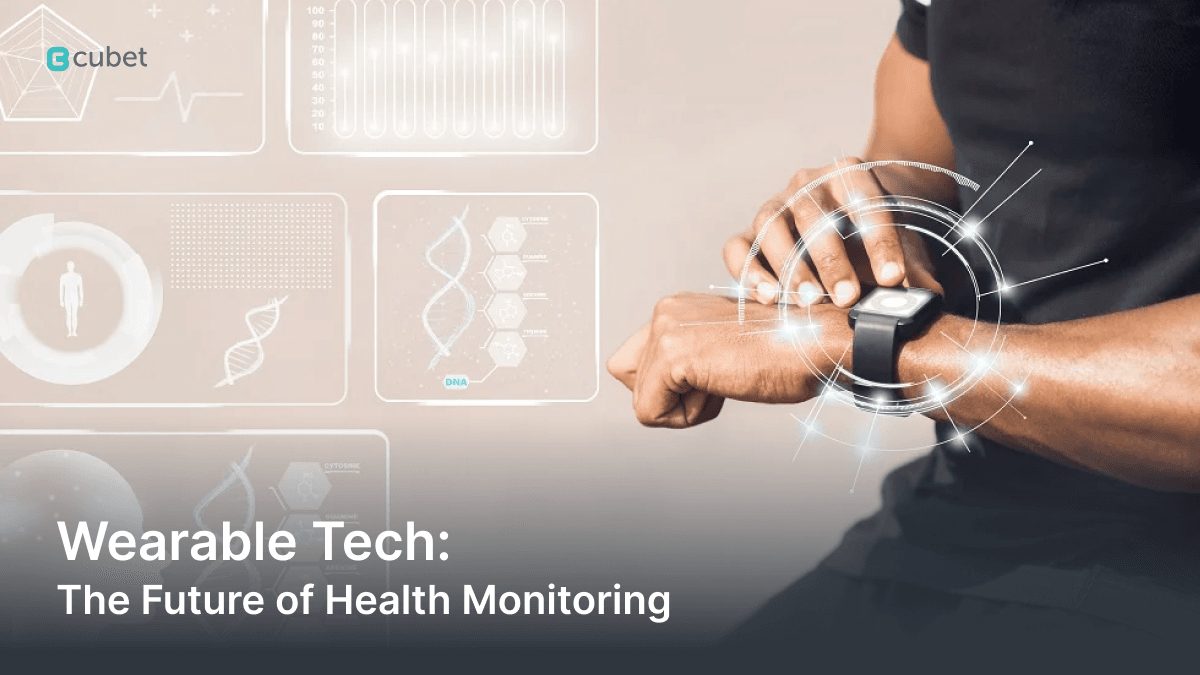
Credit: cubettech.com
Benefits Of Wearable Tech
Wearable technology offers many benefits that improve daily life. These devices help people track health, boost work efficiency, and enjoy entertainment in new ways.
Health Monitoring
Wearable tech tracks vital signs like heart rate and sleep patterns. It alerts users to health issues early. This helps maintain a healthy lifestyle and manage chronic conditions. Users can see their progress and stay motivated.
Enhanced Productivity
Wearables keep notifications and reminders close without distractions. They help manage schedules and tasks efficiently. Hands-free communication improves focus at work. These features save time and reduce stress.
Entertainment And Lifestyle
Wearables offer easy access to music, podcasts, and audiobooks. They track fitness goals and motivate users to stay active. Some devices support contactless payments and smart home control. They add convenience to everyday activities.
Challenges And Limitations
Wearable technology offers many benefits but faces several challenges and limitations. These issues affect user experience and device effectiveness. Understanding these challenges helps users and developers improve wearable tech.
Privacy Concerns
Wearable devices collect personal data like health and location. This data can be sensitive and risky if exposed. Many users worry about who accesses their information. Companies must ensure strong security measures. Without privacy, users may avoid using wearables.
Battery Life
Battery life limits how long wearable devices can work. Many devices need daily charging, which can be inconvenient. Small size restricts battery capacity. Users want longer use without frequent recharging. Improving battery technology remains a key challenge.
Data Accuracy
Wearables often track health and activity data. Incorrect data can lead to wrong conclusions or actions. Factors like device placement and sensor quality affect accuracy. Consistent and reliable data is essential for trust. Developers must focus on improving measurement precision.

Credit: timhart0421.medium.com
Future Trends
The future of wearable technology is shaping up to be more exciting and practical than ever. As these devices become smarter and more integrated into daily life, they will offer new ways to monitor health, enhance convenience, and even express personal style. Are you ready to see how these trends might change your interaction with technology?
Advanced Sensors
Wearable devices will soon include sensors capable of tracking more than just basic health data like heart rate and steps. Imagine sensors that can monitor blood sugar levels without a needle or detect early signs of illness through skin temperature changes. These advancements will give you real-time insights, helping you make smarter health decisions every day.
Think about the convenience of having continuous health monitoring without visiting a doctor frequently. You could catch potential issues early and avoid emergencies. What health measurements would you find most useful to track automatically?
Ai Integration
Artificial intelligence will play a bigger role in making wearable devices smarter and more personalized. AI can analyze your daily habits and suggest lifestyle changes or alert you to unusual patterns in your health data. This means your wearable won’t just collect information—it will help you understand it.
Imagine a device that learns when you need a break or a reminder to hydrate based on your activity level and environment. AI-powered wearables might even predict stress or fatigue before you feel it, allowing you to act proactively. How would personalized advice from your wearable change your daily routine?
Fashion And Function
Wearable technology will blend style with purpose more seamlessly than before. You won’t have to sacrifice fashion for functionality as designers create sleek, customizable devices that match your personal taste. This means your wearable can look like a piece of jewelry or a stylish accessory.
Think about choosing your wearable based on how it complements your outfit or mood, not just its features. This shift will encourage more people to adopt wearables as everyday essentials. How important is the look of your tech when you decide to wear it daily?

Credit: www.happiestminds.com
Frequently Asked Questions
What Is Wearable Technology In Simple Terms?
Wearable technology refers to electronic devices worn on the body. They track health, fitness, or provide smart features. Examples include smartwatches and fitness bands. These devices connect to the internet or smartphones to deliver real-time data and notifications.
How Does Wearable Technology Work?
Wearable technology uses sensors to collect data from the body or environment. It processes this information through software. Devices then display insights or send data to other gadgets. This helps users monitor health, fitness, or receive alerts efficiently.
What Are Common Examples Of Wearable Technology?
Common wearable devices include smartwatches, fitness trackers, smart glasses, and health monitors. These gadgets track steps, heart rate, sleep patterns, and provide notifications. They enhance convenience and support healthier lifestyles through continuous data collection.
Why Is Wearable Technology Important Today?
Wearable technology improves health monitoring and personal convenience. It helps detect health issues early and motivates fitness goals. Wearables also enhance communication and productivity by providing quick access to information on the go.
Conclusion
Wearable technology is part of our everyday lives now. From smartwatches to fitness trackers, these gadgets help us stay connected and healthy. They offer convenience and real-time data. People use them for various tasks, like tracking steps and monitoring heart rates.
As technology advances, wearables will continue to evolve. They will become even more helpful and essential. This growing field promises exciting possibilities. So, keeping up with wearable tech trends is important. Embrace the future with these smart devices. They make life easier and more efficient.
Leave a Reply