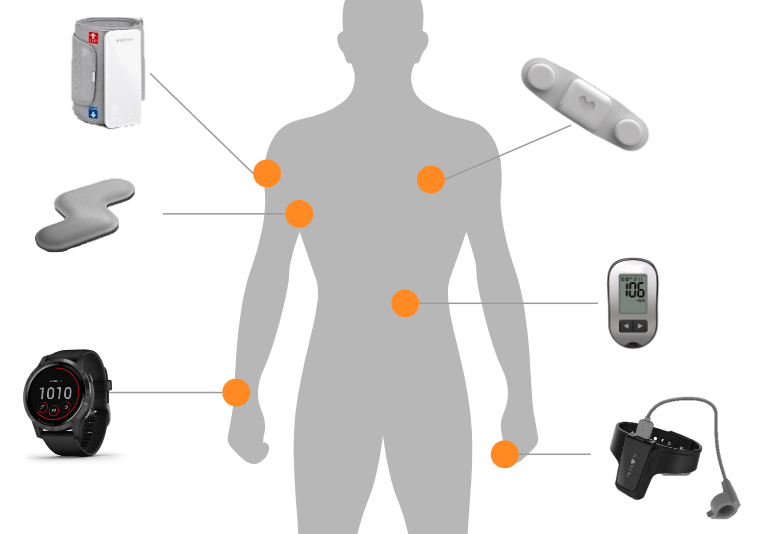
Have you ever wondered if your smartwatch or fitness tracker is more than just a gadget? What if it could recognize you, protect your data, or even unlock your devices just by knowing your unique body signals?
This is where wearable technology biometrics come into play. Understanding how these tiny devices use your body’s own features could change how you think about security, health, and convenience. Keep reading to discover how wearable biometrics work and why they might be the key to your next level of personal technology.

Credit: yourhealthmagazine.net
Rise Of Wearable Biometrics
The rise of wearable biometrics is reshaping how you interact with technology daily. These devices do more than track steps or heart rate—they learn from your unique biological signals to offer personalized experiences. Imagine your watch not just counting your pulse but confirming your identity and adapting to your health needs in real time.
Types Of Wearable Biometric Devices
Wearable biometric devices come in various forms designed to fit your lifestyle and needs. Common types include:
- Smartwatches:These often combine fitness tracking with biometric authentication like heart rate and ECG monitoring.
- Fitness Bands:Lightweight and focused on activity metrics, some also use skin conductance to gauge stress levels.
- Smart Rings:Compact devices that track heart rate, sleep, and even oxygen levels discreetly.
- Wearable Patches:Adhesive sensors that continuously monitor vital signs such as glucose or hydration.
You might already use one without realizing its biometric capabilities extend beyond simple tracking.
Popular Biometric Features Used
Biometric features in wearables are chosen for accuracy and ease of measurement. The most popular ones include:
- Heart Rate Monitoring:A staple for fitness and health insights, often used for authentication.
- Electrocardiogram (ECG):Provides detailed heart rhythm analysis, helpful for detecting irregularities.
- Fingerprint Scanning:Used mainly for secure device unlocking and payments.
- Voice Recognition:Allows hands-free control and identity verification.
- Skin Temperature and Conductance:Indicators of stress, fatigue, or illness.
Can you imagine your watch knowing when you’re stressed and suggesting a break before you even realize it?
Market Growth And Adoption Trends
The wearable biometrics market is expanding rapidly, driven by consumer demand for health and security features. Analysts predict a compound annual growth rate (CAGR) exceeding 15% over the next five years. This growth reflects increased adoption not only in fitness but also in healthcare, workplace safety, and even law enforcement.
Adoption trends show younger consumers prioritize devices that offer both convenience and privacy through biometric security. Meanwhile, healthcare providers are integrating wearable biometrics for continuous patient monitoring, reducing hospital visits.
What features would make you upgrade your wearable device today? Security, health tracking, or something else?
Enhancing Security With Wearables
Wearable technology biometrics are changing how we protect our digital lives. By using your unique biological traits, these devices make security more personal and reliable. Let’s look at how wearables enhance security in ways that matter to you every day.
Continuous Authentication Benefits
Imagine your device verifying your identity all the time, not just once at login. Wearables do this by constantly checking your biometric data like heart rate or skin patterns.
This ongoing check stops intruders quickly if someone else tries to access your device. You don’t have to remember complex passwords, and your security stays strong without extra effort.
Preventing Identity Theft
Identity theft feels like a nightmare, but wearables add a strong shield against it. Since these devices use unique physical traits, hackers can’t easily fake them.
Think about it: stealing your fingerprint or heartbeat is much harder than guessing a password. This makes your personal info safer, especially when you use wearables for banking or shopping.
Real-time Threat Detection
Wearables can spot suspicious activity the moment it happens. If your device notices unusual patterns, like someone else trying to unlock it, it can alert you instantly.
This real-time warning helps you act fast to protect your accounts. You gain peace of mind knowing your security system is always watching out for you.
Challenges And Concerns
Wearable technology biometrics offer incredible convenience and security, but they come with a set of challenges you need to understand. These concerns can affect how comfortable and safe you feel using these devices every day. Let’s look closely at some of the key issues you might face.
Privacy And Data Protection Issues
Your biometric data is deeply personal, yet wearable devices constantly collect and store this information. If this data falls into the wrong hands, it could lead to identity theft or unauthorized tracking. You should ask yourself: how well does the company protect your data? Are there strong encryption and strict access controls?
Many users don’t realize that some devices share biometric data with third parties, often for marketing or analytics. This raises serious privacy concerns. Always check the privacy policy and settings to control what data gets shared.
Accuracy And False Positives
Biometric systems aren’t perfect. You might experience false positives where the device incorrectly identifies someone else as you, or false negatives where it fails to recognize you. This can be frustrating, especially if you rely on biometrics for quick access to your phone or home.
Environmental factors like sweat, dirt, or lighting can affect sensor accuracy. Have you ever struggled to unlock your device after a workout or on a rainy day? These hiccups show why accuracy remains a critical challenge.
User Acceptance And Comfort
Wearing biometric devices all day can sometimes feel uncomfortable or intrusive. Some people find wristbands or rings bulky or irritating to wear for long periods. You need to balance the benefits with how the device fits into your lifestyle.
Plus, not everyone trusts biometric technology yet. You might hesitate to use it for fear of being constantly monitored or worried about data misuse. How much do you trust the technology that collects your personal information?
Credit: www.idtechex.com
Applications Across Industries
Wearable technology biometrics finds use in many industries. These devices collect unique body data to improve safety, efficiency, and user experience. Their applications vary from health to security, proving vital in several fields.
Healthcare And Patient Monitoring
Wearable biometrics help track vital signs like heart rate and oxygen levels. They alert doctors and patients to health changes early. Continuous monitoring improves care quality and patient safety. Devices also assist in managing chronic conditions with real-time data.
Financial Services Security
Biometric wearables secure transactions by verifying user identity. They reduce fraud risks in banking and payments. Fingerprint and heartbeat sensors confirm authorized access quickly. This technology boosts trust and protects sensitive data.
Workplace Access Control
Wearable biometrics manage employee entry to secure areas. They use unique body features to allow or deny access. This system replaces traditional badges and passwords. It enhances security and tracks attendance efficiently.
Future Trends And Innovations
The future of wearable technology biometrics promises exciting changes. These devices will become smarter and more accurate. Innovations will enhance security and user experience. Expect faster, more reliable biometric systems embedded in wearables.
Integration With Ai And Machine Learning
AI and machine learning will improve biometric data analysis. Wearables will learn user patterns to detect anomalies quickly. This reduces false positives and enhances security. Devices will adapt to user behavior over time. Continuous learning will make authentication smoother and safer.
Advancements In Sensor Technology
New sensors will capture biometric data with higher precision. Miniaturized and flexible sensors will fit better on the body. They will measure heart rate, skin temperature, and other vital signs. These improvements will allow 24/7 monitoring without discomfort. Sensors will also use less power, extending battery life.
Potential For Multi-modal Biometrics
Multi-modal biometrics use several types of data for identification. Wearables may combine fingerprint, face, voice, and heart patterns. This approach increases accuracy and reduces fraud risks. It also offers backup options if one method fails. Multi-modal systems will make wearables more versatile and secure.

Credit: ca.style.yahoo.com
Frequently Asked Questions
What Are Wearable Technology Biometrics?
Wearable technology biometrics use sensors to monitor body data. They track health metrics like heart rate, steps, and sleep patterns. This data helps improve fitness and wellness through personalized insights and alerts.
How Do Wearables Capture Biometric Data?
Wearables capture biometric data using sensors like accelerometers, optical heart rate monitors, and skin conductance sensors. These detect physical signals and convert them into digital information for analysis and feedback.
Are Wearable Biometrics Accurate For Health Monitoring?
Wearable biometrics provide fairly accurate data but may vary by device quality. They offer useful trends but should not replace professional medical diagnosis or treatment.
Can Wearables Protect User Biometric Data?
Most wearables use encryption and secure storage to protect biometric data. However, users must follow privacy guidelines and update software to minimize security risks.
Conclusion
Wearable technology biometrics offer valuable insights into health and fitness. They help track vital signs and monitor daily activities. These devices empower users to make informed health choices. Privacy concerns should be considered when using these technologies. Always ensure data security and choose trusted brands.
As technology evolves, wearables will become more accurate. They will play a bigger role in personal health management. Users should stay informed about new features and updates. Embracing wearable technology can lead to healthier lifestyles. It’s an exciting time for tech and wellness enthusiasts alike.
Leave a Reply