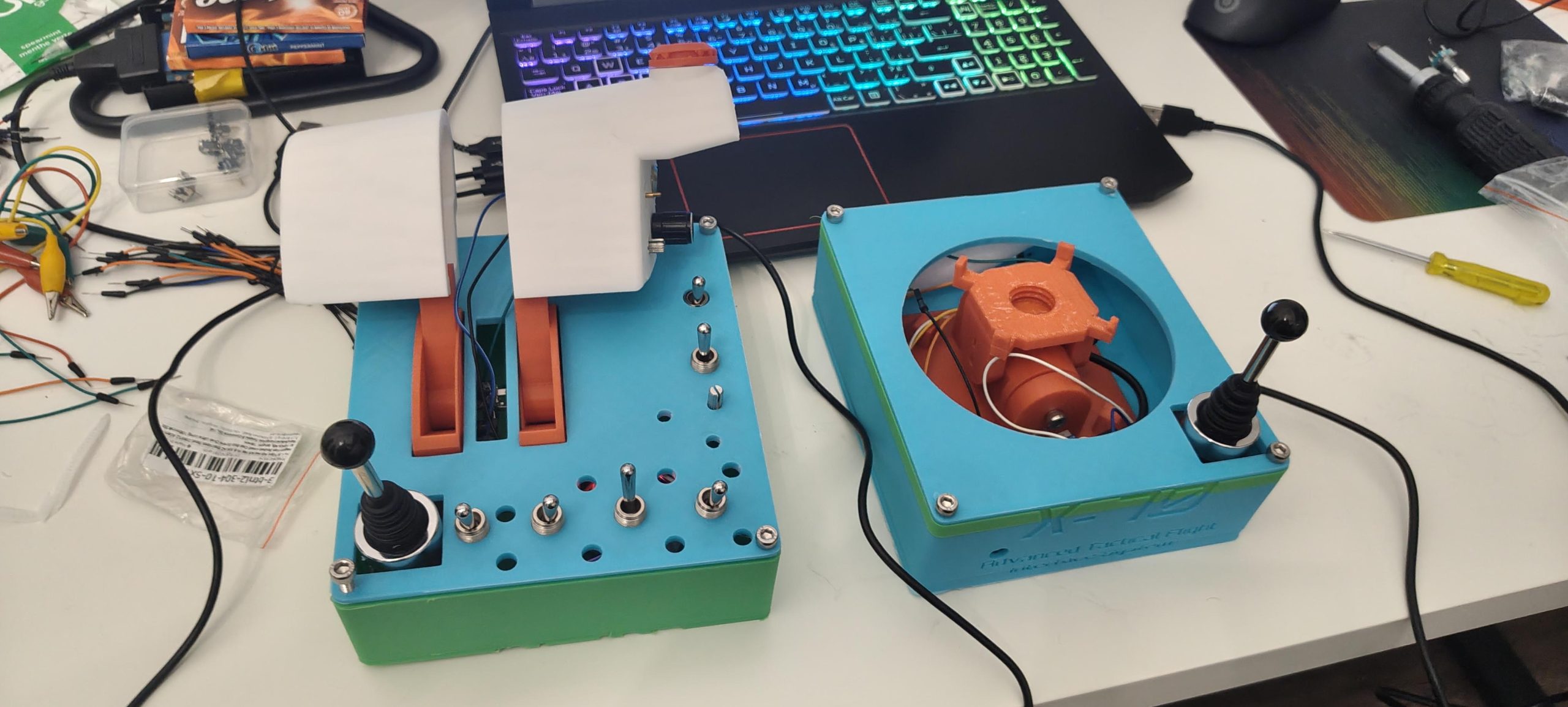
Are you wondering if you can bring your DIY electronics on a plane without any hassle? Whether it’s a homemade gadget, a custom circuit board, or a unique electronic project, traveling with these items can be tricky.
You might worry about security checks, airline rules, or even damaging your creation. You’ll discover exactly what you need to know to keep your DIY electronics safe and compliant while flying. Keep reading to avoid surprises and make your next trip smooth and stress-free.

Credit: allevents.in
Airline Rules For Electronics
Airlines have specific rules for carrying electronics on planes. These rules help keep all passengers safe. They cover what you can bring in your carry-on and checked bags. Battery types and sizes also matter. Knowing these rules helps avoid delays at the airport.
Carry-on Vs Checked Bags
Most airlines allow electronics in carry-on bags only. Carry-ons keep devices close to you during the flight. Checked bags may not be safe for some electronics. Airlines often ban lithium batteries in checked luggage. Always check with the airline before packing your electronics.
Battery Restrictions
Batteries can be dangerous on planes. Lithium-ion batteries have strict limits. Batteries over 100 watt-hours usually need airline approval. Spare batteries must be in carry-on bags, not checked. Terminals should be covered to prevent short circuits. Damaged or recalled batteries are never allowed.
Device Size And Weight Limits
Airlines limit the size and weight of carry-on electronics. Large or heavy devices might need to be checked. Each airline sets its own size rules. Common limits are about 22 x 14 x 9 inches. Weight limits usually range from 15 to 22 pounds. Check your airline’s policy before you travel.
Safety Concerns With Diy Electronics
Carrying DIY electronics on a plane raises important safety concerns. Airlines and security teams focus on preventing hazards that could harm passengers or disrupt the flight. Understanding these risks helps travelers prepare and avoid problems at security checks.
Fire Hazard Risks
DIY electronics often contain batteries and circuits that can overheat. Faulty wiring or damaged parts increase the chance of fire. Lithium-ion batteries, common in electronics, can catch fire if short-circuited or crushed. Airlines restrict some battery types for this reason. Always check battery condition and never bring damaged devices.
Interference With Aircraft Systems
Electronic devices emit signals that may interfere with aircraft instruments. DIY gadgets might not meet strict aviation standards for radio frequency emissions. Such interference can affect communication or navigation systems. Security staff may ask to test or turn off devices during the flight. Avoid devices with strong transmitters or unknown electronic parts.
Proper Packaging Techniques
Proper packaging reduces risks and protects your DIY electronics. Use anti-static bags to prevent electrical damage. Wrap devices in bubble wrap or foam to avoid shocks. Separate batteries and carry them in original packaging or battery cases. Label packages clearly and follow airline rules for electronic items. Secure packaging helps pass security checks smoothly and keeps devices safe.
Preparing Your Diy Electronics
Preparing your DIY electronics before a flight helps avoid delays and confusion. Proper preparation ensures your devices meet airline rules and security checks run smoothly. Taking time to organize and secure your items reduces risks during travel.
Labeling And Documentation
Clearly label each electronic component with its name and purpose. Include simple instructions or diagrams if possible. Carry any manuals, receipts, or proof of purchase for your DIY parts. This helps security staff understand your items quickly.
Disassembling Components
Take apart large or complex devices into smaller parts. Remove any non-essential pieces that can be packed separately. Disassembled items are easier to inspect and less likely to trigger alarms. Keep fragile parts protected with bubble wrap or padded cases.
Securing Batteries
Remove batteries from devices whenever possible. Store batteries in original packaging or plastic cases to prevent short circuits. Use tape to cover battery terminals if no case is available. Follow airline rules on lithium battery size and quantity.
Navigating Airport Security
Navigating airport security with DIY electronics can be tricky. These devices often look unusual on scanners. Knowing what to expect helps reduce stress and delays. Preparation is key to smooth screening. Understanding TSA procedures can make your trip easier.
What To Expect At Screening
Your DIY electronics will go through the X-ray machine. TSA officers will watch the screen closely. Unusual shapes or wires may raise questions. You might be asked to remove your device from your bag. Be ready to place it in a separate bin for scanning.
Security officers check for batteries, circuits, and metal parts. They want to ensure nothing poses a safety risk. If your device looks complicated, expect extra attention. This process usually takes a few minutes.
Explaining Your Device To Tsa
Be clear and simple when describing your electronics. Explain it is a hobby or educational project. Mention its purpose and that it is safe. Use basic words to avoid confusion.
Show any documentation, schematics, or manuals if you have them. This can help officers understand your device faster. Stay calm and cooperative during the conversation. Polite explanations build trust and speed up the process.
Dealing With Additional Inspections
Extra screening can include manual inspection or swabbing for explosives. TSA may ask you to turn on the device. Make sure it has charged batteries or a power source.
Keep backup batteries separate and in original packaging. If your device contains lithium batteries, inform the officers. Be patient; additional checks protect all passengers.
Remember, TSA officers follow strict rules. They prioritize safety but respect your belongings.
Alternatives To Carrying Electronics
Carrying DIY electronics on a plane can be tricky due to safety rules and size limits. Many travelers find it easier to consider other options. These alternatives help avoid delays and keep your projects safe. They also reduce stress at security checks.
Choosing a smart alternative lets you enjoy your trip without worrying about your electronics. Here are some practical ways to handle your DIY electronics needs without carrying them on board.
Shipping Electronics Separately
Shipping your electronics to your destination is a safe choice. Use a reliable courier with tracking to ensure delivery. Pack items carefully to prevent damage during transit. This option saves space in your luggage and avoids airline restrictions.
Keep in mind shipping times and possible customs fees. Plan ahead to have your electronics ready when you arrive. Shipping works well for larger or delicate devices that cannot go in carry-ons.
Using Commercial Kits
Commercial electronics kits often meet airline rules better than custom DIY setups. These kits are usually compact and designed for easy transport. Buying a kit means less hassle at security checks. It also offers tested and safe components.
Many kits come with clear instructions and all parts included. They are perfect for learning or completing projects on the go. Consider this option if your DIY electronics are simple or beginner-level.
Renting Or Buying At Destination
Renting or buying electronics at your destination can save time and worry. Many cities have stores or rental services for electronic parts and tools. This approach works well for short trips or specific projects.
You avoid packing and carrying heavy or fragile items. Plus, you can try new or local products. Check availability before you travel to ensure you find what you need.

Credit: www.reddit.com
Country-specific Regulations
Traveling with DIY electronics can be tricky because rules change depending on where you fly. Each country has its own set of regulations to keep passengers safe while also allowing for innovation and creativity in electronics. Understanding these country-specific rules helps you avoid delays, confiscations, or worse—missing your flight.
Us Tsa Guidelines
The Transportation Security Administration (TSA) in the United States has clear rules about carrying DIY electronics on planes. Batteries, especially lithium-ion types, must be handled carefully and often need to be carried in carry-on bags rather than checked luggage.
DIY devices should be fully assembled and free of loose parts that might look suspicious during security checks. If your project includes unusual wiring or metal parts, be prepared for extra screening and possibly explaining what your device is.
- Remove batteries and pack them separately if possible
- Keep devices easily accessible for inspection
- Avoid carrying devices with open circuits or exposed wiring
Eu Aviation Rules
In Europe, aviation security follows strict guidelines that vary slightly between member states but share common principles. The European Union Aviation Safety Agency (EASA) emphasizes the safety of batteries and electronic components onboard.
You must ensure your DIY electronics don’t contain prohibited items like oversized batteries or unshielded circuits. Many airports require you to declare these items during security screening to prevent misunderstandings.
- Check battery watt-hour ratings; some require airline approval
- Use protective cases to prevent short circuits
- Declare any unusual electronics to security staff
Other International Policies
Countries outside the US and EU often have their own unique rules that can surprise even seasoned travelers. Some nations restrict DIY electronics outright, while others focus primarily on battery safety and device functionality.
For example, Australia prohibits certain types of lithium batteries in checked luggage, while Japan requires electronic devices to be switched off during the entire flight. It’s wise to research the specific country’s aviation authority website before packing your DIY project.
- Look up the destination country’s aviation security website
- Contact the airline to confirm their policies on DIY electronics
- Prepare to provide documentation or technical details if requested
Have you ever faced unexpected challenges flying with your DIY gadgets? Knowing these country-specific regulations can save your project—and your trip.
Tips For Smooth Travel With Electronics
Traveling with DIY electronics can be tricky without proper preparation. Following key tips helps avoid delays and stress. A smooth journey means understanding rules and packing wisely. This section guides you through easy steps for hassle-free travel.
Planning Ahead
Know what electronics you will carry. Check if batteries are allowed and their limits. Prepare any documents that explain your device. Arrive early at the airport to handle extra checks. Keep your devices charged for security scans.
Checking Airline Policies
Each airline has its own rules for electronics. Visit the airline’s website before booking. Look for specific restrictions on battery types and sizes. Some airlines require advance notice for special devices. Confirm if your DIY electronics fit their policies.
Packing Smart
Use sturdy cases to protect your electronics. Separate batteries and store them safely. Carry small tools in checked luggage only. Label your devices clearly to avoid confusion. Keep essential gadgets in your carry-on bag for easy access.

Credit: vaping360.com
Frequently Asked Questions
Can I Carry Diy Electronics In Checked Luggage?
Most DIY electronics should be carried in carry-on bags. Checked luggage may have restrictions due to battery safety regulations. Always check airline rules before packing.
Are Lithium Batteries Allowed In Diy Electronics On Planes?
Lithium batteries are allowed but must meet airline size and quantity limits. Spare batteries should be in carry-on bags with terminals protected.
Do Diy Electronics Need Tsa Inspection?
Yes, TSA may inspect DIY electronics during security screening. Be prepared to remove them from bags and explain their purpose if asked.
Can I Bring Homemade Drones Or Robots On A Plane?
You can bring homemade drones or robots, but check airline policies. Batteries and device size may affect allowance. Declare if required.
Conclusion
Traveling with DIY electronics is usually possible. Check airline rules first. Pack items securely in your carry-on bag. Batteries need special attention. Keep them in original packaging or cover the terminals. Security might inspect your gadgets. Be ready to explain your projects.
Practice patience during checks. This ensures a smooth journey. Enjoy creating and traveling safely! Your knowledge grows with each trip. Embrace the experience.
Leave a Reply