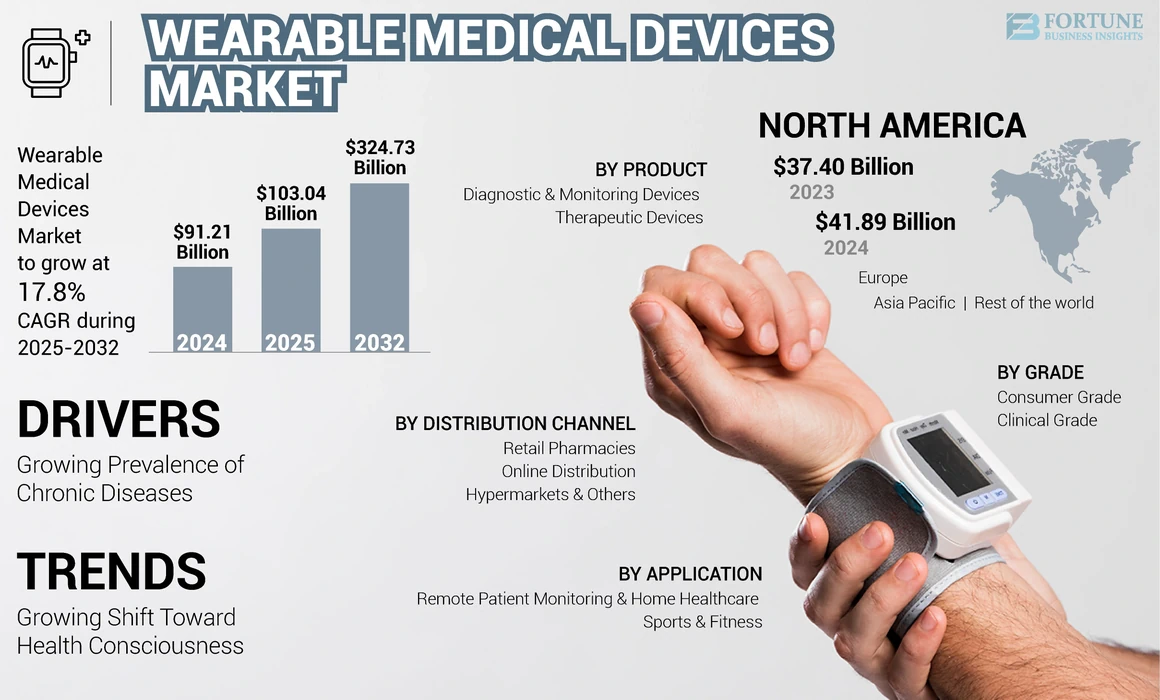
Are you thinking about buying wearable technology but not sure if it’s worth your money? You’re not alone.
With so many gadgets promising to track your health, boost your productivity, or keep you connected, it’s easy to feel overwhelmed. What if you could know exactly what benefits you’ll get? What if your investment truly made a difference in your daily life?
Keep reading to discover the real value behind wearable technology and find out if it’s the right choice for you.
Benefits Of Wearable Technology
Wearable technology offers many benefits that improve daily life. These devices help track health, stay connected, and boost productivity. They fit easily into routines and provide useful data. Many find wearables a smart tool for personal growth and work efficiency.
Health And Fitness Tracking
Wearables monitor heart rate, steps, and sleep patterns. They encourage users to stay active and meet fitness goals. Real-time feedback helps adjust workouts and habits. Some devices detect irregular health signs early. This feature supports better health management daily.
Convenience And Connectivity
Wearables keep users connected without holding a phone. Notifications for calls, messages, and apps appear on the wrist. Quick replies and voice commands save time. They also help find lost phones or control music easily. This convenience fits well with busy lifestyles.
Enhanced Productivity
Wearable devices offer tools to organize and focus work. Calendar alerts, reminders, and task lists keep users on track. Hands-free use allows multitasking during meetings or travel. Some wearables support voice assistants for quick information. These features help manage time and tasks efficiently.
Common Drawbacks
Wearable technology offers exciting possibilities, but it’s important to recognize its common drawbacks before making a purchase. These devices often come with challenges that can affect your experience and satisfaction. Understanding these issues helps you decide if the investment aligns with your needs and lifestyle.
Privacy And Security Concerns
Wearables collect a lot of personal data, from health stats to location tracking. This makes them a target for hackers and raises questions about how your data is stored and used. Have you ever wondered who really has access to your health information?
Some devices lack strong encryption, increasing the risk of data breaches. It’s crucial to check the manufacturer’s privacy policies and security features before buying. You want to ensure your sensitive information is protected, not shared without your knowledge.
Battery Life Limitations
Most wearable devices struggle with battery life, often requiring daily charging. This can be frustrating if you rely on your device for continuous tracking or notifications. Imagine your fitness tracker dying in the middle of a workout or your smartwatch turning off during an important call.
Battery technology hasn’t caught up with the demand for smaller, lighter devices packed with features. Consider how often you’re willing to charge your wearable and whether that fits your routine. Longer battery life can mean less hassle and more consistent use.
Cost Vs. Value
Wearable technology can be expensive, and the price doesn’t always match the value you get. High-end models offer many features, but you might not use all of them. Ask yourself which functions are essential and whether a cheaper device could meet your needs.
Sometimes, spending more on a brand name doesn’t guarantee better performance or durability. Read user reviews and compare specs carefully before investing. Your money is better spent on a device that genuinely improves your daily life rather than one packed with gimmicks.
Popular Types Of Wearables
Wearable technology offers many options for different needs. People choose wearables to track health, stay connected, or capture moments. These devices fit right on your body and work with your daily life. Understanding popular types helps to decide which one suits you best.
Smartwatches
Smartwatches do more than show time. They display notifications, calls, and messages from your phone. Many have apps for weather, music, and reminders. Fitness tracking features include heart rate, steps, and sleep monitoring. Some models support GPS for outdoor activities. They blend style with useful technology on your wrist.
Fitness Bands
Fitness bands focus on health and activity tracking. They usually have simpler displays than smartwatches. These bands count steps, calories burned, and distance traveled. Sleep quality and heart rate tracking are common features. Fitness bands often last longer on a single charge. They offer an easy way to stay active and healthy.
Wearable Cameras And Glasses
Wearable cameras capture photos and videos hands-free. Perfect for sports, travel, or daily life moments. Wearable glasses combine glasses with tech features. Some include heads-up displays or audio functions. They offer a new way to interact with the world. These devices are less common but growing in popularity.

Credit: finance.yahoo.com
Factors To Consider Before Buying
Choosing wearable technology requires thought. This tech varies widely in features and style. Picking the right one depends on a few key factors. These factors affect satisfaction and value.
Personal Needs And Lifestyle
Consider what you want the wearable to do. Fitness tracking, notifications, or health monitoring are common uses. Active lifestyles benefit from durable, water-resistant devices. Casual users may prefer simple, easy-to-use options. Think about daily activities and how the wearable fits in.
Compatibility With Devices
Check if the wearable works with your phone or tablet. Some devices only sync with specific brands or operating systems. Compatibility affects app use and data syncing. Ensure smooth connection for a better experience. Avoid buying a device that won’t work with your gadgets.
Budget And Long-term Use
Wearables come in many price ranges. Set a budget before shopping to narrow choices. Consider costs beyond purchase, like apps or replacement parts. Think about battery life and device durability. A higher price may mean longer use and fewer issues.
Future Trends In Wearable Tech
The future of wearable technology promises exciting changes. These devices will become smarter and more helpful. They will not only track your activity but also provide deeper insights. Wearables will blend seamlessly into daily life. Innovations aim to improve health, comfort, and connectivity.
Advancements In Health Monitoring
Wearables will offer advanced health tracking beyond steps and heart rate. Sensors will detect blood pressure, oxygen levels, and even stress. Continuous monitoring helps catch health issues early. Expect devices to support chronic illness management. Real-time alerts will prompt users to seek care promptly.
Integration With Ai And Iot
Artificial intelligence will enhance wearable functions. AI can analyze data to give personalized advice. Wearables will connect with smart home devices and other gadgets. This integration creates a more connected lifestyle. Your wearable could control lights, locks, and thermostats automatically.
Improved Design And Comfort
Future wearables will focus on comfort and style. Lightweight materials will make devices less intrusive. Designs will suit all-day wear, including sleep tracking. Customizable looks will match personal taste. Better battery life will reduce charging frequency, making use easier.

Credit: www.idtechex.com
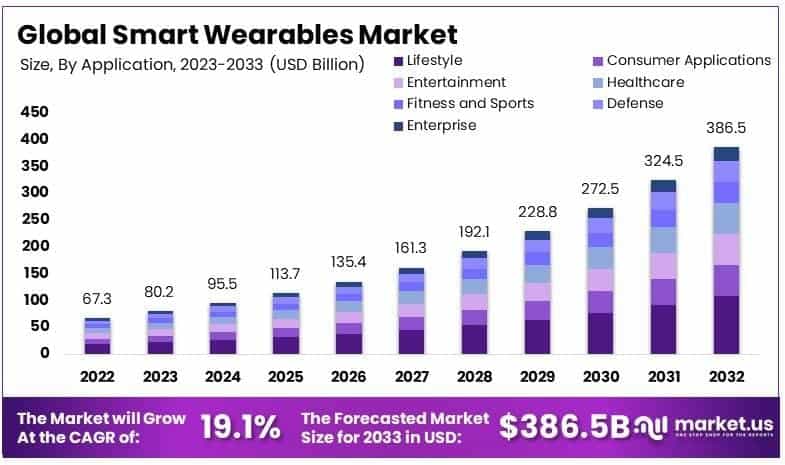
Credit: market.us
Frequently Asked Questions
What Are The Main Benefits Of Wearable Technology?
Wearable technology offers convenience, health tracking, and real-time notifications. It helps monitor fitness, heart rate, and sleep patterns. These devices enhance productivity and support personalized health management. Wearables also improve communication and can integrate with smart home systems, making daily tasks easier and more efficient.
Is Wearable Technology Cost-effective In The Long Run?
Wearable technology can save money by promoting healthier lifestyles, reducing medical visits. Initial costs vary, but benefits often outweigh expenses. Devices can last several years with proper care. Choosing versatile wearables ensures good value through multiple functionalities and regular software updates.
How Accurate Is Health Data From Wearables?
Wearable devices provide reasonably accurate health data for everyday use. They track steps, heart rate, and sleep with consistent precision. However, they are not medical-grade tools. For critical health decisions, consult healthcare professionals alongside wearable data for best results.
Can Wearables Improve Fitness And Motivation?
Yes, wearables boost fitness by tracking progress and setting goals. Real-time feedback motivates users to stay active. Features like reminders and challenges encourage consistent exercise. Social sharing options add accountability and fun, enhancing overall motivation and fitness outcomes.
Conclusion
Wearable technology offers many advantages. It tracks fitness, health, and daily activities. Convenient and easy to use. Some models even improve productivity. Yet, it can be costly. Consider your needs and budget before buying. Not everyone requires high-end features. Basic models meet most needs.
Technology evolves quickly. Today’s top device may soon be outdated. Think about long-term benefits versus costs. Investing wisely matters. Research before purchasing. Get the most value for your money. Wearables can enhance life if chosen thoughtfully.
Leave a Reply