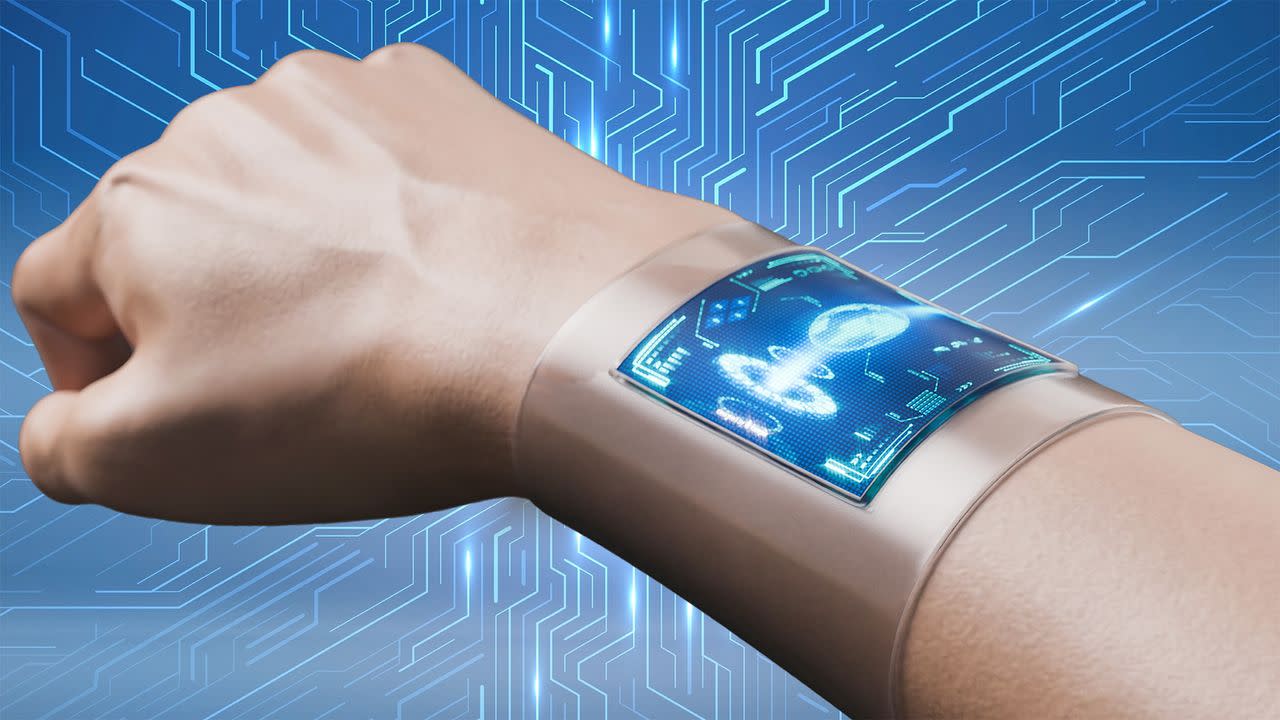
What do you think of wearable technology? Maybe you’ve tried a fitness tracker or a smartwatch, or maybe you’re curious but haven’t taken the plunge yet.
Wearable tech is changing the way we live, work, and even connect with others. Imagine having a device that not only tells time but also tracks your health, boosts your productivity, and keeps you linked to what matters most. Sounds useful, right?
Keep reading to discover how wearable technology could make a real difference in your daily life—and why it’s becoming hard to live without.

Credit: blog.stackademic.com
Rise Of Wearable Tech
The rise of wearable technology has transformed how you interact with the digital world and your own health. These devices have moved from niche gadgets to everyday essentials for millions. But what sparked this rapid growth, and where are we now?
Early Innovations
Wearable tech began with simple devices like digital watches and basic fitness trackers. These early gadgets focused mainly on timekeeping and step counting. They paved the way by showing how technology could seamlessly fit into daily life.
Remember the first time you saw someone wearing a bulky smartwatch or a heart rate monitor? It felt futuristic, yet limited in function. Those early models had short battery life and few features, but they sparked curiosity and demand.
Current Market Leaders
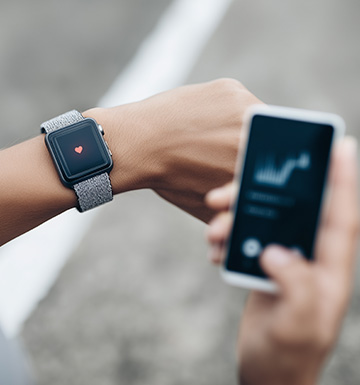
Today, companies like Apple, Fitbit, and Garmin dominate the wearable market. Apple’s Watch combines health tracking with communication tools, making it a powerful mini-computer on your wrist. Fitbit focuses heavily on fitness and wellness, appealing to users aiming for a healthier lifestyle.
These brands invest heavily in research, adding features like ECG monitoring, sleep analysis, and GPS tracking. Their devices integrate smoothly with smartphones, enhancing your control over daily routines. Have you noticed how your watch or fitness band now feels like a personal assistant?
Popular Device Types
- Smartwatches:They offer notifications, apps, and fitness tracking in one package.
- Fitness Trackers:Designed primarily for activity tracking and health monitoring.
- Smart Glasses:Emerging gadgets that provide hands-free information and augmented reality experiences.
- Wearable Cameras:Used for action recording and hands-free photography.
- Medical Devices:Such as continuous glucose monitors and heart rate monitors, crucial for managing health conditions.
Which type of wearable tech fits your lifestyle best? Understanding the options helps you choose devices that truly add value, not just another gadget on your wrist.
Benefits Of Wearables
Wearable technology offers a range of benefits that can make daily life easier and healthier. These devices not only track your physical activity but also keep you connected and simplify many tasks. Understanding these advantages can help you decide how wearables fit into your lifestyle.
Health And Fitness Tracking
Wearables monitor your heart rate, steps, sleep quality, and even stress levels. This data gives you clear insights into your health, helping you set realistic fitness goals. For example, I started noticing my irregular sleep patterns thanks to my smartwatch, which pushed me to improve my bedtime routine.
Tracking progress motivates you to stay active and make healthier choices. Imagine having a personal coach on your wrist that nudges you to move or relax when needed. Would you pay more attention to your daily habits if you had constant feedback?
Enhanced Connectivity
Wearables let you receive calls, messages, and notifications without pulling out your phone. This keeps you connected during meetings, workouts, or when your hands are full. Personally, I appreciate how my smartwatch lets me respond to important texts instantly, saving time and reducing distractions.
They also integrate with apps and smart home devices, making your digital life smoother. Think about controlling your music or checking the weather with a simple tap or voice command. How often do you wish for quicker access to information in your busy day?
Convenience And Accessibility
Wearables simplify everyday tasks, from contactless payments to GPS navigation. You don’t need to carry multiple gadgets or cards anymore. I once used my watch to pay for coffee while rushing to a meeting, which was a small but meaningful convenience.
They also support accessibility features for people with disabilities, enhancing independence. Whether it’s voice control or emergency alerts, wearables make technology more inclusive. Could these tools improve your daily routines or help someone you know?
Limitations And Challenges
Wearable technology offers many benefits but faces several limitations and challenges. These issues affect user experience and wider adoption. Understanding these challenges helps users make informed decisions.
Battery Life Concerns
Wearables often have small batteries. They need frequent charging. This can interrupt daily use and reduce convenience. Some devices last only a day or two. Users want longer battery life without adding bulk. Battery technology must improve to meet these needs.
Privacy And Security Risks
Wearables collect sensitive personal data. This includes health, location, and habits. Poor security can lead to data leaks or hacking. Users worry about who accesses their information. Strong encryption and clear privacy rules are essential. Without these, trust in wearable tech declines.
Design And Comfort Issues
Wearable devices must fit well and feel comfortable. Bulky or heavy gadgets cause discomfort over time. Some designs do not suit all users or activities. Sweat and skin irritation are common complaints. Designers must balance style, comfort, and functionality carefully.

Credit: www.happiestminds.com
Impact On Daily Life
Wearable technology is reshaping how you interact with the world every day. It fits seamlessly into your routines, often without you even realizing its influence. From boosting your productivity to keeping you healthier, these devices offer practical benefits that change daily habits.
Workplace Applications
Wearables in the workplace help you stay connected and efficient. Smartwatches can deliver meeting reminders and quick notifications, reducing the need to check your phone constantly. Some companies equip employees with devices that monitor posture or stress levels, aiming to improve comfort and reduce burnout.
Imagine receiving a gentle vibration reminding you to stretch after hours of sitting. Would this small nudge make a difference in your workday comfort? Many professionals report better focus and less fatigue thanks to these subtle alerts.
Sports And Recreation
Tracking your workouts has never been easier. Wearables provide real-time data on heart rate, distance, and calories burned, helping you push your limits safely. Whether you’re a casual jogger or a competitive athlete, these insights can guide your training and recovery.
Have you noticed how tracking your progress motivates you to improve? Seeing measurable results can turn exercise into a rewarding challenge rather than a chore. Plus, wearables often come with social features that let you share achievements with friends, adding a fun competitive edge.
Healthcare Monitoring
Wearable devices are becoming vital tools for managing health. They continuously monitor vital signs like blood pressure, oxygen levels, and sleep patterns, alerting you to potential issues early. This ongoing feedback empowers you to take proactive steps rather than waiting for symptoms to appear.
For people with chronic conditions, wearables can send data directly to healthcare providers, enabling timely interventions. Would having this kind of support change how you manage your health? Many users report greater peace of mind knowing they’re constantly monitored.
Future Trends
The future of wearable technology looks promising and full of innovation. New trends aim to make devices smarter, more useful, and stylish. These trends focus on improving user experience and expanding the technology’s role in daily life. Expect wearables to become more accurate, adaptive, and personalized.
Advanced Sensors
Wearables will use sensors that detect more health details. These sensors can track heart rate, blood oxygen, and sleep quality more precisely. Some will even monitor stress levels and hydration. Smaller, energy-efficient sensors will make devices lighter and last longer. This helps users get better health data without discomfort.
Integration With Ai
Artificial intelligence will play a bigger role in wearables. AI can analyze data quickly and offer smart advice. It can learn user habits and suggest actions, like exercise or rest. AI will also improve voice control and personal assistants. This makes wearables more helpful in managing health and daily tasks.
Fashion And Customization
Wearables will blend more with personal style. Users can choose colors, shapes, and materials that fit their taste. Custom straps and faces will be common. Some devices will change appearance based on mood or occasion. This trend makes wearables feel less like gadgets and more like accessories.
Credit: www.orthoillinois.com
Wearables: Game-changer Or Gimmick?
Wearable technology has captured the imagination of many, promising to change the way we track health, stay connected, and interact with the world. But are these devices truly transforming our daily lives, or are they just a passing trend? Let’s examine the facts and opinions around wearables to decide if they’re a game-changer or merely a gimmick.
User Adoption Rates
You might have noticed friends or family sporting smartwatches or fitness trackers. Adoption rates have steadily increased as these devices become more affordable and user-friendly.
However, not everyone sticks with them. Studies show that a significant number of users stop wearing their devices within the first six months. Why? Many find the devices lose their appeal once the novelty wears off or the data becomes overwhelming.
Think about your own experience: Have you worn a fitness tracker consistently, or did it end up collecting dust? This pattern highlights the challenge wearables face in keeping users engaged long-term.
Long-term Value
Wearables offer real benefits when used consistently. Tracking sleep, heart rate, and activity levels can provide useful insights for improving health.
But the value depends on how you use the information. Simply collecting data isn’t enough; you need to act on it to see results.
For instance, a friend started using a smartwatch and noticed irregular heart rhythms early, leading to a timely doctor visit. This shows how wearables can have serious health benefits beyond just step counting.
Expert Opinions
Experts are divided on wearables. Some see them as essential tools for preventive health care, while others warn against over-reliance on technology for wellness.
Medical professionals emphasize the importance of accuracy and data privacy. Not all devices meet clinical standards, so relying solely on wearables for health decisions can be risky.
Still, many experts agree wearables serve as a helpful nudge towards healthier habits if you use them wisely and don’t expect miracles overnight.
Frequently Asked Questions
What Are The Main Benefits Of Wearable Technology?
Wearable technology improves health tracking, enhances communication, and boosts productivity. It offers real-time data, convenience, and personalized insights. Users can monitor fitness, manage schedules, and receive notifications without using smartphones. These devices support healthier lifestyles and efficient daily routines.
How Does Wearable Technology Impact Healthcare?
Wearables enable continuous health monitoring, early disease detection, and personalized treatment. They track vital signs like heart rate and sleep patterns. This data helps doctors make informed decisions. Wearables also encourage patients to maintain healthier habits and improve overall wellness.
What Types Of Wearable Technology Are Popular Today?
Popular wearables include smartwatches, fitness trackers, smart glasses, and health monitors. These devices offer features like GPS, heart rate tracking, and notifications. They serve various needs from fitness to augmented reality. The technology constantly evolves to meet user demands.
Are Wearable Devices Secure And Privacy-friendly?
Wearable devices use encryption and secure connections to protect data. However, users should review privacy policies and manage permissions carefully. Manufacturers continuously improve security features. Staying informed helps protect personal information from unauthorized access.
Conclusion
Wearable technology continues to shape how we live. It offers convenience and connectivity. These devices help monitor health and track activities. They also provide easy access to information on the go. Fashion and technology blend seamlessly in wearables. They are a part of daily life now.
Many people find them useful and practical. Yet, some concerns about privacy persist. It’s crucial to stay informed about these gadgets. Understand their benefits and limitations. Wearables will keep evolving. As they do, they offer exciting possibilities. Wearable technology is here to stay.
Are you ready for the future?
Leave a Reply