Have you ever wondered if the gadgets you wear daily can actually make you healthier? Wearable technology is everywhere—from smartwatches to fitness trackers—but does it truly improve your health, or is it just a cool accessory?
This article will help you understand how these devices work, what benefits they offer, and whether they can really change your lifestyle for the better. Keep reading to discover how wearable tech might be the key to unlocking a healthier version of you.
Rise Of Wearable Tech
The rise of wearable technology has transformed how people track and manage their health. These devices move beyond simple timekeeping or step counting to offer detailed insights into your body’s functions. With so many options now available, you might wonder how these gadgets can truly impact your wellbeing.
Types Of Wearable Devices
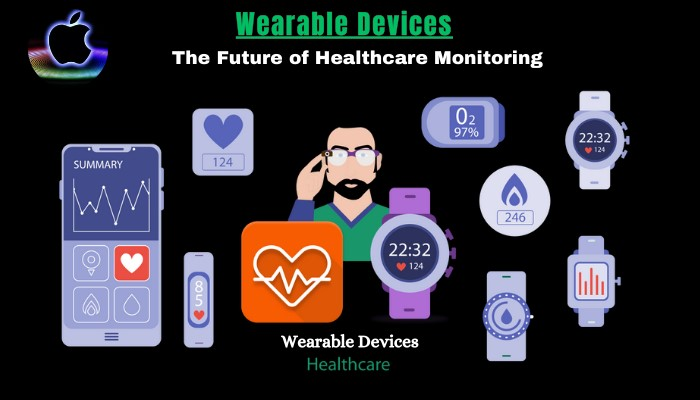
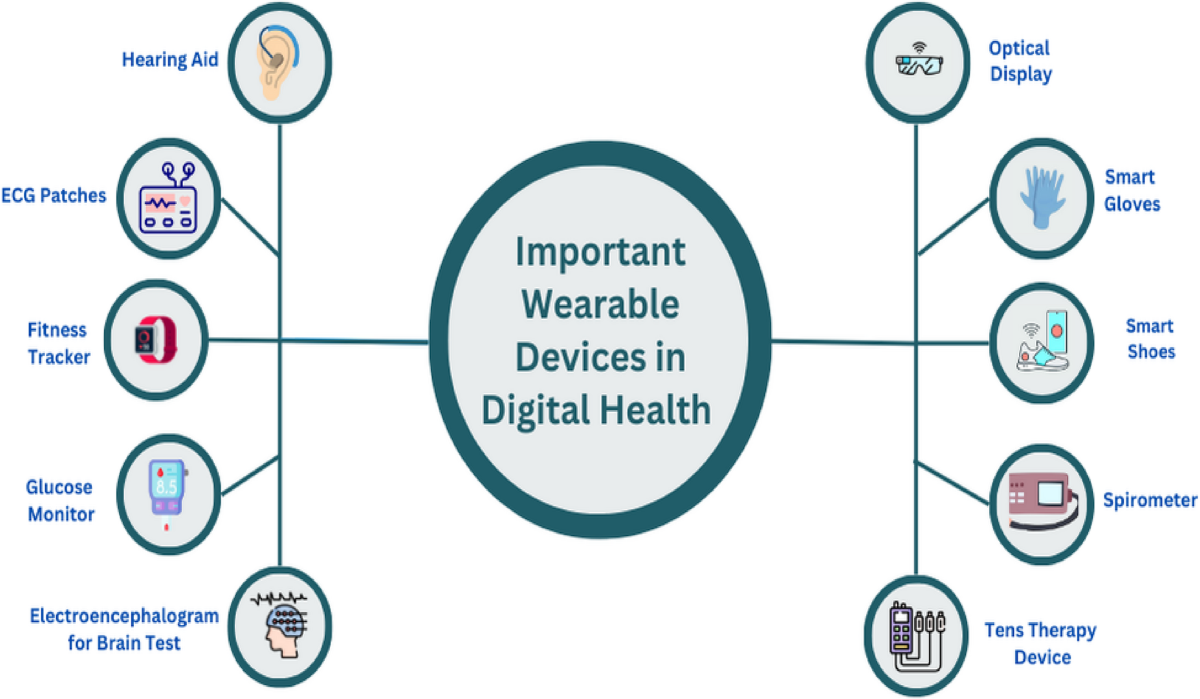
Wearable tech comes in many shapes and sizes, each designed to monitor different aspects of health. Fitness trackers are popular for counting steps, calories, and sleep quality.
Smartwatches add features like heart rate monitoring, ECG readings, and even blood oxygen levels. There are also specialized devices such as continuous glucose monitors for diabetics and posture correctors that alert you when you slouch.
Choosing the right device depends on what health goals you want to focus on. Are you aiming to improve your sleep, manage stress, or track your fitness progress?
Growth In Popularity
Wearable technology has seen rapid growth in recent years, with more people adopting these devices daily. This surge is driven by greater health awareness and advances in sensor technology making devices more accurate and affordable.
Many users report feeling more motivated to stay active or mindful simply because they can see their progress in real time. Have you noticed how a small buzz reminding you to move can change your daily routine?
The data these devices collect can also be shared with your doctor, making health checkups more informed and personalized. This trend suggests wearables could soon become an essential part of healthcare rather than just fitness accessories.

Credit: www.healio.com
Health Monitoring Features
Wearable technology offers a variety of health monitoring features designed to keep you informed about your body’s condition throughout the day. These devices collect real-time data, helping you understand patterns and make smarter health choices. Let’s look at some key features that can directly impact your well-being.
Heart Rate And Sleep Tracking
Tracking your heart rate continuously provides insights into your cardiovascular health. You can see how your heart responds to different activities and stress levels. I noticed that monitoring my resting heart rate helped me catch early signs of overtraining during workouts.
Sleep tracking measures the quality and duration of your rest. It breaks down your sleep into stages, showing how much deep sleep you get versus light sleep. Knowing this helped me adjust my bedtime routine, improving my energy levels during the day.
Activity And Fitness Metrics
Wearables count your steps, calories burned, and active minutes, motivating you to move more. Setting daily goals and watching your progress makes staying active feel achievable. I found that seeing my step count rise gave me a small boost of motivation to walk a little further each day.
Some devices also track specific exercises, giving detailed feedback on pace, distance, and form. This data can guide you to improve performance and avoid injuries. Have you ever thought about how precise feedback could change the way you train?
Stress And Mental Health Sensors
Many wearables now include sensors to detect stress by analyzing heart rate variability and skin responses. They alert you when stress levels rise, prompting timely relaxation or breathing exercises. I was surprised how just a few minutes of guided breathing, triggered by an alert, lowered my stress noticeably.
Some devices also track mood and mindfulness habits, encouraging mental wellness alongside physical health. This feature makes you more aware of your emotional state and helps build healthier coping habits. Could paying attention to your stress signals change your daily mindset?
Benefits For Physical Health
Wearable technology offers clear benefits for physical health. These devices track daily activities and vital signs. They help users stay motivated and aware of their health status. Small, consistent actions lead to better health over time. Wearables provide real-time feedback that encourages positive habits and early health interventions.
Encouraging Active Lifestyles
Wearables motivate users to move more and sit less. Step counters and activity reminders push users to reach daily goals. Seeing progress in numbers makes exercise feel rewarding. Many devices offer challenges and badges, adding fun to fitness. This motivation helps build a routine and improve overall fitness.
Early Detection Of Health Issues
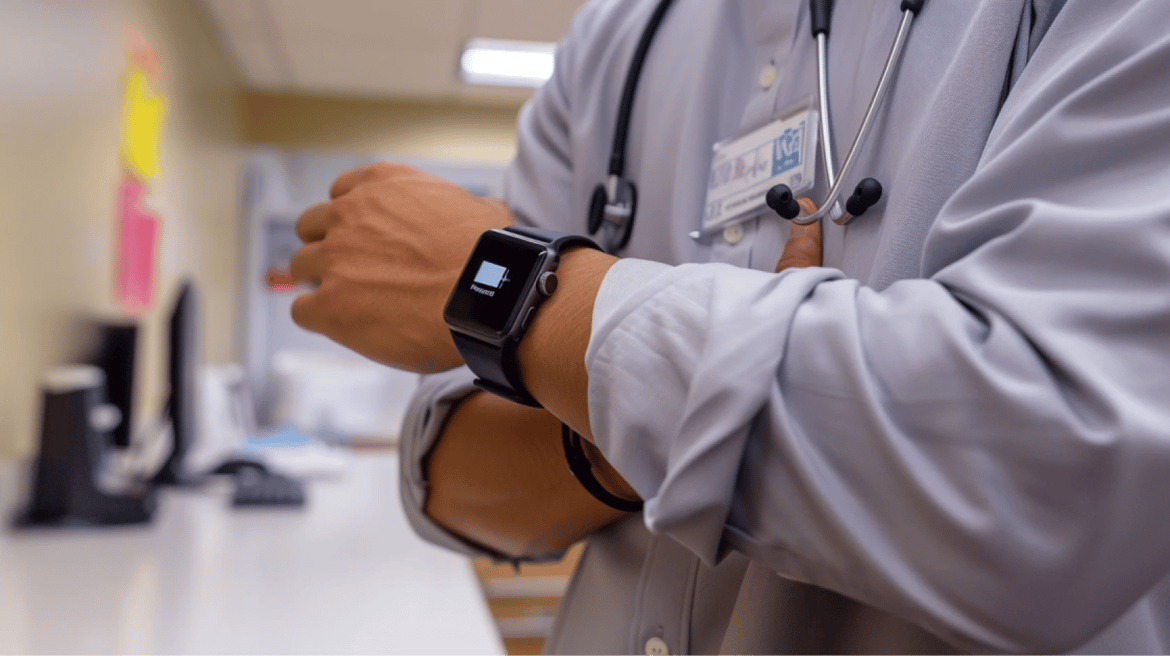
Wearable devices monitor heart rate, sleep, and oxygen levels. They alert users to unusual changes that need attention. Early warnings can prevent serious health problems. Tracking patterns over time helps detect issues like irregular heartbeat. This allows users to seek medical advice sooner and avoid complications.
Credit: www.otandp.com
Impact On Mental Wellbeing
Wearable technology plays a growing role in supporting mental wellbeing. These devices track physical signs that relate to mental health. They help users understand and manage stress, mood, and overall mental state. By providing real-time data, wearables encourage healthier habits and better self-awareness.
Mindfulness And Stress Reduction
Wearables offer guided breathing exercises and mindfulness reminders. These features help users pause and focus on the present moment. They also monitor heart rate variability to detect stress levels. When stress rises, the device suggests calming activities. This support can reduce anxiety and improve emotional balance.
Improving Sleep Quality
Sleep tracking is a key feature of many wearables. These devices record sleep duration and stages throughout the night. Users receive feedback on sleep patterns and tips to improve rest. Better sleep boosts mood, sharpens concentration, and lowers stress. Consistent sleep tracking encourages routines that promote mental clarity.
Challenges And Limitations
Wearable technology promises a lot, but it also comes with its own set of challenges and limitations that can affect how well it actually improves your health. Understanding these issues helps you make smarter choices about which devices to trust and how to use them effectively.
Data Accuracy Concerns
One major challenge with wearable devices is how accurate their data really is. Many devices measure steps, heart rate, or sleep patterns, but their readings can vary widely depending on the brand or model.
For example, if your fitness tracker miscounts your steps or gives inconsistent heart rate readings, you might base your health decisions on faulty information. This can lead to frustration or even risky choices if you rely too much on the device.
Ask yourself: Are you confident that your wearable’s data truly reflects your body’s signals? Checking reviews and comparing devices before buying can save you from misleading results.
Privacy And Security Risks
Another critical concern is how wearable technology handles your personal health data. These devices collect sensitive information, and not all manufacturers have strong security measures in place.
Imagine if your health details were hacked or shared without your permission. This could affect your privacy, insurance rates, or even job opportunities.
To protect yourself, look for devices that offer robust privacy policies and encryption. Always read the fine print and control what data you share. How much personal information are you willing to trade for convenience?
Future Trends In Wearables
Wearable technology is evolving rapidly, shaping how you monitor and manage your health. The next wave of innovations promises even smarter devices that not only track but also predict and personalize your wellness journey. Let’s dive into the future trends that could transform your daily health experience.
Integration With Ai And Big Data
Imagine your wearable not just collecting data but understanding it deeply. By combining AI with big data, devices will analyze patterns unique to you, offering tailored advice on fitness, sleep, and stress management.
This means your wearable could alert you to early signs of illness or suggest lifestyle changes before problems arise. Have you ever thought about how personalized your health recommendations could get with such technology?
Advancements In Sensor Technology
Sensors are becoming smaller, more accurate, and capable of measuring a wider range of health metrics. Soon, wearables might monitor blood sugar, hydration levels, or even detect mental health changes in real-time.
These improvements will allow you to track your health with medical-grade precision without visiting a clinic. What new health insights would you want your wearable to provide?
Credit: journalofcloudcomputing.springeropen.com
Frequently Asked Questions
Does Wearable Technology Track Health Accurately?
Wearable technology uses sensors to monitor health metrics like heart rate and sleep. Accuracy varies by device quality and usage. Most wearables provide reliable data for general health monitoring but may not replace professional medical equipment.
Can Wearables Motivate Healthier Lifestyle Changes?
Yes, wearables encourage users to stay active by setting goals and tracking progress. Real-time feedback and reminders help maintain motivation. This often leads to improved exercise habits and better overall health.
Are Wearable Health Devices Suitable For All Ages?
Wearable devices are designed for various age groups but may be more beneficial for adults. Children and elderly users should choose age-appropriate models with simple interfaces. Consulting a healthcare provider before use is advisable.
How Do Wearables Improve Chronic Disease Management?
Wearables help monitor chronic conditions by tracking vital signs continuously. This data can alert users and doctors to potential issues early. It supports personalized treatment plans and better disease control.
Conclusion
Wearable technology holds promise for better health outcomes. Devices track vital signs, activity, and sleep. This data helps people make informed health choices. Users can set goals and monitor progress easily. Wearables also provide reminders for medication and exercise. Healthcare professionals gain valuable insights from collected data.
Yet, reliance solely on technology may not guarantee health improvements. Lifestyle changes and medical advice remain essential. Balance is key. Wearable technology acts as a helpful tool in the health journey. But personal commitment is crucial for real change. Choose wisely.
Embrace technology, but prioritize holistic health approaches.
Leave a Reply