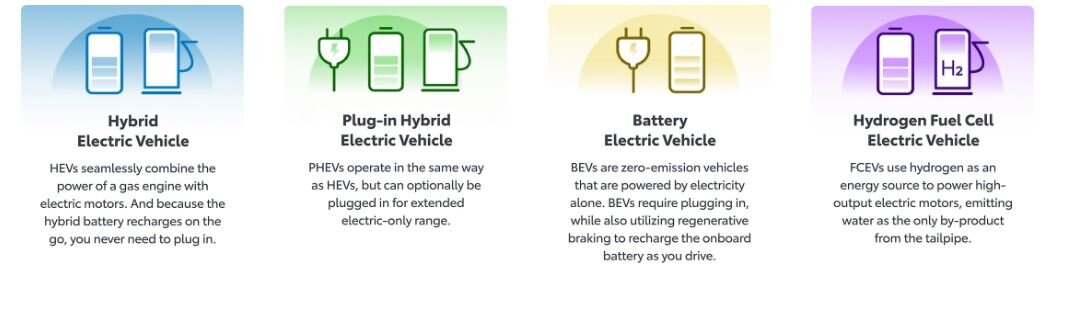
Are you wondering if your BEV or PHEV’s electrical system needs regular maintenance? It’s a smart question.
Many people assume electric vehicles require less upkeep, but the truth might surprise you. Taking care of your car’s electrical components can save you money and prevent unexpected breakdowns. You’ll discover exactly what kind of maintenance your BEV or PHEV electrical system needs and why it matters for your vehicle’s performance and lifespan.
Keep reading to protect your investment and enjoy a smoother driving experience.
Importance Of Electrical System Maintenance
Electrical systems in BEVs and PHEVs need regular checks to work well. These systems power many parts of the vehicle. Keeping them in good shape helps the car run safely and smoothly. Neglect can cause big problems and costly repairs.
Regular maintenance finds small issues early. It stops those issues from turning into bigger troubles. This care also improves how long the battery and electrical parts last. It ensures the vehicle stays reliable every day.
Preventing Electrical Failures
Electrical failures can stop the car from starting or running. Checking wires, fuses, and connections helps catch wear or damage. Fixing these early prevents breakdowns on the road. It keeps the vehicle safe for driving.
Improving Battery Performance
The battery is key in BEVs and PHEVs. Its health affects how far the car can go. Regular checks ensure the battery charges and discharges properly. This helps maintain good battery life and driving range.
Ensuring Safety
Electrical faults can cause sparks or fires. Proper maintenance reduces these safety risks. Inspections verify that all electrical parts meet safety standards. This protects passengers and the vehicle from harm.
Saving Money Over Time
Fixing small electrical problems early costs less. Waiting can lead to expensive repairs or battery replacement. Regular maintenance avoids these high costs. It keeps the car in top condition longer.
Maintaining Vehicle Efficiency
Electrical systems control many efficiency features. Proper maintenance ensures these systems run smoothly. This helps the car use energy in the best way. It supports lower running costs and cleaner driving.
Key Components Of Bev And Phev Electrical Systems
Understanding the key components of BEV (Battery Electric Vehicle) and PHEV (Plug-in Hybrid Electric Vehicle) electrical systems is essential for knowing why regular maintenance matters. These vehicles rely heavily on complex electrical parts that work together to deliver efficient performance. If you want to keep your vehicle running smoothly, it’s important to pay attention to these critical elements.
Batteries And Charging Systems
The battery is the heart of your BEV or PHEV. It stores the energy that powers the vehicle and needs to be maintained to ensure longevity and safety. You should regularly check the battery’s state of charge, temperature, and health status to avoid unexpected issues.
The charging system, including the onboard charger and external charging ports, also requires attention. Dirt, corrosion, or damage to connectors can slow down charging or cause failures. Have you noticed your charging times increasing or connectors feeling loose? These could be signs that maintenance is needed.
Electric Motors And Controllers
Your vehicle’s electric motor converts electrical energy into mechanical power. Controllers manage this process, ensuring smooth acceleration and efficient energy use. These components are built to last but can suffer from overheating or electrical faults if not cared for.
Keeping the cooling system clean and checking for unusual noises or performance drops can help you catch problems early. Think about how your vehicle responds during acceleration—does it feel weaker or less responsive? That might be your motor or controller signaling for a check-up.
Wiring And Connectors
Wiring and connectors form the nervous system of your vehicle, carrying electricity between components. Over time, wires can wear out, connectors can corrode, and insulation can crack, leading to shorts or power losses. Regular inspections can prevent small issues from turning into costly repairs.
Simple steps like ensuring connectors are tight and clean, and checking for visible damage can make a big difference. Have you ever experienced flickering dashboard lights or intermittent power loss? These could be symptoms of wiring problems that you can spot before they escalate.
Signs Of Electrical System Issues
Electrical system problems in BEVs and PHEVs can affect performance and safety. Early signs help catch issues before they worsen. Watch for changes in driving range, strange sounds or smells, and dashboard alerts. These signals often point to underlying electrical faults needing attention.
Reduced Driving Range
A sudden drop in driving range may indicate electrical issues. Faulty batteries or power management systems can reduce efficiency. This leads to shorter trips and more frequent charging. Monitor range regularly to spot unusual declines quickly.
Unusual Noises Or Smells
Buzzing or clicking sounds can signal electrical faults. Overheating wires may produce burning smells. Ignoring these signs risks damage or fire. Stop the vehicle and get professional help if noises or smells persist.
Dashboard Warning Lights
Warning lights on the dashboard alert you to electrical problems. Battery, motor, or system errors trigger these signals. Do not ignore them. Consult the vehicle manual and schedule maintenance promptly to avoid bigger issues.
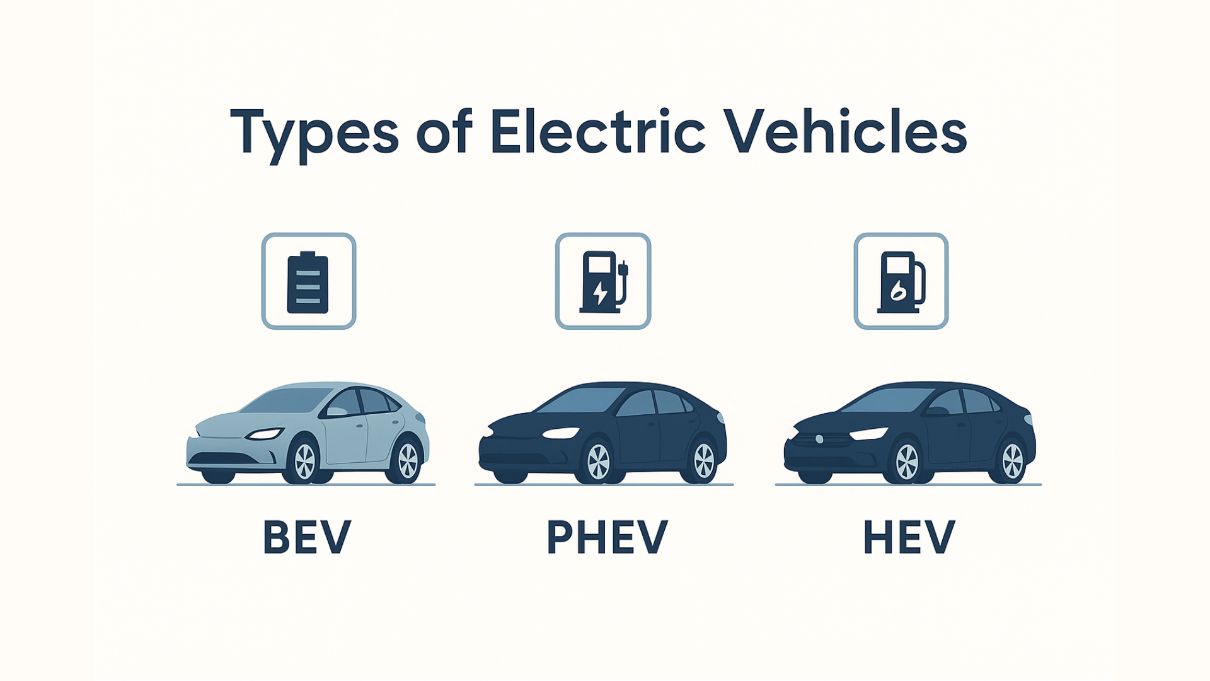
Credit: pulseenergy.io
Routine Maintenance Tips
Routine maintenance keeps BEVs and PHEVs running smoothly. It helps avoid costly repairs and extends vehicle life. Regular checks ensure electrical systems stay safe and efficient. Follow these simple tips to maintain your electric vehicle properly.
Regular Battery Inspections
Check the battery for signs of wear and damage. Look for corrosion on terminals and loose connections. Clean terminals with a soft brush if needed. Monitor battery charge levels and any unusual draining. Schedule professional battery health tests yearly.
Checking And Replacing Wiring
Inspect wiring for cracks, fraying, or exposed wires. Damaged wires can cause shorts or reduce efficiency. Replace worn wiring immediately to prevent hazards. Keep wiring clean and dry to avoid corrosion. Use only manufacturer-approved parts for replacements.
Monitoring Software Updates
Electric vehicles rely on software for performance and safety. Check for updates regularly through the vehicle’s system or app. Install updates promptly to fix bugs and improve features. Updated software helps optimize battery and motor function. Consult the dealer for complex update issues.
Professional Maintenance Services
Professional maintenance services are vital for BEVs and PHEVs electrical systems. These systems are complex and require expert care to stay efficient and safe. Regular check-ups by skilled technicians help detect issues early. This prevents costly repairs and extends vehicle life.
Professional services include diagnostics, battery health checks, and software updates. Trained technicians use specialized tools to inspect every component. This ensures your vehicle operates smoothly and reliably.
Choosing A Qualified Technician
Select a technician with proper training in electric vehicles. Look for certifications from recognized automotive institutions. Experience with BEVs and PHEVs is essential. Check reviews or ask for recommendations to find trustworthy experts.
Frequency Of Professional Checks
Schedule professional inspections at least once a year. Some manufacturers suggest more frequent checks depending on driving habits. Regular visits help maintain battery health and electrical connections. Early detection of wear can prevent breakdowns.
Cost Considerations
Professional maintenance costs vary by service and vehicle model. Routine inspections are generally affordable and save money long-term. Consider investing in maintenance to avoid expensive repairs. Compare prices and service packages before choosing a provider.
_transmission_market.webp)
Credit: www.fortunebusinessinsights.com
Diy Maintenance Practices
DIY maintenance for BEVs and PHEVs helps keep their electrical systems in good shape. Regular checks prevent small issues from turning into costly repairs. Simple tasks can extend battery life and improve vehicle performance. Understanding the basics makes DIY maintenance safe and effective.
Safety Precautions
Always disconnect the main power source before starting any work. Use insulated gloves to avoid electric shocks. Work in a dry, well-lit area to reduce risks. Avoid wearing jewelry or loose clothing near electrical parts. Keep a fire extinguisher nearby for emergencies.
Basic Tools And Equipment
- Multimeter for measuring voltage and current
- Insulated screwdrivers and pliers
- Battery terminal cleaner
- Protective gloves and safety glasses
- Flashlight for inspecting dark areas
Having these tools ready makes maintenance easier and safer.
Simple Troubleshooting Techniques
- Check battery charge levels regularly
- Inspect wiring for visible damage or corrosion
- Listen for unusual sounds during charging
- Test fuses and replace if blown
- Clean battery terminals to ensure good contact
These quick checks help spot problems early and keep your vehicle running smoothly.
Enhancing Longevity And Performance
Maintaining the electrical systems in BEVs and PHEVs is vital for their long life and strong performance. These systems include batteries, motors, and control units that power the vehicle. Proper care helps avoid early wear and keeps the car running smoothly. Small habits can make a big difference in preserving the battery’s health and the overall system efficiency.
Optimizing Charging Habits
Charging habits affect battery lifespan significantly. Avoid charging the battery to 100% all the time. Keeping the charge between 20% and 80% reduces stress on the battery cells. Slow charging is better than fast charging for daily use. Fast charging should be limited to trips or emergencies. Unplug the vehicle once charging is complete to prevent overcharging.
Temperature Management
Temperature impacts battery efficiency and durability. Extreme heat or cold can damage battery cells. Parking in shaded or covered areas protects the car from harsh weather. Use climate control settings to keep the battery at an optimal temperature. Some vehicles have built-in thermal management systems; ensure these are functioning properly. Avoid leaving the car in freezing or very hot conditions for long periods.
Regular Driving Patterns
Consistent driving supports battery health and system function. Long periods of inactivity can cause battery degradation. Drive the vehicle regularly to maintain the charge and keep the system active. Mix short and moderate trips to balance battery use. Avoid frequent deep discharges or keeping the battery nearly empty. Balanced driving habits help maintain peak performance and extend system life.

Credit: ev-lectron.com
Future Trends In Electric Vehicle Maintenance
The future of electric vehicle maintenance is evolving fast. As battery electric vehicles (BEVs) and plug-in hybrid electric vehicles (PHEVs) become more common, their maintenance demands are changing too. Understanding upcoming trends helps you keep your vehicle in top shape without surprises.
Advancements In Battery Technology
Batteries are the heart of electric vehicles, and new technologies are making them last longer and perform better. Solid-state batteries, for example, promise higher energy density and faster charging times. This means fewer battery replacements and less frequent maintenance for you.
But even with better batteries, regular checks remain important. Monitoring battery health can prevent unexpected failures and optimize your driving range.
Automated Maintenance Systems
Electric vehicles are increasingly equipped with automated systems that monitor their own health. These systems can alert you early about issues like battery degradation or electrical faults. Imagine getting a notification on your phone before a small problem becomes costly.
Some workshops are already using robotics and AI diagnostics to speed up repairs. This reduces downtime and ensures your EV gets precise care.
Impact Of Smart Connectivity
Smart connectivity links your vehicle to apps, service centers, and even other cars. This network provides real-time data on your EV’s performance and maintenance needs. You could schedule service appointments automatically based on actual vehicle conditions.
Connectivity also allows over-the-air updates that improve software and fix bugs without visiting a garage. Are you ready to rely on your EV’s digital assistant to manage your maintenance schedule?
Frequently Asked Questions
Do Bevs Need Regular Electrical System Maintenance?
Yes, BEVs require regular electrical system checks. This ensures battery health, wiring integrity, and optimal performance. Maintenance prevents unexpected failures and extends vehicle lifespan.
How Often Should Phevs Get Electrical System Inspections?
PHEVs should have their electrical systems inspected at least once a year. Regular checks help identify issues early, ensuring safe and efficient vehicle operation.
What Components In Bevs Need Electrical Maintenance?
Key components include the battery pack, wiring harness, onboard charger, and control modules. Regular maintenance ensures these parts function properly and avoid costly repairs.
Can Neglecting Electrical Maintenance Affect Phev Performance?
Yes, neglect can cause reduced battery efficiency, electrical faults, and safety risks. Timely maintenance keeps the vehicle reliable and maximizes fuel and electric range.
Conclusion
BEVs and PHEVs need regular checks on their electrical systems. This helps keep the car safe and working well. Small problems can turn big if ignored. Regular maintenance saves money and worry later. It also keeps the battery healthy and lasts longer.
Simple inspections catch issues early and avoid breakdowns. Take care of your vehicle’s electrical parts like any other. This keeps your rides smooth and reliable every day. Maintenance is not hard but very important for electric cars. Stay ahead with small efforts.
Your car will thank you.
Leave a Reply