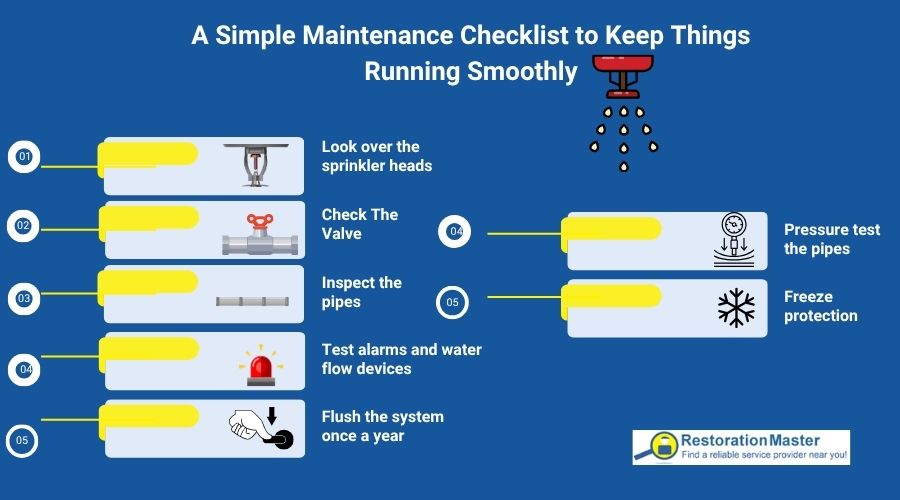
Your sprinkler system is the key to keeping your lawn green and healthy. But if it’s not working properly, you could be wasting water and money.
How do you make sure your sprinkler system runs smoothly all year long? You’ll discover simple, effective steps to maintain your sprinkler system. By following these tips, you’ll save time, avoid costly repairs, and enjoy a perfectly watered yard. Keep reading to learn how easy it is to protect your investment and get the most out of your sprinkler system.
Common Sprinkler System Issues
Sprinkler systems often face common issues that affect their performance. Knowing these problems helps keep your system running smoothly. Early detection prevents water waste and lawn damage.
Some issues cause uneven watering, while others stop the system completely. Regular checks can catch these problems before they get worse. Understanding these issues makes maintenance easier and less costly.
Leaking Sprinkler Heads
Leaking heads waste water and create soggy spots. Dirt or damage can cause leaks. Check heads for cracks or loose parts. Replace damaged heads to stop leaks.
Clogged Nozzles
Nozzles can get blocked by dirt or debris. Blocked nozzles reduce water flow or stop it. Clean nozzles regularly with a soft brush or needle. This keeps water spraying evenly.
Broken Or Damaged Pipes
Pipes may crack from weather or pressure. Broken pipes cause leaks under the ground. Look for wet spots or low water pressure. Call a professional for pipe repair if needed.
Sprinkler Heads Not Popping Up
Heads that don’t rise may be stuck by dirt or damage. Check for debris or broken parts around the head. Clean or replace the parts to restore function.
Timer Or Controller Malfunctions
Controllers control watering schedules. Faulty timers cause overwatering or dry spots. Test the timer regularly and replace batteries if needed. Reset or replace the controller when it stops working.
Uneven Water Coverage
Uneven watering leads to dry patches or puddles. Wrong nozzle type or pressure causes this. Adjust sprinkler heads and check water pressure. Use the correct nozzles for your lawn size.
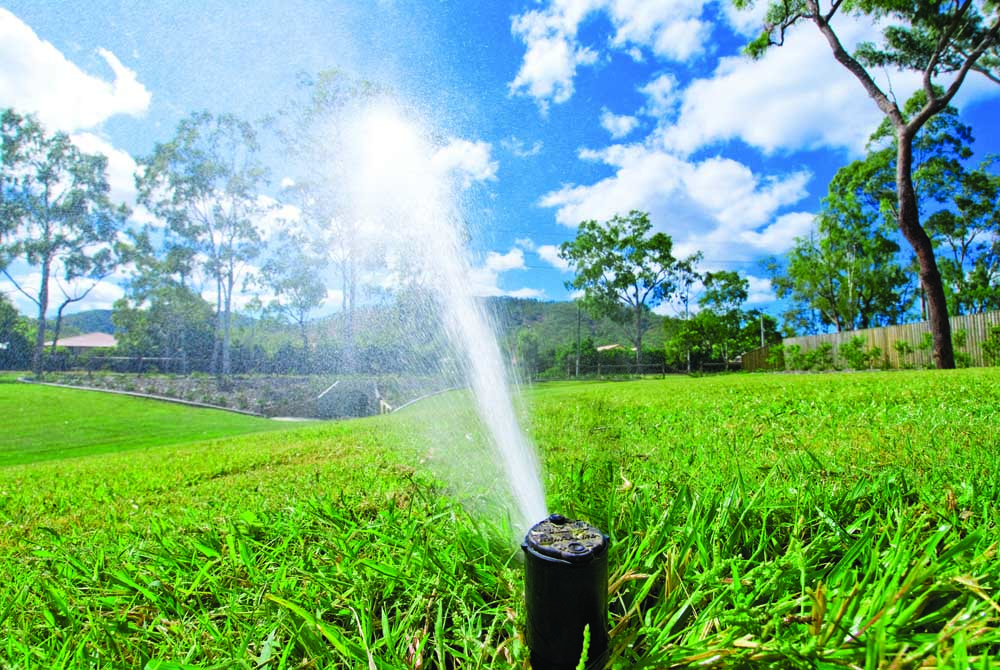
Credit: bluemountaineagle.com
Seasonal Maintenance Checklist
Maintaining your sprinkler system throughout the year ensures it runs efficiently and saves you money on water bills. A seasonal maintenance checklist helps you stay on top of essential tasks and avoid costly repairs. Let’s break down what you should focus on during each season to keep your system in top shape.
Spring Preparations
Spring is the time to wake up your sprinkler system after winter. Start by inspecting all heads for damage or clogs. Clean or replace any that don’t spray evenly.
Next, check the backflow preventer and valves for leaks. Turn the water on slowly and listen for unusual sounds that could signal pressure issues. Adjust your watering schedule to match the growing season, typically 2-3 times per week depending on your climate.
Summer Adjustments
Summer heat means your system will run more often, so pay attention to its performance. Look for signs of overwatering, like soggy soil or algae growth. Adjust your timers to water early in the morning or late at night to reduce evaporation.
Keep an eye on zones that might need extra attention, such as shady areas or spots with new plants. Make minor repairs promptly; a leaking sprinkler can waste hundreds of gallons a week without you noticing.
Fall Shutdown Procedures
As temperatures drop, it’s time to prepare your system for less frequent use. Drain excess water from pipes and sprinkler heads to prevent freezing damage. If your system has a manual drain valve, use it to empty water.
Check and repair any broken or damaged parts before shutting down completely. Adjust your watering schedule to once a week or less, depending on rainfall. This step helps your system rest without causing harm.
Winterizing Tips
Winterizing your sprinkler system prevents costly damage from freezing water. Use an air compressor to blow out any remaining water in the pipes and heads. Be cautious not to over-pressurize, as this can cause cracks.
Insulate exposed pipes and valves with foam covers or insulation tape. Turn off the main water supply and disconnect any hoses. Have you ever experienced a burst pipe in winter? Taking these steps can save you from a similar headache.
Tools And Materials Needed
Maintaining a sprinkler system requires specific tools and materials. Having the right items makes the job easier and ensures your system works well. These tools help you check, clean, and fix parts of the sprinkler.
Gathering these items before starting saves time and effort. It also helps avoid damage to the system during maintenance. The list below covers basic and essential tools you need.
Essential Hand Tools
- Screwdrivers: for opening control boxes and adjusting valves
- Adjustable wrench: to tighten or loosen nuts and bolts
- Pipe wrench: useful for gripping and turning pipes
- Utility knife: for cutting tape or trimming sprinkler heads
- Needle-nose pliers: to handle small parts and connectors
Cleaning Supplies
- Garden hose with spray nozzle: for flushing out dirt
- Wire brush: to remove rust and debris from parts
- Soft cloth or rag: for wiping clean surfaces
- Bucket: to hold water or cleaning solutions
Replacement Parts And Materials
- Sprinkler heads: in case some need replacement
- Valve repair kits: to fix leaks or malfunctioning valves
- PTFE tape (plumber’s tape): to seal pipe threads
- Pipe connectors and fittings: for repairing broken sections
- Lubricant: to ease moving parts like valve stems
Safety Gear
- Gloves: protect hands from dirt and sharp edges
- Safety glasses: guard eyes from debris and splashes
Inspecting Sprinkler Heads
Inspecting sprinkler heads is a crucial part of maintaining your sprinkler system. These small devices are responsible for delivering water efficiently to your lawn or garden. If they are damaged or clogged, your system won’t work as well, and you might end up wasting water or missing dry spots.
Checking For Damage
Start by examining each sprinkler head closely. Look for cracks, broken parts, or any signs of wear and tear. Damaged heads can cause uneven watering or leaks that increase your water bill.
Try to spot heads that don’t pop up fully or spray water unevenly. These issues often mean the head needs repair or replacement. Have you noticed any dry patches in your lawn where water should be reaching?
Cleaning Nozzles
Nozzles can get clogged with dirt, grass, or mineral buildup, which affects their spray pattern. Use a small brush or a toothpick to gently remove debris from the nozzle openings.
If buildup is stubborn, soak the nozzles in a vinegar solution for a few minutes to dissolve minerals. After cleaning, test the spray to ensure water flows smoothly and covers the intended area.
Adjusting Water Pressure
Adjusting the water pressure in a sprinkler system is key to its proper function. Too much pressure can damage the system, while too little pressure limits coverage. Knowing how to check and adjust pressure keeps your lawn green and healthy. It also saves water and prevents wasted energy.
Understanding Ideal Water Pressure Levels
Most sprinkler systems work best between 30 and 50 psi (pounds per square inch). This range ensures water sprays evenly and reaches all areas of your lawn. Pressures outside this range cause problems:
- Low pressure leads to weak spray and dry spots.
- High pressure creates misting and runoff.
- Extreme pressure can damage pipes and sprinkler heads.
How To Measure Your Sprinkler System Pressure
Use a pressure gauge to get accurate readings. Attach the gauge to the system’s test port or a sprinkler head. Turn on the system and watch the gauge. Check pressure during normal operation for best results. Record the number for future reference.
Steps To Adjust Water Pressure
Locate the pressure regulator or valve on your system. These parts control water flow and pressure. Turn the regulator or valve slowly to increase or decrease pressure. After each adjustment, test spray patterns. Repeat until you reach the ideal pressure level.
Signs Of Incorrect Water Pressure
- Uneven watering or dry patches.
- Sprinkler heads leaking or broken.
- Water pooling near sprinkler heads.
- Loud noises from pipes or valves.
Maintaining Proper Pressure Over Time
Check pressure regularly, especially before the growing season. Clean filters and sprinkler heads to avoid blockages. Replace worn or damaged parts to keep pressure steady. Proper care extends system life and improves efficiency.
Testing Coverage And Distribution
Testing the coverage and distribution of your sprinkler system is key to keeping your lawn healthy and green. It helps you spot areas that aren’t getting enough water and ensures every part of your yard receives just the right amount. Regular checks save you from wasting water and prevent dry or overwatered patches.
Identifying Dry Spots
Walk around your lawn after running the sprinkler for a full cycle. Look closely for any areas where the grass looks thinner, brown, or feels dry to the touch. These dry spots often mean your sprinkler heads aren’t reaching those zones effectively.
Mark these areas with small flags or stakes. This makes it easier to adjust your sprinklers or add extra heads later. Sometimes, obstacles like trees or garden furniture block water, so check if anything is in the way.
Ensuring Even Coverage
Watch your sprinklers in action. Are the spray patterns overlapping enough to avoid gaps? Too much overlap can waste water, while too little causes uneven watering. Adjust the spray distance and angles of your sprinkler heads to get the best coverage.
Try using simple tools like a rain gauge or placing small containers in different parts of your yard. After a watering cycle, compare how much water each container collected. This hands-on test reveals if any sections are getting more or less water than others.
Have you noticed that some areas stay soggy while others dry out quickly? Fixing this balance keeps your grass healthier and cuts down your water bill.
Programming The Controller
Programming the controller is the heart of maintaining your sprinkler system. It lets you control when and how long each part of your yard gets watered. A well-programmed controller saves water, keeps your plants healthy, and prevents overwatering.
Setting Up Timers
Start by setting the current date and time on your controller. This ensures your watering schedule matches real-world conditions. Next, decide how often you want to water—daily, every other day, or specific days of the week.
Think about your local climate and soil type. Sandy soil might need more frequent watering, while clay soil holds moisture longer. Setting the right timer helps avoid water waste and keeps your lawn looking its best.
Many controllers allow you to set multiple start times per day. This feature is handy if you want to water in early morning and late afternoon to reduce evaporation. Have you tried splitting watering times like this? It can make a big difference.
Configuring Zones
Your yard is likely divided into different zones, each with unique watering needs. Programming zones individually lets you tailor watering times precisely. For instance, flower beds usually require less water than a grassy lawn.
Label your zones clearly on the controller or in a notebook. This helps you track which area needs adjusting over time. You can increase watering for new plants or reduce it for shaded zones that stay moist longer.
Test each zone by running the system manually before setting up the schedule. This step ensures every sprinkler head works and covers the intended area. Have you noticed some heads spraying the sidewalk? Adjusting zones can fix that.
Repairing Leaks And Blockages
Repairing leaks and blockages in your sprinkler system keeps it working efficiently. Small issues can waste water and reduce system performance. Regular checks help catch problems early. Fixing leaks and clearing blockages restores proper water flow. This saves water and protects your landscape. Easy maintenance steps keep your sprinkler system healthy all year.
Identifying Leaks
Look for wet spots or puddles near sprinkler heads. These signs often show leaks in pipes or fittings. Check for low water pressure in the system. It may indicate water escaping from leaks. Inspect sprinkler heads for cracks or damage. Damaged parts often cause leaks and uneven watering. Listen for hissing sounds underground. This noise may come from water escaping pipes.
Use a simple water meter test to find leaks:
- Turn off all water sources except the sprinkler system.
- Record the water meter reading before the system runs.
- Run the system for 15 minutes, then check the meter again.
- Higher water use without watering means a leak is present.
Clearing Clogs
Clogs block water flow and reduce sprinkler reach. Dirt, debris, or mineral deposits often cause blockages. Remove sprinkler heads and rinse them under water. Use a small brush or toothpick to clear tiny holes. Flush the pipes by running water at full pressure. This can push out debris inside the system. Check filters and screens for trapped dirt. Clean or replace them to keep water flowing freely.
Regular cleaning of sprinkler parts prevents future blockages. Inspect heads for wear and replace if needed. Clear clogs quickly to keep plants healthy and green.
Choosing The Right Sprinkler Heads
Choosing the right sprinkler heads is key to keeping your lawn healthy and your watering efficient. The right sprinkler heads deliver water where it’s needed without wasting it on sidewalks or driveways. Picking the wrong ones can lead to dry spots, puddles, and higher water bills.
Types Of Sprinkler Heads
There are several types of sprinkler heads, each designed for specific watering needs. Pop-up heads are great for lawns because they stay hidden when not in use. Rotor heads cover large areas with a rotating stream, perfect for big yards. Spray heads deliver a fixed spray pattern, ideal for smaller, precise areas.
Matching Sprinkler Heads To Your Landscape
Look closely at your yard’s layout before choosing heads. Do you have flower beds, shrubs, or just grass? Spray heads work well for flower beds because they can be adjusted to avoid overwatering. For wide, open lawns, rotors save time and water by covering more ground efficiently.
Water Pressure And Flow Rate Considerations
Sprinkler heads need the right water pressure to perform well. Too little pressure, and the spray won’t reach far enough. Too much pressure, and you might get misting or uneven coverage. Check your water system’s pressure and pick heads rated to operate well within that range.
Adjustability And Coverage Patterns
Adjustable sprinkler heads give you control over spray distance and angle. This flexibility helps prevent watering sidewalks or your driveway. Some heads let you change the spray from a full circle to a half or quarter circle, which helps target water exactly where you want it.
Durability And Maintenance Needs
Choose sprinkler heads made from durable materials like brass or high-quality plastic. Heads that break or clog easily will cost you time and money in repairs. Consider heads with easy-to-clean nozzles and replaceable parts to simplify maintenance down the road.
Credit: blog.centuryfp.com
Hiring Professional Services
Maintaining your sprinkler system can be straightforward, but sometimes it needs more than just routine checks. Hiring professional services can save you time, prevent costly repairs, and ensure your system runs efficiently year-round. Professionals bring expertise and tools that most homeowners don’t have, making them invaluable when issues arise or during seasonal maintenance.
When To Call A Pro
Not every sprinkler hiccup demands a professional visit. However, if you notice uneven water distribution, frequent system malfunctions, or unusually high water bills, it’s time to get expert help. Complex problems like broken valves, clogged nozzles deep underground, or controller issues often require specialized knowledge.
Have you tried fixing leaks only to find them returning? Persistent leaks or electrical troubles in your timer system are clear signs to call a pro. Also, if you’re unsure about winterizing your system or preparing it for the growing season, a professional can prevent damage and prolong your system’s lifespan.
What To Expect From Services
When you hire a professional sprinkler service, expect a full system check that covers all components: valves, pipes, sprinkler heads, and the controller. They will test for leaks, blockages, and ensure proper water pressure throughout your yard.
Most services include seasonal adjustments, such as programming your timer for the right watering schedule based on your local climate. Some experts even offer upgrades like smart controllers that adapt to weather changes, helping you save water and money.
- Detailed inspection and troubleshooting
- Repairs or replacements of damaged parts
- System cleaning and winterizing
- Advice on water-saving techniques
Remember, professional service isn’t just fixing problems—it’s about optimizing your system’s performance. Would you rather handle guesswork or have confidence that your sprinkler system is ready to keep your lawn healthy?

Credit: www.aimarizona.com
Frequently Asked Questions
How Often Should I Maintain My Sprinkler System?
You should maintain your sprinkler system at least twice a year. Spring and fall checks help prevent damage and ensure efficiency. Regular maintenance keeps your system running smoothly and saves water.
What Are Common Sprinkler System Maintenance Tasks?
Common tasks include checking for leaks, cleaning nozzles, adjusting spray patterns, and testing timers. Inspect valves and replace damaged parts. These steps improve performance and prevent costly repairs.
How Do I Winterize My Sprinkler System?
To winterize, drain all water from pipes and valves. Use compressed air to blow out remaining water. This prevents freezing damage and extends system lifespan during cold months.
Why Is Sprinkler System Maintenance Important?
Maintenance ensures even water distribution, reduces water waste, and prevents costly breakdowns. A well-maintained system promotes healthy plants and saves money on repairs and water bills.
Conclusion
Regular sprinkler system care saves water and money. Check for leaks often and clean clogged nozzles. Adjust timers to match seasonal needs. Test zones to ensure even watering. Protect pipes from freezing in cold months. Small steps keep your system working well.
A well-maintained sprinkler means a healthy, green lawn. Start simple and stay consistent for best results.
Leave a Reply