Have you ever wondered if your gas hot water heating system needs a yearly check-up? You rely on it to keep your home warm and comfortable, especially during the cold months.
But what if a small problem goes unnoticed and suddenly leaves you without hot water? Regular maintenance can save you from unexpected breakdowns and costly repairs. You’ll discover why annual maintenance isn’t just a good idea—it could be essential for your safety, comfort, and saving money.
Keep reading to learn how a simple yearly tune-up can protect your home and peace of mind.
Gas Hot Water Heating System Basics
Understanding the basics of your gas hot water heating system is crucial before deciding on maintenance needs. Knowing how it works and what parts are involved helps you spot issues early and maintain efficiency. Let’s break down the core elements so you can take better care of your system.
Key Components
Your gas hot water heating system has several important parts that work together to keep your water warm and your home comfortable.
- Burner:This is where the gas ignites to create heat.
- Heat Exchanger:Transfers heat from the burner to the water.
- Storage Tank:Holds the heated water ready for use.
- Thermostat:Controls the water temperature to keep it consistent.
- Flue:Vents the combustion gases safely outside.
Each component plays a vital role. If one part fails, the system won’t work efficiently, and you may waste energy or face breakdowns.
How It Works
Your system heats water by burning natural gas in the burner. The heat exchanger absorbs this heat and warms the water inside the tank.
When you turn on a hot water tap, warm water flows out of the tank, and cold water enters to be heated. The thermostat monitors the water temperature and signals the burner to ignite when needed.
Think about the last time your hot water wasn’t as hot as usual. Could a dirty burner or malfunctioning thermostat be the reason? Regular checks can prevent these issues and keep your system running smoothly.
Credit: reimerhvac.com
Importance Of Regular Maintenance
Regular maintenance of a gas hot water heating system is crucial for its safe and efficient operation. It helps identify small problems before they become costly repairs. Routine checks keep the system running smoothly and reduce unexpected breakdowns. This care also ensures your home stays warm without wasting energy.
Safety Considerations
Gas systems can pose risks like gas leaks or carbon monoxide buildup. Annual maintenance checks detect leaks early. Technicians inspect vents and burners for safe operation. Proper maintenance prevents dangerous accidents and keeps your family safe. It ensures all safety devices work properly and respond in emergencies.
Efficiency And Performance
A clean and well-maintained system uses less fuel to heat water. This saves money on energy bills. Maintenance tasks include cleaning burners and checking controls. These steps keep the system running at peak performance. Efficient systems provide steady heat and quick water heating without wasting energy.
Longevity Of The System
Regular maintenance extends the life of your heating system. It reduces wear and tear on parts. Early problem detection means fewer breakdowns and costly repairs. Proper care helps the system last many years. This protects your investment and delays the need for replacement.
Annual Maintenance Tasks
Keeping your gas hot water heating system running smoothly requires regular attention. Annual maintenance tasks help catch small issues before they become costly repairs. These tasks ensure your system stays safe, efficient, and reliable throughout the year.
Inspecting The System
Start by visually inspecting your heating system. Look for any signs of wear, rust, or damage on the pipes and the boiler itself. This quick check can reveal potential problems early, such as corrosion or loose connections.
Pay close attention to the pilot light or ignition system. Is the flame steady and blue? A yellow or flickering flame could indicate incomplete combustion, which needs professional attention.
Cleaning And Flushing
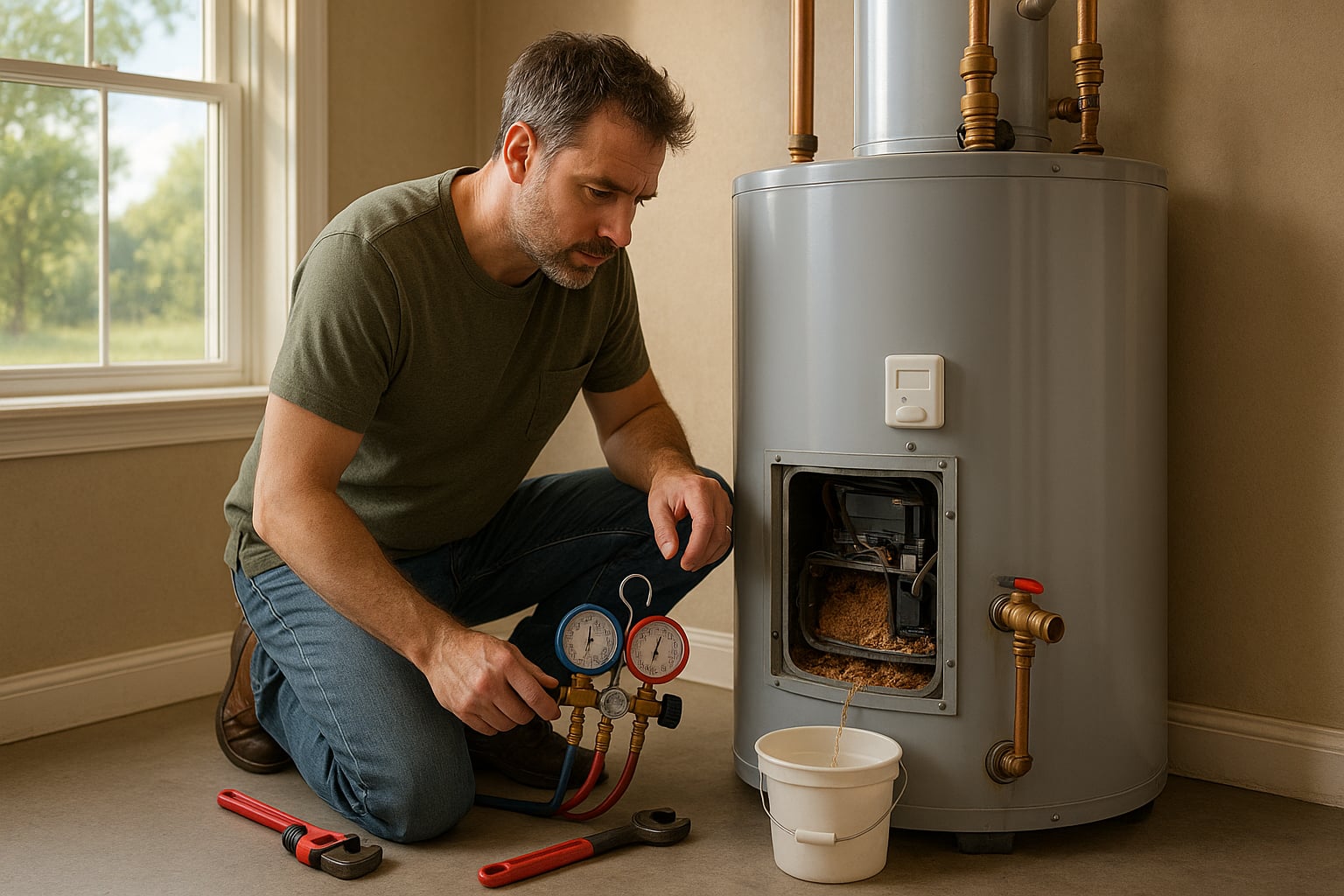
Over time, sediment and mineral deposits build up inside your system. These deposits reduce efficiency and can cause blockages. Flushing the system annually removes this buildup and improves heat transfer.
Cleaning includes wiping down the exterior parts and clearing dust from vents and fans. This not only keeps things running smoothly but also helps prevent overheating.
Checking For Leaks
Leaks in your gas hot water system can be dangerous and costly. Inspect all joints, valves, and visible pipes for any signs of water or gas leaks. Even a small drip can lead to bigger problems later on.
Listen for hissing sounds and smell for gas odors around the unit. If you detect any, shut off the gas supply immediately and call a professional.
Testing The Pressure Relief Valve
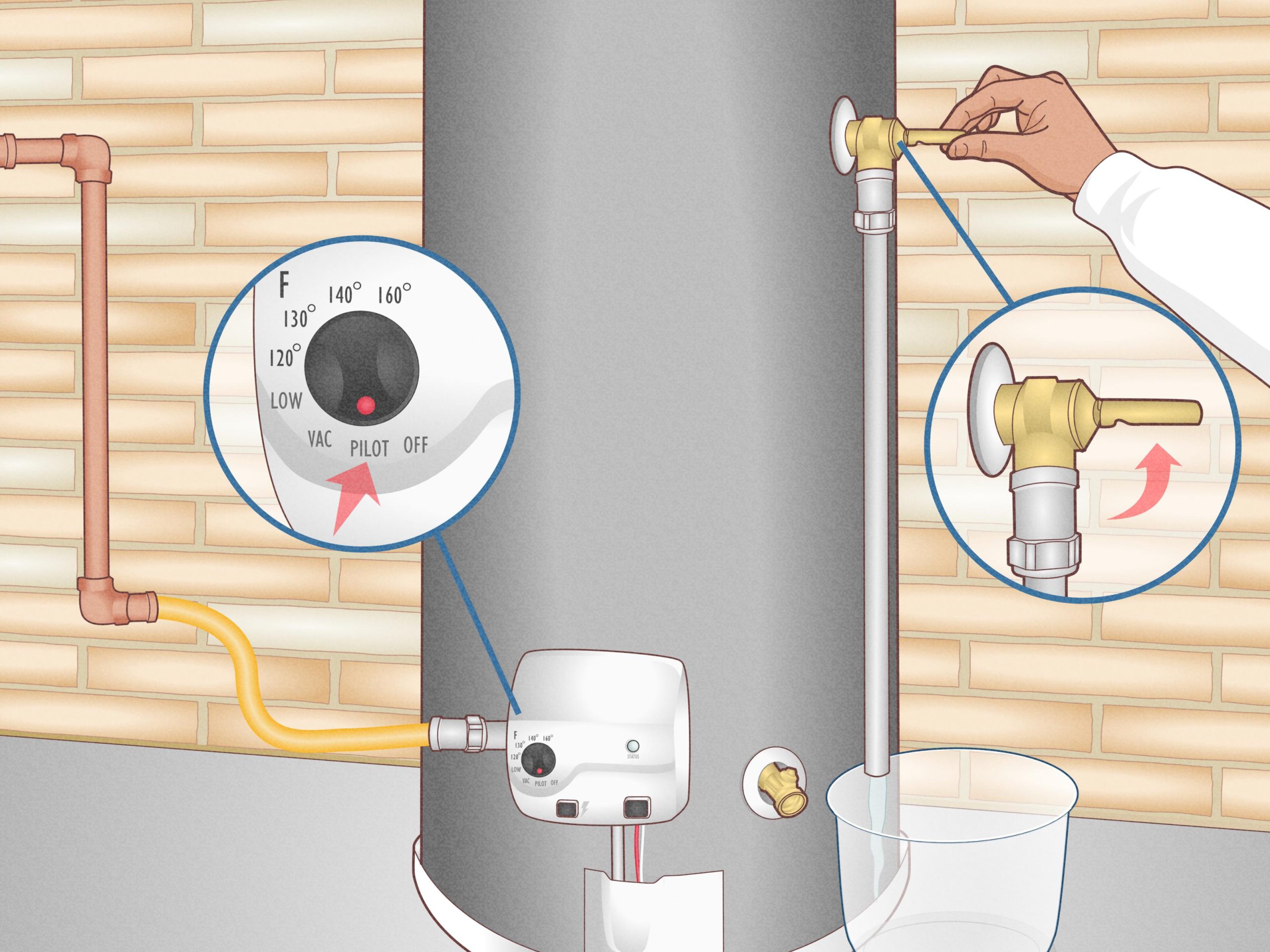
The pressure relief valve is a critical safety feature. It prevents excessive pressure buildup inside the system. Test it by lifting the valve’s lever and letting it snap back into place.
If water doesn’t flow out or the valve leaks afterward, it might be faulty and need replacement. Regular testing ensures this valve will work correctly when you need it most.
Signs Your System Needs Maintenance
Recognizing signs of trouble in your gas hot water heating system can save you time and money. Regular checks help catch issues early. Knowing these signs ensures your system runs safely and efficiently. Watch out for changes in sound, temperature, and energy use. These changes often mean maintenance is needed.
Unusual Noises
Strange sounds like banging or clanking are warning signals. These noises suggest parts inside the system are loose or damaged. A well-maintained system runs quietly. Persistent noise means it needs a professional checkup.
Fluctuating Water Temperature
Water that suddenly gets too hot or cold is a red flag. This irregular heating points to a problem with the thermostat or burner. Consistent water temperature shows the system works correctly. Fluctuations need quick attention to avoid bigger problems.
Increased Energy Bills
A sudden rise in energy bills may indicate your system is working harder. Dirt buildup or worn parts reduce efficiency. The system uses more gas to heat water. Maintenance can restore efficiency and lower your bills again.
Diy Maintenance Tips
Keeping your gas hot water heating system in top shape doesn’t always require a professional visit. You can handle some basic maintenance tasks yourself to improve efficiency and extend the life of your system. Simple, regular care can prevent small issues from turning into costly repairs.
Basic Cleaning Steps
Start by turning off the power and gas supply to your heating system to ensure safety. Remove dust and debris from accessible parts like vents, burners, and the heat exchanger using a soft brush or vacuum cleaner. Dirt buildup can reduce efficiency and cause the system to work harder than necessary.
Check the area around your system for any flammable materials and clear them away. Wiping down external surfaces with a damp cloth helps keep the unit clean and prevents dust from entering the system. Keeping your system clean also improves air quality in your home.
Regularly Checking For Corrosion
Corrosion can silently damage your gas hot water heating system, so it’s important to inspect it regularly. Look closely at metal parts, pipes, and connections for any signs of rust or discoloration. Catching corrosion early can help you avoid leaks and system failure.
If you spot any corrosion, gently clean the affected area with a wire brush and apply a rust inhibitor if possible. Monitoring your system after heavy rain or in humid environments is especially important since moisture accelerates corrosion. How often have you checked under your heating system lately?
Credit: accessheating.com
When To Call A Professional
Knowing when to call a professional for your gas hot water heating system is crucial. Some problems need expert skills and tools for safe and effective repairs. Recognizing these signs can protect your home and ensure your system works well.
Complex Repairs
Certain issues require a trained technician. These include leaks inside the unit, strange noises, or irregular heating. Professionals can diagnose hidden problems and fix them properly. Avoid trying to repair complex parts yourself. This prevents further damage and costly repairs.
Safety Concerns
Gas systems involve risks like leaks or carbon monoxide exposure. If you smell gas or see corrosion, stop using the system immediately. Call a professional to inspect and repair it safely. Experts use special equipment to detect dangers and fix them. Your safety depends on quick and correct action.
Choosing A Maintenance Service
Choosing the right maintenance service for your gas hot water heating system can make all the difference in its performance and longevity. It’s not just about finding someone who can fix problems but a professional who can prevent them. Taking time to pick a reliable service provider ensures you get value for your money and peace of mind.
What To Look For
Start by checking the technician’s credentials and certifications. A qualified professional should have up-to-date licenses and training specific to gas heating systems.
Experience matters. You want a service provider who understands the quirks and common issues of gas hot water heaters. Ask if they specialize in your system type.
Read customer reviews and testimonials. Honest feedback can reveal the reliability, timeliness, and quality of the service.
- Are they insured and bonded? This protects you from liability during repairs.
- Do they offer a service guarantee or warranty?
- How transparent are they about pricing and potential extra costs?
Questions To Ask
Before you schedule a service, prepare a list of questions. This helps you assess their knowledge and approach.
- How often do you recommend servicing a gas hot water heater?
- What specific maintenance tasks will you perform during the visit?
- Can you identify early signs of potential problems?
- What should I do to maintain the system between services?
- Do you provide a detailed report after the maintenance?
I once hired a technician who skipped explaining the process, leaving me confused about the system’s condition. Now, I always ask for a clear report and advice for upkeep. It’s your right to understand how your system is performing.
Choosing a maintenance service isn’t just about fixing what’s broken. It’s about building a relationship with a trusted expert who helps you avoid costly repairs and keeps your hot water flowing smoothly.
Cost Of Annual Maintenance
Annual maintenance for a gas hot water heating system involves costs that vary by several factors. Understanding these costs helps plan your home’s budget effectively. Routine check-ups prevent costly repairs and improve system efficiency. This section breaks down the key elements influencing maintenance costs.
Factors Affecting Cost
Several factors influence the cost of annual maintenance for your gas heating system:
- System Age:Older systems may need more parts and labor.
- Type of Service:Basic inspections cost less than full tune-ups.
- Location:Prices vary by region and local labor rates.
- Service Provider:Certified technicians may charge more but offer quality work.
- Parts Replacement:If parts need replacing, expect higher costs.
- System Size:Larger systems require more time and effort.
Budgeting For Maintenance
Plan your budget to avoid surprises. Set aside funds each year for maintenance. On average, expect to pay between $100 and $300 annually. This range covers inspections, cleaning, and minor repairs.
Consider these tips for budgeting:
- Request quotes from multiple service providers.
- Ask about service packages or discounts for annual contracts.
- Include extra funds for unexpected repairs.
- Keep a maintenance log to track expenses and service dates.
Regular maintenance saves money by extending system life and improving efficiency.
Credit: homeguide.com
Frequently Asked Questions
Does A Gas Hot Water Heating System Need Yearly Checkups?
Yes, annual maintenance ensures safety, efficiency, and extends system lifespan. It prevents costly repairs and improves performance.
What Does Annual Maintenance For Gas Water Heaters Include?
Maintenance involves inspecting burners, checking gas pressure, cleaning components, and testing safety controls. It ensures optimal operation.
Can Neglecting Maintenance Cause Safety Risks?
Yes, ignoring maintenance can lead to gas leaks, carbon monoxide buildup, and system malfunctions, posing serious health hazards.
How Often Should I Schedule Gas Water Heater Service?
Experts recommend scheduling service once a year to maintain safety and efficiency. This keeps your system running smoothly.
Conclusion
Regular maintenance keeps your gas hot water system running safely. It helps avoid costly repairs and extends the system’s life. Checking for leaks, cleaning parts, and testing pressure ensures efficiency. Skipping yearly care can lead to breakdowns and higher energy bills.
Trusting a professional to inspect your system brings peace of mind. Stay warm and save money by maintaining your heater each year. Small effort now prevents big problems later. A well-kept system means reliable hot water every day.
Leave a Reply