If you want your maintenance system to truly work, it needs more than just regular checklists and quick fixes. You need a clear set of principles that guide every step, making sure your equipment stays reliable and downtime shrinks.
Imagine cutting costs, boosting efficiency, and avoiding unexpected breakdowns—all because your maintenance system is built on solid ground. Keep reading, and you’ll discover the key principles that will transform your maintenance approach and keep your operations running smoothly.
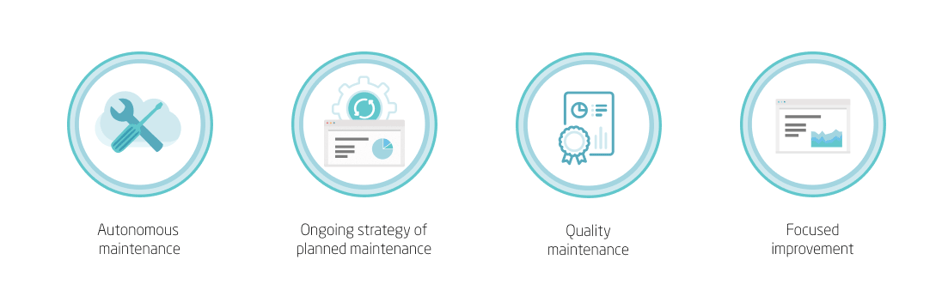
Credit: www.dynaway.com
Core Elements Of A Maintenance System
A maintenance system only works well when it includes several core elements that work together seamlessly. These elements help you prevent problems, spot issues early, and fix things efficiently when they break down. Understanding these parts can transform how you manage your equipment and keep everything running smoothly.
Preventive Measures
Preventive maintenance is about stopping problems before they start. You schedule regular inspections and tasks like cleaning, lubrication, and part replacements to avoid unexpected breakdowns.
Think about changing the oil in your car regularly—it keeps the engine healthy and saves you from costly repairs. What routine tasks can you add to your maintenance schedule to reduce surprises?
Predictive Techniques
Predictive maintenance uses data and monitoring tools to anticipate failures. Sensors track vibrations, temperature, or noise to detect when something is off.
This approach lets you fix issues exactly when needed, not too early or too late. Have you ever caught a problem early because of a warning sign? That’s predictive maintenance in action.
Corrective Actions
Even with prevention and prediction, things still break. Corrective maintenance focuses on quick and effective repairs to restore equipment function.
Having a clear process for troubleshooting and fixing problems reduces downtime and costs. How prepared are you to respond when something unexpected happens?
Technology In Maintenance
Technology plays a crucial role in shaping an effective maintenance system. It helps streamline processes, predict equipment failures, and optimize resource allocation. Without the right technology, your maintenance efforts may become reactive and inefficient.
Role Of Automation
Automation reduces manual work and human error in maintenance tasks. Imagine scheduling routine inspections automatically or triggering repair orders as soon as a sensor detects a problem. This saves time and ensures no critical maintenance is missed.
Automation tools can also manage inventory by tracking spare parts in real time. This means you won’t face unexpected downtime due to missing components. Have you ever experienced delays because a simple part wasn’t available? Automation can prevent that.
Data Analytics
Data analytics transforms raw maintenance data into actionable insights. By analyzing trends and patterns, you can predict when machines need servicing before they break down. This proactive approach saves money and reduces unexpected disruptions.
Look at maintenance logs and sensor data to identify recurring issues. Analytics helps you prioritize fixes based on impact and cost. Are you currently using your data to make smarter maintenance decisions?
Internet Of Things (iot)
IoT connects machines, sensors, and systems to provide real-time monitoring. It allows you to track equipment health remotely and respond quickly to emerging problems. This constant flow of information empowers you to act before minor faults escalate.
Think about how IoT devices can alert you via your smartphone when a motor overheats or a conveyor belt slows down. That immediate feedback can save hours or even days of downtime. How could real-time alerts change how you manage maintenance?
Human Factor In Maintenance
The human factor plays a crucial role in the effectiveness of any maintenance system. Machines and tools can only perform as well as the people who operate and maintain them. Your team’s skills, knowledge, and safety awareness directly impact the reliability and longevity of your equipment.
Skilled Workforce
Having a skilled workforce is the backbone of a strong maintenance system. When technicians understand the machinery inside out, they can spot problems early and fix them correctly the first time.
Think about the last time you fixed something at home. If you didn’t know exactly what to do, the repair probably didn’t last long. The same applies here—untrained workers increase the risk of costly errors.
Continuous Training
Maintenance demands constant learning because technology and equipment keep evolving. Training your team regularly ensures they stay updated on the latest tools, techniques, and industry standards.
Instead of one-off sessions, consider short, frequent training modules. This keeps information fresh and helps your team apply new knowledge immediately.
Safety Protocols
Safety isn’t just a checklist; it’s a mindset that must be embedded in daily routines. Clear and enforced safety protocols protect your workers and prevent accidents that can halt operations.
Ask yourself: Are your safety rules easy to understand and follow? Sometimes, simple changes like better signage or regular safety drills can make a huge difference.
Budgeting For Maintenance
Budgeting for maintenance is crucial for keeping systems running smoothly. A well-planned budget helps avoid sudden breakdowns and high repair costs. It ensures the right resources are available at the right time. Proper budgeting supports regular upkeep and extends equipment life.
Cost-benefit Analysis
Cost-benefit analysis helps decide which maintenance activities to prioritize. It compares the cost of maintenance against the benefits gained. Benefits include fewer breakdowns and longer equipment life. This analysis prevents overspending on unnecessary tasks. It also highlights areas where spending can save money later.
Resource Allocation
Resource allocation assigns budget to the most critical maintenance tasks. It covers labor, tools, and materials needed. Proper allocation ensures no part of the system is ignored. It balances urgent repairs with routine checks. This approach keeps all equipment in good condition.
Long-term Investment
Maintenance budgeting should focus on long-term savings. Spending on preventive care reduces costly emergency repairs. It also avoids downtime that affects productivity. Treating maintenance as an investment protects assets over time. This mindset encourages steady funding for ongoing care.
Sustainability In Maintenance
Sustainability in maintenance means caring for equipment and the environment. It ensures systems last longer without harming nature. This approach saves resources and cuts costs. Sustainable maintenance supports a cleaner, healthier future.
Environmental Impact
Maintenance should reduce harm to the environment. Avoid using harmful chemicals and materials. Choose eco-friendly products and methods. Regular checks prevent leaks and spills that damage nature. Protect air, water, and soil quality through careful practices.
Energy Efficiency
Energy use must be minimal during maintenance tasks. Use tools and machines that consume less power. Fix equipment early to avoid energy waste. Monitor energy consumption to find improvement areas. Efficient energy use lowers bills and carbon footprints.
Waste Reduction
Cut down on waste from parts and materials. Reuse and recycle components whenever possible. Dispose of waste safely to avoid pollution. Plan maintenance to reduce excess inventory and scrap. Less waste means lower costs and better environmental care.
Measuring Maintenance Performance
Measuring maintenance performance is vital for a system’s success. It helps track progress and reveals areas needing improvement. Accurate measurement ensures resources are used wisely and downtime is minimized. Clear data supports informed decisions and boosts overall efficiency.
Key Performance Indicators
Key Performance Indicators (KPIs) are essential to measure maintenance success. They show how well the system performs against set goals. Common KPIs include:
- Mean Time Between Failures (MTBF)
- Mean Time To Repair (MTTR)
- Planned Maintenance Percentage (PMP)
- Equipment Availability
KPIs provide a clear view of strengths and weaknesses. They guide teams to focus on important tasks and reduce unexpected breakdowns.
Benchmarking
Benchmarking compares maintenance performance against industry standards or similar organizations. It highlights gaps and opportunities for growth. This comparison helps set realistic targets. It also motivates teams to improve by learning from others’ best practices.
Feedback Loops
Feedback loops create a cycle of constant improvement. They collect data from maintenance activities and share it with the team. This feedback allows quick adjustments to processes and strategies. Continuous feedback keeps the system aligned with changing needs and goals.
Challenges In Maintenance Systems
Maintenance systems face several tough challenges that can undermine their effectiveness if not properly managed. These challenges often arise from factors beyond daily control, yet understanding them can help you design strategies that keep your maintenance operations running smoothly. Let’s look closer at some of the main obstacles you might encounter.
Aging Infrastructure
As infrastructure gets older, it demands more attention and resources to stay operational. Components wear out, spare parts become scarce, and unexpected breakdowns become more frequent. You might notice that routine maintenance takes longer and costs more, but ignoring these signs can lead to costly failures.
Have you tracked how the age of your equipment impacts your maintenance schedules? Adjusting plans to reflect aging assets can prevent downtime and extend the life of your systems.
Technological Obsolescence
Technology evolves quickly, leaving some equipment and software outdated in a short time. When your maintenance system relies on obsolete technology, efficiency drops and compatibility issues arise. This can slow down repairs and make it harder to collect accurate data.
Think about the last time you faced delays because your tools or systems didn’t support new processes. Upgrading selectively and training your team on new tech can keep your maintenance responsive and precise.
Regulatory Compliance
Meeting regulatory standards is not optional, and it often requires continuous updates to procedures and documentation. Ignoring compliance can lead to fines, work stoppages, or safety hazards. Staying ahead means regularly reviewing regulations and integrating them into your maintenance system.
Do you have a clear process to monitor changes in laws affecting your maintenance work? Creating checklists and assigning responsibility can help keep your system both legal and efficient.

Credit: safetyculture.com

Credit: www.convergentresults.com
Frequently Asked Questions
What Are The Core Principles Of An Effective Maintenance System?
An effective maintenance system prioritizes reliability, preventive care, clear documentation, and timely repairs. It focuses on minimizing downtime and optimizing equipment lifespan through scheduled inspections and consistent monitoring.
How Does Preventive Maintenance Improve System Effectiveness?
Preventive maintenance reduces unexpected failures by addressing issues early. It extends equipment life, lowers repair costs, and ensures smoother operations, boosting overall system efficiency and reliability.
Why Is Data Management Crucial In Maintenance Systems?
Data management enables accurate tracking of maintenance history and performance. It helps identify patterns, predict failures, and plan resources effectively, leading to better decision-making and improved system effectiveness.
How Do Maintenance Teams Ensure Timely Interventions?
Maintenance teams use scheduled inspections, real-time monitoring, and alerts to detect issues early. This proactive approach ensures timely repairs, reducing downtime and maintaining system productivity.
Conclusion
An effective maintenance system keeps equipment running smoothly. It follows clear rules and plans work carefully. Teams communicate well and fix issues quickly. Tracking progress helps find problems early. Consistency and attention to detail matter most. Good maintenance saves time and cuts costs.
It also improves safety and work quality. Simple steps build a strong maintenance system. Stick to these principles to achieve success.
Leave a Reply