Have you ever wondered what keeps factories and machines running smoothly every single day? Industrial Maintenance Technology might be the answer you’re looking for.
If you want to know how skilled technicians prevent costly breakdowns and ensure everything works like clockwork, this article is made for you. By understanding what Industrial Maintenance Technology does, you’ll see why it’s a crucial part of many industries—and how it could even open new career doors for you.
Keep reading to discover the secrets behind the technology that powers our world.
Credit: dersalis.com
Industrial Maintenance Technology Overview
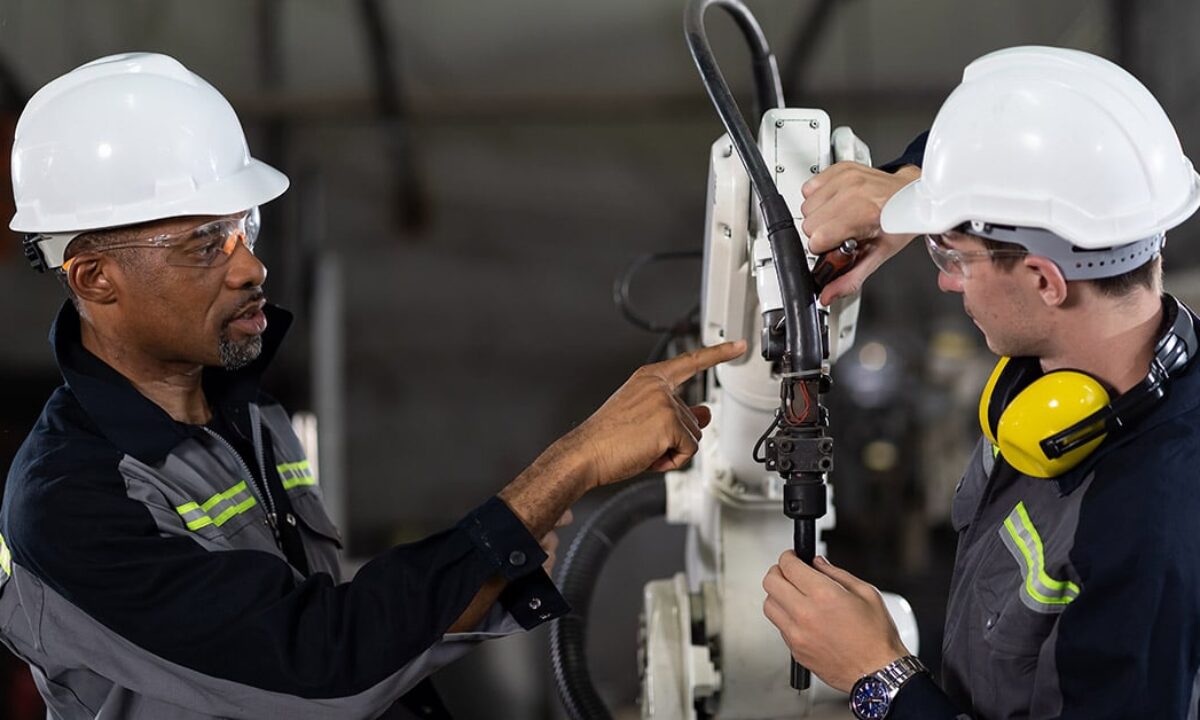
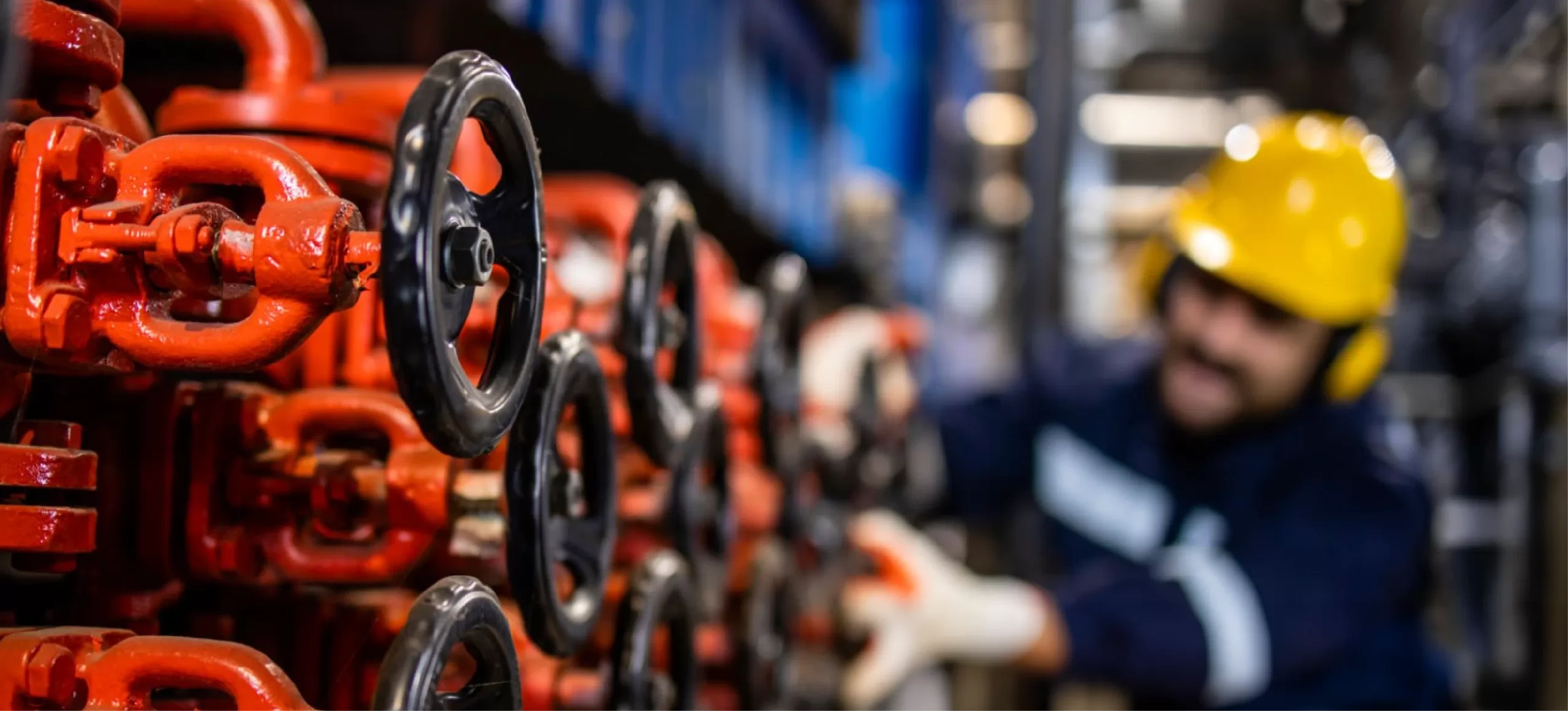
Industrial Maintenance Technology plays a key role in keeping factories and plants running smoothly. It involves the upkeep and repair of machines and equipment. This field ensures that production lines stay active with minimal downtime.
Technicians in this area use their skills to find problems early. They fix machines before small issues become big ones. This helps businesses save money and increase efficiency.
What Is Industrial Maintenance Technology?
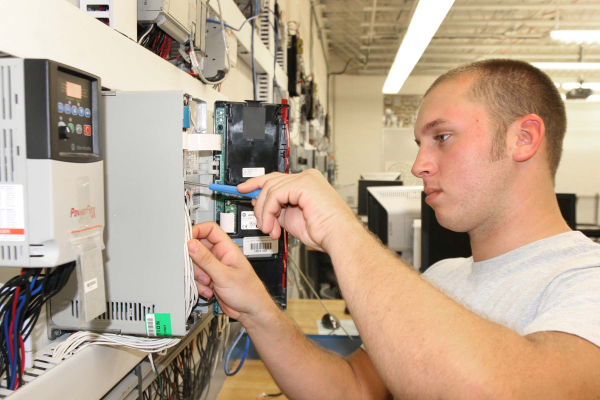
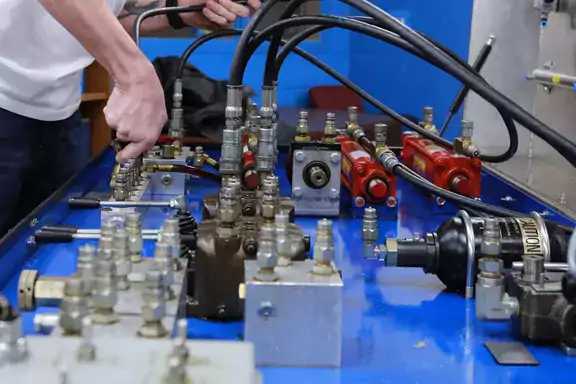
Industrial Maintenance Technology focuses on maintaining industrial machinery. It combines electrical, mechanical, and hydraulic knowledge. Technicians troubleshoot, repair, and maintain complex systems.
The goal is to ensure machines operate safely and reliably. This reduces breakdowns and extends equipment life.
Key Skills In Industrial Maintenance Technology
- Mechanical repair and troubleshooting
- Electrical system knowledge
- Reading blueprints and schematics
- Use of diagnostic tools
- Preventive maintenance techniques
Where Industrial Maintenance Technology Is Used
- Manufacturing plants
- Power generation facilities
- Food processing factories
- Automotive assembly lines
- Water treatment plants
Benefits Of Industrial Maintenance Technology
- Improves machine reliability
- Reduces unplanned downtime
- Enhances workplace safety
- Increases production efficiency
- Extends equipment lifespan
-resized-600.jpg?width=400&height=266&name=electronics_tech_img_9279_(2)-resized-600.jpg)
Credit: hub.hindscc.edu
Core Responsibilities
The core responsibilities of industrial maintenance technology revolve around keeping machinery and equipment running smoothly and efficiently. These tasks ensure that production lines don’t stop and costly downtime is avoided. Understanding what this role demands can help you appreciate the skill and precision involved in maintaining industrial operations.
Equipment Installation
Installing new machinery is more than just plugging in devices. It requires careful alignment, calibration, and testing to make sure everything works as intended. You’ll often work closely with engineers to follow exact specifications and safety standards.
Imagine setting up a complex conveyor belt system; one small misalignment can cause hours of downtime. The ability to install equipment correctly from the start saves time and prevents future problems.
Routine Maintenance
Routine maintenance is about catching issues before they turn into breakdowns. This includes lubricating moving parts, checking electrical systems, and replacing worn components. Your regular checks help extend the life of equipment and keep production steady.
Have you ever noticed how a car runs smoother after an oil change? Machines need similar care. Sticking to a maintenance schedule can prevent unexpected failures that disrupt your work.
Troubleshooting And Repairs
When equipment breaks down, quick diagnosis and repair are critical. You’ll use tools and diagnostic software to find the root cause of problems, whether mechanical, electrical, or software-related. Fixing issues fast minimizes downtime and keeps operations on track.
Think about a time when you solved a tricky problem by looking beyond the obvious. Troubleshooting in industrial maintenance often requires that same persistence and creative thinking. Your ability to stay calm and focused under pressure makes all the difference.
Key Technologies Used
Industrial maintenance technology relies on several key tools and systems that keep equipment running smoothly. These technologies help predict failures, automate processes, and manage maintenance tasks efficiently. Understanding these tools can give you an edge in reducing downtime and boosting productivity.
Predictive Maintenance Tools
Predictive maintenance tools use sensors and data analysis to monitor equipment condition in real-time. They detect early signs of wear or malfunction before a breakdown happens. Imagine catching a failing motor shaft before it causes a costly shutdown—these tools make that possible.
Vibration sensors, thermal cameras, and oil analysis kits are common examples. They provide actionable data that helps you schedule maintenance only when needed, saving both time and money. Have you considered how much downtime you could avoid by spotting issues early?
Automation Systems
Automation systems control machinery and processes with minimal human intervention. They improve consistency and reduce errors in production lines. Using programmable logic controllers (PLCs) or robotics can free your team from repetitive tasks.
These systems also collect operational data that feeds into maintenance schedules. This integration allows you to adjust maintenance based on actual machine usage rather than fixed intervals. Could automating parts of your maintenance process increase your team’s efficiency?
Computerized Maintenance Management Systems
Computerized Maintenance Management Systems (CMMS) organize and track all maintenance activities. They store equipment histories, schedule tasks, and manage work orders in one place. This helps you stay on top of maintenance deadlines without relying on memory or paper logs.
With CMMS, you can generate reports to identify problem areas and optimize resources. It’s like having a digital assistant dedicated to keeping your operations smooth. How much easier would your job be with all maintenance info at your fingertips?
Importance Of Safety Protocols
Safety protocols in industrial maintenance technology are not just rules on paper—they protect lives and equipment. Ignoring these guidelines can lead to serious injuries, costly downtime, and damaged machinery. Understanding why safety matters helps you stay alert and proactive on the job.
Protecting Workers From Hazards
Industrial maintenance often involves working with heavy machinery, electrical systems, and hazardous materials. Without strict safety protocols, accidents can happen easily. Wearing proper gear and following safety steps reduces your risk of injury and keeps your workplace secure.
Preventing Equipment Damage
Maintenance tasks require precision and care. Skipping safety checks or rushing procedures can damage expensive equipment. Following safety protocols ensures machines operate smoothly and last longer, saving you time and money on repairs.
Complying With Legal Requirements
Governments enforce safety laws to protect workers and companies. Failure to comply can result in fines, legal trouble, or shutdowns. Staying up to date with safety standards keeps your work legal and your business running.
Creating A Culture Of Safety
When everyone on your team prioritizes safety, accidents drop significantly. Sharing safety tips and lessons learned builds trust and improves teamwork. What safety habit can you start today that might save a life tomorrow?
Skills And Training Required
To excel in industrial maintenance technology, you need a blend of practical skills and ongoing training. This field demands hands-on technical know-how, sharp problem-solving abilities, and a mindset geared toward continuous learning. Without these, keeping machines running smoothly can become a frustrating challenge rather than a manageable task.
Technical Skills
Technical skills form the backbone of industrial maintenance technology. You must be comfortable working with electrical systems, hydraulics, pneumatics, and mechanical components. Reading blueprints and wiring diagrams isn’t optional; it’s essential.
Many technicians learn through vocational programs or apprenticeships, where they get to operate real equipment. Have you ever thought about how precision in using tools like multimeters or oscilloscopes directly impacts your ability to diagnose issues quickly?
Problem-solving Abilities
Machines don’t always break in obvious ways. You need to analyze symptoms, test hypotheses, and pinpoint the root cause without wasting time. This requires logical thinking and sometimes creative approaches.
Imagine a conveyor belt that stops randomly; the problem might be a sensor, a motor, or even a software glitch. Can you visualize the steps you would take to isolate the issue efficiently? This skill often develops through experience and hands-on troubleshooting.
Continuous Learning
The industrial world constantly evolves with new technologies and updated equipment. Staying current means embracing ongoing education through workshops, certifications, and self-study.
Have you considered how regularly updating your skills can open doors to advanced roles or higher pay? The willingness to learn new software or adapt to automation tools can set you apart from others in this field.
Credit: abtech.edu
Future Trends In Industrial Maintenance
The future of industrial maintenance technology is rapidly evolving. New tools and methods are shaping how industries maintain their equipment. These trends focus on improving efficiency, cutting costs, and reducing downtime. They also help businesses stay competitive in a fast-changing world.
Industry 4.0 Integration
Industry 4.0 brings smart technology into factories. Machines connect through the internet to share data. This helps predict when machines need repairs before breaking down. Sensors and AI work together to monitor equipment health. This reduces unexpected stops and saves money.
Sustainability Practices
Green maintenance is becoming a priority. Companies aim to reduce waste and energy use. Using eco-friendly materials and recycling parts is common. Maintenance teams focus on extending equipment life to lower environmental impact. These actions support cleaner and safer workplaces.
Remote Monitoring And Management
Remote tools allow technicians to check machines from anywhere. This cuts travel time and speeds up fixes. Cameras, sensors, and software provide real-time updates. Teams can manage multiple sites without being physically present. This increases flexibility and quick response.
Frequently Asked Questions
What Is Industrial Maintenance Technology?
Industrial maintenance technology involves repairing and maintaining machinery in factories. It ensures machines run efficiently to avoid production delays and costly breakdowns.
Why Is Industrial Maintenance Technology Important?
It prevents equipment failures, reduces downtime, and extends machine lifespan. This technology boosts productivity and safety in industrial environments.
What Skills Are Needed For Industrial Maintenance?
Key skills include troubleshooting, mechanical repair, electrical knowledge, and using diagnostic tools. Problem-solving and technical expertise are essential for success.
How Does Industrial Maintenance Technology Improve Efficiency?
Regular maintenance detects issues early, minimizing breakdowns. It optimizes machine performance, saving time and reducing operational costs.
Conclusion
Industrial maintenance technology keeps machines and systems running smoothly. It helps prevent breakdowns and saves money on repairs. Skilled technicians use tools and knowledge to fix problems fast. This field supports many industries like manufacturing and energy. It ensures safety and improves productivity every day.
Choosing this career means steady work and learning new skills. A strong foundation in this technology benefits both businesses and workers. A vital part of modern industry, industrial maintenance technology keeps things moving.
Leave a Reply