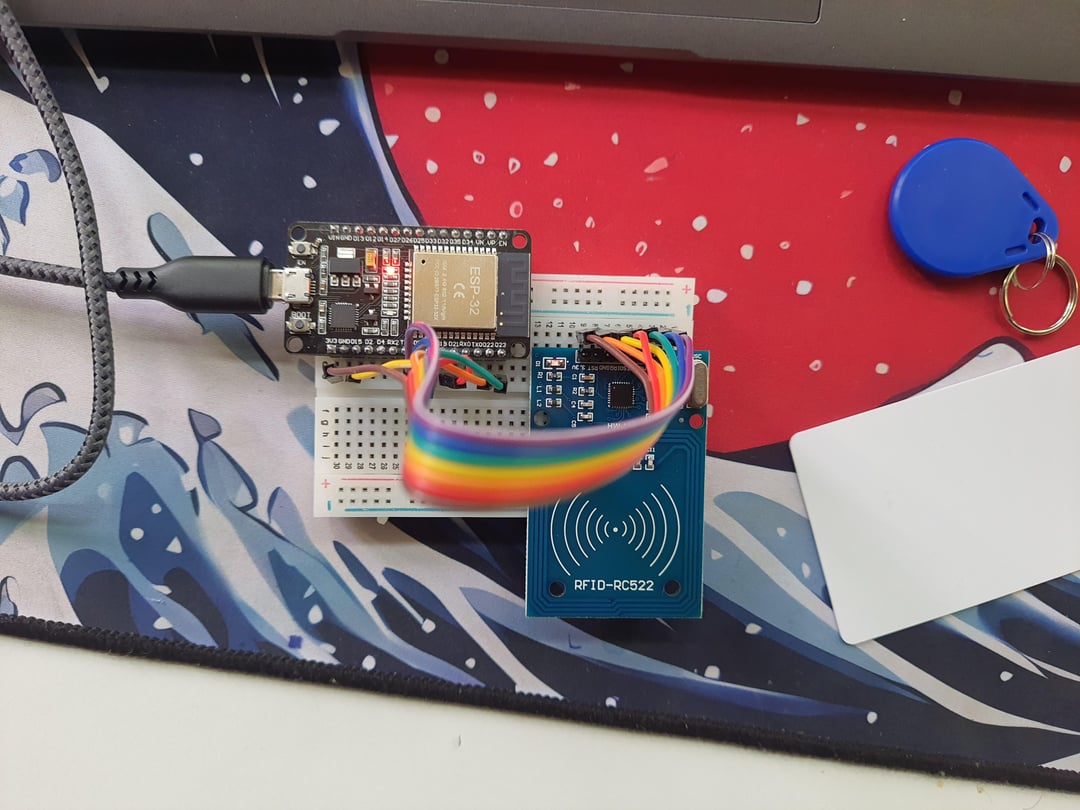
Have you ever wondered how far your curiosity and passion for hobby electronics can take you? Maybe you’ve started with simple circuits or small gadgets, but what if you could build something bigger—something truly impressive?
This isn’t just about tinkering; it’s about unlocking your potential and discovering just how much you can achieve with the skills and tools you have right now. Keep reading, and you’ll find out how hobby electronics can open doors you never thought possible—and how you can make the most of every project you take on.
Starting With Hobby Electronics
Starting with hobby electronics can be both exciting and a bit overwhelming. You might wonder where to begin and what you truly need. The key is to start small, build your confidence, and gradually expand your skills.
Essential Tools And Components
Having the right tools makes all the difference. At minimum, you’ll want a soldering iron, a multimeter, a breadboard, and some jumper wires. These basics help you test and create circuits without much hassle.
Components like resistors, capacitors, LEDs, and simple ICs (integrated circuits) are great for your first experiments. Don’t rush into buying expensive kits; many affordable starter packs include a variety of components. You’ll find it easier to learn when you can quickly swap parts and fix mistakes.
Basic Circuits To Try
Simple circuits are the best way to get hands-on experience. Start with something like lighting an LED with a resistor or building a basic buzzer circuit. These projects teach you how current flows and how components work together.
Try making a blinking LED using a 555 timer IC or assembling a basic light-sensitive circuit with a photoresistor. Each success will boost your confidence and deepen your understanding. What small circuit could you build today that would surprise you?
Choosing Your First Projects
Select projects that match your interests and challenge your skills without overwhelming you. If you love music, try a simple audio amplifier; if you like gadgets, build a basic digital thermometer. The right project keeps you motivated.
Look for tutorials that explain the ‘why’ behind each step, not just the ‘how.’ This approach helps you solve problems when things don’t go as planned. Remember, every mistake is a step forward in learning—what project will teach you the most?

Credit: www.youtube.com
Building Skills Step By Step
Building your skills in hobby electronics is a gradual journey that demands patience and curiosity. Each small step you take adds to your confidence and competence. You’ll find that mastering foundational skills opens doors to more complex and exciting projects.
Soldering And Wiring Techniques
Soldering is the backbone of many electronics projects. Learning how to solder cleanly and efficiently can make the difference between a working circuit and a frustrating failure.
Start with simple kits that require through-hole soldering before moving to surface-mount components. Pay attention to the heat applied and the amount of solder used—too much or too little can cause problems.
Wiring neatly is just as important. Organize your wires with color codes and keep connections secure. This not only helps with troubleshooting but also makes your projects look professional.
Reading Schematics And Datasheets
Understanding schematics is like reading a map for your project. Each symbol and line tells you how components connect and interact.
Datasheets may seem intimidating at first, but they hold valuable information about component specifications, pin configurations, and electrical limits.
Try breaking down a simple schematic, then compare it with the physical circuit. Ask yourself: What does each part do? How does current flow through the system? These questions sharpen your analytical skills.
Experimenting With Microcontrollers
Microcontrollers bring your projects to life by adding intelligence and control. Start with beginner-friendly boards like Arduino or Raspberry Pi Pico to get hands-on experience.
Write basic programs that blink LEDs or read sensor data. Each experiment teaches you how hardware and software work together.
Challenge yourself by modifying existing code or combining multiple sensors. How does changing one line of code affect the entire system? This trial-and-error approach is a powerful learning tool.
Exploring Advanced Projects
Exploring advanced projects in hobby electronics opens many exciting paths. You can build smart devices that improve daily life. Complex machines and wireless systems become achievable with growing skills. These projects deepen your understanding and push your creativity further.
Home Automation Ideas
Home automation projects let you control lights, fans, and appliances remotely. Use sensors to adjust settings based on temperature or motion. Create systems that save energy and increase comfort. Basic setups involve microcontrollers like Arduino or Raspberry Pi. Expand to voice control or smartphone apps for added convenience.
Robotics And Mechatronics
Robotics blends mechanics, electronics, and programming. Start with simple robots that follow lines or avoid obstacles. Build robotic arms to perform precise tasks. Add sensors for better interaction with the environment. Mechatronics projects teach how to combine hardware and software effectively. These challenges improve problem-solving and technical skills.
Wireless Communication Projects
Wireless projects include Bluetooth, Wi-Fi, and radio frequency designs. Create remote controls, data transmitters, or sensor networks. Learn to send and receive signals without wires. Experiment with modules like NRF24L01 or ESP8266. Wireless communication adds flexibility and range to your electronic systems.

Credit: www.reddit.com
Learning Resources And Communities
Learning electronics as a hobby can be incredibly rewarding, but the path isn’t always straightforward. The good news is that a wide range of resources and communities exist to help you grow your skills and confidence. These support systems make it easier to tackle challenges, share ideas, and stay motivated throughout your projects.
Online Tutorials And Courses
You can start with free and paid online tutorials that break down complex concepts into simple steps. Websites like Adafruit, SparkFun, and YouTube channels such as GreatScott! offer detailed videos and guides that cover everything from basic circuits to microcontroller programming.
Interactive platforms like Coursera and Udemy provide structured courses taught by industry experts. These courses often include quizzes and projects that help you apply what you learn immediately. Have you tried following a hands-on tutorial that made a complicated topic suddenly click?
Electronics Forums And Groups
Forums like the EEVblog, All About Circuits, and Reddit’s r/electronics are gold mines for advice and troubleshooting. You can post questions, share your projects, and get feedback from experienced hobbyists and professionals alike.
Many users find that explaining their problem in a forum thread helps clarify their own understanding. Plus, you’ll often discover creative solutions you hadn’t considered. How often do you turn to a community for help when you hit a roadblock?
Local Maker Spaces And Workshops
Maker spaces and local workshops offer hands-on learning with access to tools and equipment you might not have at home. These spaces often host classes and group projects, creating a collaborative environment where you can learn from others.
Joining a maker space can boost your confidence because you’re surrounded by people who share your passion and can mentor you in real time. Have you checked if there’s a community workshop near you where you could build alongside others?
Turning Hobby Into Career
Turning a hobby in electronics into a career is a realistic goal. Many enthusiasts start by building simple projects and end up working professionally in the field. The journey requires dedication, learning, and finding the right opportunities. Several paths can lead from hobbyist to professional in electronics.
Freelancing And Consulting
Freelancing offers flexibility and the chance to work on varied projects. Electronics hobbyists can offer services like circuit design, prototyping, and troubleshooting. Platforms online help connect clients with skilled freelancers. Consulting allows sharing knowledge with companies needing expert advice. It builds reputation and opens doors for more work.
Starting A Small Electronics Business
A small business can sell custom electronics, kits, or repair services. Many hobbyists create unique products that attract niche markets. Starting small helps test ideas without big risks. Managing production, marketing, and customer service are important skills. Local markets and online stores provide good sales channels.
Continuing Education And Certifications
Formal education boosts skills and credibility in electronics. Courses in electronics, engineering, or related fields deepen understanding. Certifications show expertise and commitment to quality. They help stand out to employers or clients. Online and community college classes offer affordable learning options.

Credit: www.reddit.com
Overcoming Challenges In Hobby Electronics
Hobby electronics can be exciting but also full of challenges. Each project may bring new problems that test your skills. Overcoming these challenges helps you learn and grow as a hobbyist. It also keeps the experience fun and rewarding. Facing difficulties with a clear plan makes success possible.
Troubleshooting Common Issues
Problems in electronics are normal. Circuits may not work as expected. Components can fail or connect wrongly. Testing each part is key. Use a multimeter to check voltage and continuity. Check connections carefully for loose wires or cold solder joints. Break down the project into smaller parts to isolate issues. Patience helps. Write down errors and test fixes one at a time.
Managing Project Costs
Electronics parts can add up. Budgeting is important to avoid overspending. Plan projects around parts you already have. Buy components in small quantities or from local stores. Look for kits that include many parts together. Reuse old electronics for parts. Track expenses in a simple list. Focus on essential parts first. This keeps costs low and projects manageable.
Staying Motivated And Inspired
Projects can take time and effort. Losing interest is common. Set small goals to see progress. Celebrate each success, even small ones. Join online forums or groups to share ideas. Follow simple tutorials to build confidence. Try new tools or parts to keep things fresh. Remember why you started. Enjoy the process, not just the results.
Frequently Asked Questions
How Advanced Can Hobby Electronics Projects Become?
Hobby electronics can reach impressive complexity, from basic circuits to sophisticated microcontroller systems. With dedication, you can build robots, IoT devices, and home automation projects. Continuous learning and experimenting expand your skills, enabling professional-level creations over time.
What Skills Do I Need For Hobby Electronics?
Basic skills include soldering, circuit design, and programming microcontrollers. Understanding electronics theory, reading schematics, and troubleshooting are essential. As you progress, coding and using development platforms like Arduino or Raspberry Pi become valuable.
Can Hobby Electronics Lead To A Career?
Yes, hobby electronics can open career paths in engineering, robotics, and product design. Many professionals start as hobbyists, gaining practical skills and portfolios. Consistent learning and project documentation improve job prospects in tech fields.
What Tools Are Essential For Hobby Electronics Beginners?
Essential tools include a soldering iron, multimeter, wire cutters, and a breadboard. A power supply and basic hand tools help build and test circuits. Investing in quality tools improves project success and learning experience.
Conclusion
Exploring hobby electronics offers endless possibilities. You build skills and creativity. Projects range from simple circuits to complex gadgets. Each project boosts confidence. Challenges appear, but problem-solving becomes second nature. Experimenting leads to unique solutions. Community support enhances learning. Share ideas and gain feedback.
Keep curiosity alive. New technologies emerge daily. Stay updated and informed. Hobby electronics opens doors to innovation. Whether for fun or future career, the journey is rewarding. Start small, dream big, and enjoy the process.
Leave a Reply