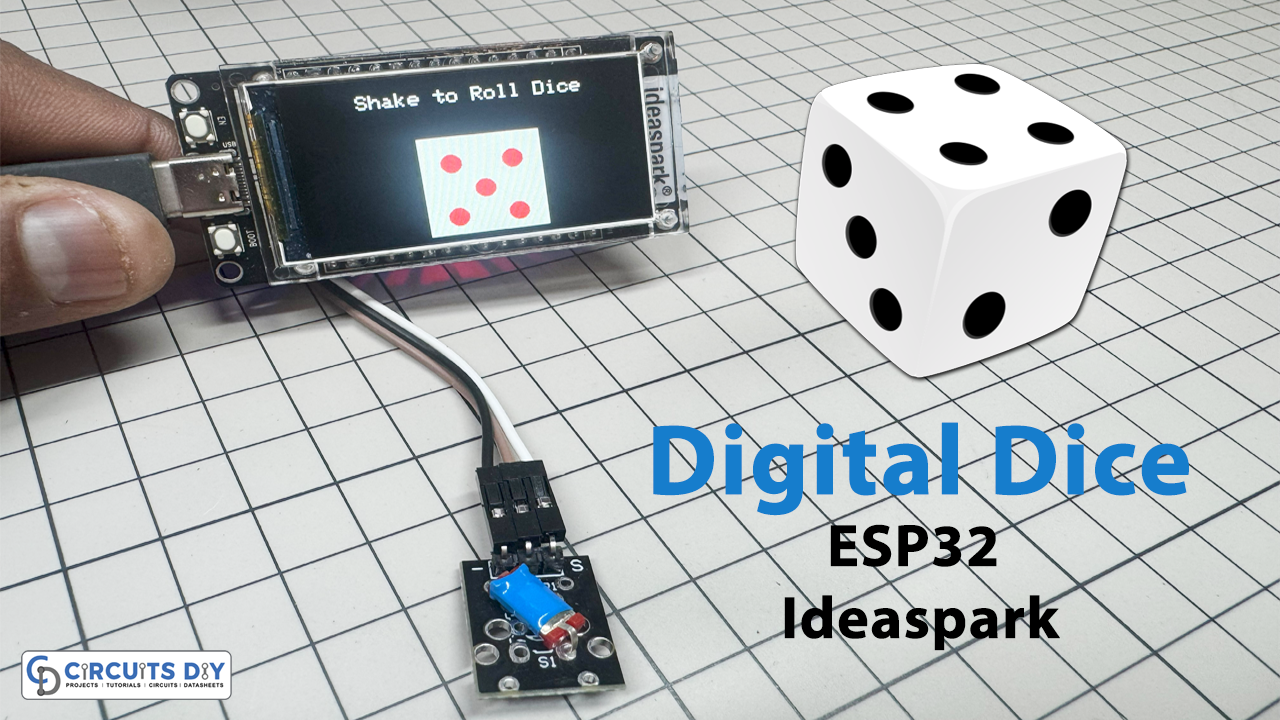
Have you ever wondered how to create your own electronic gadgets or fix devices without relying on experts? DIY in electronics puts the power in your hands, letting you build, repair, and customize technology on your own.
Imagine turning simple components into working circuits or bringing your creative ideas to life with just a few tools. If you’re curious about how this hands-on approach can save you money, boost your skills, and open up a world of possibilities, keep reading.
This guide will show you exactly what DIY in electronics means and how you can start your own projects today.
Basics Of Diy Electronics
DIY electronics is about creating and fixing electronic devices yourself. It helps you understand how gadgets work. You learn by doing small projects and experiments. This basic knowledge builds your confidence for bigger tasks.
Starting with the essentials makes the process easier and safer. Knowing the parts, the language, and safety rules is key. These basics help you enjoy and succeed in your DIY electronics journey.
Key Components And Tools
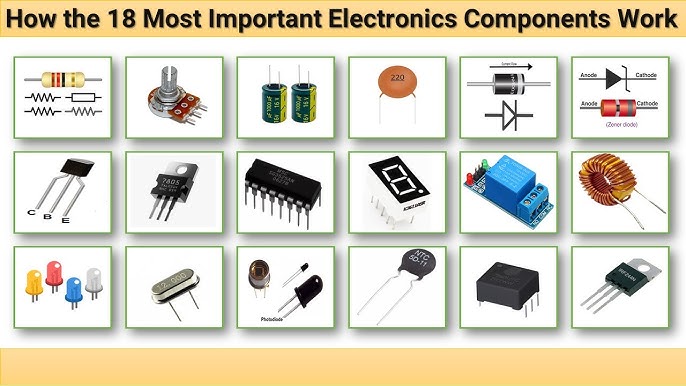
- Resistors:Control electric current flow.
- Capacitors:Store and release electrical energy.
- Diodes:Allow current to flow one way.
- Transistors:Act as switches or amplifiers.
- Microcontrollers:Small computers for controlling devices.
- Breadboard:Board for building circuits without soldering.
- Soldering Iron:Tool to join components with metal.
- Multimeter:Measures voltage, current, and resistance.
- Wire Strippers:Remove insulation from wires.
Common Terminology
| Term | Meaning |
|---|---|
| Voltage | Electric pressure that pushes current. |
| Current | Flow of electric charge. |
| Resistance | Opposition to current flow. |
| Circuit | Closed path for electric current. |
| Analog | Continuous signal varying over time. |
| Digital | Signal with discrete levels (0 or 1). |
| Ground | Reference point in a circuit. |
Safety Precautions
- Always disconnect power before working on circuits.
- Use insulated tools to avoid shocks.
- Work in a dry, well-lit area.
- Wear safety glasses when soldering.
- Keep your workspace clean and organized.
- Double-check connections before powering devices.
- Handle batteries carefully to prevent short circuits.

Credit: www.youtube.com
Popular Diy Electronics Projects
DIY electronics projects offer fun ways to learn about circuits and devices. These projects can be simple or complex, fitting different skill levels. Many beginners start with small, easy circuits. Others enjoy building gadgets with microcontrollers. Some even create wearable technology to combine fashion and function.
Simple Circuits For Beginners
Starting with simple circuits helps build basic skills. Projects like blinking LEDs or basic alarms teach how components work. They require few parts and easy tools. These projects are great for learning to read circuit diagrams. They help understand how electricity flows and how devices connect.
Arduino And Microcontroller Kits
Arduino kits are popular for DIY electronics. They include a small computer and parts to build projects. You can program the Arduino to control lights, motors, or sensors. These kits allow creating robots, home automation, and more. They offer a fun way to learn coding and electronics together.
Wearable Tech Projects
Wearable electronics mix gadgets with clothing or accessories. Projects include smart watches, LED shirts, or fitness trackers. These require small parts and often use microcontrollers. Wearables make technology personal and portable. They offer creative ways to explore electronics in daily life.
Choosing The Right Materials
Choosing the right materials can make or break your DIY electronics project. The quality and compatibility of components directly affect how well your project works and how long it lasts. It’s not just about grabbing parts; it’s about understanding what suits your project’s needs and budget.
Selecting Components
Start by identifying the key components your project requires. Resistors, capacitors, microcontrollers, sensors—each has specific ratings and types. Picking the right specifications, like voltage and tolerance, ensures your circuit runs smoothly without overheating or failing.
Think about what you want your project to achieve. For example, if you’re building a weather station, choosing sensors with higher accuracy will improve results. Have you checked datasheets closely? They’re your best guide to match components perfectly.
Sourcing Affordable Parts
Finding quality parts at a reasonable price can be tricky but rewarding. Online stores, local electronics shops, and surplus markets all offer different options. Don’t overlook bulk buying for common components; it often saves money and ensures you have spares.
Beware of extremely cheap parts—they might be counterfeit or low quality, leading to frustration. I once ordered a batch of capacitors that failed within days, wasting time and money. How do you verify your sources? Look for reviews and certifications to avoid costly mistakes.
Essential Tools For Every Project
Having the right tools is as important as having the right materials. A good soldering iron, multimeter, wire cutters, and a breadboard can make your work precise and efficient. These tools help you test and troubleshoot as you build, saving you from guesswork.
Consider investing in a digital oscilloscope if you plan more advanced projects—it reveals signals you can’t see otherwise. What tools do you currently have? Sometimes upgrading one tool can improve your entire building experience.
Credit: www.youtube.com
Step-by-step Project Building
Building an electronics project by yourself is a rewarding experience. It teaches you how circuits work and lets you create useful devices. Following clear steps helps avoid mistakes and keeps the process smooth. Understanding each phase of the project improves your skills and confidence.
Planning Your Project
Start with a clear idea of what you want to build. Gather all needed parts and tools before you begin. Sketch a simple circuit diagram or find one online. Check each component’s value and function. Make a list of supplies to avoid missing anything. Good planning saves time and reduces errors.
Soldering And Assembly Tips
Work on a clean, well-lit surface. Heat your soldering iron before use. Use small amounts of solder to avoid bridges. Attach components firmly to the board. Trim excess leads after soldering. Keep your hands steady and work patiently. Double-check connections to ensure they are solid.
Testing And Troubleshooting
Power up the circuit carefully. Observe if the device works as expected. Use a multimeter to check voltages and continuity. Identify any loose connections or wrong parts. Replace or re-solder faulty components. Test each section of the circuit separately if needed. Troubleshooting helps you learn and improve your design.
Learning Resources And Communities
Learning DIY electronics involves more than just tools and parts. Finding the right learning resources and communities helps build skills fast. These sources provide clear guidance and real-world advice. They connect beginners with experienced makers, creating a supportive environment. Exploring various formats makes learning flexible and enjoyable.
Online Tutorials And Courses
Many websites offer step-by-step tutorials for all skill levels. Videos show exact wiring, coding, and testing processes. Interactive courses let learners practice at their own speed. Some platforms provide certificates after completion. This helps track progress and boosts confidence.
Forums And Maker Groups
Forums gather people who share questions and solutions. Members discuss problems and suggest easy fixes. Maker groups host local meetups and workshops. These gatherings offer hands-on experience and peer support. Joining these communities reduces learning challenges and sparks creativity.
Books And Magazines
Printed guides explain concepts in a simple, structured way. Books cover basics to advanced topics with clear examples. Magazines feature new projects and trends in electronics. They inspire ideas and keep readers updated on innovations. Collecting these resources builds a personal reference library.
Advanced Diy Techniques
Advanced DIY techniques in electronics allow hobbyists to build complex projects. These techniques go beyond simple circuits and introduce new skills. They help create custom devices and improve project performance. Learning these skills opens up many creative possibilities. Here are some key areas to explore.
Pcb Design Basics
Printed Circuit Boards (PCBs) hold electronic components in place. Designing a PCB involves creating a layout for circuits. It starts with a schematic diagram of the project. Then, software tools arrange components and route connections. Good PCB design improves durability and reduces errors. You can order custom PCBs online after designing them. This skill is essential for neat, professional projects.
Programming Microcontrollers
Microcontrollers are small computers on a chip. They control electronics based on your code. Programming microcontrollers lets you add intelligence to projects. Common types include Arduino, PIC, and ESP32. Writing code involves setting inputs and outputs. You can control motors, lights, and sensors easily. This technique expands project possibilities with automation and logic.
Integrating Sensors And Modules
Sensors detect changes in the environment. Modules are ready-made circuit parts for specific tasks. Combining sensors and modules adds new features to projects. Examples include temperature sensors, motion detectors, and displays. You connect these parts to microcontrollers for data processing. This integration helps build smart, interactive electronics. It makes projects more useful and fun.
Benefits Of Diy Electronics
DIY electronics opens up a world of opportunities that extend far beyond just building gadgets. It offers tangible benefits that help you grow both personally and practically. From enhancing your skills to saving money, the advantages make the effort truly worthwhile.
Skill Development
Working on your own electronics projects sharpens your technical abilities. You learn how circuits work, how to use tools like soldering irons, and how to troubleshoot problems effectively. Each project adds to your knowledge, building confidence and competence over time.
Imagine the satisfaction of fixing a device that others might discard. These hands-on experiences deepen your understanding far more than reading manuals ever could. What new skills could you gain by taking apart and rebuilding a simple gadget?
Creative Problem Solving
DIY electronics challenges you to think critically and find unique solutions. When a circuit doesn’t work as expected, you need to analyze the problem and test different approaches. This process enhances your ability to approach problems from multiple angles.
Such skills transfer to many areas of life, helping you become more resourceful and adaptable. Have you noticed how tackling one small issue in a project can teach you strategies for bigger challenges?
Cost Savings And Customization
Building your own electronics often costs less than buying ready-made devices. You choose components that fit your budget and needs, avoiding unnecessary features. This control lets you create gadgets tailored precisely to your preferences.
For instance, instead of paying for a smart home device with many unused functions, you can build one that does exactly what you want. How much could you save by customizing your electronics instead of settling for off-the-shelf products?

Credit: m.youtube.com
Frequently Asked Questions
What Does Diy Mean In Electronics?
DIY in electronics means building or repairing electronic devices yourself. It involves hands-on projects using components and tools. This approach helps learning and saves money. Hobbyists and professionals enjoy DIY to customize and innovate electronic gadgets.
Why Is Diy Electronics Popular?
DIY electronics is popular because it boosts creativity and problem-solving skills. It offers a practical way to learn electronics concepts. Many find it rewarding to build personalized devices. Additionally, online resources and affordable parts make DIY accessible worldwide.
What Tools Are Essential For Diy Electronics?
Essential tools include a soldering iron, multimeter, wire cutters, and screwdrivers. A breadboard and jumper wires help with circuit testing. These tools enable accurate assembly, testing, and troubleshooting of electronic projects safely and efficiently.
How Can Beginners Start With Diy Electronics?
Beginners should start with simple kits or tutorials. Learning basic circuit theory and safety is crucial. Online courses and community forums provide guidance. Starting small builds confidence and skills for more complex projects later.
Conclusion
Exploring DIY in electronics opens up a world of creativity. You learn by doing. You build your skills with each project. Mistakes become lessons. Successes bring joy and confidence. Anyone can start, no matter their background. Just gather some basic tools.
Begin with simple projects. Gradually, tackle more complex ones. Enjoy the process. The journey is as important as the result. DIY electronics empowers you. It encourages innovation and problem-solving. Dive in and discover the endless possibilities. With patience and practice, you might surprise yourself.
Who knows what you might create next?
Leave a Reply