Have you ever wondered how machines seem to know when they need a repair before they actually break down? That’s the power of predictive maintenance.
By using smart technologies, you can save time, cut costs, and avoid unexpected downtime. But what exactly makes this possible? You’ll discover the key technologies behind predictive maintenance and how they work together to keep your equipment running smoothly. Keep reading to find out how you can use these tools to protect your operations and boost efficiency.

Credit: medium.com
Predictive Maintenance Basics
Predictive maintenance helps keep machines working well. It uses data and technology to find problems early. This approach avoids big breakdowns and saves money. Understanding the basics is key to seeing how it works.
What Is Predictive Maintenance?
It is a way to watch machines closely. Sensors collect data about the machine’s health. This data shows if parts are wearing out. Fixes happen only when needed, not on a schedule.
Key Technologies Used
- Sensors:Measure temperature, vibration, pressure, and more.
- Data Analytics:Analyze sensor data to spot trends and issues.
- Machine Learning:Predict failures based on past data patterns.
- Cloud Computing:Store and process large amounts of data remotely.
- Internet of Things (IoT):Connect machines to share real-time data.
How It Benefits Businesses
Predictive maintenance reduces downtime and repair costs. It improves safety by preventing sudden failures. Machines run longer with fewer interruptions. The right technology makes maintenance smarter and faster.
Internet Of Things (iot) Sensors
Internet of Things (IoT) sensors play a vital role in predictive maintenance. These sensors collect real-time data from machines and equipment. They help detect early signs of wear or malfunction before failures occur.
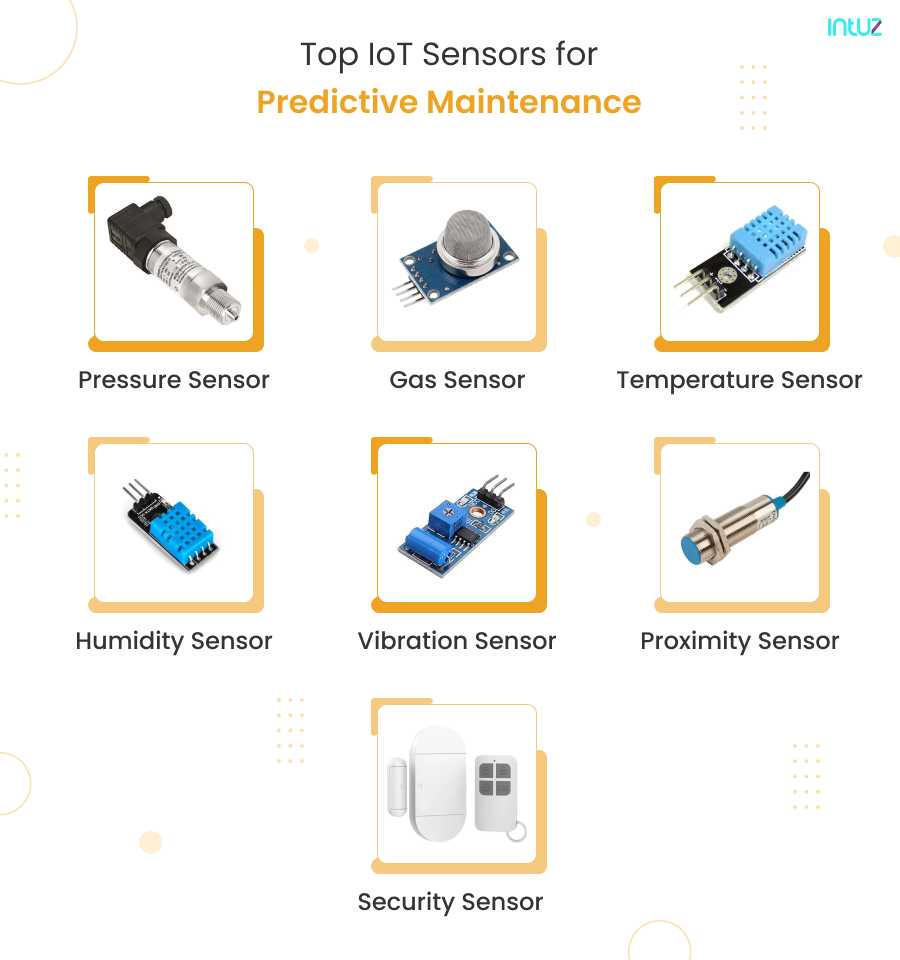
IoT sensors come in many types. Each type measures specific parameters like temperature, vibration, pressure, or humidity. This data helps maintenance teams make informed decisions and plan repairs efficiently.
Types Of Iot Sensors In Predictive Maintenance
- Temperature sensors monitor heat levels in machinery.
- Vibration sensors detect unusual movements or imbalances.
- Pressure sensors track fluid or gas pressure in systems.
- Humidity sensors measure moisture that could cause damage.
How Iot Sensors Collect And Send Data
IoT sensors gather data continuously or at set intervals. They use wireless networks to send information to cloud platforms or local servers. This process allows quick access to machine conditions from anywhere.
Benefits Of Using Iot Sensors For Maintenance
- Early detection of potential problems reduces downtime.
- Data-driven insights improve maintenance schedules.
- Remote monitoring lowers the need for physical inspections.
- Extends equipment life by preventing severe damage.
Machine Learning Algorithms
Machine learning algorithms are at the heart of predictive maintenance technologies. They analyze historical and real-time data to identify patterns that signal potential equipment failures. Using these algorithms, you can predict problems before they happen, saving time and reducing costly downtime.
Supervised Learning Algorithms
Supervised learning algorithms use labeled data to learn the relationship between input features and the outcome. In predictive maintenance, this means training models on past equipment failures and normal operating data. Once trained, these models can classify whether a machine is likely to fail soon or continue operating smoothly.
Common supervised algorithms include:
- Decision Trees:Easy to interpret and useful for binary failure predictions.
- Support Vector Machines (SVM):Effective for complex classification problems.
- Random Forests:Combine multiple decision trees for better accuracy and robustness.
Have you tried using decision trees to quickly identify which machine parts are most vulnerable in your setup?
Unsupervised Learning Algorithms
Unsupervised algorithms work without labeled data, making them useful when failure data is scarce. They detect anomalies by learning the normal behavior of machines and flagging deviations.
- Clustering:Groups similar data points to find unusual patterns.
- Anomaly Detection:Identifies data points that don’t fit the usual pattern.
- Principal Component Analysis (PCA):Reduces data complexity to spot hidden issues.
If you don’t have extensive failure records, unsupervised methods can still provide valuable early warnings. Are you currently leveraging anomaly detection to catch hidden faults?
Deep Learning Algorithms
Deep learning models, especially neural networks, can handle large volumes of complex data like sensor readings and images. They excel at recognizing intricate patterns that simpler algorithms might miss.
- Convolutional Neural Networks (CNNs):Analyze visual data such as thermal images for equipment health.
- Recurrent Neural Networks (RNNs):Process sequential data like time-series sensor signals.
- Autoencoders:Detect anomalies by learning compressed data representations.
Deep learning can require more computational resources, but the insights it provides can be game-changing. How could you use image or sensor data from your machinery to get ahead of failures?

Credit: medium.com
Artificial Intelligence Applications
Artificial Intelligence (AI) is changing how predictive maintenance works by making it smarter and faster. It helps you find problems before they cause downtime, saving time and money. The real power of AI lies in its ability to learn from data and spot patterns that humans might miss.
Machine Learning Models
Machine learning uses data from machines to predict failures. These models get better as they analyze more data. For example, a model can learn the normal vibration patterns of a motor and alert you when something feels off.
You don’t need to be a data scientist to benefit from this. Many platforms offer user-friendly tools to build and train these models without coding skills.
Natural Language Processing (nlp)
NLP helps in understanding maintenance logs and operator notes automatically. It can scan through thousands of text records to find clues about equipment health. Imagine saving hours by letting AI read and highlight important warnings from reports.
This technology also helps in voice-activated assistants, so you can report issues hands-free while working on the shop floor.
Computer Vision
Computer vision uses cameras and AI to check equipment visually. It can detect wear, cracks, or leaks that might be missed during manual inspections. You can set up cameras to monitor hard-to-reach areas continuously.
One practical use is drone inspections in large facilities, where AI analyzes images to spot early signs of damage.
Deep Learning For Anomaly Detection
Deep learning is a more advanced form of machine learning that excels at finding unusual patterns. It works well with complex data like sound, temperature, or pressure. This helps you catch subtle signs of failure before they become serious.
Have you ever wondered how some systems can spot problems that even experts miss? Deep learning is often the key behind those insights.
Big Data Analytics
Big Data Analytics plays a crucial role in predictive maintenance by analyzing vast amounts of data generated from machines and equipment. This technology helps you identify patterns and predict failures before they happen, saving time and reducing costs. Understanding how it works can give you an edge in maintaining your assets efficiently.
Data Collection And Integration
Collecting data from multiple sources like sensors, IoT devices, and historical records is the first step. You need a system that can handle diverse data types and formats without losing any critical information. Integrating this data into a unified platform lets you get a complete picture of your equipment’s health.
Real-time Data Processing
Big Data Analytics processes data in real time, allowing you to spot irregularities immediately. This means you can act quickly to fix potential issues before they cause downtime. Have you considered how much faster your response time could be with instant alerts?
Machine learning models analyze the data to find hidden patterns that humans might miss. These algorithms improve over time as they learn from new data, making your maintenance predictions more accurate. You don’t have to be a data scientist to benefit from these powerful tools.
Visualization And Reporting
Clear visualization tools help you understand complex data through dashboards and reports. Seeing trends and anomalies in graphs or charts makes decision-making easier and more informed. Wouldn’t you agree that a well-designed dashboard simplifies your job?
Benefits For Your Maintenance Strategy
- Reduces unexpected equipment failures
- Optimizes maintenance schedules
- Improves asset lifespan
- Cuts down on maintenance costs
Big Data Analytics transforms raw information into actionable insights. This means you spend less time guessing and more time making smart decisions about your machinery.
Cloud Computing Advantages
Cloud computing plays a crucial role in predictive maintenance by providing flexible and scalable solutions. It allows businesses to handle vast amounts of data from machines and sensors without worrying about local storage limitations. This technology transforms how maintenance teams access, analyze, and act on equipment data.
Scalability And Flexibility
Cloud platforms can easily scale up or down based on your data needs. You don’t have to invest in expensive hardware upfront. Instead, you pay for what you use, which is ideal when the volume of sensor data fluctuates.
This flexibility means you can start small and expand as your predictive maintenance program grows. Have you considered how your current system handles sudden increases in data?
Real-time Data Processing
Cloud computing enables real-time data processing and analysis. This speed is essential for identifying potential equipment failures before they happen. You get timely alerts, so maintenance can be scheduled proactively.
Imagine catching a motor issue hours before it causes downtime—cloud computing makes this possible by continuously analyzing incoming data streams.
Cost Efficiency
Moving predictive maintenance to the cloud reduces upfront costs on infrastructure and software. You avoid spending on servers, storage, and maintenance personnel. Instead, costs become operational expenses aligned with your actual usage.
This pay-as-you-go model allows you to allocate budget more effectively. What could your team achieve if you freed up funds currently tied to IT upkeep?
Enhanced Collaboration And Accessibility
Cloud-based systems make it easier for your maintenance team and other stakeholders to access data anytime, anywhere. Whether you are onsite or remote, you can review equipment status, reports, and alerts through a secure internet connection.
This accessibility fosters better communication and faster decision-making. How often does your team face delays due to limited data access?
Integration With Advanced Technologies
Cloud platforms often support integration with AI, machine learning, and big data analytics tools. These technologies enhance the predictive power of your maintenance system. You can uncover patterns and insights that manual analysis might miss.
Leveraging cloud-based AI can transform raw sensor data into actionable maintenance schedules. Are you using your data to its full potential?
Digital Twins Technology
Digital Twins Technology creates a virtual copy of a physical asset, system, or process. This digital model mirrors real-time conditions and behaviors, allowing you to monitor and analyze performance remotely. It acts as a bridge between the physical and digital worlds, helping you predict failures before they happen.
How Digital Twins Enhance Predictive Maintenance
With a digital twin, you gain a dynamic simulation of your equipment. You can test different scenarios without risking actual downtime. This means you can identify weaknesses and schedule maintenance exactly when it’s needed, not too early or too late.
Data Integration And Real-time Monitoring
Digital twins pull data from sensors embedded in the physical equipment. This continuous flow of information keeps the digital model updated. You get instant insights into wear and tear, temperature changes, or unusual vibrations, so you can react quickly to potential issues.
Benefits You Can Expect
- Reduced downtime:Predict problems before they cause breakdowns.
- Cost savings:Avoid unnecessary maintenance and extend asset life.
- Improved safety:Detect hazards early to protect your team.
Practical Considerations For Implementing Digital Twins
Start small by creating a twin of a critical piece of equipment. Use the data to understand its behavior over time. You’ll learn what to look for and how to act, making it easier to scale the technology across your operations.
Have you ever wondered how much downtime your operations could avoid if you had a real-time digital mirror of your machinery? Digital twins offer that possibility, making your predictive maintenance smarter and more effective.
Edge Computing In Maintenance
Edge computing is reshaping how maintenance teams handle data and make decisions. Instead of sending all information to a central cloud, edge devices process data right where the machines operate. This approach brings speed and reliability to predictive maintenance strategies.
What Is Edge Computing In Maintenance?
Edge computing means placing small computers or sensors near the equipment to analyze data instantly. These devices catch issues early by monitoring vibrations, temperature, or pressure in real-time. This local processing reduces delays and helps you react faster to potential failures.
Benefits Of Using Edge Computing For Predictive Maintenance
- Faster Decision-Making:Since data is processed on-site, you get immediate alerts without waiting for cloud analysis.
- Reduced Bandwidth Use:Only critical data is sent to the cloud, saving network resources and costs.
- Increased Reliability:Edge devices keep working even if the internet connection drops, ensuring continuous monitoring.
- Improved Data Security:Sensitive information stays local, reducing exposure to cyber threats.
How Edge Computing Works With Sensors And Iot Devices
Imagine a factory floor equipped with sensors tracking machine health constantly. Edge devices collect this sensor data and run algorithms to detect unusual patterns. If a motor starts vibrating more than usual, the edge system flags it immediately, allowing you to schedule maintenance before a breakdown.
Challenges To Consider With Edge Computing
While edge computing offers many advantages, it also brings challenges. Managing many edge devices across locations can get complicated. You need a reliable way to update software and maintain security on each device.
Have you thought about how quickly your maintenance team can act if they had instant alerts from edge devices? This technology could change your maintenance response time dramatically.
Role Of Augmented Reality
Augmented Reality (AR) plays a key role in predictive maintenance by enhancing how technicians interact with equipment. AR overlays digital information on real-world machines, making inspections faster and more accurate.
Technicians wear AR glasses or use mobile devices to see real-time data, such as temperature or vibration levels, directly on the equipment. This helps them spot issues before they cause failure.
AR also guides workers through complex repair steps with visual instructions. This reduces errors and training time, especially for less experienced staff.
Real-time Data Visualization
AR provides instant access to sensor data and machine status. Workers can view graphs and alerts without checking separate screens. This speeds up decision-making and reduces downtime.
Remote Assistance
Experts can see what the technician sees via AR devices. They offer guidance remotely, saving travel time and costs. This improves problem-solving in difficult situations.
Enhanced Training And Documentation
AR offers interactive training by simulating machine operations and failures. It also displays step-by-step repair instructions during maintenance. This improves learning and preserves knowledge.
Improved Safety
AR highlights dangerous zones and safety warnings on machinery. It helps workers avoid hazards and follow safety protocols. This reduces accidents in maintenance tasks.

Credit: leewayhertz.medium.com
Blockchain For Data Security
Blockchain technology plays a crucial role in enhancing data security for predictive maintenance systems. It creates a secure and transparent way to record and share maintenance data without the risk of tampering. This ensures that your equipment’s performance history remains trustworthy and accurate over time.
How Blockchain Protects Maintenance Data
Blockchain stores information in blocks that are linked and secured using cryptography. Once data is recorded, it cannot be altered without changing all subsequent blocks, which requires network consensus. This makes unauthorized changes almost impossible, so you can trust the data you rely on for maintenance decisions.
Imagine tracking a machine’s condition history across multiple departments or locations. Blockchain ensures that everyone sees the same, unaltered data, reducing conflicts and errors.
Benefits Of Using Blockchain In Predictive Maintenance
- Data Integrity:Your maintenance records stay consistent and free from tampering.
- Transparency:Every change is recorded with a timestamp, creating a clear audit trail.
- Decentralization:No single party controls the data, reducing risks of data loss or manipulation.
- Improved Collaboration:Multiple teams can securely access and update information in real time.
Challenges You Should Consider
Despite its benefits, blockchain can introduce complexity and require significant computing resources. You’ll need to balance the security advantages with the costs of implementation and maintenance.
Ask yourself: Is the level of data security provided by blockchain necessary for your maintenance setup? In some cases, simpler encryption methods might suffice.
Integration With Erp Systems
Integrating predictive maintenance technologies with ERP (Enterprise Resource Planning) systems can transform how your business handles equipment upkeep. This connection allows maintenance data to flow seamlessly into your broader operational workflows, making your processes more efficient and informed. But what exactly does this integration look like, and how can it benefit your daily operations?
Improved Data Visibility Across Departments
When predictive maintenance tools connect with your ERP system, you get a unified view of equipment health alongside inventory, procurement, and finance data. This means your maintenance team can see which parts are in stock or need ordering without jumping between platforms.
For example, if a sensor detects a bearing showing signs of wear, the system can automatically check if replacements are available or trigger a purchase request. This reduces downtime and avoids last-minute rush orders that often inflate costs.
Streamlined Maintenance Scheduling And Resource Allocation
ERP integration helps you schedule maintenance based on real-time equipment conditions combined with production plans. You can align maintenance windows with low-demand periods, minimizing disruption to your operations.
Moreover, you gain clarity on labor availability and spare parts, allowing you to allocate resources more effectively. This level of coordination often slips through the cracks when systems operate separately.
Enhanced Reporting And Compliance Tracking
Maintenance records automatically feed into your ERP’s reporting modules, making it easier to track compliance with industry standards and internal policies. You can generate detailed reports that show maintenance history, costs, and equipment performance metrics.
This transparency supports audits and helps justify maintenance budgets. Have you ever struggled to pull together maintenance data for a compliance review? Integration could save you hours, if not days.
Challenges To Consider During Integration
- Ensuring data compatibility between predictive maintenance software and your ERP system
- Managing the change process so teams adopt the new workflows smoothly
- Maintaining data security and access controls across integrated platforms
Addressing these challenges upfront can prevent costly delays and ensure your integration delivers real value.
Future Trends In Predictive Maintenance
Predictive maintenance is evolving fast. New technologies are shaping how industries keep machines running smoothly. These future trends will make maintenance smarter and more efficient. They reduce downtime and cut costs. Understanding these trends helps businesses prepare for changes ahead.
Artificial Intelligence And Machine Learning Advances
AI and machine learning will improve data analysis from sensors. Algorithms will learn faster and predict failures with higher accuracy. This means earlier warnings and better maintenance planning. Machines will almost predict their own breakdowns.
Edge Computing For Real-time Insights
Edge computing processes data near the machine, not in the cloud. This reduces delays in detecting problems. Real-time insights help teams fix issues immediately. It lowers the risk of major equipment failures.
Integration Of Internet Of Things (iot) Devices
IoT devices will increase in number and variety. They collect detailed data about equipment health continuously. More connected devices mean a clearer picture of machine conditions. This supports better maintenance decisions and scheduling.
Use Of Digital Twins
Digital twins create virtual copies of machines. These models simulate real-time operation and predict failures before they happen. They allow testing of maintenance strategies without stopping production. Digital twins improve planning and reduce risks.
Enhanced Predictive Analytics Platforms
New platforms combine large datasets and advanced analytics tools. They offer easy-to-use dashboards and reports. This helps teams understand complex data quickly. Better analytics lead to smarter maintenance actions and resource use.
Frequently Asked Questions
What Is Predictive Maintenance Technology?
Predictive maintenance technology uses data analysis and sensors to predict equipment failures. It reduces downtime and maintenance costs by scheduling repairs before breakdowns occur.
Which Sensors Are Commonly Used In Predictive Maintenance?
Common sensors include vibration, temperature, pressure, and acoustic sensors. They monitor equipment health and detect anomalies for timely maintenance.
How Does Ai Improve Predictive Maintenance?
AI analyzes large data sets to identify patterns and predict failures accurately. It enhances decision-making and optimizes maintenance schedules.
What Role Does Iot Play In Predictive Maintenance?
IoT connects machines and sensors to collect real-time data. This connectivity enables continuous monitoring and faster response to potential issues.
Conclusion
Predictive maintenance uses many smart technologies like sensors and AI. These tools help spot problems early and save money. Businesses can keep machines running longer and avoid big repairs. Data analysis plays a big role in making good decisions. Understanding these technologies helps companies work more smoothly.
The future of maintenance is smarter and more efficient. Embracing these methods leads to safer and better operations. Simple steps with the right tech can make a big difference.
Leave a Reply