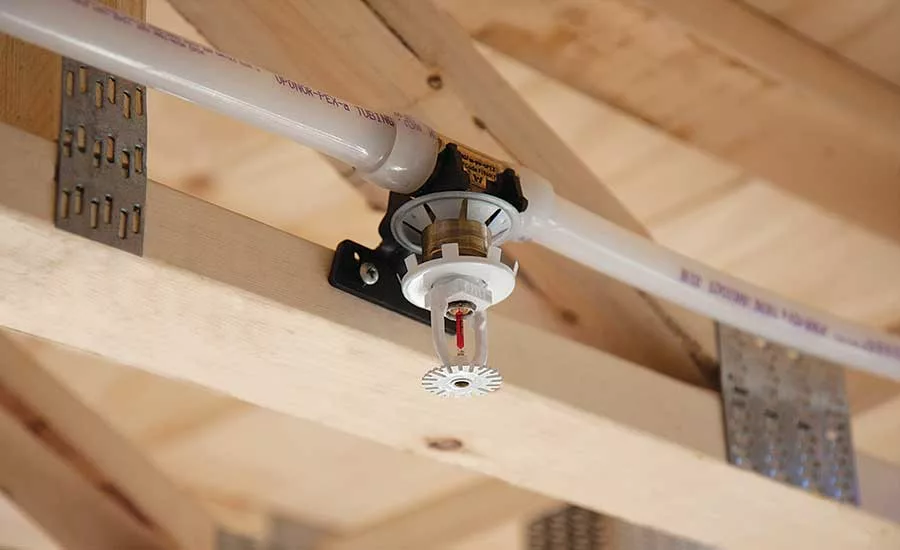
Is your residential sprinkler system working as it should? Proper maintenance is key to keeping your lawn green and your system running smoothly.
If you ignore small issues, you could end up with costly repairs or dry patches in your yard. You’ll discover simple and effective steps to maintain your sprinkler system. By the end, you’ll know exactly what to do to protect your investment and enjoy a healthy, vibrant lawn all year long.
Keep reading to make sure your sprinkler system stays in top shape.
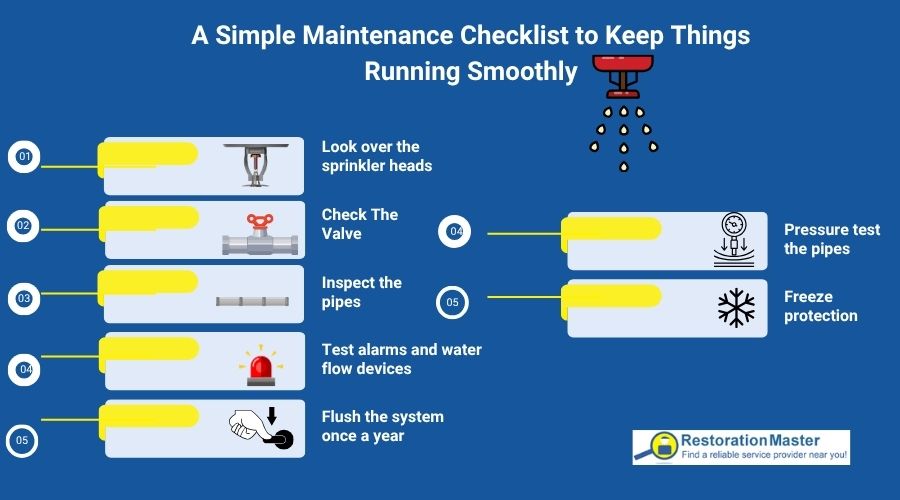
Credit: restorationmasterfinder.com
Importance Of Regular Maintenance
Regular maintenance of your residential sprinkler system is crucial to keep it running efficiently and prevent costly repairs. Neglecting upkeep can lead to water waste, uneven lawn watering, and system breakdowns. Taking care of your sprinkler system ensures your garden stays healthy and your water bills stay low.
Preventing Costly Repairs
Sprinkler systems have many components that can wear out or get damaged over time. Catching small issues early, like clogged nozzles or broken valves, can save you from expensive repairs later. Have you ever ignored a tiny leak only to find your water bill doubled the next month?
Maximizing Water Efficiency
Your sprinkler system uses a lot of water, so efficiency matters. Regular checks help spot leaks and broken heads that waste water. Adjusting spray patterns and timing ensures every part of your lawn gets the right amount of water without runoff or puddles.
Extending System Lifespan
Just like any equipment, your sprinkler system lasts longer with proper care. Cleaning filters, replacing worn parts, and winterizing the system protect it from damage. Imagine avoiding a complete system replacement by spending just a little time each season on maintenance.
Maintaining Lawn Health
Even watering is key to a healthy lawn, and your sprinkler system is the tool for that. Regular maintenance prevents dry patches and overwatered areas that can kill grass or encourage weeds. How much better would your lawn look if every inch received just the right amount of water?
Ensuring System Reliability
When the weather gets hot, you want your sprinkler system to work without fail. Regular maintenance means no surprises like stuck valves or broken timers when you need watering the most. Isn’t it frustrating to find your lawn dry just after a heatwave?

Credit: completepumpsandfire.com.au
Checking For Leaks And Blockages
Checking for leaks and blockages is a crucial part of maintaining your residential sprinkler system. These issues can waste water, increase your utility bills, and cause uneven watering of your lawn. Regularly inspecting your system helps you catch problems early and keep your sprinklers running efficiently.
Identifying Visible Leaks In Your Sprinkler System
Start by walking around your yard after the system has run. Look for unusually wet spots or puddles that don’t dry quickly. These could be signs of leaks in the pipes or sprinkler heads.
Check the sprinkler heads themselves for cracks or breaks. Sometimes the leak is at the connection points, so gently wiggle the heads to see if water sprays out where it shouldn’t. Fixing these minor leaks early prevents bigger problems.
Detecting Hidden Leaks Through Pressure Testing
If you notice a drop in water pressure or your water bill spikes without explanation, a hidden leak might be the cause. Pressure testing your sprinkler system can reveal leaks underground or in hard-to-see areas.
You can do this by turning off the system and using a pressure gauge on the mainline. A steady drop in pressure indicates a leak that needs professional attention. Have you ever been surprised by a leak hidden beneath your lawn?
Checking And Clearing Blockages In Sprinkler Heads
Blocked sprinkler heads reduce water flow and cause dry patches in your garden. Remove the heads and inspect for dirt, grass, or debris clogging the nozzles. Cleaning them regularly ensures even watering.
If you notice certain heads are spraying weakly or not at all, they might be blocked inside the pipe. Flushing the system can help clear out debris. You want each sprinkler head working perfectly to avoid overwatering some areas and underwatering others.
Preventative Tips To Avoid Leaks And Blockages
- Regularly check for leaks after heavy rains or system use.
- Keep your sprinkler heads clean and free of debris.
- Inspect connection points for wear and tighten them if necessary.
- Schedule a professional inspection annually to catch hidden issues.
Maintaining your sprinkler system by watching for leaks and blockages protects your lawn and wallet. How often do you take a close look at your sprinklers to prevent these common problems?
Inspecting Sprinkler Heads
Inspecting sprinkler heads is crucial for keeping your residential sprinkler system efficient. These heads control water flow and spray patterns. Dirt, damage, or blockages can reduce their effectiveness. Regular checks help spot problems early. This prevents water waste and dry patches in your lawn. Simple inspections save money on repairs and water bills.
Cleaning Clogged Nozzles
Clogged nozzles stop water from spraying evenly. Dirt, grass, and debris often block them. Remove the nozzle carefully to avoid damage. Use a soft brush or a toothpick to clear the holes. Rinse the nozzle with water to flush out small particles. Clean nozzles improve spray coverage and prevent uneven watering.
Replacing Damaged Heads
Sprinkler heads can crack or break from lawn mowers or weather. A damaged head leaks water or sprays unevenly. Replace broken heads with the same type for proper function. Turn off the water supply before removal. Unscrew the old head and screw in the new one tightly. Test the system to ensure the new head works well.
Testing Water Pressure
Testing water pressure is crucial for maintaining a residential sprinkler system. Proper pressure ensures even water distribution to all areas of your lawn. Low pressure can cause weak coverage, while high pressure may damage sprinkler heads. Regular checks help keep your system running efficiently.
How To Measure Water Pressure
Use a pressure gauge designed for irrigation systems. Attach it to an outdoor faucet or sprinkler valve. Turn on the water and read the gauge. Record the pressure in pounds per square inch (PSI). Ideal pressure usually ranges between 30 and 50 PSI.
Signs Of Incorrect Water Pressure
- Sprinkler heads mist or spray unevenly
- Water runoff from the lawn
- Sprinkler heads pop up slowly or not fully
- Leaks or damaged sprinkler components
Adjusting Water Pressure
Install a pressure regulator if pressure is too high. Reduce the flow by adjusting the main valve. For low pressure, check for leaks or blockages. Clear any debris from pipes and sprinkler heads. Consult a professional if pressure problems persist.
Seasonal Adjustments
Seasonal adjustments help keep a residential sprinkler system working well all year. Changing weather means changing needs for watering. Proper care protects the system from damage and saves water. Adjusting the system for winter and spring is very important.
Winterizing The System
Prepare the sprinkler system before cold weather arrives. Water left in pipes can freeze and cause cracks. Follow these steps to protect the system:
- Turn off the water supply to the sprinkler system.
- Drain all water from pipes and sprinkler heads.
- Use compressed air to blow out remaining water.
- Remove and store any above-ground components.
- Cover control valves and backflow preventers with insulation.
These actions prevent damage and costly repairs during winter months.
Reactivating In Spring
Start the system again as temperatures rise. This ensures plants get enough water. Steps to reactivate the system include:
- Inspect all sprinkler heads for damage or blockages.
- Remove insulation from valves and pipes.
- Turn on the water supply slowly to avoid pressure shocks.
- Test each zone to check coverage and leaks.
- Adjust the timer to match spring watering needs.
Regular checks improve system performance and save water during the growing season.
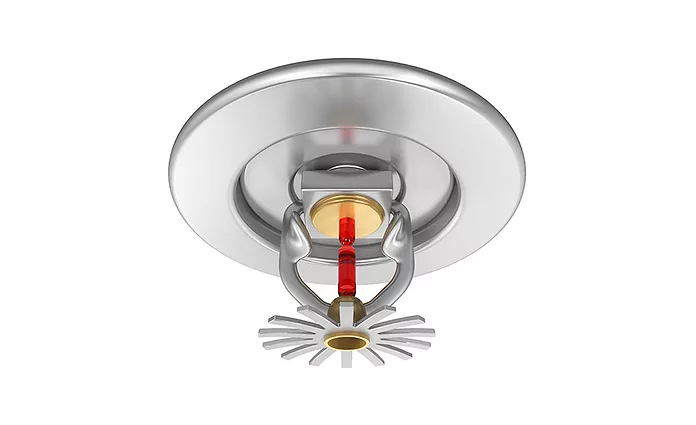
Credit: www.pmmag.com
Monitoring Water Coverage
Monitoring water coverage is key to keeping your residential sprinkler system efficient and your lawn healthy. If certain areas get too much water while others stay dry, you risk wasting water and harming your plants. Keeping an eye on how water spreads helps you catch these problems early and adjust your system accordingly.
Checking For Dry Or Overwatered Spots
Walk your lawn right after a watering cycle and look for patches that seem too dry or soggy. Dry spots might mean a sprinkler head is clogged or misaligned. Overwatered areas could indicate a broken sprinkler or one that sprays too much.
Try marking these spots with flags or small stakes so you can easily find and fix them later. Have you noticed uneven growth or puddles in your yard? Those are clear signs your system needs adjustment.
Adjusting Sprinkler Heads For Proper Coverage
Sprinkler heads can shift over time due to weather or accidental bumps. Make sure each head covers the intended area without spraying sidewalks or driveways. This saves water and prevents muddy patches where plants don’t grow well.
Adjust the spray distance and angle by turning the nozzle or repositioning the head. If you’re unsure how to do this, many manufacturers provide simple guides or videos online.
Using Water Meters And Sensors
Installing a water meter or soil moisture sensor gives you real-time data on how much water your system delivers. These tools help you avoid watering too much or too little based on actual conditions rather than guesswork.
Some smart sprinkler controllers can even adjust watering schedules automatically based on sensor input. This can save you money and keep your plants happier.
Recording And Reviewing Watering Patterns
Keep a simple log of your watering times, weather conditions, and observed coverage issues. This helps you spot patterns and make better decisions about system settings.
For example, if you notice dry patches regularly appear after windy days, you might want to shorten watering times or water during calmer hours. How often do you check your system’s performance against weather changes?
Ensuring Control System Efficiency
Ensuring the efficiency of your residential sprinkler system’s control panel is crucial for maintaining a lush, healthy lawn without wasting water or energy. A well-tuned control system keeps watering schedules precise and adapts to seasonal changes automatically. Neglecting this part can lead to overwatering or dry patches, which can frustrate any homeowner.
Updating System Software
Your sprinkler system’s control panel often relies on software that manages watering cycles and sensor data. Just like your phone or computer, this software needs regular updates to fix bugs and improve performance. Check the manufacturer’s website or app frequently to download the latest updates.
Ignoring software updates can cause your system to miss critical weather changes or malfunction during peak watering times. Have you ever experienced your sprinklers running during a heavy rainstorm? Updated software can prevent that by syncing with local weather data or rain sensors.
Checking Timer Settings
Timer settings control when and how long your sprinklers run. These need to be adjusted seasonally as water needs change with weather and plant growth. Take time every month or so to review and fine-tune these settings based on your lawn’s current condition.
Incorrect timer settings can lead to water waste or dry spots. For instance, running sprinklers too early in the morning during winter might freeze the system, while summer watering might need to be more frequent but shorter. Have you set reminders to review your timer settings regularly?
Professional Inspection Benefits
Professional inspection of residential sprinkler systems is essential for long-term performance. Experts detect hidden issues that homeowners often miss. These inspections help maintain system efficiency and prevent costly repairs.
Trained technicians check all components carefully. They ensure sprinklers deliver water evenly and effectively. Regular inspections keep your lawn green and healthy while saving water.
Early Problem Detection
Professionals spot leaks, broken heads, and clogs early. Fixing small problems avoids bigger damage. Early detection reduces water waste and lowers utility bills.
System Performance Optimization
Experts adjust sprinkler timing and water pressure. This adjustment improves coverage and prevents overwatering. Proper settings protect plants and conserve water.
Compliance With Local Regulations
Inspections ensure your system meets local water rules. Professionals know the latest laws and standards. This compliance avoids fines and helps community water conservation.
Extended System Lifespan
Routine checks prevent premature wear and tear. Maintenance extends the life of pipes, valves, and sprinkler heads. Saving money on replacements over time.
Peace Of Mind
Knowing your system works well reduces stress. Professionals provide detailed reports and advice. Confidence in your sprinkler system means a healthy yard all year.
Frequently Asked Questions
How Often Should I Inspect My Residential Sprinkler System?
You should inspect your sprinkler system at least twice a year. Spring and fall inspections help catch leaks or blockages early. Regular checks ensure efficient watering and prevent costly repairs.
What Seasonal Maintenance Is Needed For Sprinkler Systems?
Winterizing your system before freezing temperatures is crucial to avoid pipe damage. In spring, check for broken heads and adjust spray patterns. Seasonal maintenance keeps the system running smoothly year-round.
How Do I Detect Leaks In My Sprinkler System?
Look for unusually wet areas or soggy soil in your yard. High water bills and low water pressure can also indicate leaks. Early leak detection saves water and reduces repair costs.
Should Sprinkler Heads Be Cleaned Regularly?
Yes, clean sprinkler heads every few months to remove dirt and debris. This prevents clogging and uneven water distribution. Clean heads improve system efficiency and lawn health.
Conclusion
Regular checks keep your sprinkler system working well. Clean nozzles and fix leaks quickly. Test the system often to save water and money. Winterize before cold weather to avoid damage. Simple care extends your system’s life and keeps plants healthy.
Small steps prevent big problems later. A well-maintained sprinkler means a green, beautiful yard year-round. Take time for maintenance and enjoy a lush lawn without hassle.
Leave a Reply