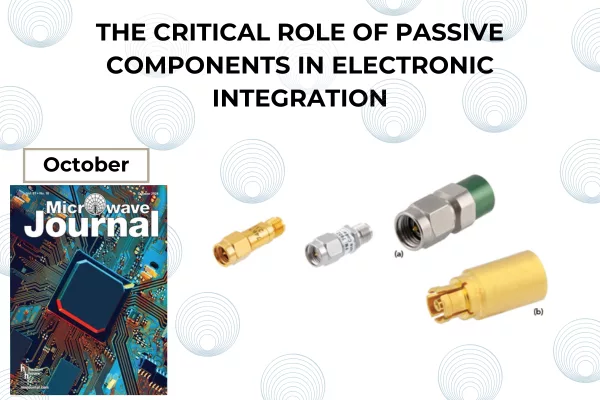
Have you ever wondered what makes your electronic devices work smoothly without constantly needing power? The secret often lies in something called passive electronic components.
These small parts may not grab attention like flashy gadgets, but they play a crucial role in controlling and managing electrical signals. If you want to understand how your favorite devices stay reliable and efficient, knowing about passive electronic components is a great place to start.
Keep reading, and you’ll discover how these simple parts impact the technology you use every day.
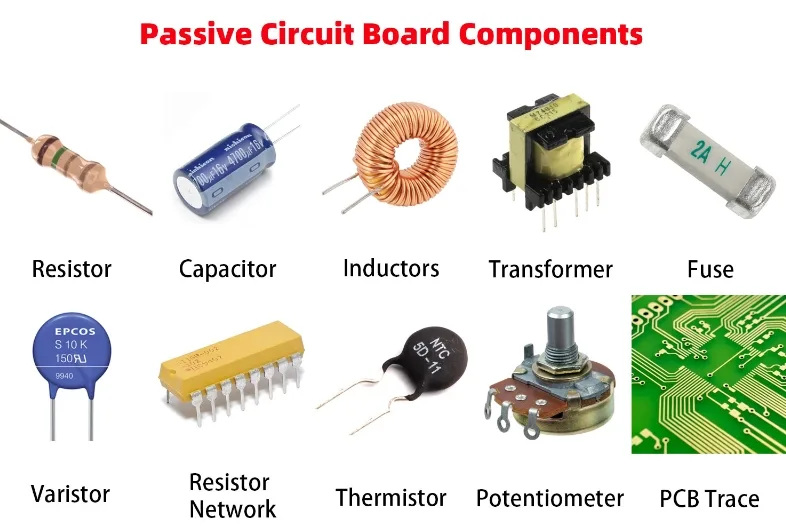
Credit: www.lstpcb.com
Basics Of Passive Components
Understanding the basics of passive electronic components is essential if you want to grasp how most electronic devices function. These components do not require power to operate, yet they perform critical roles like controlling current, storing energy, and filtering signals. Getting to know these parts helps you design, troubleshoot, and improve circuits effectively.
What Are Passive Electronic Components?
Passive components are electronic parts that cannot generate energy but can store or dissipate it. Unlike active components like transistors, they don’t amplify signals or control current flow actively. Instead, they work by responding to the electrical signals that pass through them.
Common Types Of Passive Components
- Resistors:They limit the flow of electric current and adjust signal levels.
- Capacitors:These store and release electrical energy, helping to smooth out voltage fluctuations.
- Inductors:They store energy in a magnetic field when current flows through them, often used in filtering applications.
- Transformers:Used to change voltage levels in AC circuits by magnetic coupling.
How Do Passive Components Affect Your Circuit?
Each passive component plays a unique role in shaping how your circuit behaves. For instance, resistors control how much current flows, preventing damage to sensitive parts. Capacitors can filter out noise, making your device more stable and reliable.
Think about the last time you assembled a simple radio or repaired a charger. Did you notice how replacing a resistor or capacitor fixed the problem? This real-world example shows just how critical passive components are.
Why Understanding Passive Components Matters
Knowing the function of each passive component helps you predict circuit behavior and troubleshoot issues quickly. It also enables you to customize designs to meet specific needs, whether you want more efficiency or better signal quality.
Are you curious about how changing a single resistor value can affect the entire circuit? Experimenting with these components can provide hands-on insights that no textbook can offer.
Credit: www.kynix.com
Types Of Passive Components
Passive electronic components play a vital role in every electronic circuit. These components do not generate energy but help control current flow and voltage. They store energy, resist current, or filter signals without the need for external power. Understanding their types helps in designing and troubleshooting circuits effectively.
Resistors
Resistors limit the flow of electrical current in a circuit. They are made from materials that resist electric current, like carbon or metal. Resistors come in many sizes and values to suit different needs. They control voltage and protect other components from damage.
Capacitors
Capacitors store electrical energy temporarily and release it when needed. They consist of two metal plates separated by an insulator. Capacitors smooth voltage changes and filter noise in circuits. They are important in timing and signal processing applications.
Inductors
Inductors store energy in a magnetic field when current passes through them. They are coils of wire wrapped around a core. Inductors resist changes in current and filter signals. They are key in power supplies and radio frequency circuits.
Functions In Electronic Circuits
Passive electronic components play key roles in electronic circuits. They do not add energy but control how current and signals move. Their functions help circuits work safely and efficiently. These components include resistors, capacitors, and inductors. Each type has specific jobs that support circuit operation.
Current Limiting
Resistors are common passive components used to limit current. They prevent too much current from flowing and damaging parts. By adding resistance, they control the speed of current flow. This function protects sensitive components and keeps circuits stable.
Signal Filtering
Capacitors and inductors often filter signals in circuits. They block unwanted noise and smooth signals. Capacitors can pass high-frequency signals but block low-frequency ones. Inductors do the opposite, passing low frequencies and blocking high. Together, they clean up electrical signals for better performance.
Energy Storage
Capacitors and inductors store energy temporarily. Capacitors hold electrical charge and release it when needed. Inductors store energy in a magnetic field during current flow. This ability helps stabilize power and maintain smooth circuit operation. Energy storage supports timing and signal processing tasks.
Common Applications
Passive electronic components play a crucial role in many everyday devices and systems. They don’t require power to operate but significantly influence how circuits function. Let’s look at some common applications where these components make a real difference.
Consumer Electronics
Think about your smartphone, TV, or laptop. Inside these gadgets, passive components like resistors and capacitors help manage power flow and filter signals. Without them, your device might overheat or deliver poor sound and image quality.
Have you ever wondered how your headphones reduce noise or your phone maintains battery life? These small parts help control electrical currents and store energy, improving your experience. They keep devices reliable and efficient every day.
Automotive Systems
Cars rely heavily on passive components to ensure safety and performance. Resistors and inductors help regulate sensors, control lighting, and manage engine functions. This means smoother rides and more responsive brakes.
Modern vehicles use electronic systems for everything from airbag deployment to fuel efficiency. Passive components are the silent heroes that make these systems work without drawing extra power. How often do you think about the tiny parts keeping you safe behind the wheel?
Industrial Equipment
Factories and heavy machinery use passive electronic components to maintain stable operation. They protect circuits from voltage spikes and help monitor conditions like temperature and pressure. This keeps machines running longer and reduces costly downtime.
In industrial settings, reliability is key. Passive components provide simple, sturdy solutions that withstand harsh environments. What would happen if these parts failed during critical processes?
Choosing The Right Components
Choosing the right passive electronic components can make a huge difference in your project’s success. These tiny parts carry big responsibilities like managing current, voltage, and signal integrity. Picking the wrong component might not only cause failure but also waste your time and money.
Understanding Specifications
Every component comes with a set of specs that define its limits and capabilities. Pay close attention to values like resistance, capacitance, tolerance, and power rating. A resistor that can’t handle the heat in your circuit will fail quickly, no matter how cheap it is.
Look beyond just the main rating. Factors such as temperature coefficient and frequency response can affect performance in subtle ways. Ask yourself: does this component meet the exact needs of my circuit, or am I guessing?
Considering Environmental Factors
Your components don’t just live in a lab—they face real-world conditions. Think about temperature extremes, humidity, vibration, and exposure to chemicals. A capacitor working fine on your bench might degrade fast in a hot, humid factory.
Match components to the environment they will operate in. For example, using high-temperature rated resistors in automotive circuits can prevent unexpected breakdowns. Have you checked if your component’s specs cover these conditions?
Cost And Availability
Price matters, especially when you’re building in bulk or working on a tight budget. But don’t sacrifice quality for the lowest price. Sometimes a slightly more expensive component saves you from costly repairs down the road.
Also, check if the components are readily available. Waiting weeks for a rare part can stall your entire project. Consider standard parts that are easy to source and replace, keeping your project on schedule and your stress level low.
Future Trends In Passive Components
The future of passive electronic components looks promising with rapid advancements. These trends will shape how devices become smaller, smarter, and more efficient. Innovations focus on size, materials, and combining passive with active parts. Let’s explore the key trends driving this evolution.
Miniaturization
Devices demand smaller components for compact designs. Passive components are shrinking to fit tight spaces without losing performance. This trend supports wearables, smartphones, and IoT gadgets. Smaller parts reduce weight and improve circuit density. Engineers push limits to create tiny capacitors, resistors, and inductors.
Advanced Materials
New materials enhance component durability and efficiency. Researchers explore ceramics, polymers, and composites for better stability. These materials handle higher temperatures and frequencies. They also reduce energy loss and noise in circuits. This progress enables longer-lasting and more reliable electronics.
Integration With Active Components
Combining passive and active components creates multifunctional modules. Integration reduces assembly time and lowers costs. It improves signal integrity and reduces interference. This trend supports smart sensors, power management, and communication devices. Hybrid designs lead to more compact and powerful electronic systems.
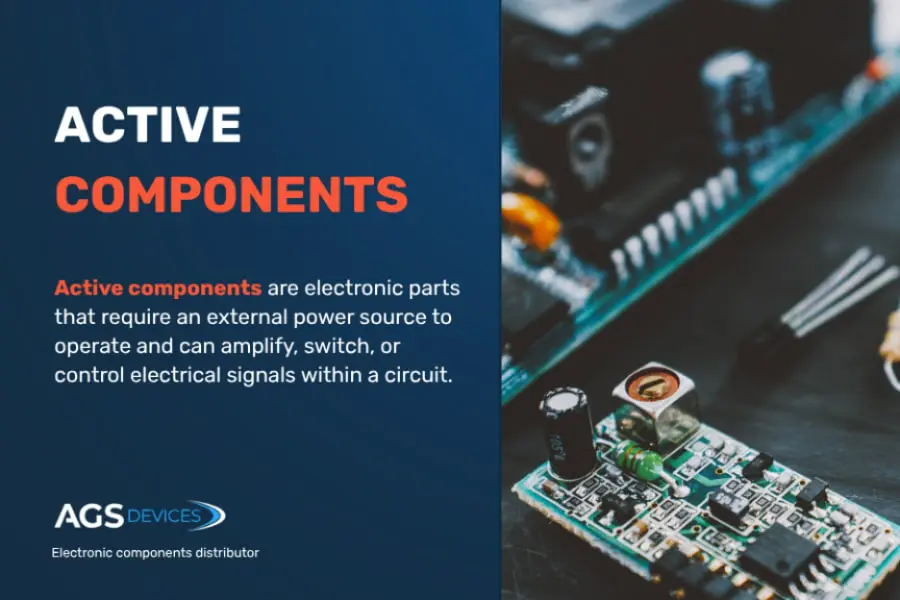
Credit: www.agsdevices.com
Frequently Asked Questions
What Are Passive Electronic Components?
Passive electronic components are devices that do not require power to operate. They include resistors, capacitors, and inductors. These components control current and voltage without amplification. They are essential in electronic circuits for signal processing and power management.
How Do Passive Components Differ From Active Ones?
Passive components cannot generate energy or amplify signals. Active components, like transistors, require power and can control current flow. Passive parts only store or dissipate energy. This fundamental difference defines their roles in electronic circuits.
Why Are Passive Components Important In Electronics?
Passive components regulate current, voltage, and signal flow in circuits. They ensure circuit stability, filter noise, and store energy. Without them, electronic devices would not function properly or efficiently.
What Are Common Types Of Passive Electronic Components?
Common passive components include resistors, capacitors, inductors, and transformers. Each serves a specific function like resistance, energy storage, or signal filtering. They form the backbone of most electronic devices and systems.
Conclusion
Passive electronic components play a key role in many devices. They help control and manage electric signals without using power. Resistors, capacitors, and inductors are common types you see every day. Understanding these parts makes electronics easier to grasp. They keep circuits stable and working well.
Learning about them opens doors to more knowledge in electronics. Small parts, big impact. Keep exploring to see how they shape technology.
Leave a Reply