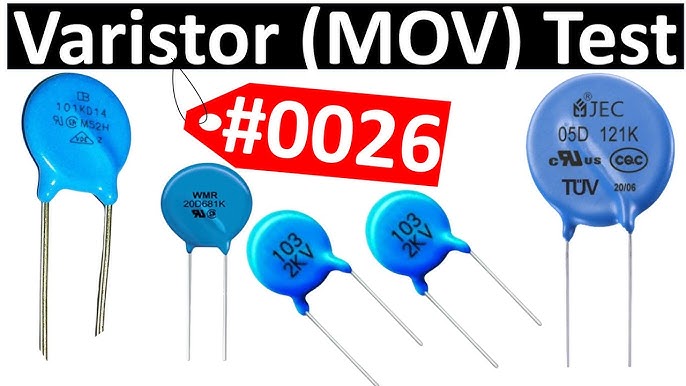
Have you ever wondered how your electronic devices stay safe during sudden power surges or lightning strikes? The secret often lies in a small, yet powerful component called the MOV.
But what exactly is an MOV in electronics? Understanding this tiny part can help you protect your gadgets and keep your home’s electrical system running smoothly. You’ll discover what an MOV does, why it’s important, and how it works to shield your valuable electronics.
Keep reading—you’ll be surprised at how this simple component plays a big role in your everyday technology.

Credit: www.allelcoelec.com
Basics Of Mov
Metal Oxide Varistors (MOVs) are vital components in electronics. They protect circuits from sudden voltage spikes. These spikes can damage sensitive parts, causing device failure.
MOVs act like a safety valve. They absorb extra voltage and prevent harm to the device. Understanding how MOVs work helps in choosing the right one for protection.
What Is An Mov?
An MOV is a resistor with a variable resistance. Its resistance changes based on the voltage applied. At normal voltages, it has high resistance. During voltage surges, resistance drops quickly.
How Does An Mov Work?
The MOV contains metal oxide grains. These grains connect to form a network. When voltage rises above a limit, the grains conduct electricity. This reduces voltage across the device.
Key Features Of Mov
- Voltage-dependent resistance
- Fast response to voltage spikes
- Energy absorption capability
- Compact and cost-effective
Common Applications
MOVs protect power supplies, televisions, and computers. They also safeguard home appliances and industrial equipment. Their role is to avoid damage during electrical surges.
Functionality Of Movs
The functionality of Metal Oxide Varistors (MOVs) plays a crucial role in protecting your electronic devices. These components act as shields against sudden voltage spikes, ensuring your equipment runs smoothly without damage. Understanding how MOVs work can help you appreciate their importance and decide when to use them.
Voltage Clamping
MOVs clamp voltage by changing their resistance based on the voltage level. At normal voltage, they have very high resistance, allowing current to flow normally. When voltage spikes occur, their resistance drops sharply, limiting the voltage that passes through.
This rapid response prevents excessive voltage from reaching sensitive components. Imagine your MOV as a gatekeeper that only opens wide when it detects a threat, stopping dangerous voltage from passing. Have you ever noticed your device surviving a power surge? That’s likely due to an MOV doing its job.
Surge Absorption
Besides clamping voltage, MOVs absorb the energy from surges to protect circuits. They convert the surge energy into heat, which safely dissipates away from critical parts. This absorption prevents permanent damage to your electronics.
Think of it as a buffer that takes the shock so your device doesn’t have to. But keep in mind, MOVs have a limit—repeated surges reduce their effectiveness over time. Have you checked your MOVs recently? Their condition can be a silent factor in your device’s longevity.
Types Of Movs
Metal Oxide Varistors (MOVs) protect electronic circuits from voltage spikes. They come in different types based on energy handling and application needs. Understanding these types helps choose the right MOV for specific uses.
Standard Movs
Standard MOVs handle typical voltage surges. They protect home appliances and small electronics. These MOVs react quickly to voltage spikes, absorbing excess energy. They have moderate energy ratings suitable for everyday use.
Standard MOVs are compact and cost-effective. They work well in power strips, chargers, and TVs. Their main role is to prevent damage from common surges.
High Energy Movs
High Energy MOVs absorb large voltage spikes. They suit industrial equipment and heavy machinery. These MOVs have higher energy ratings and durability. They protect systems from severe electrical surges and lightning strikes.
High Energy MOVs are larger and more robust. They provide long-lasting protection in harsh environments. These MOVs ensure safety for critical and high-power devices.
Applications In Electronics
Understanding the applications of MOV (Metal Oxide Varistor) in electronics reveals how essential this component is for protecting devices from voltage spikes. MOVs act as guardians, absorbing sudden surges that could otherwise damage sensitive electronics. Let’s look at where you might find these little but powerful protectors in action.
Consumer Electronics
MOVs are widely used in everyday gadgets you rely on, such as smartphones, laptops, and televisions. They protect your devices from unexpected power surges caused by lightning strikes or faulty wiring. Have you ever experienced a power surge that fried your device? The MOV inside might have been the reason it survived.
These components are often found in power adapters and surge protectors. They ensure that your valuable electronics don’t face damage during unstable power conditions. This makes your devices last longer and saves you money on repairs or replacements.
Industrial Equipment
In industrial settings, MOVs play a critical role in safeguarding heavy machinery and control systems. Equipment here often faces higher voltage fluctuations due to large motors and complex electrical setups. MOVs help prevent costly downtime by absorbing these spikes before they reach delicate components.
Machines in factories and plants depend on stable power to function efficiently. Without MOVs, even a minor surge could halt production and lead to expensive repairs. Have you considered how protecting industrial equipment with MOVs could improve reliability and reduce maintenance costs?
Advantages Of Using Movs
Using Metal Oxide Varistors (MOVs) in your electronic designs offers clear benefits that impact both performance and budget. These components act like guardians, protecting circuits from sudden voltage spikes. Understanding their advantages can help you decide when and where to add them to your projects.
Cost-effectiveness
MOVs provide excellent protection without costing a fortune. Their low price allows you to safeguard multiple points in a circuit without worrying about expenses. If you’ve ever faced costly repairs from voltage surges, you’ll appreciate how a small investment in MOVs can prevent much bigger bills.
Because MOVs are widely used and easy to manufacture, they remain affordable even in bulk. This means you can add layers of protection without breaking your budget. Does your project need a simple, inexpensive way to improve durability? MOVs might be the answer.
Reliability
MOVs are known for their dependable performance in harsh electrical conditions. Once installed, they react instantly to voltage surges, absorbing harmful energy and protecting sensitive components. In my own experience, adding MOVs to power supplies drastically reduced failures caused by unexpected spikes.
Their ability to reset after a surge means they don’t need frequent replacements under normal conditions. This reliability ensures your electronic devices stay safe longer, reducing downtime and maintenance. How much peace of mind would you gain knowing your circuits have this kind of dependable protection?

Credit: www.amazon.com
Limitations Of Movs
Metal Oxide Varistors (MOVs) play a crucial role in protecting electronic circuits from voltage spikes. However, understanding their limitations is key to using them effectively in your designs. Knowing these limits helps you avoid unexpected failures and ensures your components last longer.
Limited Lifespan
MOVs don’t last forever. Each time they absorb a voltage surge, their protective ability slightly decreases.
Over time, repeated surges wear out the MOV’s internal structure. This means it gradually loses its capacity to clamp high voltages effectively.
If you rely on an MOV without checking its condition, you risk exposing your circuit to damaging spikes. Have you ever wondered how often you should replace these components in your devices?
Potential Failure Modes
MOVs can fail in several ways, and not all failures are obvious. One common failure mode is thermal runaway, where excessive heat causes the MOV to become a short circuit.
This can lead to blown fuses or even fires if not properly managed. Another failure mode is gradual degradation, where the MOV stops responding to voltage surges altogether.
Recognizing these failure signs early can save you from costly repairs. Are you monitoring your MOVs for signs of damage or overheating?
Selection Criteria For Movs
Choosing the right Metal Oxide Varistor (MOV) for your electronic project isn’t just about picking a random component off the shelf. The selection criteria can make or break your circuit’s ability to handle voltage spikes and protect sensitive parts. Understanding the key factors like voltage rating and energy handling capacity helps you avoid costly failures and improve reliability.
Voltage Rating
The voltage rating of an MOV defines the maximum continuous voltage it can handle without degrading. You should select an MOV with a voltage rating slightly higher than the normal operating voltage of your circuit. For example, if your circuit operates at 120V AC, an MOV rated around 130V to 150V offers a safe margin.
Choosing a voltage rating too close to your circuit voltage can cause premature wear or failure. On the other hand, picking one with too high a rating might reduce its effectiveness in clamping sudden surges. Have you ever wondered why some surge protectors fail quickly? Often, it’s because the MOV’s voltage rating wasn’t matched properly to the application.
Energy Handling Capacity
This rating tells you how much energy the MOV can absorb from voltage spikes without damage. It’s usually expressed in joules. If your application is prone to frequent or high-energy surges, you need an MOV with a higher energy rating to avoid burnout.
Think about a power supply in a lightning-prone area. Using an MOV with low energy capacity there is like using a small umbrella in a storm—it just won’t hold up. Check the surge energy levels your circuit might encounter and pick an MOV accordingly to ensure long-term protection.
Installation And Maintenance
Installing and maintaining a Metal Oxide Varistor (MOV) is essential to protect electronic devices from voltage spikes. Proper handling ensures the MOV works effectively and lasts longer. Neglecting these aspects can cause system failure or damage.
Proper Installation Practices
- Place the MOV close to the power source for quick surge protection.
- Use the correct voltage and current ratings matching your circuit needs.
- Ensure good electrical connections with clean, tight contacts.
- Keep the MOV away from heat sources to avoid overheating.
- Mount the MOV on a non-conductive surface for safety.
- Check polarity if the MOV type requires correct orientation.
Routine Maintenance Tips
- Inspect the MOV regularly for cracks or discoloration.
- Test the MOV with a multimeter to ensure it is functioning.
- Replace the MOV if it shows signs of wear or damage.
- Keep the area around the MOV clean and dust-free.
- Check for loose wiring and tighten connections as needed.
- Monitor for unusual heat build-up during operation.
Future Trends In Mov Technology
The future of Metal Oxide Varistors (MOV) technology shows promising developments. These trends aim to improve protection, efficiency, and durability. MOVs will adapt to the needs of growing electronic demands. Innovations will focus on smarter, safer, and more compact designs.
Advances in materials and manufacturing will also play a key role. These changes will help MOVs handle higher voltages and currents. They will become more reliable in harsh environments. The future holds exciting possibilities for MOV technology in electronics.
Improved Material Compositions For Enhanced Durability
New materials will increase MOV lifespan and performance. Scientists explore additives that reduce degradation over time. These materials will resist heat and electrical stress better. This leads to MOVs that maintain protection longer.
Integration With Smart Electronics
MOVs will connect with smart monitoring systems. Real-time status updates will alert users to potential failures. Smart MOVs can self-adjust to changing electrical conditions. This enhances safety and reduces maintenance needs.
Miniaturization For Compact Electronic Devices
Smaller MOVs will fit into tighter spaces. Electronics will benefit from more protection without size trade-offs. Miniaturization helps in portable and wearable technology. It supports trends toward lightweight and thin devices.
Environmental-friendly And Sustainable Designs
Future MOVs will use eco-friendly manufacturing processes. Recyclable and less toxic materials will become common. This reduces environmental impact during production and disposal. Sustainable MOVs align with global green energy goals.
Higher Energy Handling Capabilities
New designs will allow MOVs to manage stronger surges. This protects advanced electronics from extreme power spikes. Enhanced energy capacity means better protection in industrial settings. It supports growing power demands worldwide.

Credit: www.amazon.com
Frequently Asked Questions
What Does Mov Stand For In Electronic Components?
MOV stands for Metal Oxide Varistor. It is a voltage-dependent resistor used to protect circuits from voltage spikes and surges. MOVs absorb excess voltage, preventing damage to sensitive electronic parts.
How Does A Mov Protect Electronic Devices?
A MOV clamps high voltage surges by changing resistance. During a surge, its resistance drops, diverting excess current away. This action safeguards electronic devices from potential damage caused by transient voltage spikes.
Where Are Movs Commonly Used In Electronics?
MOVs are commonly found in power strips, surge protectors, and power supplies. They protect household appliances, computers, and industrial equipment from voltage spikes and electrical surges.
What Causes A Mov To Fail Or Degrade?
MOVs degrade from repeated voltage surges or prolonged exposure to high voltage. Over time, their protective capability reduces, eventually causing failure. Replacing aged MOVs ensures continued circuit protection.
Conclusion
MOVs protect electronic devices from voltage spikes and surges. They act fast to keep circuits safe and working. Understanding MOVs helps you choose the right parts for your projects. These components are small but very important in electronics. Remember, using MOVs can save your devices from damage.
Keep MOVs in mind when designing or repairing electronics. They offer a simple way to improve device safety and reliability.
Leave a Reply