Are you staring at that old, broken gadget wondering if anything inside is worth saving? Knowing what electronic components to salvage can save you money and give you parts for your next project.
Imagine turning your pile of junk into a treasure trove of useful pieces—resistors, capacitors, switches, and more—all waiting for you to reuse. Keep reading, and you’ll discover exactly which parts you should keep and how they can power your future creations.
Your next great idea might just be inside that old device.

Credit: www.solder.net
Importance Of Salvaging Electronic Components
Salvaging electronic components saves money and reduces waste. Many devices contain parts that still work well. These parts can be reused in new projects or repairs.
Salvaging also helps the environment. Electronic waste is a major problem worldwide. By reusing parts, fewer devices end up in landfills. This lowers pollution and conserves natural resources.
Learning to salvage parts improves your skills. You understand how devices work and how to fix them. This knowledge is useful for hobbyists and professionals alike.
Cost Savings By Reusing Components
Buying new parts can be expensive. Salvaged components often cost less or are free. This helps reduce project budgets and repair costs.
Environmental Benefits Of Salvaging Electronics
Electronic waste contains harmful materials. Salvaging reduces the need to mine raw materials. It also lowers the energy used to make new parts.
Skills Development Through Component Recovery
Taking apart old electronics teaches hands-on skills. You learn to identify useful parts and test them. These skills boost your confidence in electronics work.
Availability Of Rare Or Hard-to-find Parts
Some components are no longer made or sold. Salvaging helps find these rare parts. This keeps old or vintage devices working longer.
Tools Needed For Salvaging
Having the right tools makes salvaging electronic components not only easier but also safer. Whether you’re just starting or have years of experience, the tools you choose directly affect the quality of the components you recover. Let’s break down the essentials you need to get your hands on before opening up that old device.
Basic Tools For Beginners
If you’re new to salvaging, start with a simple toolkit that covers the essentials. These tools help you remove components without damaging them or the circuit boards.
- Screwdrivers:A set with various heads (Phillips, flathead) is crucial for opening devices.
- Needle-nose pliers:Perfect for gripping small parts and pulling out components.
- Soldering iron and desoldering pump:Basic soldering tools let you remove components cleanly.
- Wire cutters:Useful for trimming component leads and wires.
- Anti-static wrist strap:Protects sensitive components from static electricity damage.
Starting with these tools, you’ll find it easier to handle delicate parts without breaking them. Have you ever struggled to remove a resistor just because you lacked the right pliers? That’s a common beginner’s pitfall.
Advanced Tools For Experienced Hobbyists
If you’re comfortable with the basics, upgrading your toolkit will boost efficiency and salvage success. These tools allow you to work faster and with more precision.
- Hot air rework station:Enables you to remove surface-mount components without damaging the board.
- Multimeter with advanced functions:Helps test components for functionality before salvaging.
- Oscilloscope:Useful for diagnosing complex circuits and verifying component performance.
- Precision tweezers:Essential for handling tiny surface-mount devices.
- Component tester:Quickly identifies component type and condition.
When I started using a hot air rework station, I noticed a big drop in damaged boards. It’s tempting to jump straight to advanced tools, but each has a learning curve. Which tool would you add first to your collection?
Common Sources For Salvaging Components
Salvaging electronic components saves money and reduces waste. Many parts can be found in everyday items. Knowing where to find these components helps in gathering useful pieces. Some common sources provide a variety of parts for different projects.
Old Electronics Devices
Old devices like radios, computers, and printers hold many useful parts. These items often contain resistors, capacitors, and circuit boards. Buttons, switches, and connectors are easy to remove. Motors and speakers from these devices work well for many projects. Even broken gadgets can have valuable components inside.
Discontinued Appliances
Appliances no longer in use often contain good electronic parts. Microwaves, DVD players, and old phones are great sources. Transformers, sensors, and relays are common in these appliances. Some parts may be rare or hard to find in stores. Salvaging from these helps avoid buying new components.
E-waste Recycling Centers
Recycling centers collect discarded electronics from many sources. They sort and break down devices for reuse. These centers often allow people to collect parts. Components from different brands and types are available. Visiting these centers can provide a large variety of components at low cost.
Essential Components To Salvage
Knowing which electronic components to salvage can save you time and money on future projects. Essential components often come in small sizes but have big uses. Focusing on these parts will give you a valuable stockpile that fits many repair and DIY needs.
Resistors And Capacitors
Resistors and capacitors are the backbone of most circuits. Resistors control current flow, while capacitors store and release energy. You’ll find many common values in old electronics, so collecting a range of these parts is smart.
Look for resistors with different resistance levels and wattage ratings. Capacitors come in ceramic, electrolytic, and tantalum types—each useful in various situations. Salvaging these can help you fix or build almost anything with electronics.
Transistors And Diodes
Transistors are essential for switching and amplification. Diodes allow current to flow in one direction and protect circuits from voltage spikes. Both are found in countless devices and are worth rescuing.
When you salvage transistors, note their type: NPN, PNP, MOSFET, or JFET. Diodes include standard, Zener, and LED varieties, each with specific roles. Having these components ready lets you troubleshoot or create circuits more efficiently.
Integrated Circuits And Microcontrollers
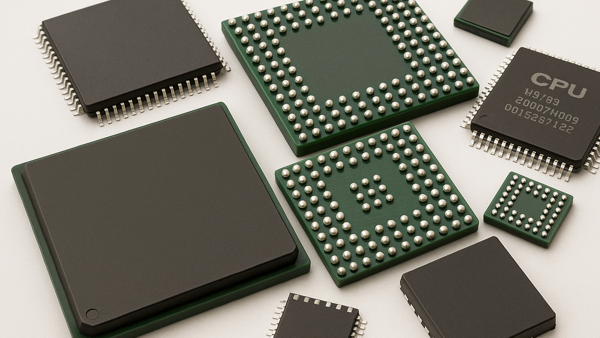
Integrated circuits (ICs) and microcontrollers pack complex functions into tiny chips. They handle everything from simple timers to advanced processing tasks. Salvaging these gives you powerful tools for your projects.
Check for common ICs like 555 timers, op-amps, and voltage regulators. Microcontrollers such as PIC, AVR, or Arduino-compatible chips can jumpstart your coding experiments. Don’t overlook datasheets—they’re invaluable when reusing these parts.
Safety Tips While Salvaging
Safety is the top priority while salvaging electronic components. Many parts contain harmful substances or sharp edges. Protecting yourself prevents injuries and health issues. Follow safety rules strictly to work with confidence and care.
Handling Hazardous Materials
Some electronic parts contain dangerous chemicals like lead, mercury, or cadmium. Avoid touching these materials with bare hands. Use gloves to protect your skin. Work in a well-ventilated area to avoid breathing toxic fumes. Store hazardous waste separately and dispose of it properly. Keep food and drinks away from your workspace.
Proper Use Of Tools
Use the right tools for each job to avoid accidents. Wear safety goggles to protect your eyes from flying debris. Keep tools sharp and in good condition. Use insulated tools when working with electrical parts. Handle soldering irons with care to prevent burns. Always unplug power sources before starting work.
Organizing And Storing Salvaged Components
Organizing and storing salvaged electronic components is key for easy access and efficient use. Proper storage saves time and prevents damage. It also helps keep track of what parts you have. A clear system reduces frustration and waste. Start with simple methods and improve as your collection grows.
Labeling And Categorization
Label every container or bag clearly. Use simple names like “Resistors,” “Capacitors,” or “ICs.” Group components by type, size, or value. This makes finding parts faster and easier. Write labels with permanent markers or print them on stickers. Keep similar items together to avoid confusion. Use color codes to separate categories quickly. For example, red for resistors, blue for capacitors. This system helps even beginners find parts without trouble.
Storage Solutions
Choose storage containers that fit your space and needs. Small plastic bins work well for tiny parts. Drawer organizers help separate different components neatly. Use clear containers to see contents at a glance. Magnetic strips can hold metal parts like screws or small tools. Stackable boxes save room and keep parts dust-free. Label each container on the top and front for easy spotting. Store components in a dry place to avoid rust or corrosion. Keep frequently used parts within arm’s reach for convenience.
Projects And Applications For Salvaged Components
Salvaged electronic components offer endless possibilities for creative and practical projects. These parts can be reused in various applications, saving money and reducing electronic waste. Using salvaged components also provides a hands-on experience in understanding electronics.
Diy Electronics Projects
Salvaged components are perfect for DIY projects at home. You can build simple gadgets like LED flashlights or small radios. Use old resistors, capacitors, and transistors to create circuits. Salvaged microcontrollers or sensors can power more complex projects like robots or home automation devices.
- Repair broken electronics by replacing faulty parts
- Create custom electronic toys or gadgets
- Experiment with circuit designs and prototypes
- Build audio amplifiers or signal boosters
Educational Purposes
Using salvaged parts is great for learning electronics basics. Students and beginners can practice soldering and circuit building. It helps to understand how different components work together. Salvaged parts also allow experimentation without worrying about wasting new materials.
- Hands-on lessons in electronic circuits
- Understanding component functions and specifications
- Testing and troubleshooting practice
- Encouraging creativity through making and fixing

Credit: www.allpcb.com

Credit: www.circuitrework.com
Frequently Asked Questions
What Electronic Components Are Best To Salvage?
Common components to salvage include resistors, capacitors, transistors, and diodes. These parts are widely used and easy to reuse. Salvaging these saves money and reduces electronic waste. They often remain functional even from old devices.
How To Test Salvaged Electronic Components?
Use a multimeter to check continuity, resistance, and voltage ratings. Testing ensures components work correctly before reuse. Some parts may need specialized testers. Always verify specifications match your project requirements to avoid failure.
Which Devices Are Ideal For Component Salvage?
Old computers, radios, and printers are great sources. These devices contain diverse and valuable components. Avoid devices with damaged or corroded parts. Prioritize items that are no longer in use or obsolete.
Can Salvaged Components Be Used In New Projects?
Yes, salvaged parts are perfect for DIY electronics and repairs. Ensure components are tested and meet specifications. Using salvaged parts promotes sustainability and cost efficiency. They are especially useful for hobbyists and prototypes.
Conclusion
Salvaging electronic components saves money and reduces waste. Common parts like resistors, capacitors, and switches have many uses. Working with these parts helps you learn and fix devices. Keep components organized for easier future projects. Always test parts before using them again.
This practice supports both hobbyists and professionals. Start small and build your collection over time. It’s a smart, practical way to reuse electronics safely.
Leave a Reply