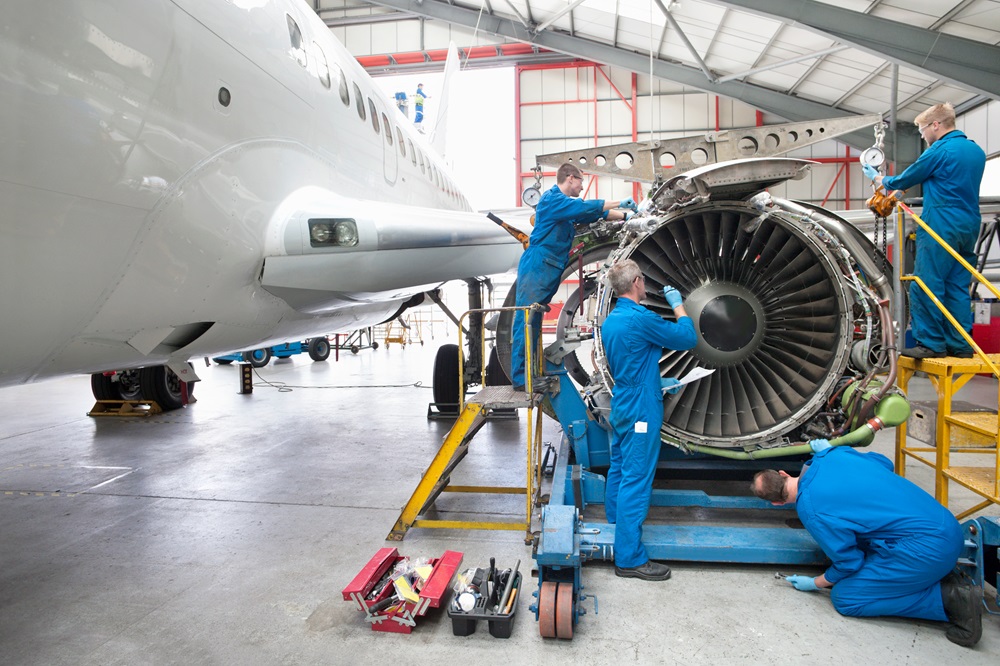
Are you wondering if a career in Aviation Maintenance Technology is the right choice for you? You’re not alone.
Choosing a path that offers stability, growth, and satisfaction can be tough. But imagine working in a field where your skills keep airplanes safe and flying smoothly every day. This career is more than just fixing machines—it’s about being a vital part of the aviation world.
Keep reading to discover what makes Aviation Maintenance Technology a smart and rewarding career option for you.
Career Stability
Career stability is a key factor for anyone choosing a profession. Aviation maintenance technology offers a strong and steady career path. The aviation industry always needs skilled technicians to keep aircraft safe and operational. This demand creates job security and long-term opportunities.
Jobs in aviation maintenance rarely disappear because airplanes require constant upkeep. Airlines, cargo companies, and private fleets all depend on these technicians. Economic ups and downs may affect the industry, but safety standards remain strict. This keeps the need for qualified maintenance workers consistent.
Consistent Demand For Skilled Technicians
Air travel continues to grow globally. More flights mean more aircraft to maintain. Technicians with the right skills stay in demand worldwide. This demand provides a steady flow of job openings.
Job Security In A Regulated Industry
Aviation follows strict safety rules set by authorities. Regular inspections and repairs are mandatory. This creates constant work for maintenance professionals. Employers value workers who meet these high standards.
Opportunities For Career Growth
Technicians can advance into supervisory roles or specialized fields. Gaining certifications and experience opens new paths. Career growth leads to better pay and stability.
Impact Of Technology On Job Stability
New technologies improve aircraft systems but do not replace technicians. Maintenance roles evolve with technology, requiring ongoing learning. Adaptable technicians enjoy continued job security.
Growing Demand
The aviation industry is expanding rapidly, and this growth directly impacts the demand for skilled aviation maintenance technicians. As more airlines add new aircraft and older fleets require constant upkeep, the need for qualified professionals is rising steadily.
Have you considered how this demand could secure your career for years to come? Understanding the factors behind this growth can help you make an informed decision about entering this field.
Increasing Air Travel And Fleet Expansion
More people are flying than ever before, which means airlines are buying more planes. This expansion creates a continuous need for maintenance experts to keep aircraft safe and operational.
For example, major airlines have placed large orders for new jets, expecting more passengers in the next decade. This trend translates into more job openings for you as a maintenance technician.
Retirement Wave Of Current Technicians
A significant number of experienced aviation maintenance technicians are nearing retirement age. This opens up numerous opportunities for newcomers to fill those positions.
With fewer experienced workers available, companies are eager to hire and train fresh talent. This makes it an ideal time for you to enter the field and build a rewarding career.
Advancements In Aircraft Technology
Modern aircraft use advanced systems that require specialized maintenance skills. As technology evolves, technicians with up-to-date knowledge become essential.
If you enjoy learning about new technology and applying it practically, this field offers a chance to stay engaged and in demand.
Job Stability And Competitive Salaries
Because of the growing demand, aviation maintenance technicians often enjoy job stability and competitive pay. Employers value skilled workers who can ensure safety and efficiency.
Would you prefer a career where your expertise is consistently needed and well compensated? Aviation maintenance technology offers exactly that.
Competitive Salaries
Competitive salaries are a key factor that draws many to the field of aviation maintenance technology. You want to know if the time and effort you invest will pay off financially. The good news is this career often offers attractive compensation that grows with your experience and skills.
Salary Range For Aviation Maintenance Technicians
Entry-level technicians typically start with a solid salary that reflects their training and certification. As you gain hands-on experience, your earning potential rises noticeably. Senior technicians and specialists often move into six-figure salaries, especially in high-demand locations.
| Experience Level | Average Annual Salary (USD) |
|---|---|
| Entry-Level (0-2 years) | $45,000 – $60,000 |
| Mid-Level (3-7 years) | $60,000 – $80,000 |
| Senior-Level (8+ years) | $80,000 – $110,000+ |
Factors That Boost Your Earnings
Specializing in certain aircraft or systems can raise your salary. Employers value certifications beyond the basic FAA Airframe and Powerplant license. Working for major airlines or defense contractors usually offers higher pay than smaller operators.
- Advanced certifications like avionics or turbine engine repair
- Experience with specific aircraft models such as Boeing 787 or Airbus A350
- Willingness to relocate or work irregular hours
Why Salary Growth Matters To You
Steady salary growth means more financial freedom and career satisfaction. Think about your long-term goals—can this career help you afford the lifestyle you want? Investing in skill development often leads to promotions and bonuses that directly impact your paycheck.
Have you considered how your salary expectations align with your passion for aviation? Balancing money with job fulfillment is crucial for lasting success.
Credit: aviationmaintenance.edu
Diverse Opportunities
A career in aviation maintenance technology offers a wide range of job options. Many sectors need skilled technicians to keep aircraft safe and efficient. This variety lets you choose a path that fits your interests and skills. Each area has its own challenges and rewards, making the work exciting and meaningful.
Commercial Aviation
Commercial airlines rely on maintenance techs to keep planes ready to fly. You work with large passenger jets and cargo planes. Tasks include routine inspections, repairs, and troubleshooting. The goal is safe, on-time flights for millions of travelers. Jobs exist at airports, airline hubs, and maintenance centers.
Military Sector
The military needs aviation maintenance experts for fighter jets, helicopters, and transport planes. This work supports national defense and missions worldwide. Military techs handle high-tech systems and strict safety standards. The environment is fast-paced and disciplined. It offers unique skills and career growth.
Corporate Aviation
Corporate aviation serves private companies and business travelers. Maintenance techs work on small jets and turboprops. The focus is on reliability, comfort, and quick turnarounds. Jobs often involve travel and flexible schedules. This sector values precision and personalized service.
Hands-on Work Environment
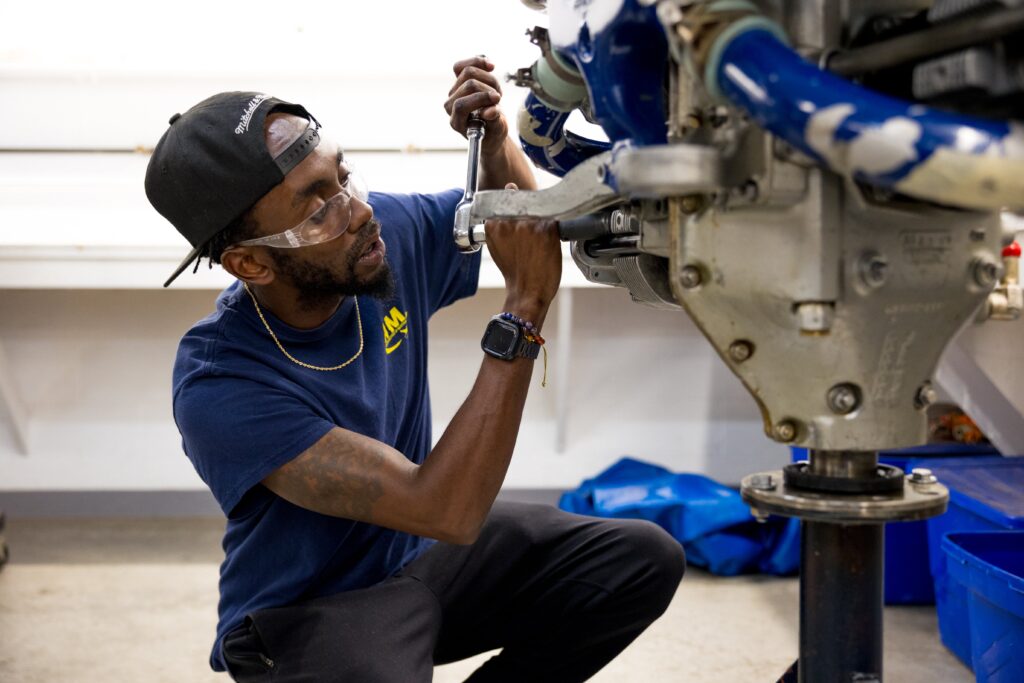
The hands-on work environment in aviation maintenance technology offers a dynamic and engaging career path. This field demands active involvement with aircraft systems and components daily. The work is physical and technical, ideal for those who enjoy fixing and building things with their hands.
Technicians inspect engines, repair parts, and test aircraft systems. Each task requires precision and care to ensure safety. The work environment often includes hangars, workshops, and airports, providing variety in daily routines.
This career suits people who prefer practical learning over desk jobs. It allows immediate application of skills, which keeps the job interesting and rewarding. The hands-on nature also helps develop problem-solving abilities and technical knowledge rapidly.
Daily Tasks Involve Physical Activity
Technicians climb ladders, lift tools, and handle heavy parts regularly. The job keeps you active and engaged throughout the day. This physical aspect can be a great benefit for those who dislike sitting at desks.
Work With Advanced Technology
Aviation maintenance uses modern diagnostic equipment and tools. Hands-on work includes using computers and software for system checks. This blend of physical and digital work keeps the tasks varied and interesting.
Teamwork In A Practical Setting
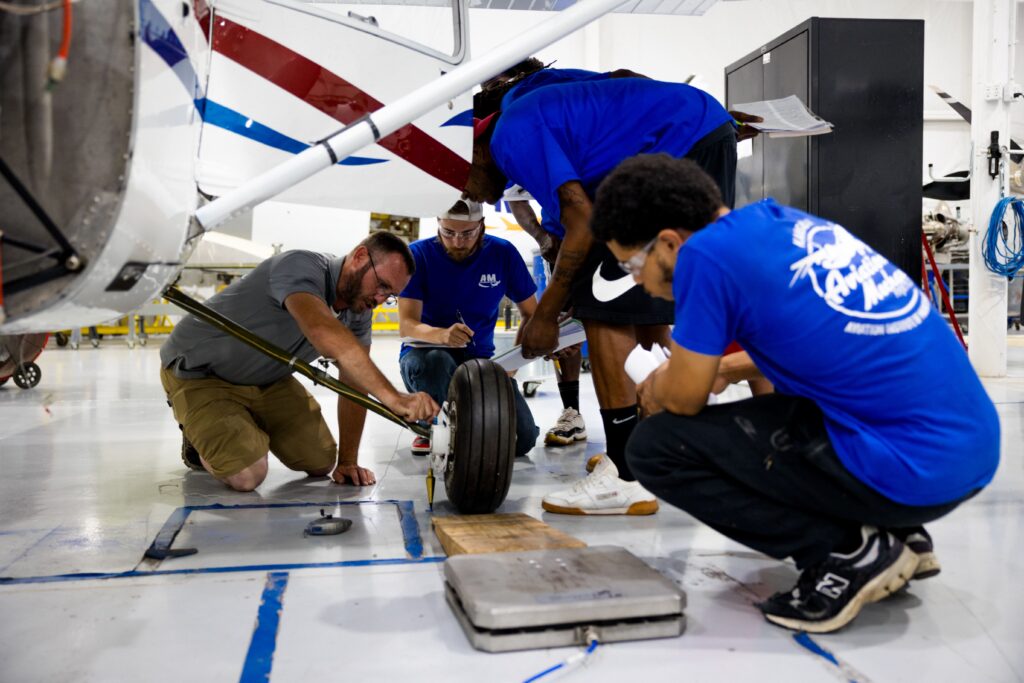
Technicians often work in teams to complete repairs and inspections. Collaboration helps solve complex problems faster. The hands-on environment builds strong communication and teamwork skills.
Immediate Results And Satisfaction
Seeing an aircraft ready for flight after repair brings a sense of achievement. The work’s impact is clear and immediate. This makes the career fulfilling for those who want visible results from their effort.
Credit: calaero.edu
Advanced Technological Exposure
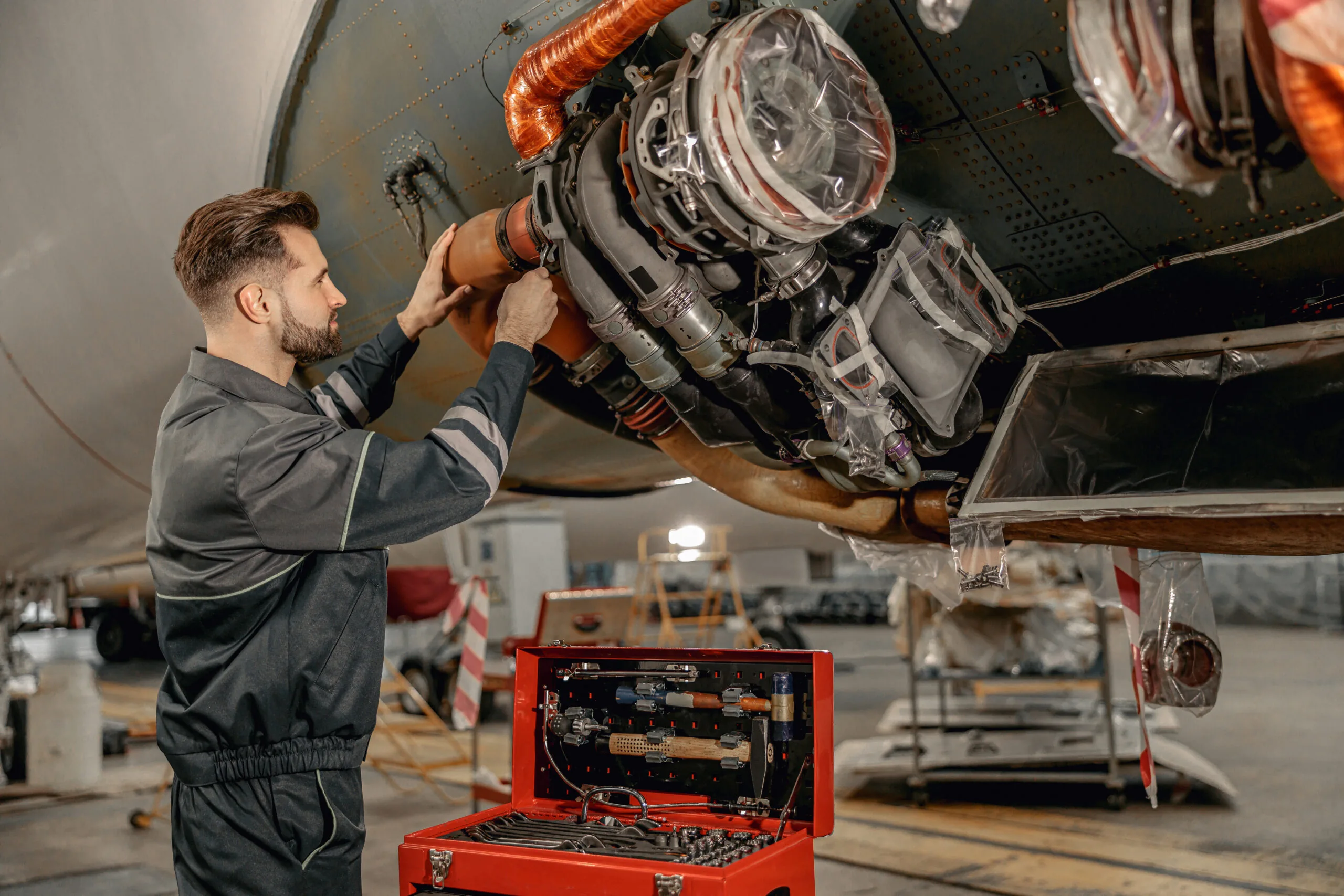
Aviation Maintenance Technology offers a unique chance to work with cutting-edge tools and systems. This field involves hands-on experience with the latest aircraft technologies. Technicians constantly update their skills to keep up with new innovations. This makes the career both challenging and rewarding.
Working with advanced technology means learning about electronic systems, engines, and software. This exposure helps build a strong technical foundation. It also prepares professionals for diverse roles within the aviation sector.
Exposure To Modern Aircraft Systems
Technicians work on complex electronic and mechanical systems. These include avionics, engine controls, and navigation equipment. Understanding these systems improves problem-solving skills. It also ensures aircraft safety and performance.
Hands-on Experience With Diagnostic Tools
Advanced diagnostic tools identify aircraft issues quickly. These tools use computer software and sensors. Learning to use them sharpens technical abilities. It also reduces repair time and enhances accuracy.
Continuous Learning And Skill Development
Aviation technology changes rapidly. Technicians must stay current with new updates. Training programs and certifications support ongoing education. This keeps careers dynamic and growth-oriented.
Global Career Prospects
The field of aviation maintenance technology offers a truly global career path. Aircraft don’t just stay in one place—they travel across continents, creating a constant demand for skilled technicians worldwide. This means your skills can open doors to opportunities in diverse locations, from bustling international airports to remote airstrips.
Job Opportunities Across Continents
Many countries actively seek certified aviation maintenance technicians due to the growth of their airline industries. Whether it’s North America, Europe, Asia, or the Middle East, airlines and maintenance companies hire experts to keep their fleets safe and efficient.
Have you considered how working abroad might enhance your professional growth? Experiencing different aviation standards and technologies can sharpen your expertise and make you more valuable in the global market.
Working With International Airlines And Organizations
Global airlines often operate multiple maintenance bases worldwide. This creates chances for technicians to transfer between locations or work on international projects. Organizations like ICAO and FAA also offer certifications recognized internationally, boosting your credentials everywhere.
Imagine the advantage of holding certifications that allow you to work legally in multiple countries. This flexibility not only boosts your employability but also offers you the chance to experience different cultures while advancing your career.
Demand In Emerging Markets
Emerging markets in Asia, Africa, and Latin America are rapidly expanding their aviation infrastructure. These regions need trained maintenance professionals to support new fleets and growing passenger numbers. This demand means you could be part of building aviation industries from the ground up.
Would you like to contribute to developing aviation in a growing market? Your skills could have a bigger impact there, and you might find more leadership opportunities compared to saturated markets.
Remote And Specialized Roles
Some aviation maintenance roles require technicians to work in remote or specialized environments, such as offshore platforms or cargo hubs. These positions offer unique experiences and often come with attractive compensation packages.
Could you see yourself thriving in a niche role that challenges your skills and offers adventure? These opportunities can make your career exciting and financially rewarding.
Pathway To Career Advancement
Advancing a career in aviation maintenance technology requires clear goals and steady progress. Growth depends on gaining skills, earning credentials, and choosing a focus area. Each step taken can lead to better job roles and higher pay. Knowing the right pathway helps maintainers stay competitive and successful in the field.
Certifications And Licenses
Certifications prove your skills and knowledge to employers. The most recognized is the FAA Airframe and Powerplant (A&P) license. It allows you to work on aircraft systems and engines legally. Other certifications include:
- Avionics Technician Certification
- Inspection Authorization (IA)
- Manufacturer-specific training certificates
These credentials open doors to more advanced positions. They also increase trust from employers and clients. Continuous learning through certification keeps your skills current.
Specialization Options
Specializing helps focus your career on a specific area. It can lead to expert roles with better pay. Some common specializations include:
- Avionics and electronic systems
- Engine and powerplant maintenance
- Structural repair and composites
- Quality control and inspection
Choosing a specialization matches your interests with industry needs. It builds deeper knowledge and sharpens your expertise. Specializing can make you the go-to professional in your area.
Contribution To Safety
Aviation maintenance technology plays a vital role in keeping aircraft safe. This career ensures that planes fly without mechanical problems. Safety depends on well-maintained parts and systems. Every task a maintenance technician performs helps protect passengers and crew. Their work prevents accidents caused by technical failures.
Technicians follow strict safety rules. They check engines, electronics, and other parts carefully. Their inspections catch issues before they become dangerous. Regular maintenance reduces risks and keeps flights smooth.
Preventing Mechanical Failures
Technicians fix problems that could stop a plane from working. They replace worn parts and repair broken systems. This stops failures during flight. Careful checks mean fewer emergencies and safer journeys.
Ensuring Compliance With Safety Standards
Maintenance experts follow rules set by aviation authorities. These rules guarantee high safety levels. Technicians document their work to prove compliance. This keeps airlines trustworthy and planes reliable.
Supporting Emergency Readiness
Technicians make sure emergency systems work correctly. They inspect oxygen masks, fire extinguishers, and alarms. These checks help crews act quickly in danger. Proper maintenance saves lives in critical moments.
Enhancing Aircraft Longevity
Good maintenance extends the life of aircraft. It prevents wear and tear from causing damage. Well-kept planes operate safely for many years. This lowers costs and keeps travel safe for passengers.
Credit: aviationmaintenance.edu
Sense Of Achievement
Feeling a strong sense of achievement in your career can make every day rewarding. In aviation maintenance technology, this feeling often comes from knowing your work directly impacts safety and efficiency. You get to see tangible results from your skills and dedication.
Immediate Impact On Flight Safety
Every repair you complete contributes to the safety of thousands of passengers. When you fix a critical system or spot a potential issue, you prevent accidents before they happen. This responsibility gives you a deep sense of purpose and pride in your job.
Solving Complex Problems
Maintenance technology challenges you to use your technical knowledge daily. Diagnosing mechanical problems and applying the right solutions offers a unique satisfaction. Have you ever solved a tough issue that others couldn’t? That moment is a clear win.
Seeing Your Work Take Flight
There’s nothing like watching an aircraft you’ve serviced take off smoothly. Your efforts are literally helping machines soar, and that’s powerful. It’s an achievement that’s easy to appreciate because the results are visible and impactful.
Continuous Learning And Skill Growth
As technology advances, you keep learning new systems and techniques. This ongoing growth keeps your career exciting and fulfilling. Each new skill you master adds to your sense of accomplishment and confidence.
Frequently Asked Questions
What Skills Are Needed For Aviation Maintenance Technology?
Aviation maintenance technology requires strong technical skills, attention to detail, problem-solving ability, and knowledge of aircraft systems. Mechanical aptitude and safety awareness are also essential.
Is Aviation Maintenance Technology A High-paying Career?
Yes, aviation maintenance technology offers competitive salaries. Pay varies by experience, location, and employer but generally provides financial stability and growth potential.
What Are The Job Prospects In Aviation Maintenance?
Job prospects are strong due to increasing air travel and retiring technicians. Demand for skilled maintenance professionals is expected to grow steadily.
How Long Does It Take To Become An Aviation Maintenance Technician?
Typically, it takes 18 to 24 months to complete a certified aviation maintenance program. Additional experience and certifications may be required.
Conclusion
Aviation maintenance technology offers steady job opportunities and good pay. It suits those who enjoy working with machines and solving problems. The field requires learning and hands-on skills. Jobs often provide benefits and chances to grow. It can be a rewarding career for people who like teamwork and detail.
Choosing this path means being part of a vital industry. It keeps planes safe and helps travel run smoothly. A solid choice for a practical and stable career.
Leave a Reply