Are you relying on an Active Soil Depressurization (ASD) system to keep your home safe from harmful radon gas? If so, you might be wondering how much effort it takes to keep that system working properly.
You don’t want to risk your family’s health because of a simple maintenance oversight. Understanding whether ASD systems need regular check-ups can save you time, money, and worry down the road. Keep reading to discover what maintenance your system really needs and how you can protect your home effectively without extra hassle.
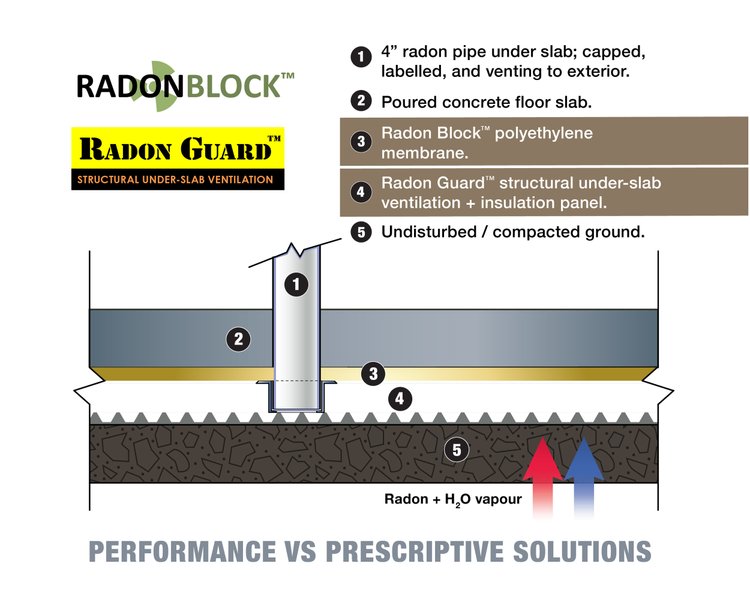
Credit: radoncorp.com
Active Soil Depressurization Systems Overview
Active Soil Depressurization (ASD) systems help reduce harmful radon gas in buildings. They work by drawing radon gas from beneath the foundation and venting it safely outside. This prevents radon from entering indoor spaces where it can pose health risks.
Understanding how these systems function is key to knowing their maintenance needs. ASD systems include several parts that work together to ensure continuous radon reduction. Each part plays a role in keeping indoor air safe.
How Active Soil Depressurization Systems Work
ASD systems use a fan to create lower pressure under the building. This pressure difference stops radon gas from moving indoors. Pipes installed beneath the foundation carry the gas outside. The fan runs continuously to keep air flowing.
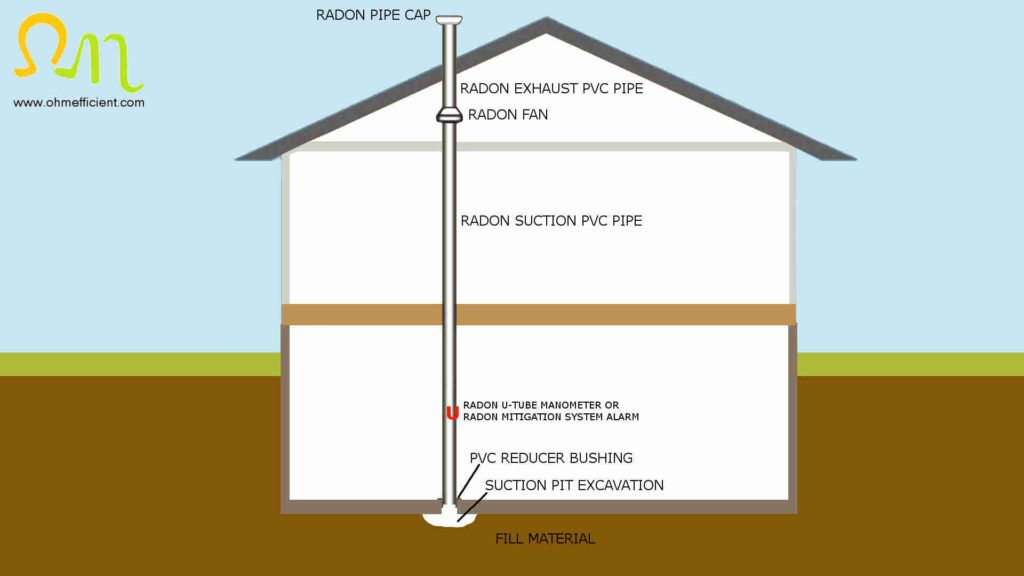
Components Of Active Soil Depressurization Systems
- Sub-slab or sub-membrane piping
- In-line fan to draw radon gas
- Vent pipe that releases gas outdoors
- Sealing materials to close foundation cracks
Benefits Of Using Asd Systems
- Effective radon reduction
- Improved indoor air quality
- Long-term protection against radon
- Quiet operation with minimal energy use
Components Of Depressurization Systems
An active soil depressurization system has several key parts. Each part works to remove harmful gases from beneath a building. Understanding these components helps in knowing why maintenance is important. Regular checks keep the system running well and safe.
Piping And Ventilation
Piping moves soil gases safely from under the building to the outside air. The pipes must be sealed tightly to prevent leaks. Ventilation ensures gases flow freely through the pipes. Pipes are usually made of durable plastic to resist damage.
Fans And Motors
Fans create suction that pulls soil gases from below the ground. Motors power these fans to work continuously. Fans need to be strong enough to maintain steady airflow. Over time, motors can wear out and need inspection or replacement.
Sealing And Monitoring Devices
Sealing stops gases from entering the building through cracks or openings. This includes sealing floors, walls, and utility penetrations. Monitoring devices track system performance and gas levels. They alert homeowners if the system stops working properly.
Importance Of Regular Maintenance
Active soil depressurization systems help keep harmful gases away from your home. Regular maintenance is key to keeping these systems working well. Without care, their performance can drop. Problems might go unnoticed until they affect your home’s safety.
Ensuring System Efficiency
Regular checks keep the system running at top power. Dirt and debris can block pipes and fans. This lowers the system’s ability to remove gases. Quick fixes during maintenance stop bigger issues. Clean parts and clear airflow mean better protection.
Extending System Lifespan
Maintenance helps the system last longer. Parts wear out if ignored and can break. Replacing small parts early saves money later. A well-maintained system avoids costly repairs. It also reduces the chance of sudden failure.
Preventing Health Risks
Active soil depressurization protects against toxic gases like radon. If the system fails, these gases can build up indoors. Regular maintenance ensures safe air quality. It lowers the risk of breathing harmful substances. Keeping the system in good shape protects your family’s health.
Credit: ohmefficient.com
Common Maintenance Tasks
Active soil depressurization systems need regular care to work well. Common maintenance tasks help keep the system efficient and safe. These tasks focus on key parts like fans, seals, and overall system checks. Regular checks prevent problems and extend system life.
Inspecting And Cleaning Fans
Fans are the heart of the system. Dust and dirt can build up on fan blades. This reduces airflow and efficiency. Inspect fans every few months. Clean blades gently with a soft brush or cloth. Make sure the fan runs smoothly without strange noises. Replace fans if they show damage or wear.
Checking Seals And Connections
Seals and connections stop harmful gases from leaking. Check all seals for cracks or gaps. Tighten loose connections to keep the system airtight. Use soapy water to find leaks—bubbles show escaping air. Replace worn seals quickly to maintain safety.
Monitoring System Performance
Track system performance with pressure gauges or monitors. Watch for drops in suction power or airflow. Compare readings to the system’s normal range. Sudden changes may mean blockages or fan problems. Keep a maintenance log to spot trends over time.
Signs Your System Needs Attention
Active soil depressurization systems play a vital role in reducing radon levels. Regular maintenance keeps them working efficiently. Certain signs indicate your system might need attention. Watching for these signs helps prevent costly repairs and keeps your home safe.
Increased Energy Consumption
Notice a spike in your electricity bills? Your soil depressurization system might be using more power than usual. This can happen if the fan motor struggles or if the system faces blockages. Rising energy use signals your system needs a check-up.
Unusual Noises Or Vibrations
Strange sounds or shaking coming from the system are warning signs. These noises can mean loose parts, worn-out components, or fan issues. Ignoring odd vibrations can lead to bigger problems and reduced system performance.
Detection Of Radon Levels
Higher radon levels inside your home show the system may not work properly. Regular radon tests help track system efficiency. If radon rises, it means the system might need repairs or cleaning.
Professional Vs. Diy Maintenance
Deciding between professional and DIY maintenance for your active soil depressurization system can be tricky. Both options have their advantages, but understanding them helps you make a smarter choice. Your home’s safety and system efficiency depend on how well you maintain it.
Benefits Of Hiring Professionals
Professionals bring expertise that ensures your system runs smoothly and safely. They can spot hidden issues like cracks or blockages that might escape an untrained eye. Plus, they have the right tools to test the system’s effectiveness accurately.
Hiring a pro saves you time and stress. Imagine dealing with a system failure during harsh weather because you missed a simple warning sign. Professionals also keep records of maintenance, which can be valuable if you sell your home.
Guidelines For Diy Checks
If you decide to maintain your system yourself, regular checks are essential. Start by inspecting the fan operation—can you hear it running or feel air movement? Make sure the pipes are free from cracks or disconnected joints.
Keep an eye out for unusual smells or dampness near the system, which might signal leaks or blockages. Also, clear any debris around the fan unit to prevent airflow obstruction. Always turn off power before performing any hands-on inspection.
Are you comfortable climbing ladders or handling electrical components? If not, calling a professional might be safer. But if you stay vigilant with these checks, you can catch small problems before they grow.
Cost Considerations
Active soil depressurization systems help keep your home safe by reducing radon levels. But like any system, they need upkeep to keep working well. Understanding the costs involved in maintaining these systems can help you avoid surprises and plan your budget effectively.
Budgeting For Maintenance
Regular maintenance of an active soil depressurization system often involves simple checks and cleaning. You might spend between $100 and $300 annually for a professional inspection. This small investment can prevent bigger problems down the road.
Think about setting aside a maintenance fund. Even if your system looks fine, small issues like a clogged vent or a worn-out fan can reduce efficiency. Would you rather pay a little now or face a costly fix later?
Potential Repair Costs
Repairs can vary widely depending on the problem. Replacing a fan might cost $200 to $500, while fixing damaged piping could run higher. Ignoring minor signs like unusual noises or decreased airflow can lead to these bigger expenses.
Keeping an eye on your system’s performance helps you spot issues early. You might save hundreds by addressing small repairs promptly. How often do you check your system to catch problems before they grow?
Future Trends In Maintenance
Looking ahead, the maintenance of Active Soil Depressurization (ASD) systems is set to evolve significantly. New technologies and greener practices will reshape how you care for these systems, making upkeep easier and more sustainable.
Technological Advancements
Smart sensors are becoming a game-changer in ASD system maintenance. These devices monitor system performance in real time and alert you to any issues before they become major problems.
Imagine receiving a notification on your phone if the fan speed drops or a pipe gets blocked. This proactive approach reduces downtime and saves you money on costly repairs.
Remote diagnostics will also become more common. Technicians can troubleshoot your system from afar, cutting down on unnecessary site visits and speeding up fixes.
Eco-friendly Maintenance Options
You might wonder how maintenance practices can become more eco-friendly. One way is by using biodegradable cleaning agents that won’t harm the soil or groundwater.
Another option is switching to energy-efficient fans that consume less power during operation. This not only lowers your carbon footprint but also reduces your electricity bills.
Recycling or reusing components when possible is gaining traction too. Instead of discarding old parts, refurbishing them can extend their life and reduce waste.
How often do you consider the environmental impact of your system’s upkeep? Adopting these greener methods could make a difference for your home and the planet.

Credit: johntheplumber.ca
Frequently Asked Questions
How Often Should Active Soil Depressurization Systems Be Checked?
Active soil depressurization systems should be inspected annually. Regular checks ensure the system functions properly and prevents radon buildup effectively.
What Maintenance Tasks Keep Soil Depressurization Systems Efficient?
Maintenance includes checking fan operation, sealing pipe joints, and verifying pressure levels. These tasks prevent leaks and system failures.
Can Homeowners Perform Maintenance On These Systems Themselves?
Basic inspections can be done by homeowners. However, professional maintenance ensures thorough system evaluation and optimal performance.
What Signs Indicate System Maintenance Is Needed?
Unusual noises, fan failure, or increased radon levels suggest maintenance is required. Prompt attention avoids health risks.
Conclusion
Active soil depressurization systems need regular checks to work well. Dirt and debris can block pipes or fans. Small problems can turn big without care. Simple maintenance keeps the system safe and effective. Regular inspections help catch issues early. This saves money and prevents health risks.
Don’t wait for failure to fix the system. Keep your home clean and protected with good upkeep. Regular care makes sure the system lasts long. Safe air starts with attention to your system.
Leave a Reply