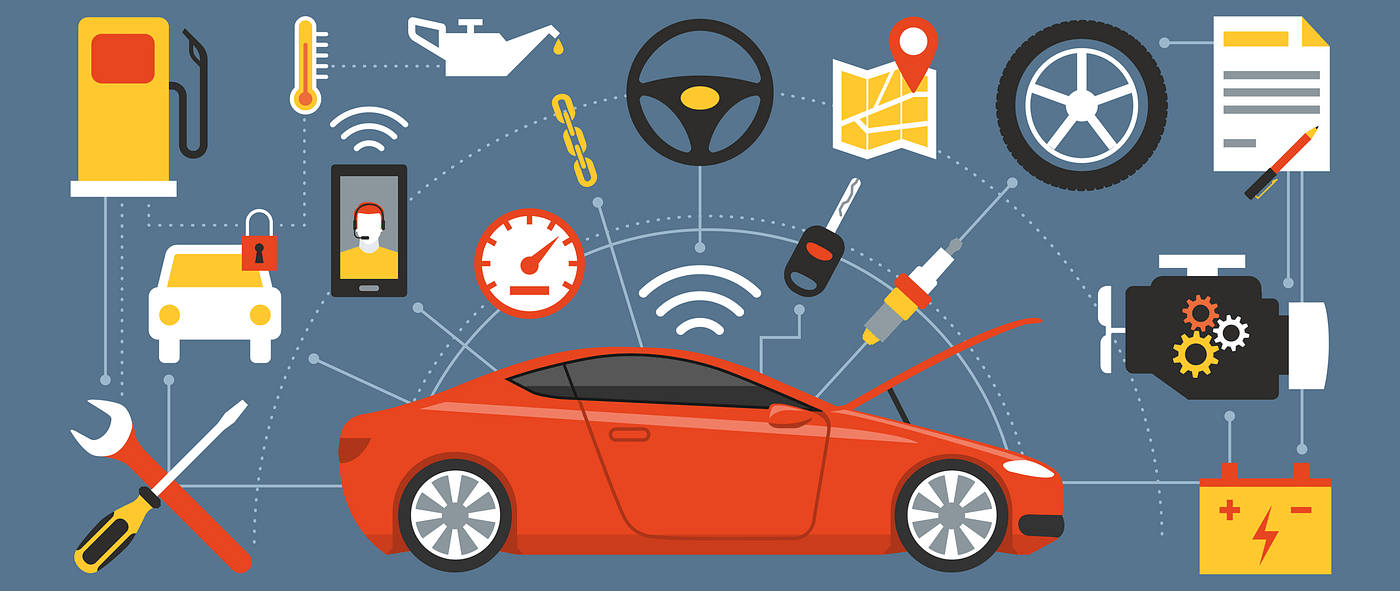
Have you ever wondered how to keep your vehicle running smoothly without unexpected breakdowns? A Vehicle Maintenance System is the key to making that happen.
It helps you track and manage all the important tasks needed to care for your car, truck, or bike. Imagine never forgetting an oil change or missing a tire rotation again. This system takes the stress out of vehicle upkeep and saves you time and money.
Keep reading to discover how a Vehicle Maintenance System can make your life easier and your vehicle healthier.
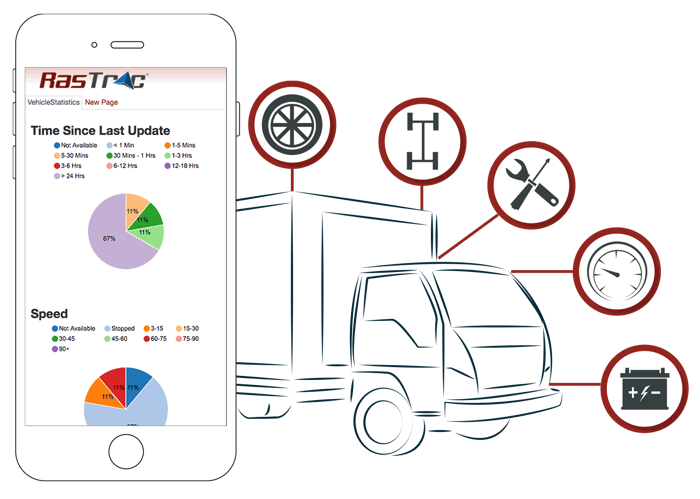
Credit: www.rastrac.com
Vehicle Maintenance System Basics
Understanding the basics of a vehicle maintenance system can save you time, money, and stress. This system helps keep your vehicle in top shape by organizing and tracking all maintenance tasks. It turns the chaos of repairs and upkeep into a simple, manageable routine.
Key Components
A vehicle maintenance system includes several essential parts that work together to keep your car running smoothly. These components often consist of:
- Maintenance Scheduling:Reminders for oil changes, tire rotations, and inspections.
- Service History Tracking:Records of past repairs and services performed.
- Parts and Inventory Management:Monitoring spare parts availability for timely replacements.
- Diagnostic Tools:Alerts for potential issues based on vehicle data or sensor inputs.
- User Interface:A simple dashboard or app where you can view and manage everything.
Having these parts connected allows you to spot problems early and plan ahead rather than react to breakdowns.
Purpose And Benefits
The main purpose of a vehicle maintenance system is to help you maintain your vehicle efficiently and avoid unexpected failures. It guides you to perform upkeep tasks at the right time, which extends your vehicle’s life.
Consider how much more confident you’d feel knowing your car won’t leave you stranded. With this system, you get:
- Cost Savings:Prevent costly repairs by fixing minor issues early.
- Safety:Ensure brakes, tires, and other parts are always in good condition.
- Convenience:Automated alerts reduce the guesswork of when to service your vehicle.
- Resale Value:A well-documented maintenance history can increase your vehicle’s worth.
Would you prefer a system that helps you avoid surprises or one that leaves you guessing? Your vehicle’s health depends on the choice you make.

Credit: carolinamobileautoservice.com
Types Of Vehicle Maintenance
Understanding the different types of vehicle maintenance can save you time, money, and stress. Each type has a distinct approach to keeping your vehicle running smoothly. Knowing which one fits your situation helps you take better care of your car and avoid unexpected breakdowns.
Preventive Maintenance
Preventive maintenance is all about regular check-ups and routine tasks to stop problems before they start. Changing the oil, checking tire pressure, and replacing air filters are common examples. You might have noticed how regular oil changes keep your engine running cleaner and longer—this is preventive maintenance in action.
Have you ever skipped a scheduled service and then faced a costly repair? Preventive maintenance helps you avoid that by catching small issues early. It’s like giving your vehicle a regular health check to keep it in top shape.
Predictive Maintenance
Predictive maintenance uses data and technology to anticipate when a part might fail. Sensors and diagnostic tools monitor your vehicle’s condition in real time. This helps you fix things exactly when needed, not too early or too late.
Imagine your car alerting you before the brakes wear out completely. That’s predictive maintenance saving you from emergency repairs. Are you curious how your vehicle’s onboard computer can help you stay ahead of issues?
Corrective Maintenance
Corrective maintenance happens after a problem shows up. This is when you fix or replace parts that have already failed. It’s reactive and often more expensive than preventive or predictive methods.
Think about the last time your car broke down unexpectedly. That’s corrective maintenance kicking in. While it can’t be avoided entirely, reducing reliance on corrective maintenance means fewer disruptions and lower repair costs.
Implementing A Maintenance System
Implementing a vehicle maintenance system improves fleet reliability and reduces downtime. It organizes tasks and tracks vehicle health systematically. A well-set maintenance system prevents costly repairs and keeps vehicles running smoothly.
Choosing The Right Software
Select software that fits your fleet size and needs. Look for features like service reminders, repair tracking, and report generation. Cloud-based options offer easy access from any device. Ensure the software has a simple interface for quick learning. Check for integration with other tools you use.
Setting Up Maintenance Schedules
Create schedules based on vehicle type, mileage, and usage. Include regular checks like oil changes, tire rotation, and brake inspection. Use software alerts to notify when maintenance is due. Keep records of all completed tasks for future reference. Adjust schedules as needed based on vehicle condition.
Training Staff
Train your team on using the maintenance system effectively. Focus on inputting data and understanding alerts. Teach basic vehicle care to detect issues early. Encourage reporting any unusual vehicle behavior immediately. Regular refreshers help maintain consistency and accuracy.
Technological Innovations
Vehicle maintenance systems have evolved with modern technology. These innovations help track vehicle health and predict problems early. The result is safer and more efficient vehicle management. Technology plays a key role in changing how maintenance is done.
Telematics And Iot
Telematics combines GPS and onboard diagnostics to monitor vehicles in real time. It sends data about speed, location, and engine status to a central system. The Internet of Things (IoT) links vehicles to the internet, creating smart networks. Sensors inside the vehicle collect information on tire pressure, oil levels, and battery health. This data helps schedule maintenance before failures occur. Fleet managers can track all vehicles easily using telematics and IoT.
Ai And Machine Learning
Artificial Intelligence (AI) analyzes data collected from vehicles to spot patterns. Machine learning models predict when parts will wear out or need replacement. These systems reduce unexpected breakdowns by planning repairs ahead. AI also customizes maintenance schedules based on individual vehicle use. Machine learning improves accuracy as it processes more vehicle data over time. This technology lowers costs and enhances vehicle reliability.
Cost Efficiency And Savings
Keeping your vehicles in top shape isn’t just about safety or performance—it directly impacts your budget. A well-managed vehicle maintenance system can significantly cut costs and boost your savings. By focusing on cost efficiency, you ensure every dollar spent on maintenance returns value in reliability and longevity.
Reducing Downtime
Every minute your vehicle sits idle due to unexpected repairs means lost opportunities and income. A vehicle maintenance system helps you spot issues before they become major problems, avoiding sudden breakdowns.
Imagine scheduling maintenance during off-peak hours rather than dealing with costly emergency fixes. This proactive approach keeps your fleet moving and your business earning without interruption.
Extending Vehicle Lifespan
Regular check-ups and timely repairs prevent wear and tear from escalating. This extends the life of your vehicles, saving you the big expense of early replacements.
Think about how much you can save by adding just a few more years to your vehicle’s service life. Small investments in maintenance pay off by delaying costly purchases and depreciation losses.
Optimizing Resource Allocation
A good maintenance system helps you plan labor, parts, and budget more effectively. You avoid overstocking parts or paying for unnecessary services.
By tracking maintenance needs accurately, you use your resources where they matter most. This precision reduces waste and keeps your maintenance budget lean and efficient.

Credit: stacyknows.com
Challenges And Solutions
Implementing a Vehicle Maintenance System can bring tremendous benefits, but it also comes with its own set of challenges. Understanding these obstacles helps you prepare better and find practical ways to keep your system running smoothly. Let’s take a closer look at the common issues and how you can tackle them effectively.
Common Implementation Challenges
One major challenge is data accuracy. If your system relies on faulty or incomplete data, maintenance schedules and reports may be misleading. This can cause unexpected breakdowns or unnecessary servicing.
Another issue is user resistance. Drivers and mechanics may hesitate to adopt new digital tools, especially if they are used to manual processes. This resistance slows down the transition and reduces the system’s effectiveness.
Integration with existing systems often poses problems too. If your Vehicle Maintenance System doesn’t sync well with inventory or accounting software, it creates extra work and confusion. This can lead to errors and wasted time.
Strategies For Overcoming Obstacles
Start by ensuring data quality. Train your team to enter accurate information and regularly audit the records. This builds trust in the system and improves decision-making.
To handle user resistance, involve your staff early in the process. Ask for their feedback and show how the system makes their work easier. Hands-on training sessions and quick support can ease the transition.
Choose a Vehicle Maintenance System that offers easy integration options. Look for software with APIs or built-in connectors that match your current tools. This reduces manual work and keeps your data consistent.
Have you noticed any specific challenges while managing vehicle maintenance? Identifying those can guide you to solutions tailored for your team and fleet size.
Future Trends In Vehicle Maintenance
The future of vehicle maintenance is set to transform how you care for your car. New technologies and shifting priorities will change the way maintenance is scheduled, performed, and managed. This means less hassle for you and better performance from your vehicle.
Sustainability Initiatives
More vehicle maintenance systems are focusing on reducing environmental impact. You will see a rise in eco-friendly products like biodegradable oils and recycled parts. These changes help lower waste and pollution during routine services.
Electric and hybrid vehicles need different maintenance approaches, pushing shops to adopt greener methods. You might notice more use of energy-efficient diagnostic tools and less reliance on harmful chemicals. How prepared is your current mechanic to handle these new standards?
Advancements In Automation
Automation is making vehicle maintenance faster and more accurate. Imagine your car automatically alerting you when a part needs replacement or scheduling its own service appointment. This reduces the chances of missing critical maintenance tasks.
Robotics and AI are starting to play a bigger role in repair shops. They can perform repetitive tasks with precision, freeing technicians to focus on complex problems. Have you experienced a service visit where technology sped up the process or improved the quality?
Frequently Asked Questions
What Is A Vehicle Maintenance System?
A Vehicle Maintenance System is software that tracks and manages vehicle upkeep. It schedules services, records repairs, and monitors vehicle health to prevent breakdowns and extend lifespan.
Why Is Vehicle Maintenance Important?
Regular maintenance ensures safety, improves fuel efficiency, and reduces costly repairs. It keeps vehicles running smoothly and maintains their resale value.
How Does Vehicle Maintenance Software Work?
The software logs service dates, alerts users for upcoming maintenance, and stores vehicle history. It helps fleet managers organize and optimize vehicle care efficiently.
Can Vehicle Maintenance Systems Save Money?
Yes, by preventing major repairs and improving vehicle longevity. Timely maintenance reduces downtime and costly emergency fixes.
Conclusion
A vehicle maintenance system helps keep your car in good shape. It tracks repairs, schedules checks, and reminds you of needed services. This system saves time and money by preventing big problems. Regular care makes your vehicle safer and lasts longer.
Using such a system is smart for every car owner. Simple steps lead to better driving and fewer surprises on the road. Choose a maintenance system that fits your needs. Stay organized and protect your vehicle’s value over time.
Leave a Reply