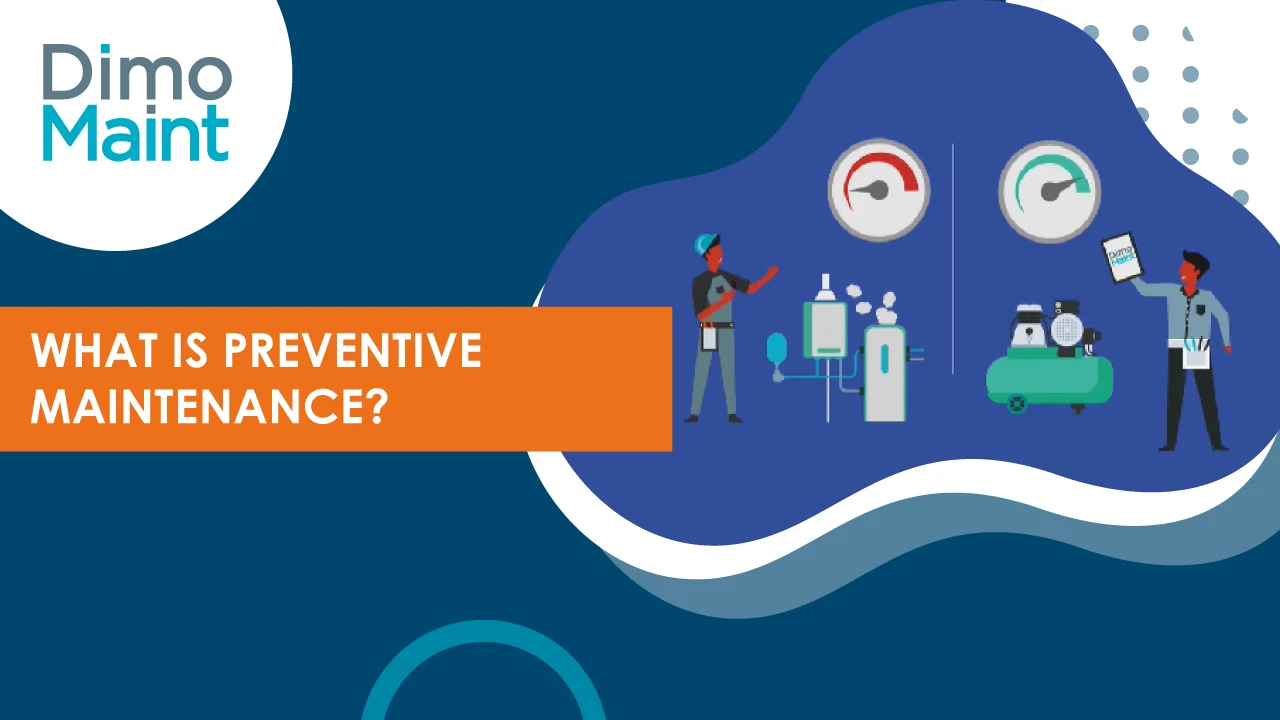
Imagine if your machines and equipment could tell you when they need a little care before breaking down completely. Wouldn’t that save you time, money, and a lot of stress?
That’s exactly what a preventive maintenance system does for you. It helps you catch problems early, keep everything running smoothly, and avoid unexpected failures that can disrupt your work. If you want to protect your investments and make your daily operations hassle-free, understanding the importance of a preventive maintenance system is a game-changer.
Keep reading to discover how this simple approach can transform the way you manage your equipment and boost your productivity.
Preventive Maintenance System Overview
A preventive maintenance system is more than just a schedule for fixing things before they break. It’s a strategic approach to keeping your equipment and facilities running smoothly. Understanding how this system works can help you save time, reduce costs, and avoid unexpected downtime.
What Is A Preventive Maintenance System?
A preventive maintenance system is a planned process to regularly inspect, service, and repair equipment before failures occur. It focuses on routine tasks like cleaning, lubrication, adjustments, and part replacements. This proactive approach helps extend the life of your assets and keeps operations consistent.
Key Benefits Of Implementing A Preventive Maintenance System
- Reduced Downtime:Scheduled maintenance prevents sudden breakdowns that can halt production.
- Cost Savings:Fixing small issues early avoids expensive repairs and replacements later.
- Improved Safety:Regular checks ensure equipment operates safely, protecting your team.
- Enhanced Efficiency:Well-maintained machines perform better and consume less energy.
How Does A Preventive Maintenance System Work?
The system works by setting up maintenance tasks based on time intervals or equipment usage. You might perform inspections weekly, replace parts monthly, or service machines after a certain number of operating hours. Technology like maintenance management software can help you track and schedule these tasks effectively.
Common Preventive Maintenance Activities
| Activity | Description | Frequency |
|---|---|---|
| Lubrication | Applying lubricant to moving parts to reduce friction and wear. | Weekly or Monthly |
| Inspection | Visual and operational checks to spot potential problems early. | Daily or Weekly |
| Cleaning | Removing dust and debris to prevent overheating and damage. | Monthly |
| Parts Replacement | Changing worn-out components before they fail. | As per manufacturer’s guidelines |
Why Should You Care About Preventive Maintenance?
Think about the last time a machine broke down unexpectedly. How much time and frustration did it cost you? Preventive maintenance puts you in control, turning surprises into planned activities. It lets you focus on growing your business instead of firefighting equipment problems.
Credit: www.propelapps.com
Cost Efficiency
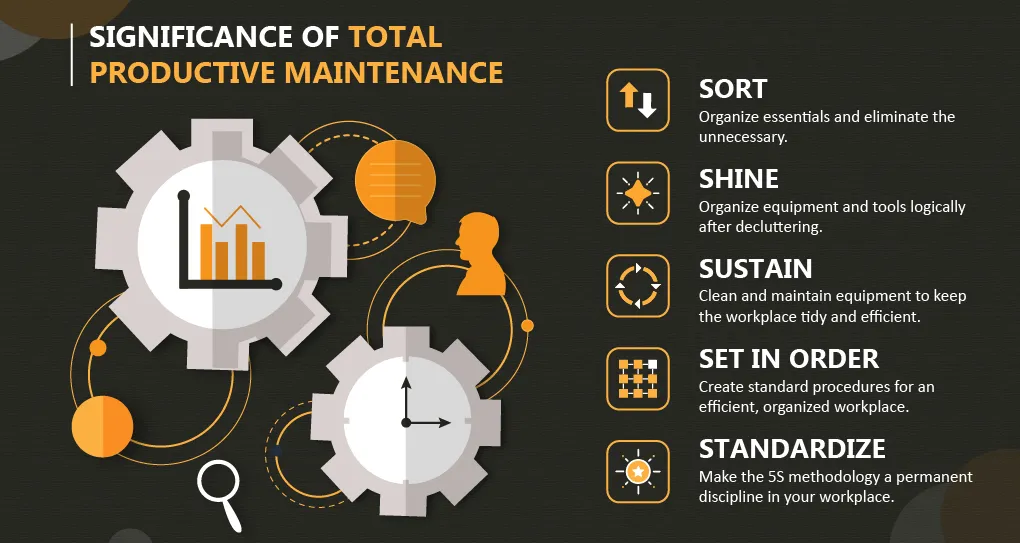
Cost efficiency is a major reason why many businesses invest in a preventive maintenance system. It helps you manage your budget better by avoiding sudden expenses that can disrupt your financial planning. Staying ahead of potential problems means you spend less in the long run and get more value from your equipment.
Reducing Unexpected Repairs
Unexpected repairs can hit your wallet hard and cause downtime that affects productivity. Preventive maintenance catches small issues before they turn into costly emergencies. Imagine avoiding a complete machine breakdown just because you checked and fixed a worn-out part early.
This approach saves you from paying premium prices for urgent repairs or replacements. Plus, you can schedule maintenance during off-hours, so your work doesn’t get interrupted. Have you ever experienced a sudden machine failure that stalled your entire operation? Preventive maintenance can prevent that stress.
Extending Equipment Lifespan
Regular maintenance keeps your equipment running smoothly for a longer time. When you take care of your machines, they don’t wear out as quickly, which means you delay expensive purchases. This is like getting more miles out of your car by changing the oil regularly.
Extending the life of your assets means you get better returns on your initial investment. It also frees up capital that you can use elsewhere in your business. How much could you save by adding just a few extra years to your equipment’s life?
Enhanced Safety
Enhanced safety is a key benefit of a preventive maintenance system. It helps protect workers and equipment by reducing risks. Regular checks catch problems early before they cause harm. This creates a safer work environment and lowers accident rates. Safety improvements boost employee confidence and productivity.
Minimizing Workplace Hazards
Preventive maintenance identifies worn parts and faulty equipment early. Fixing these issues stops accidents before they happen. It reduces hazards such as leaks, electrical faults, and mechanical failures. Regular inspections keep machines running smoothly and safely. Workers face fewer dangers and feel more secure on the job.
Ensuring Compliance With Regulations
Many industries have strict safety rules to follow. A preventive maintenance system helps meet these standards consistently. It keeps detailed records of inspections and repairs for audits. Staying compliant avoids fines and legal problems. It also shows commitment to worker safety and responsible operations.
Increased Equipment Reliability
Increased equipment reliability is a key benefit of a preventive maintenance system. When your machines run smoothly and predictably, your entire operation becomes more efficient. Reliable equipment means fewer surprises, which helps you plan better and reduce stress in your daily work.
Consistent Performance
Preventive maintenance keeps equipment in top shape, so it performs consistently over time. This means you get the expected output without sudden drops in quality or speed. Have you noticed how a well-maintained machine can almost run itself? That’s the power of regular upkeep.
Consistent performance also means fewer repairs that disrupt your workflow. It helps you meet deadlines and satisfy customers without scrambling to fix unexpected breakdowns. Think about the last time a machine didn’t work as planned—how much time did that cost you?
Avoiding Downtime
Downtime can cripple your productivity and increase costs. Preventive maintenance identifies potential problems before they cause equipment failure. This proactive approach gives you control over your schedule instead of reacting to emergencies.
By avoiding downtime, you save both time and money. You also reduce the frustration that comes with last-minute fixes and rushed repairs. What if you could cut unplanned downtime in half? That’s exactly what preventive maintenance aims to do.
Improved Productivity
Improved productivity is a key benefit of a preventive maintenance system. It helps keep machines and equipment running smoothly. This reduces unexpected breakdowns and downtime. Workers can focus on their tasks without interruption. The overall workflow becomes more efficient and reliable.
Streamlining Operations
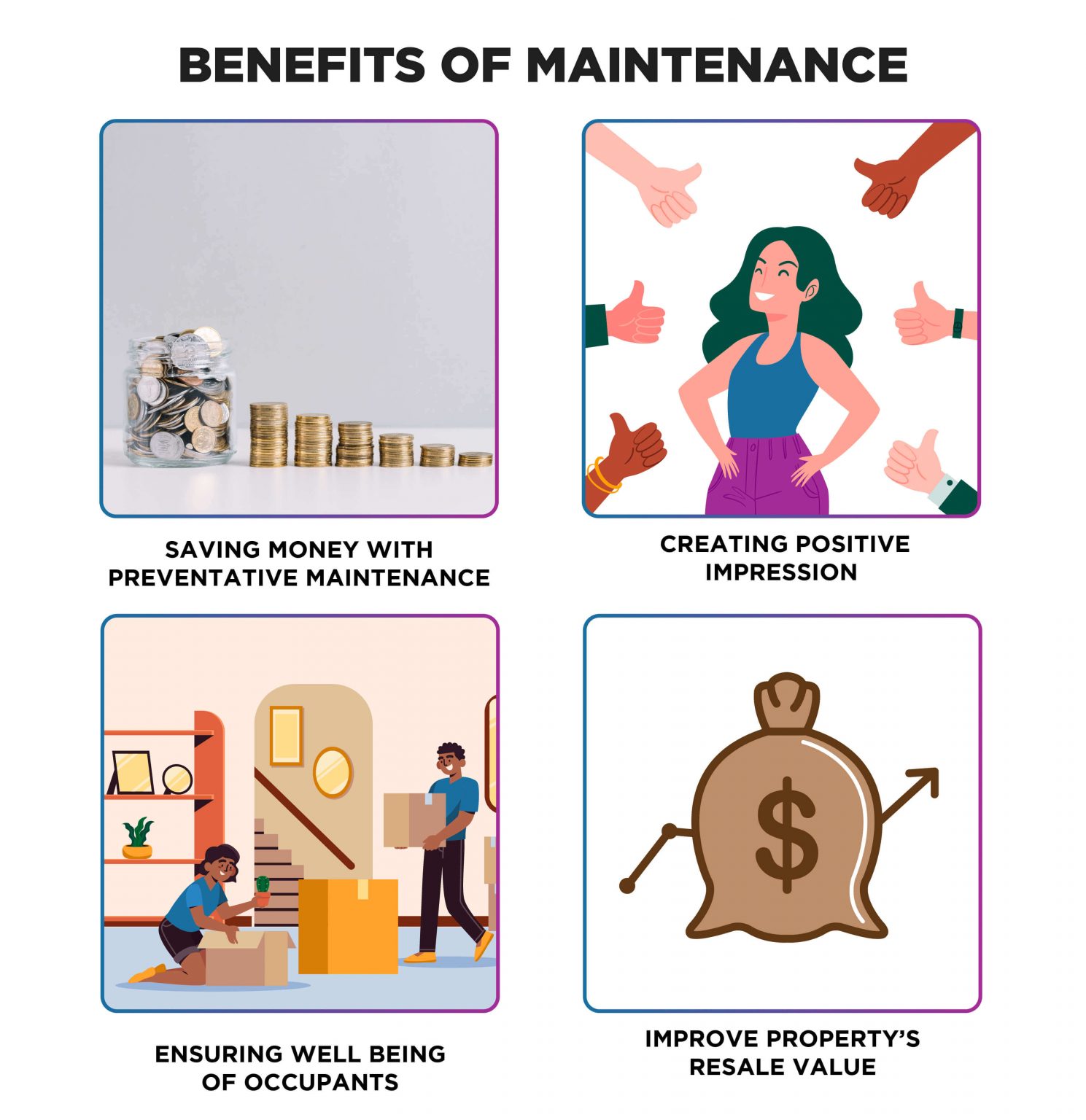
Preventive maintenance schedules tasks before problems occur. This keeps operations running without sudden stops. Maintenance teams can plan their work during off-hours. This avoids disruption during busy production times. Clear procedures and timely checks make work easier. Equipment stays in good condition, supporting steady output.
Optimizing Resource Utilization
Using preventive maintenance helps use resources wisely. Parts and tools are replaced only when needed. This lowers waste and saves money. Staff time is used for planned activities, not emergencies. Energy consumption stays consistent with well-maintained machines. Proper resource use leads to better production results.
Credit: i4tglobal.com
Data-driven Decision Making
Data-driven decision making plays a key role in preventive maintenance systems. It relies on collecting and analyzing data to guide maintenance actions. This approach reduces guesswork and helps maintain equipment efficiently. Data offers clear insights into machine health and performance. Teams can act based on facts, not assumptions. This leads to better resource use and fewer unexpected breakdowns.
Utilizing Maintenance Data
Maintenance data comes from sensors, inspections, and work records. It shows how machines perform over time. Teams review this data to spot patterns and issues early. Data helps identify parts that wear out quickly. It also reveals inefficient maintenance routines. Using this information, teams adjust schedules and tasks. This keeps equipment running smoothly and lowers costs.
Predicting Future Needs
Data analysis helps predict when maintenance is needed. It looks at trends like vibration, temperature, and usage hours. Predictive models estimate when parts may fail. This lets teams plan repairs before problems grow. Scheduling maintenance in advance avoids downtime. It also improves safety by fixing risks early. Predicting needs makes maintenance smarter and more effective.
Environmental Benefits
Preventive maintenance systems play a vital role in protecting the environment. They help reduce pollution and conserve natural resources. By maintaining equipment properly, businesses can lower their environmental impact. This leads to cleaner air, less waste, and more efficient use of energy.
Reducing Waste
Proper maintenance stops machines from breaking down unexpectedly. This reduces the need to replace parts or entire equipment. Less waste ends up in landfills. Regular checks catch problems early, avoiding costly repairs and discarded materials. It also promotes recycling and reuse of parts.
Energy Efficiency
Well-maintained equipment uses less energy to operate. Dirty or faulty machines consume more power. Preventive maintenance keeps systems running smoothly and efficiently. This lowers energy bills and reduces greenhouse gas emissions. Saving energy means fewer fossil fuels are burned, which helps the planet.
Credit: dastorllc.com
Customization And Flexibility
Customization and flexibility are key features of an effective preventive maintenance system. They allow businesses to design maintenance plans that fit their unique equipment, schedules, and operational needs. This approach ensures resources are used efficiently and downtime is minimized.
Such flexibility helps companies stay prepared for unexpected changes. A system that adapts quickly supports smooth operations and extends equipment life. Custom plans also improve team productivity by focusing efforts where they matter most.
Tailoring To Specific Needs
Every business has different machines and workflows. A preventive maintenance system must reflect these differences. Customizing the schedule and tasks ensures the system fits perfectly with daily operations.
- Adjust maintenance frequency based on equipment usage.
- Set priority levels for critical machines.
- Create checklists that match specific equipment types.
This tailored approach reduces unnecessary work and cuts costs. It also helps detect potential issues early by focusing on the right areas.
Adapting To Industry Changes
Industries evolve fast. New technologies and regulations can affect maintenance needs. A flexible system allows quick updates to keep up with these changes.
- Incorporate new safety standards easily.
- Update maintenance tasks as equipment changes.
- Scale the system up or down during business growth or slowdown.
This adaptability keeps maintenance relevant and effective. It prevents outdated practices from causing equipment failure or safety risks.
Frequently Asked Questions
What Is A Preventive Maintenance System?
A preventive maintenance system schedules regular checks to avoid equipment failures. It ensures machines run smoothly and reduces unexpected breakdowns, saving time and costs.
Why Is Preventive Maintenance Important For Businesses?
Preventive maintenance helps businesses avoid costly repairs and downtime. It extends equipment life, improves safety, and boosts overall operational efficiency.
How Does Preventive Maintenance Improve Equipment Lifespan?
Regular inspections and timely repairs prevent wear and tear. This proactive approach keeps machines in optimal condition, significantly extending their usable life.
What Are Common Preventive Maintenance Techniques?
Common techniques include inspections, cleaning, lubrication, adjustments, and parts replacement. These actions help detect issues early and maintain equipment performance.
Conclusion
Preventive maintenance saves money by avoiding costly repairs. It keeps machines working longer and better. Regular checks help spot problems early. This stops breakdowns and downtime at work. Teams stay safer with proper upkeep. Planning maintenance also boosts productivity and efficiency.
Small efforts now prevent big troubles later. A strong system protects your equipment and business. Simple steps make a big difference every day. Preventive maintenance is smart, easy, and worth it.
Leave a Reply