Have you ever wondered how long your favorite gadgets and devices can actually last? Understanding the lifespan of electronic components can save you time, money, and frustration.
Whether you’re fixing something yourself or deciding when to upgrade, knowing how long these parts perform helps you make smarter choices. You’ll discover the secrets behind electronic components’ durability and learn what affects their lifespan. Keep reading—you might be surprised by what you find out about the technology you use every day.
Credit: www.familyhandyman.com
Factors Affecting Component Lifespan
The lifespan of electronic components depends on many factors. These factors influence how long a component can work properly. Understanding these helps in choosing and maintaining devices better.
Material Quality
The quality of materials used in a component affects its durability. Higher quality materials resist wear and tear better. Cheap materials may break down faster. Using pure metals and strong plastics usually leads to longer life.
Manufacturing Process
How a component is made plays a big role in its lifespan. Precise manufacturing reduces defects and weak points. Good assembly ensures parts fit and work well together. Poor manufacturing can cause early failures and malfunctions.
Operating Environment
The environment where components operate impacts their life. Extreme temperatures can cause damage over time. High humidity may lead to corrosion or rust. Dust and vibrations also wear parts down faster. Proper storage and use extend component life.
Common Electronic Components And Their Lifespans
Understanding how long common electronic components last helps you plan maintenance and replacements better. Each component has its own lifespan influenced by usage, environment, and quality. Knowing these details can save you time and money in the long run.
Resistors
Resistors are simple but essential parts that control current flow. They generally last for decades if not exposed to excessive heat or physical stress.
Carbon film resistors might degrade faster than metal oxide types, especially under high temperatures. Have you ever noticed your device acting strangely after overheating? That could be resistor failure creeping in.
Capacitors
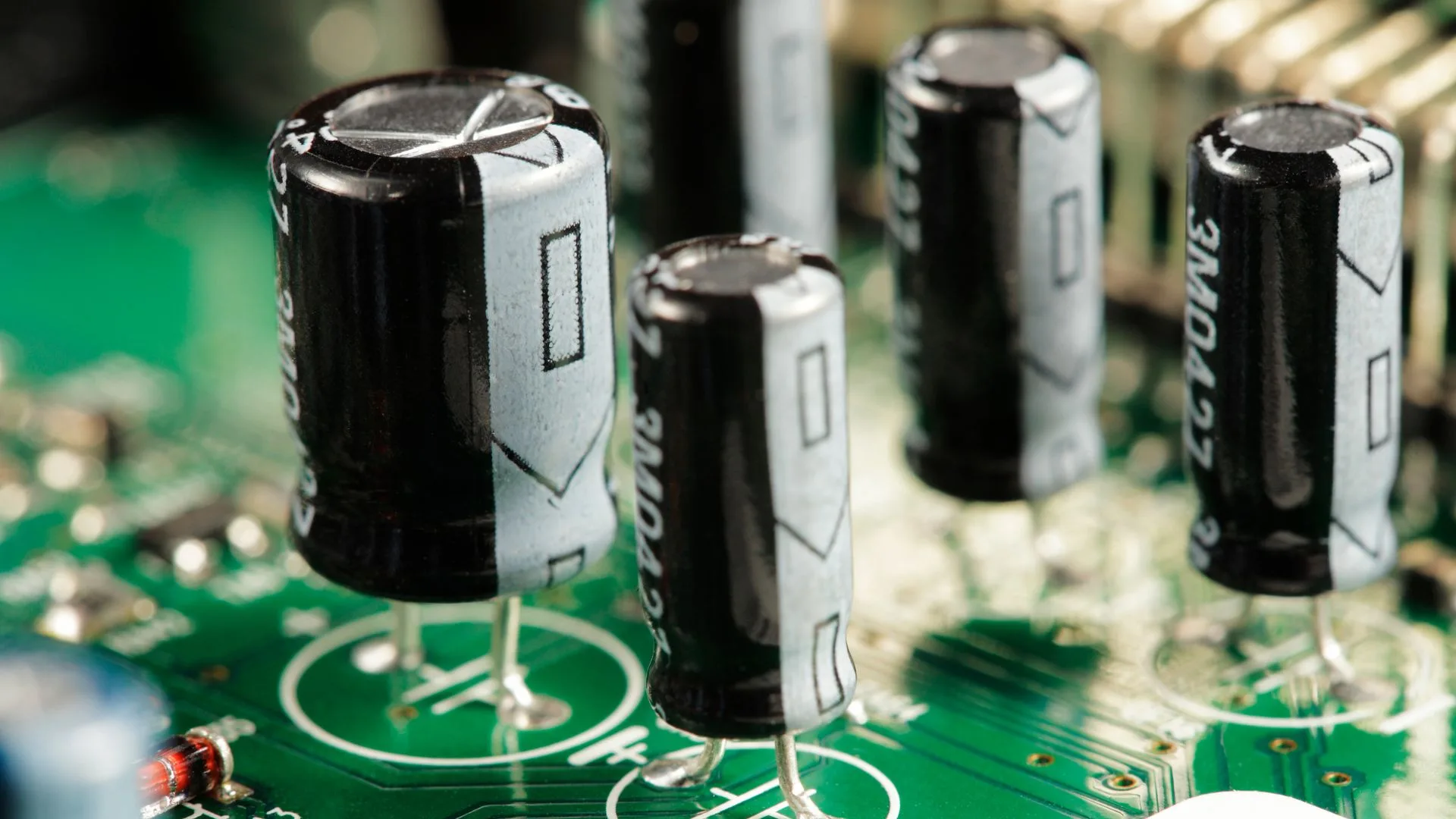
Capacitors store and release electrical energy, but their lifespan varies widely. Electrolytic capacitors typically last 1 to 10 years, depending on voltage and temperature conditions.
Solid-state capacitors tend to last longer, sometimes over 20 years. If your device takes longer to start or shows screen flicker, a worn capacitor might be the cause.
Transistors
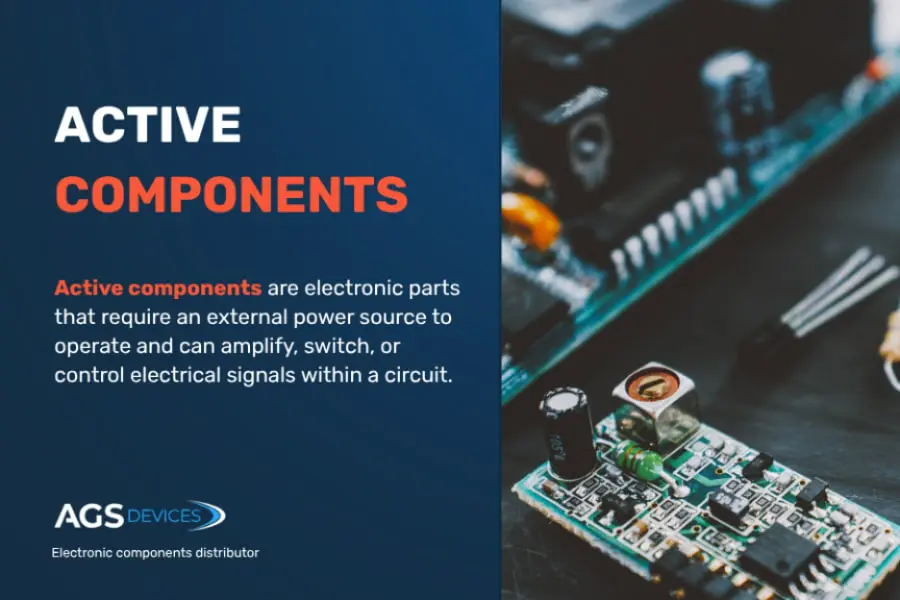
Transistors amplify electrical signals and switch circuits on or off. They often last 10 to 30 years, but exposure to heat and voltage spikes shortens their life.
Using a transistor beyond its limits can cause sudden failure. Have you ever considered replacing old transistors to improve device reliability?
Diodes
Diodes allow current to flow in one direction and protect circuits from voltage spikes. They are usually very durable, lasting 20 years or more under normal conditions.
However, overheating or electrical surges can damage them quickly. Checking diode health can prevent bigger circuit issues down the line.
Impact Of Usage Patterns
Usage patterns play a key role in how long electronic components last. Different ways of using these parts affect their durability and performance. Understanding these patterns helps in predicting lifespan and planning maintenance.
Continuous Vs. Intermittent Use
Continuous use means the component runs without stopping for long periods. This can cause heat build-up and wear out the parts faster. Heat is one of the main enemies of electronics.
Intermittent use allows the component to rest between operations. This cooling time helps reduce stress on the parts. It often leads to a longer lifespan compared to continuous use.
Choosing between continuous and intermittent use depends on the device’s purpose. Devices needing constant operation may face quicker aging. Those used occasionally tend to last longer.
Load And Stress Factors
Load refers to the electrical or mechanical demand placed on a component. High load causes more stress and faster degradation. For example, running a motor at maximum capacity shortens its life.
Stress includes temperature, vibration, and electrical surges. These factors weaken materials over time. Proper design and protection can reduce stress effects.
- High load increases heat and wear.
- Voltage spikes can damage sensitive parts.
- Vibration can loosen connections and cause cracks.
Managing load and stress is crucial for extending component life. Using components within their rated limits helps avoid premature failure.
Credit: www.agsdevices.com
Role Of Maintenance In Longevity
Maintenance plays a key role in how long electronic components last. Proper care slows down wear and tear. It helps detect issues before they cause failure. Keeping components clean and replacing parts on time also extends their life. Regular attention ensures reliable performance and reduces downtime. Let’s explore the main maintenance tasks that boost longevity.
Regular Inspections
Checking components often can catch problems early. Look for signs of damage, corrosion, or loose connections. Use visual checks and testing tools to ensure everything works well. Inspections help prevent sudden breakdowns. They allow fixing small issues before they grow.
Cleaning And Dust Removal
Dust and dirt can block ventilation and cause overheating. Clean electronic parts with soft brushes or compressed air. Avoid moisture and harsh chemicals during cleaning. Keeping components dust-free helps maintain good heat flow. This lowers the risk of damage and extends lifespan.
Timely Replacements
Replace worn or old parts promptly to keep systems stable. Capacitors, batteries, and connectors may degrade over time. Using new components prevents failures and improves performance. Plan replacements based on manufacturer guidelines or inspection results. Timely upgrades protect the whole device.
Technological Advancements And Durability
Technological advancements have greatly improved the durability of electronic components. Innovations in design and materials make devices last longer and perform better. These improvements reduce failures and extend the life cycle of electronics.
Improved Designs
Engineers now create more reliable circuits and layouts. Designs focus on reducing heat and electrical stress. Compact and efficient layouts help avoid damage over time. Protective features guard sensitive parts from shocks and surges. These design changes boost the overall lifespan of components.
Enhanced Materials
New materials resist wear, corrosion, and temperature changes better. Manufacturers use stronger metals and advanced plastics. Semiconductor materials have become purer and more stable. These materials lower the chance of failure during use. Enhanced materials make electronics more durable and dependable.
Credit: www.electronicsmedia.info
Signs Of Component Failure
Electronic components do not last forever. Over time, they show signs that tell us they are failing. Recognizing these signs early helps prevent bigger problems. These signs fall into two main groups: visual changes and performance issues. Understanding both types makes it easier to spot failing parts.
Visual Indicators
Visual signs often appear before full failure. Look for:
- Burn marks or discoloration on the component’s surface.
- Swollen or leaking capacitors.
- Cracked or broken parts.
- Corrosion or rust on connections and terminals.
- Loose or bent pins and connectors.
These visible changes mean the component is damaged or stressed. Ignoring them can lead to sudden failure.
Performance Degradation
Failing components often cause devices to slow down or act unpredictably. Signs include:
- Intermittent operation or frequent resets.
- Longer response times or lag.
- Unusual noises, like buzzing or clicking.
- Overheating or excessive heat generation.
- Increased power consumption.
These symptoms show the component cannot perform properly. Acting quickly can save the device and data.
Tips For Extending Component Lifespan
Extending the lifespan of electronic components saves money and reduces waste. Proper care and handling play a big role in keeping components working longer. Small actions can prevent damage and improve reliability over time.
Optimal Storage Conditions
Store components in a dry, cool place away from direct sunlight. High humidity can cause corrosion and damage sensitive parts. Use anti-static bags or containers to protect components from static electricity. Keep components organized to avoid physical damage and mixing different types. Avoid extreme temperatures that can cause material expansion and contraction, leading to cracks or failures.
Avoiding Overvoltage And Overcurrent
Always check component ratings before use. Applying voltage or current beyond limits causes overheating and permanent damage. Use fuses or circuit breakers to prevent excessive current flow. Implement voltage regulators to keep power supply stable. Monitor circuits regularly to detect and fix electrical issues early. Proper wiring and connections reduce the risk of short circuits and component failure.
Frequently Asked Questions
How Long Do Electronic Components Typically Last?
Electronic components usually last between 5 to 20 years. Lifespan depends on quality, usage, and environmental conditions. Proper care can extend their durability and performance.
What Factors Affect Electronic Component Lifespan?
Heat, moisture, voltage spikes, and mechanical stress reduce component lifespan. Quality manufacturing and proper handling improve longevity. Environmental conditions play a crucial role in durability.
Can Electronic Components Fail Suddenly?
Yes, components can fail suddenly due to manufacturing defects or external damage. Regular maintenance and testing help detect early signs of failure and prevent unexpected breakdowns.
How To Extend The Life Of Electronic Components?
Keep components cool, dry, and clean. Use voltage regulators and avoid physical shocks. Proper storage and usage significantly increase their operational lifespan.
Conclusion
Electronic components have varying lifespans depending on type and use. Proper care can help extend their life significantly. Heat, moisture, and usage stress often reduce durability. Choosing quality parts and maintaining them ensures better performance. Understanding these factors helps you predict when to replace parts.
Keep in mind, no component lasts forever. Regular checks save time and money in the long run. Stay informed and handle electronics with care for best results. Simple steps can make your devices last longer.
Leave a Reply