
Have you ever wondered how electronic devices stay clean and work perfectly? Solvents play a crucial role in making sure electronic components are free from dirt, oils, and other unwanted residues.
If you want to understand how these powerful liquids help manufacturers create reliable electronics, you’re in the right place. Keep reading to discover what solvents are used for in electronic component manufacturing and why they matter to the quality of the devices you use every day.
Role Of Solvents In Electronics
Solvents play a crucial role in the electronics manufacturing industry. They help clean, prepare, and protect delicate electronic components during production. Without solvents, achieving the precision and reliability required in electronic devices would be incredibly difficult.
Cleaning And Degreasing Electronic Components
Solvents remove oils, dust, and residues from electronic parts. These contaminants can cause malfunctions or weaken the bonding of components. Using the right solvent ensures that circuit boards and connectors stay clean and function properly.
Have you ever tried fixing a device only to find dirt or grease blocking connections? That’s why manufacturers rely heavily on solvents to maintain quality.
Surface Preparation For Better Adhesion
Before components are assembled or coated, their surfaces need to be perfectly clean and ready. Solvents help by removing microscopic impurities that interfere with soldering and gluing. This step improves the strength and durability of electronic assemblies.
Think about how a sticker won’t stick well on a dusty surface—electronics require even more careful preparation.
Flux Removal After Soldering
After soldering components, residues called flux can remain on the boards. These residues can cause corrosion or electrical shorts over time. Solvents efficiently wash away flux, ensuring long-lasting and reliable circuits.
If you’ve seen corrosion damage inside electronics, it often starts from flux left uncleaned.
Environmental Considerations And Solvent Choices
Manufacturers must balance cleaning effectiveness with environmental safety. Many traditional solvents are harmful and require careful handling. Today, water-based and bio-friendly solvents are gaining popularity to reduce health risks and environmental impact.
Would you prefer your electronics made with safer, greener solvents? Many companies are moving in that direction.
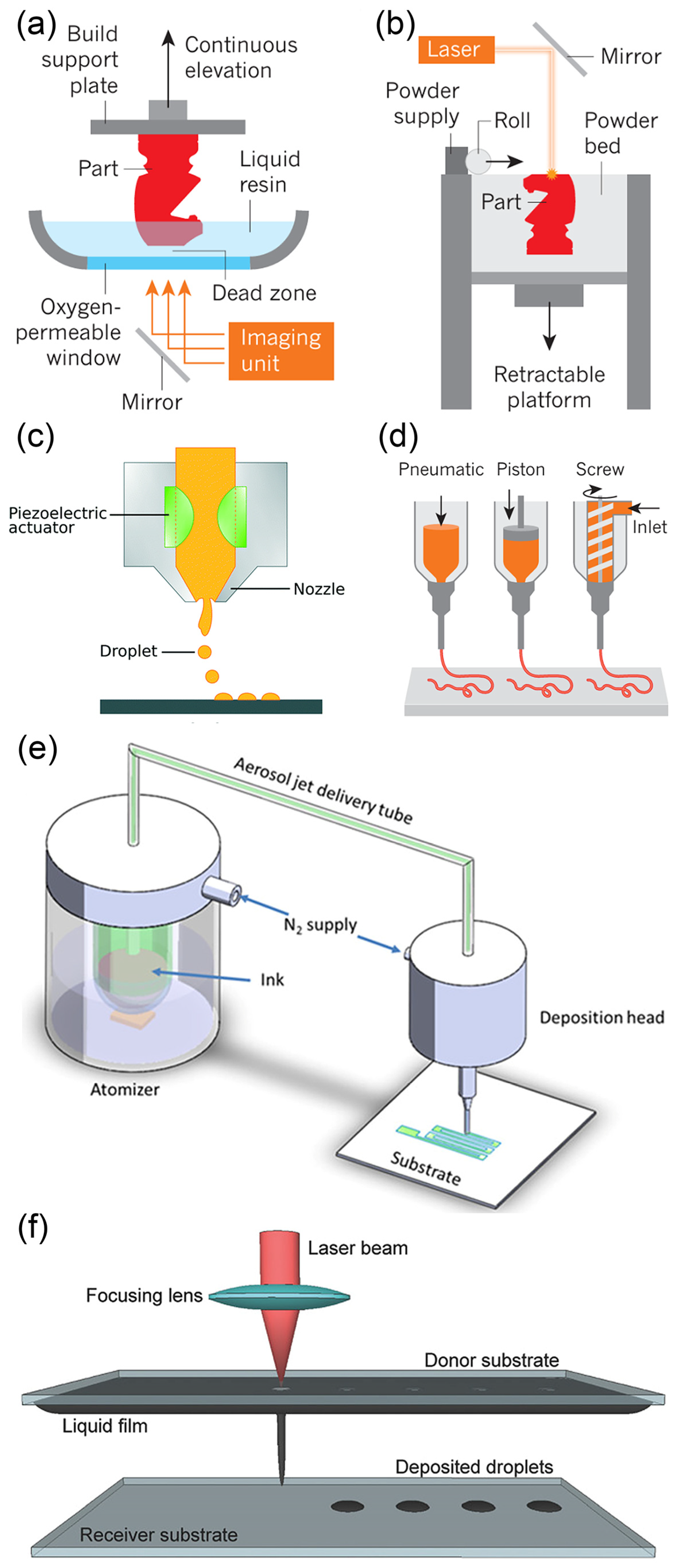
Credit: www.mdpi.com
Types Of Solvents
Solvents play a crucial role in electronic component manufacturing, helping clean, prepare, and protect delicate parts. Different types of solvents serve unique purposes depending on the materials involved and the processes used. Understanding these types can help you choose the right solvent for your specific manufacturing needs.
Organic Solvents
Organic solvents contain carbon atoms and are widely used in electronics for their excellent cleaning properties. They effectively dissolve oils, greases, and flux residues without damaging sensitive components.
Common examples include isopropyl alcohol, acetone, and toluene. Isopropyl alcohol is popular because it evaporates quickly and leaves no residue, making it ideal for cleaning circuit boards. Acetone is stronger and can remove tougher contaminants but must be used carefully to avoid damaging plastics.
Have you ever wondered why some solvents smell stronger than others? That’s often due to their chemical structure, which also influences how they interact with electronic materials. Using the wrong organic solvent can cause corrosion or swelling, so it’s important to match the solvent to your components.
Inorganic Solvents
Inorganic solvents lack carbon but are still essential in certain electronic manufacturing processes. Water is the most common inorganic solvent, often used with additives to enhance cleaning power.
Other examples include aqueous solutions with acids or bases that help remove oxidation or metal deposits. These solvents are usually gentler on components but may require thorough drying afterward to prevent moisture damage.
Choosing inorganic solvents often means balancing effective cleaning with the risk of corrosion or residue. Do you know how to control these risks in your cleaning process? Proper handling and drying techniques make all the difference.
Cleaning And Degreasing
Cleaning and degreasing play a crucial role in electronic component manufacturing. Solvents are essential in removing oils, dirt, and contaminants that can affect the quality and performance of electronic parts. Proper cleaning ensures that components function reliably and meet strict industry standards.
Surface Preparation
Before assembling electronic components, surfaces must be perfectly clean. Solvents help by dissolving oils, fingerprints, and dust that simple wiping cannot remove. This preparation improves adhesion for coatings, solder, or adhesives applied later.
Imagine trying to glue two surfaces together when one is oily—chances are, the bond will fail. Using solvents like isopropyl alcohol or acetone ensures the surface is ready for the next manufacturing step. Have you ever noticed how a clean screen responds better to touch? The same principle applies here for electronic parts.
Residue Removal
Residue from flux, solder, or machining processes can cause serious problems if not removed. Solvents efficiently break down these residues without damaging sensitive components. This step prevents corrosion, short circuits, and operational failures.
Manufacturers often use specialized solvent blends tailored to the type of residue present. For example:
- Alcohol-based solvents for light grease and oils
- Chlorinated solvents for tough flux residues
- Aqueous solvents for water-soluble contaminants
Choosing the right solvent affects not only cleanliness but also environmental and safety considerations. How do you decide which cleaning method fits your production needs?
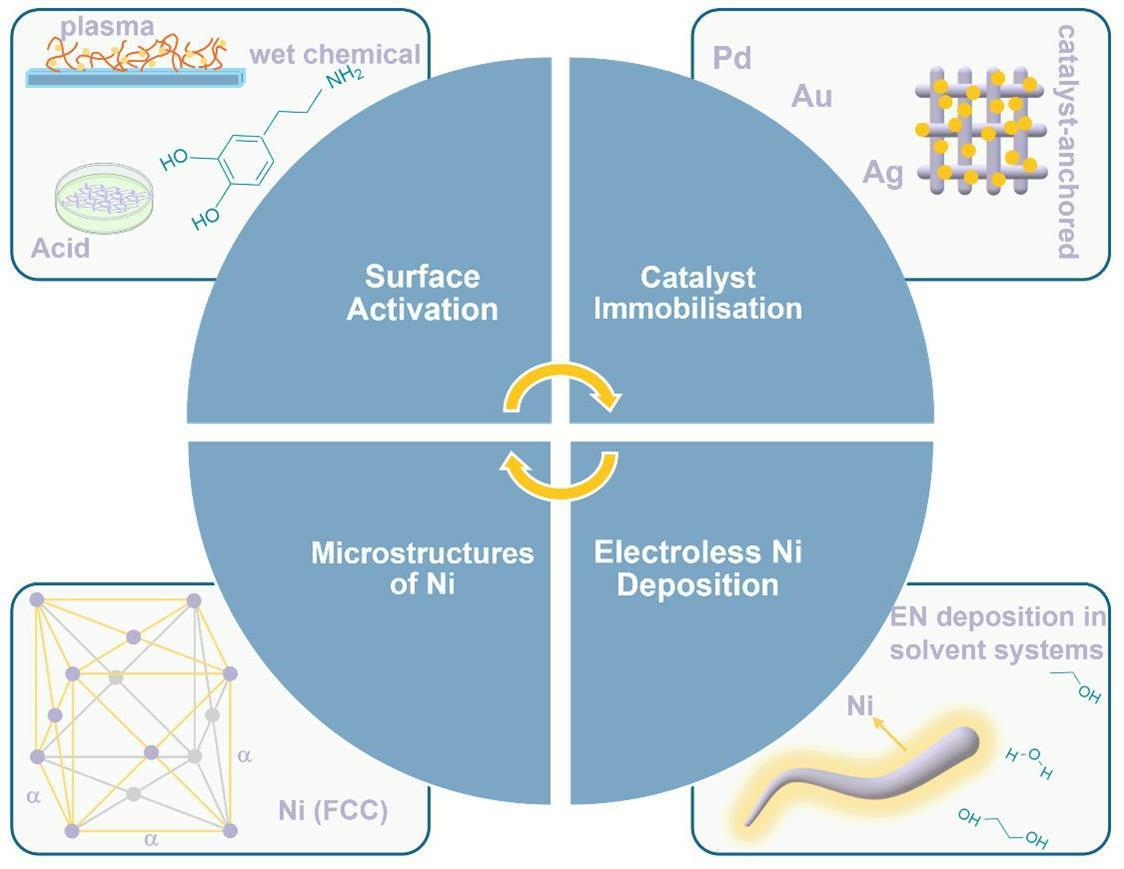
Credit: www.mdpi.com
Solvents In Soldering
Solvents play a vital role in soldering within electronic component manufacturing. They help maintain the cleanliness and effectiveness of solder joints, which are critical for device performance. Understanding how solvents are used can help you improve your soldering process and product reliability.
Flux Removal
Flux is essential during soldering, but leftover flux residues can cause corrosion and electrical issues. Solvents are used to remove these residues quickly and thoroughly. Choosing the right solvent ensures that flux is eliminated without damaging sensitive components or circuit boards.
Many manufacturers prefer solvents that evaporate fast and leave no residue behind. Have you ever noticed how a sticky residue can cause intermittent faults in your devices? Proper flux removal with solvents prevents this, improving long-term reliability.
Solder Joint Quality
Solvents also enhance solder joint quality by cleaning surfaces before and after soldering. Clean surfaces allow solder to bond better, creating stronger and more conductive joints. Using solvents to prep and clean parts can reduce defects like cold joints or bridging.
In my experience, skipping solvent cleaning led to rework and increased failure rates. Using the right solvent improved solder flow and joint appearance noticeably. What would happen if you tested your solder joints before and after solvent cleaning? The difference could be significant.
Coating And Encapsulation
Coating and encapsulation play a crucial role in protecting electronic components from environmental damage and mechanical stress. Solvents are essential in this process as they help apply these protective materials evenly and efficiently. Understanding how solvents contribute can help you appreciate their impact on the durability and performance of electronic devices.
Protective Layer Application
Solvents dissolve coating materials, allowing manufacturers to spread thin, uniform layers over delicate components. This process ensures that every nook and cranny receives adequate coverage. Without solvents, achieving such consistency would be nearly impossible.
During coating, solvents evaporate quickly, leaving behind a solid protective film. This film guards against dust, moisture, and chemical exposure. Have you ever wondered how your smartphone survives spills and dust? The answer lies partly in this precise solvent-assisted coating.
Improving Component Longevity
Encapsulation involves sealing components within a protective compound, often applied using solvent-based formulations. This layer prevents corrosion and physical damage, extending the life of the device.
Solvents enable the encapsulating material to flow smoothly into tiny gaps and around complex shapes. This thorough coverage reduces failure rates in harsh environments. Think about how your car’s electronic systems withstand extreme temperatures and vibrations—that resilience often starts with solvent-aided encapsulation.
Solvents In Adhesive Application
Solvents play a crucial role in the adhesive application process within electronic component manufacturing. They help control the viscosity of adhesives, ensuring smooth and even application on delicate surfaces. Without the right solvent, adhesives can become too thick or dry too quickly, leading to weak bonds or manufacturing defects.
Bonding Agents
Solvents help dissolve and carry bonding agents, making them easier to spread evenly across surfaces. This ensures that the adhesive forms a strong connection between electronic parts like circuit boards and components. If you’ve ever seen uneven glue spots on a device, it’s often due to poor solvent choice or application technique.
In practice, solvents like isopropyl alcohol or acetone are common because they evaporate quickly without leaving harmful residues. This quick evaporation helps adhesives stick faster and cleaner, which is essential in high-speed manufacturing environments.
Curing Process
The curing process depends heavily on solvents to control how adhesives harden and set. Solvents regulate the drying time, allowing manufacturers to balance speed and bond strength. If the solvent evaporates too slowly, it can cause the adhesive to remain tacky and weak.
Have you noticed how some electronic devices feel sturdier than others? That often comes down to how well the adhesive cured, which is influenced by the solvent used. Choosing the right solvent can speed up production while ensuring long-lasting bonds that withstand heat and vibration.
Environmental And Safety Considerations
Environmental and safety concerns play a major role in how solvents are used in electronic component manufacturing. These chemicals can impact air quality, water sources, and worker health. Proper handling and disposal are essential to reduce risks. Manufacturers must balance performance needs with environmental protection and safety measures.
Regulatory Compliance
Regulations control solvent use to protect people and the environment. Agencies set limits on emissions and waste disposal. Manufacturers follow rules like:
- Proper labeling and storage of solvents
- Using personal protective equipment (PPE) for workers
- Reducing volatile organic compound (VOC) emissions
- Reporting solvent use and disposal to authorities
Failure to meet these rules can result in fines and shutdowns. Compliance ensures safer workplaces and cleaner environments.
Alternative Solutions
Many companies explore safer solvent options to cut hazards. Water-based solvents reduce toxic fumes and fire risks. Some manufacturers adopt solvent-free processes for assembly and cleaning.
Biodegradable solvents break down faster and cause less pollution. Using closed-loop systems also limits solvent release into the air. These alternatives help protect workers and reduce environmental impact.
Future Trends In Solvent Use
The future of solvent use in electronic component manufacturing is rapidly shifting toward smarter, safer, and more eco-friendly options. As regulations tighten and environmental awareness grows, manufacturers must rethink how they choose and manage solvents. Are you ready to adapt your processes for the next wave of innovation?
Sustainable Practices
Many manufacturers now prioritize solvents that reduce environmental impact without compromising quality. This includes using bio-based solvents derived from renewable resources instead of traditional petroleum-based ones.
Beyond sourcing, companies are also improving solvent recovery systems to minimize waste and emissions. These changes not only help the planet but can lower costs over time, creating a win-win situation for your business.
Have you considered how switching to greener solvents might improve your product’s market appeal or compliance standing?
Innovative Solvent Technologies
New solvent formulations are emerging that offer higher efficiency and lower toxicity. For instance, supercritical fluids and ionic liquids are gaining attention for their unique properties and reduced environmental footprint.
These technologies can enhance cleaning precision and speed during manufacturing, improving overall product reliability. They also open doors to safer working conditions by limiting exposure to harmful chemicals.
Imagine the impact on your production if you could cut drying times and reduce hazardous waste simultaneously. Could adopting such advanced solvents give your facility a competitive edge?
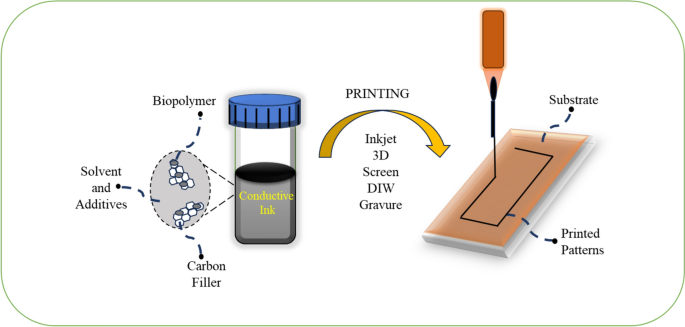
Credit: link.springer.com
Frequently Asked Questions
What Role Do Solvents Play In Electronics Manufacturing?
Solvents clean electronic components by removing flux, oils, and residues. They ensure better soldering quality and prevent defects. Proper cleaning enhances device reliability and performance. Solvents also prepare surfaces for coatings and adhesives, making them essential in electronics production.
Which Solvents Are Common In Electronic Component Cleaning?
Isopropyl alcohol, acetone, and specialized aqueous solvents are widely used. These solvents effectively dissolve contaminants without damaging delicate parts. Choosing the right solvent depends on the component material and residue type. Manufacturers prioritize solvents that are safe and environmentally friendly.
How Do Solvents Improve Soldering In Electronics?
Solvents remove flux residues that can cause corrosion and short circuits. Clean surfaces allow solder to bond better, ensuring strong electrical connections. This reduces failure rates and improves overall device longevity. Solvent cleaning is a critical step before and after soldering.
Are Solvents Safe For Electronic Components?
When used correctly, solvents are safe and do not harm components. Manufacturers follow strict guidelines to avoid damage or residue buildup. Using the right solvent concentration and drying methods prevents corrosion or material degradation. Safety data sheets guide proper handling and use.
Conclusion
Solvents play a key role in making electronic parts. They clean surfaces to remove dirt and oils. Solvents also help apply coatings evenly. They ensure parts work well and last longer. Choosing the right solvent keeps production smooth. Safe use protects workers and the environment.
Understanding solvents helps improve product quality. Manufacturers rely on them every day. Small chemicals with big effects. Essential for building better electronics.
Leave a Reply