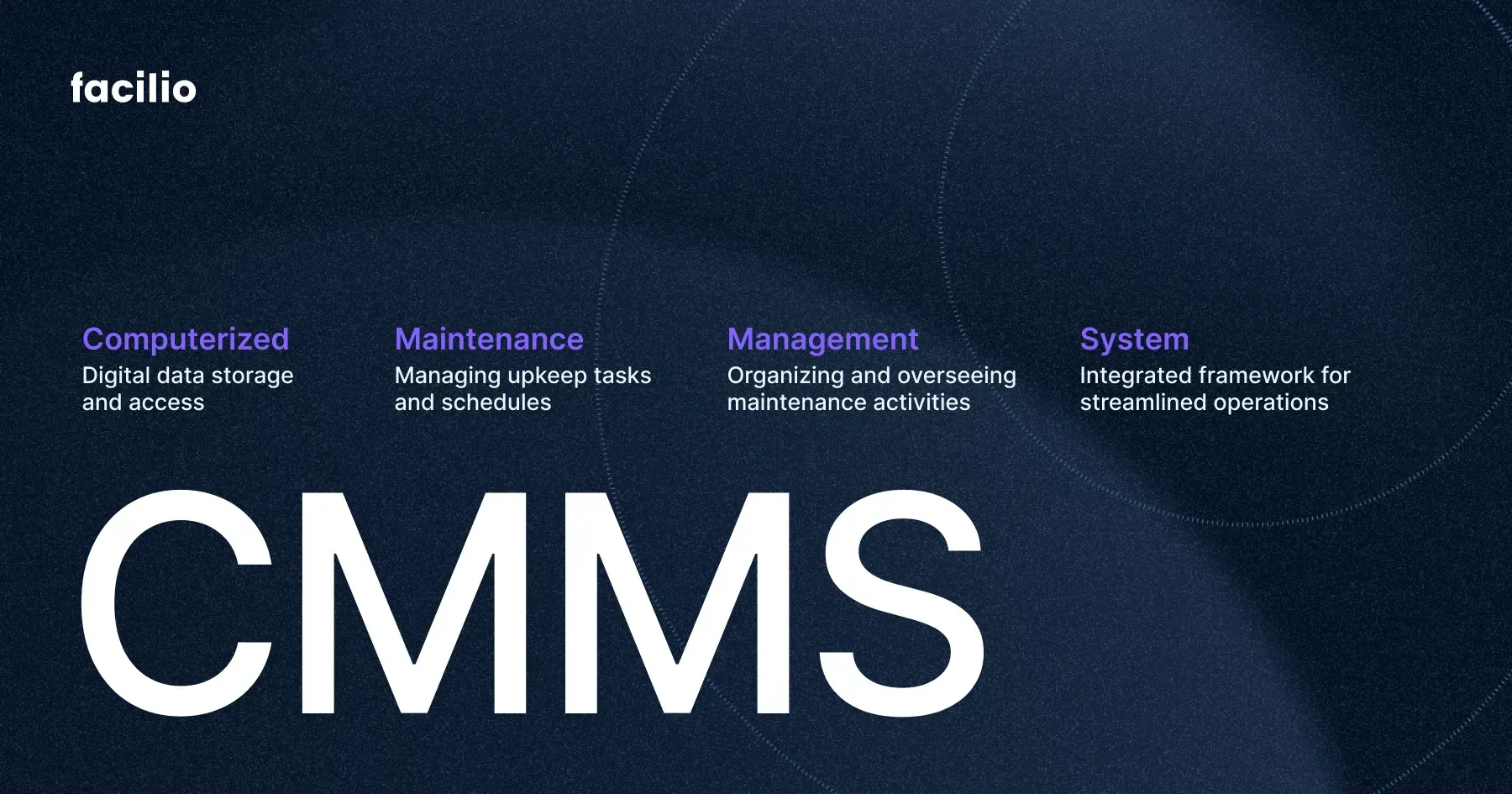
Have you ever wondered what system maintenance really means and why it’s so important for your devices or software? Understanding this simple concept can save you a lot of headaches, from unexpected crashes to slow performance.
You’ll discover exactly what system maintenance involves, how it affects your daily tech use, and the easy steps you can take to keep everything running smoothly. Keep reading, and you’ll gain the power to protect your systems and avoid costly problems before they even start.

Credit: medium.com
Importance Of System Maintenance
System maintenance is essential to keep your devices and software running smoothly. Ignoring it can lead to slow performance, crashes, or even data loss. By regularly maintaining your system, you ensure it stays reliable and secure over time.
Enhancing Performance And Speed
Regular system maintenance helps your device run faster. Cleaning up unnecessary files and updating software reduces lag and freezes. Have you noticed how a simple update often makes your device feel brand new?
Preventing Security Risks
Outdated systems are vulnerable to cyber-attacks. Maintenance includes installing security patches that protect your data from hackers. You wouldn’t leave your front door unlocked, so why leave your system exposed?
Extending Equipment Lifespan
Consistent care can delay the need for costly replacements. When you clear out junk files and fix small issues early, your hardware lasts longer. Think of it as giving your system a regular health check-up.
Reducing Downtime And Data Loss
Unexpected crashes can disrupt your work and cause frustration. Maintenance reduces the chance of sudden failures by catching problems before they grow. Isn’t it better to prevent an issue than scramble to fix it later?
Saving Money And Resources
Fixing small issues early is often cheaper than repairing major damage. Regular maintenance lowers the risk of expensive repairs or data recovery services. How much could you save by avoiding a complete system failure?
Types Of System Maintenance
Understanding the different types of system maintenance helps you keep your technology running smoothly and avoid unexpected breakdowns. Each type serves a unique purpose, targeting specific issues or goals. Knowing which approach to apply can save you time, money, and frustration.
Preventive Maintenance
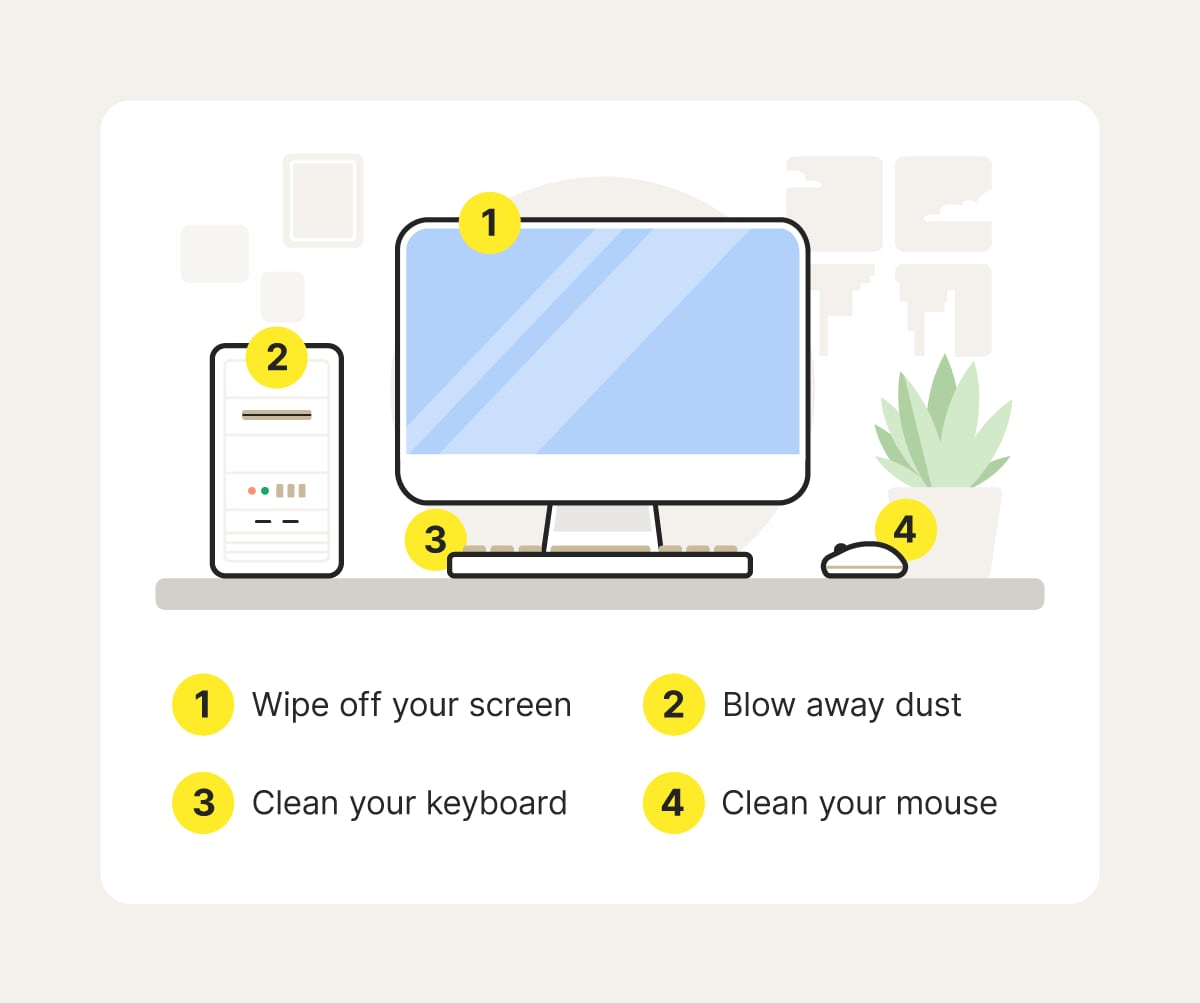
Preventive maintenance focuses on routine checks and updates to stop problems before they happen. You might schedule regular software updates or clean hardware components to keep everything in top shape. This approach is like giving your system a regular health check to avoid future headaches.
Corrective Maintenance
Corrective maintenance kicks in after a problem occurs. It involves fixing bugs, errors, or system failures that disrupt normal operations. Have you ever had to reboot your device or reinstall software after a crash? That’s corrective maintenance in action.
Predictive Maintenance
Predictive maintenance uses data and monitoring tools to anticipate system issues before they become serious. Imagine your system sending alerts when a hard drive shows signs of failure—this helps you act early. It’s a smart way to reduce downtime and extend your system’s life.
Adaptive Maintenance
Adaptive maintenance means updating your system to keep up with changes in the environment or user needs. This could be adding new features or modifying software to work with new hardware. It ensures your system stays relevant and functional as your requirements evolve.
Key Maintenance Activities
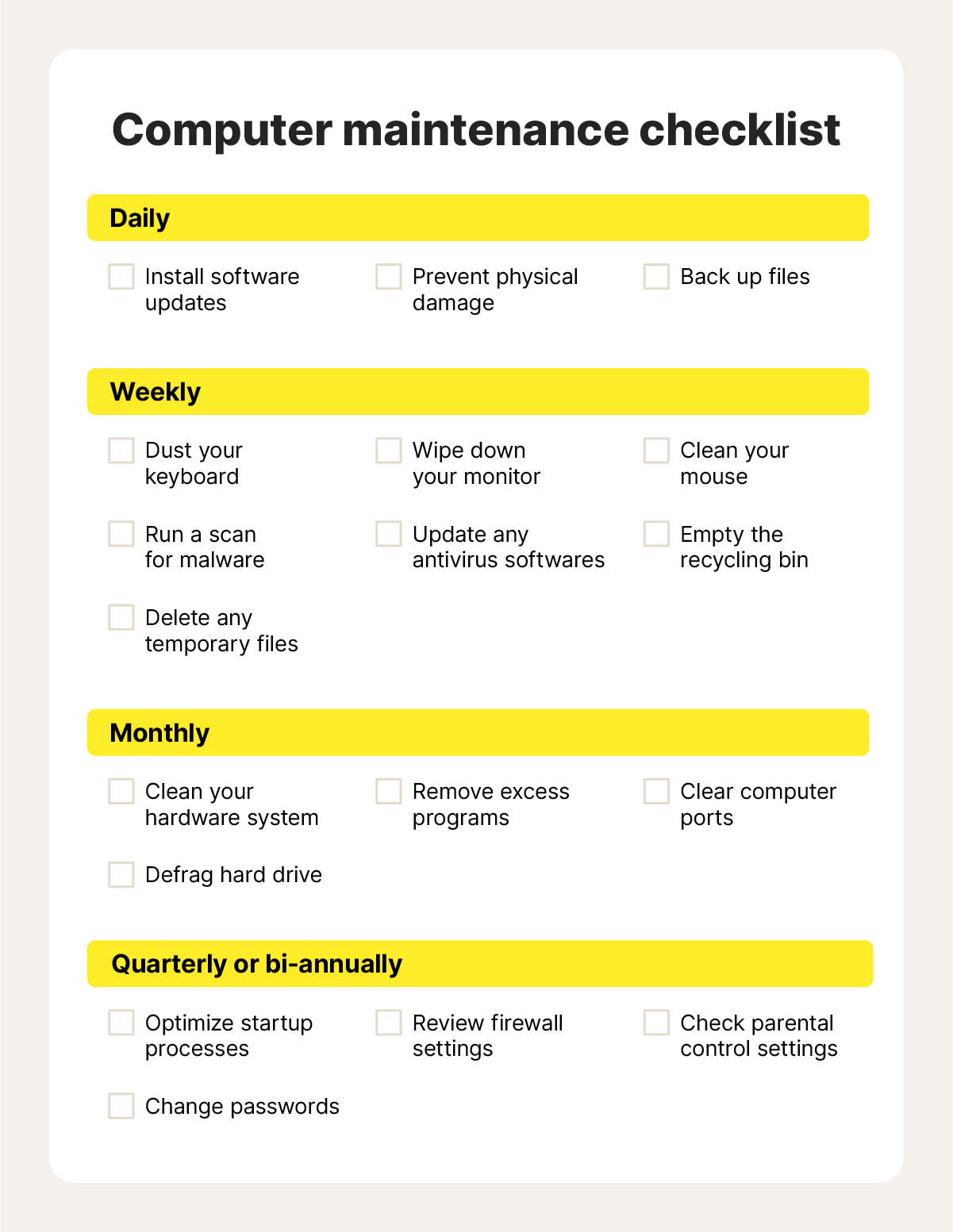
System maintenance involves several key activities that keep computers and networks running smoothly. These tasks prevent errors, protect data, and improve overall system health. Regular attention to maintenance helps avoid costly downtime and security risks.
Regular Updates
Updating software and operating systems ensures devices have the latest features and fixes. Updates patch security holes and improve compatibility. Ignoring updates can leave systems vulnerable to attacks and bugs.
Data Backup
Backing up data safeguards important files against loss or corruption. It creates copies that can be restored after hardware failure or accidental deletion. Regular backups minimize the impact of unexpected data loss.
Security Checks
Security checks identify and fix vulnerabilities in a system. This includes scanning for malware, reviewing firewall settings, and updating antivirus software. These steps protect sensitive information from hackers and viruses.
Performance Monitoring
Monitoring system performance tracks speed, resource use, and error rates. It helps detect problems before they cause failures. Regular checks keep systems running efficiently and extend their lifespan.
Credit: us.norton.com
Tools For Effective Maintenance
Maintaining a system isn’t just about fixing problems after they happen. It’s about using the right tools to keep everything running smoothly before issues arise. These tools help you manage software, diagnose issues quickly, and protect your system from threats. Knowing which tools to use can save you time and prevent headaches down the road.
Software Management Tools
Software management tools help you keep track of all the programs installed on your system. They allow you to update, uninstall, or configure software easily. Tools like Patch My PCor Niniteautomate updates, so you don’t have to remember each program’s schedule.
Have you ever spent hours updating multiple applications manually? These tools cut that time drastically, freeing you to focus on more important tasks. They also reduce security risks by ensuring software stays up to date.
Diagnostic Tools
Diagnostic tools identify problems before they cause serious damage. They check hardware components, system performance, and error logs. Programs like CrystalDiskInfofor hard drive health or MemTest86for memory tests give you clear insights into your system’s condition.
Imagine catching a failing hard drive early enough to back up your data. These tools provide that kind of peace of mind. They often come with easy-to-understand reports, so you can take action without being a tech expert.
Security Tools
Security tools protect your system from malware, viruses, and unauthorized access. Antivirus software like Bitdefenderor Malwarebytesscans and removes threats regularly. Firewalls and network monitoring tools add another layer of defense.
Have you considered what might happen if your system was compromised? Using security tools proactively helps you avoid data loss and downtime. Regular scans and updates ensure your defenses stay strong against new threats.
Benefits Of Regular Maintenance
Regular system maintenance is more than just a routine task; it’s a strategic move that keeps your technology running smoothly and reliably. By committing to consistent upkeep, you protect your devices from unexpected problems and improve how they function daily. Let’s look at how regular maintenance directly benefits you and your system.
Enhanced Performance
Have you noticed your computer slowing down over time? Regular maintenance clears out unnecessary files, updates software, and optimizes settings, helping your system run faster and more efficiently. This means tasks that once took minutes can be completed in seconds, saving you time and frustration.
Think about your last experience with a sluggish device—how much more productive could you be if it ran smoothly all the time?
Increased Security
Security threats evolve constantly, and without regular updates, your system becomes vulnerable. Maintenance ensures your antivirus software is current, patches are applied, and weak points are fixed before hackers can exploit them. This proactive approach protects your personal data and business information from breaches.
Are you confident that your system is shielded against the latest security risks?
Reduced Downtime
Unexpected crashes and system failures can halt your work and cause stress. Routine maintenance detects early warning signs of hardware or software issues, allowing you to fix problems before they cause downtime. This keeps your system available when you need it most, preventing interruptions that disrupt your schedule.
How often have you lost valuable time waiting for repairs or troubleshooting unexpected errors?
Cost Efficiency
Ignoring maintenance can lead to costly repairs or even the need for a full system replacement. Spending a little time and money regularly on upkeep is a small investment compared to the expense of fixing major failures. Maintenance also extends the lifespan of your equipment, giving you more value from your initial purchase.
Wouldn’t you prefer to save money by preventing problems rather than fixing them later?
Challenges In System Maintenance
System maintenance is essential for keeping your technology running smoothly, but it comes with its own set of challenges. These challenges can drain time, money, and energy if not managed properly. Understanding what makes system maintenance difficult helps you prepare better and avoid costly mistakes.
Resource Allocation
Allocating enough resources for system maintenance is often tougher than it sounds. You need to balance budget, time, and personnel without disrupting daily operations. Have you ever faced a situation where maintenance tasks had to be postponed because resources were tied up elsewhere?
Sometimes, small businesses struggle more because they have limited staff who wear multiple hats. This can lead to rushed maintenance or skipped updates, increasing the risk of system failures. Prioritizing what needs immediate attention versus what can wait is crucial.
Technical Expertise
Not everyone on your team may have the right skills for effective system maintenance. Finding and retaining experts who understand your specific systems is a constant challenge. Have you noticed how a lack of expertise can lead to misdiagnosed issues or longer downtimes?
Even if you have skilled staff, technology evolves rapidly, and staying proficient requires continuous learning. Consider how much time you or your team spend just to keep up with new tools or software versions.
Keeping Up With Updates
System updates come frequently and often at inconvenient times. Ignoring them can expose your systems to security risks and performance issues, but applying updates without proper testing can cause new problems. How do you decide when to update and when to hold off?
Scheduling updates around business hours requires careful planning. Unexpected update failures can disrupt your workflow, so having a rollback plan is a smart move. Staying on top of updates means you protect your system but also maintain smooth operations.
Best Practices For Maintenance
Effective system maintenance keeps technology running smoothly. It prevents unexpected breakdowns and extends system life. Following best practices ensures maintenance work is timely and efficient. This helps avoid costly repairs and data loss. Clear planning and teamwork are key.
Scheduled Maintenance
Set regular times for system checks and updates. Scheduling helps catch issues early and fix them fast. It reduces downtime by preparing users in advance. Use calendars or software tools to track maintenance dates. Stick to the schedule for consistent system health.
Documentation
Keep detailed records of all maintenance activities. Document what was done, when, and by whom. This helps track system changes and identify recurring problems. Clear records make future maintenance easier and faster. Store documentation in a safe, accessible place for the team.
Training And Development
Train staff on system maintenance tasks and best practices. Regular training updates skills and knowledge to handle new technology. Skilled teams fix problems quickly and prevent errors. Encourage continuous learning through workshops or online courses. Well-trained staff improve overall system reliability.
Credit: us.norton.com
Frequently Asked Questions
What Is System Maintenance In Simple Terms?
System maintenance involves regular updates and checks to keep computer systems running smoothly. It prevents errors, improves performance, and protects against security threats.
Why Is System Maintenance Important For Computers?
System maintenance ensures your computer operates efficiently and securely. It helps avoid crashes, data loss, and malware infections by keeping software and hardware in good condition.
How Often Should System Maintenance Be Performed?
System maintenance should be done monthly or as recommended by software providers. Frequent checks help catch issues early and maintain optimal system performance.
What Are Common Tasks In System Maintenance?
Common tasks include software updates, disk cleanup, virus scans, and hardware checks. These actions enhance speed, security, and stability of your system.
Conclusion
System maintenance keeps your devices and software running smoothly. It helps prevent problems and fixes issues quickly. Regular checks improve speed and security. This saves time and avoids bigger troubles later. Everyone benefits from simple upkeep tasks. Stay consistent to protect your system’s health.
Small efforts today mean fewer headaches tomorrow. Easy steps make a big difference. Keep your systems updated and clean. This ensures better performance and longer life for your technology.
Leave a Reply