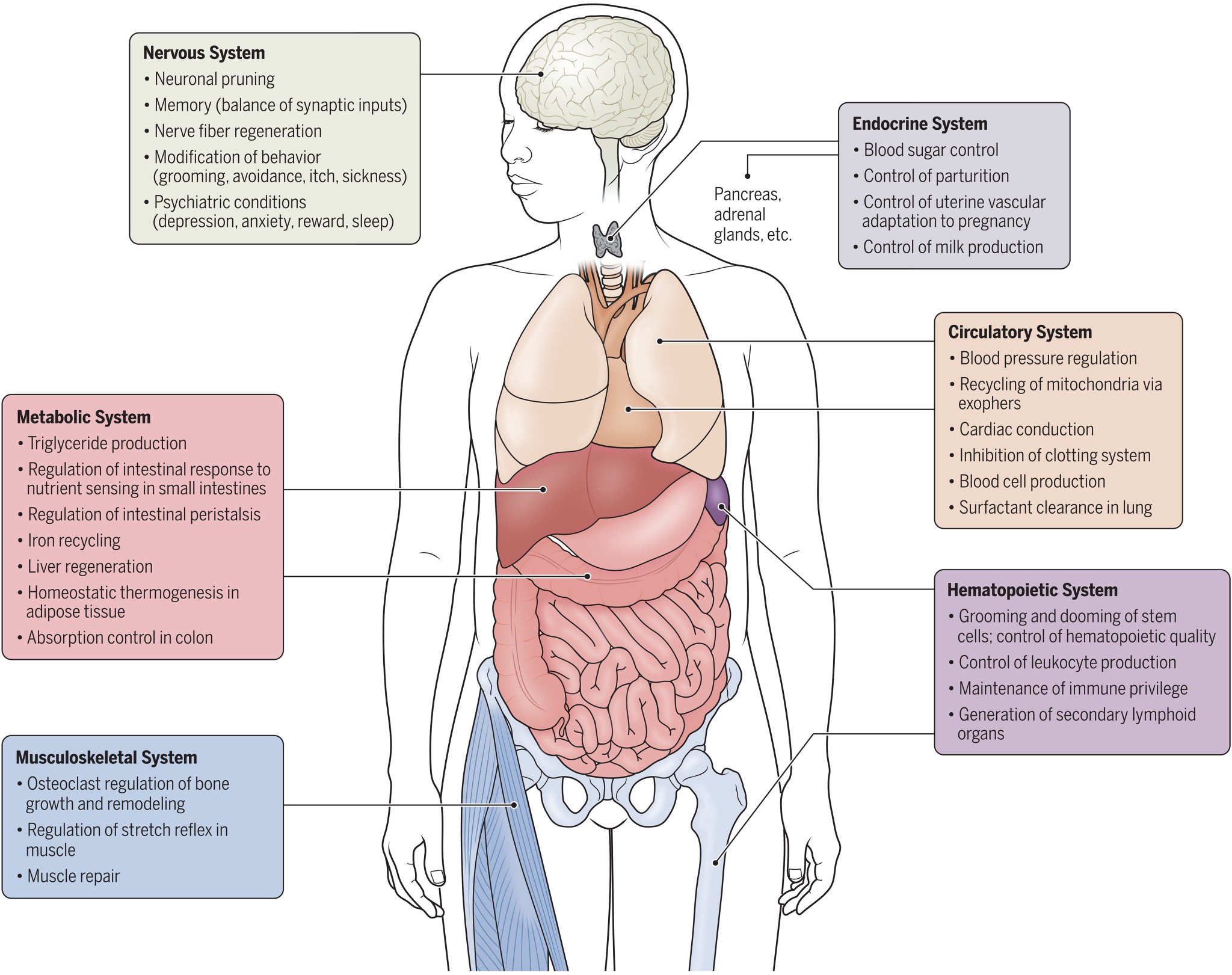
Have you ever wondered how your body fights off germs and keeps you healthy? That’s your immune system at work.
But just like any system, it needs care and attention to stay strong. Immune system maintenance is all about giving your body the tools it needs to protect you every day. You’ll discover simple, effective ways to boost your defenses and feel your best.
Keep reading to learn how to take control of your health and keep your immune system in top shape.
Importance Of Immune System
The immune system protects the body from harmful germs and infections. It works every day to keep you healthy and strong. Without a well-functioning immune system, your body becomes vulnerable to diseases and viruses.
Strong immunity helps you recover faster from illnesses. It also reduces the chance of getting sick often. This makes immune system maintenance very important for overall health and well-being.
Defense Against Infections
The immune system acts as a shield. It detects and fights bacteria, viruses, and other pathogens. This defense stops infections from spreading and causing harm.
Supports Healing And Recovery
When you get sick or injured, the immune system helps repair your body. It clears out damaged cells and promotes healing. A healthy immune system speeds up recovery times.
Prevents Chronic Diseases
A well-maintained immune system can lower the risk of chronic conditions. These include allergies, autoimmune diseases, and some cancers. Balanced immunity keeps the body’s defenses in check.
Maintains Overall Health
The immune system supports many body functions. It helps regulate inflammation and promotes healthy aging. Good immune health improves energy levels and quality of life.
Key Components Of Immunity
Your immune system is a complex network designed to protect you from harmful invaders like bacteria, viruses, and other pathogens. Understanding its key components helps you maintain a stronger defense. Two primary branches work together to keep you healthy: innate immunity and adaptive immunity.
Innate Immunity
Innate immunity is your body’s first line of defense. It responds quickly to threats, using barriers like your skin and mucus to block invaders. If a pathogen gets past these barriers, immune cells such as macrophages and neutrophils attack immediately.
This system doesn’t remember past infections, so it reacts the same way each time. Think of it as your body’s emergency response team, always ready but not specialized. Have you noticed how your skin forms a scab after a cut? That’s innate immunity at work, preventing infection right at the surface.
Adaptive Immunity
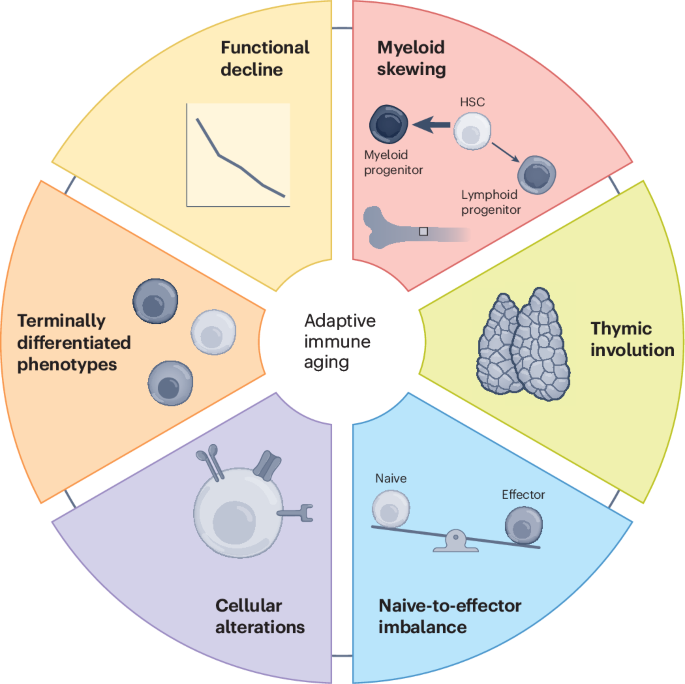
Adaptive immunity kicks in when innate defenses aren’t enough. It targets specific pathogens by recognizing unique features called antigens. This system learns and remembers, which is why vaccines work—they train your adaptive immunity to fight future infections better.
Key players here are B cells and T cells. B cells produce antibodies that lock onto invaders, while T cells destroy infected cells. Your adaptive immunity takes longer to respond initially, but it improves with each encounter, making you stronger against repeat infections.
Role Of Nutrition
Nutrition plays a key role in keeping the immune system strong. The body needs certain nutrients to build and support immune cells. Eating the right foods helps the immune system fight off germs and recover quickly.
Good nutrition also reduces inflammation and supports overall health. Simple food choices can make a big difference in immune defense. Below are important nutrients that boost immune function.
Vitamins And Minerals
Vitamins and minerals are essential for immune health. They help the body create infection-fighting cells and antibodies. Some key vitamins and minerals include:
- Vitamin C:Supports white blood cells and antioxidant defense.
- Vitamin D:Regulates immune response and reduces infection risk.
- Zinc:Helps immune cells grow and repair tissues.
- Vitamin A:Maintains skin and mucous membranes, first barriers to germs.
- Iron:Supports immune cell function and oxygen transport.
Deficiencies in these nutrients can weaken the immune system. A balanced diet rich in fruits, vegetables, nuts, and lean proteins provides these vital nutrients.
Antioxidants
Antioxidants protect immune cells from damage caused by harmful molecules. These molecules, called free radicals, can harm immune function.
Common antioxidants include:
- Vitamin C
- Vitamin E
- Selenium
- Flavonoids found in fruits and vegetables
Eating colorful fruits and vegetables supplies antioxidants. They help reduce inflammation and support quicker recovery from illness. Antioxidants keep the immune system balanced and ready to respond.

Credit: www.europeanfertilitysociety.com
Exercise And Immunity
Exercise plays a vital role in keeping your immune system strong. It helps your body fight off infections and recover faster. But how exactly does moving your body affect your immunity? Let’s look at the benefits and types of exercises that can make a difference for your health.
Benefits Of Regular Activity
Regular exercise boosts your immune system by improving blood circulation. This allows immune cells to travel more efficiently and detect illnesses early. You may notice fewer colds and quicker recovery times when you stay active.
Exercise also reduces stress hormones. Lower stress means your immune system isn’t working against you, which keeps it balanced and ready to respond. Have you ever felt more energetic and less sick when you stick to a workout routine?
Additionally, physical activity helps flush out bacteria from your lungs and airways. This reduces your chances of getting respiratory infections. It’s a simple action with a big impact on your overall health.
Types Of Exercises
Not all exercises affect your immunity the same way. Choosing the right types and intensity can help you get the best results. Here are some examples:
- Moderate Aerobic Exercise:Walking, cycling, or swimming for 30 minutes most days strengthens immune defenses without overworking your body.
- Strength Training:Lifting weights or using resistance bands builds muscle and supports immune function by improving metabolic health.
- Flexibility and Balance Exercises:Yoga and stretching reduce stress and improve circulation, both beneficial for your immune system.
Too much intense exercise without rest can actually weaken immunity. Have you noticed feeling run down after pushing yourself too hard? Listening to your body and balancing activity with recovery is key.
Sleep And Immune Function
Your immune system works hard every day to protect you from germs and illnesses. Sleep plays a crucial role in keeping this defense system strong. Without enough restful sleep, your body struggles to fight off infections effectively.
Sleep Duration
How many hours you sleep can directly affect your immune health. Studies show that adults need around 7 to 9 hours of sleep each night to maintain optimal immune function.
If you sleep less than this, your body produces fewer infection-fighting cells and antibodies. I once noticed that during a week of only 5 hours of sleep per night, I caught a cold that lasted much longer than usual. This experience made me realize just how important consistent sleep duration is for staying healthy.
Quality Of Sleep
It’s not just about how long you sleep but also how well you sleep. Interruptions, restlessness, or poor sleep environments can reduce the quality of your sleep and weaken your immune response.
Good quality sleep helps your body repair itself and build stronger defenses. Simple changes like turning off screens an hour before bed or keeping your bedroom cool can improve your sleep quality dramatically. How do you feel when you wake up after a night of deep sleep versus a restless one? Your immune system feels it too.
Stress Management
Stress management plays a crucial role in maintaining a strong immune system. Chronic stress can wear down your body’s defenses, making you more vulnerable to illnesses. Understanding how stress affects your immunity and learning ways to relax can make a big difference in your overall health.
Effects Of Stress
Stress triggers the release of hormones like cortisol, which can suppress your immune response. When stress is constant, your body stays in a heightened state of alert, reducing its ability to fight off infections effectively.
Have you noticed how you tend to catch colds or feel rundown during stressful periods? This is your immune system struggling to keep up. Long-term stress can also increase inflammation, which is linked to various chronic diseases.
Relaxation Techniques
Finding ways to calm your mind and body can boost your immune health. Simple practices like deep breathing or meditation help lower cortisol levels and improve your mood.
- Deep Breathing:Take slow, deep breaths to reduce tension and bring focus to the present moment.
- Mindfulness Meditation:Spend a few minutes each day observing your thoughts without judgment to ease mental stress.
- Progressive Muscle Relaxation:Tense and release muscle groups to relieve physical stress and promote relaxation.
What small change can you make today to ease your stress? Even brief moments of relaxation can strengthen your immune system and improve your wellbeing.
Hydration And Immune Health
Hydration plays a key role in keeping the immune system strong. Water supports many body functions that defend against illness. Staying hydrated helps remove toxins and carries nutrients to cells. It also keeps mucous membranes moist, which blocks germs from entering the body.
Dehydration can weaken the immune response. It reduces the flow of lymph, a fluid that contains infection-fighting cells. This slows down the body’s ability to fight viruses and bacteria. Drinking enough water daily supports the immune system’s ability to protect and heal.
How Water Supports Immune Function
- Flushes out harmful toxins and waste
- Transports nutrients to immune cells
- Keeps skin and mucous membranes moist
- Maintains lymphatic system flow
- Prevents dehydration-related immune suppression
Signs Of Dehydration Affecting Immunity
- Dry mouth and throat
- Fatigue and weakness
- Headaches
- Reduced urine output
- Increased susceptibility to infections
Tips For Staying Hydrated Daily
- Drink water regularly throughout the day
- Eat water-rich fruits and vegetables
- Limit caffeine and sugary drinks
- Carry a reusable water bottle
- Set reminders to drink water
Credit: www.nature.com
Impact Of Lifestyle Choices
Your lifestyle choices have a direct impact on how well your immune system functions. Every habit you maintain either strengthens or weakens your body’s defense against illnesses. Understanding these effects can help you make smarter decisions for your health.
Smoking And Alcohol
Smoking damages the cells in your lungs and airways, making it harder for your immune system to fight off infections. It also reduces the effectiveness of immune responses, leaving you more vulnerable to colds, flu, and respiratory diseases.
Alcohol consumption, especially in excess, disrupts the balance of your immune system. It slows down the production of important immune cells and increases inflammation, which can prolong recovery times from illnesses.
Have you noticed how a few drinks sometimes leave you feeling rundown for days? That’s your immune system struggling to keep up.
Healthy Habits
Simple changes in your daily routine can dramatically boost your immune health. Eating a balanced diet rich in fruits, vegetables, and whole grains provides essential vitamins and antioxidants your immune cells need.
Regular physical activity improves circulation, helping immune cells travel efficiently throughout your body. Even a 30-minute walk daily can make a difference.
Quality sleep is another cornerstone. Without enough rest, your immune system can’t repair and prepare itself to fight infections.
Think about your current habits—what small step can you take today to support your immune system?
Natural Remedies
Natural remedies offer a gentle yet effective way to support your immune system. Instead of relying solely on medications, you can use what nature provides to boost your body’s defenses. These remedies often come with fewer side effects and can be easily added to your daily routine.
Herbal Supplements
Herbal supplements like echinacea, elderberry, and ginseng have a long history of use for immune support. I once tried elderberry syrup during a cold season and noticed my symptoms eased quicker than usual. These herbs contain antioxidants and compounds that may help your immune cells work better.
Keep in mind, quality matters. Look for supplements that are standardized and free from additives. Always check with your healthcare provider before starting any new supplement, especially if you have underlying health conditions.
Probiotics
Your gut health plays a crucial role in your immune system. Probiotics, the good bacteria found in yogurt, kefir, and supplements, help balance your digestive system and strengthen your immune response. After adding a probiotic to my diet, I experienced fewer seasonal illnesses and quicker recovery times.
Different strains serve different purposes, so choose probiotics with well-researched strains like Lactobacillus and Bifidobacterium. Including fermented foods in your diet is an easy way to get these beneficial bacteria naturally.
Regular Health Check-ups
Regular health check-ups play a crucial role in maintaining your immune system. They help detect early signs of health issues that could weaken your body’s defenses. By staying on top of your health, you give your immune system the best chance to function effectively.
Understanding The Role Of Check-ups In Immune Health
Health check-ups are more than just routine visits to the doctor. They provide valuable insight into how well your immune system is working. Blood tests, for example, can reveal vitamin deficiencies or chronic inflammation that might be draining your immune strength.
Have you ever wondered if your immune system is actually keeping you safe from hidden threats? Regular tests can answer that question and guide you on what to improve.
What To Expect During A Regular Check-up
During a check-up, your healthcare provider reviews your medical history and lifestyle habits. They may run specific tests like a complete blood count (CBC) or measure levels of immune markers. These results help tailor advice and treatments to boost your immunity.
Don’t hesitate to ask your doctor about any unusual symptoms or concerns you have. Your input helps create a full picture of your immune health.
How To Prepare For Your Health Check-up
Preparing well can make your check-up more effective. Keep a list of any medications or supplements you take, and note recent illnesses or stress factors. This information helps your doctor understand factors affecting your immune system.
Think about your diet, exercise, and sleep patterns, too. Sharing this can guide personalized tips to keep your immune system strong.
Turning Check-up Results Into Action
After your check-up, use the results to take targeted steps for immune maintenance. If tests show low vitamin D, adding supplements or more sunlight exposure can help. If inflammation markers are high, adjusting your diet or stress management techniques might be necessary.
What small changes could you make today to strengthen your immunity based on your last check-up? Tracking progress over time keeps you motivated and informed.

Credit: www.frontierspartnerships.org
Frequently Asked Questions
What Is Immune System Maintenance?
Immune system maintenance involves habits that support and strengthen your body’s defense. It includes proper nutrition, regular exercise, adequate sleep, and stress management to keep immunity strong and effective against infections and diseases.
Why Is Immune System Maintenance Important?
Maintaining your immune system helps prevent illnesses and speeds recovery. A strong immune system protects against viruses, bacteria, and other harmful pathogens, ensuring overall health and well-being.
How Can Diet Improve Immune System Maintenance?
A balanced diet rich in vitamins, minerals, and antioxidants boosts immune function. Foods like fruits, vegetables, nuts, and lean proteins provide essential nutrients for immune cell production and activity.
What Lifestyle Changes Support Immune System Maintenance?
Regular exercise, sufficient sleep, stress reduction, and avoiding smoking enhance immune health. These changes improve immune response, reduce inflammation, and promote overall body resilience.
Conclusion
Taking care of your immune system helps keep you healthy every day. Good sleep, balanced food, and exercise support strong defenses. Avoid stress and stay hydrated to protect your body. Small habits build a big shield against sickness. Stay mindful of your health and keep your immune system active.
This simple care can make a big difference. Stay consistent and enjoy a healthier life.
Leave a Reply