Have you ever wondered why your car seems to be filled with so many electronic parts? From the moment you press the start button to the way your headlights adjust automatically, electronics play a huge role.
But why exactly does your car need all these electronic components? Understanding this can help you appreciate your vehicle more and even make smarter choices when buying or maintaining it. Keep reading, and you’ll discover how these tiny electronic parts work together to keep you safe, comfortable, and connected on every drive.
Evolution Of Automotive Technology
The evolution of automotive technology has driven the rise of electronic components in cars. Early vehicles were simple machines with few electrical parts. Over time, technology advanced, and electronics became essential for better performance and safety.
Modern cars now use complex electronic systems to improve driving experience. These systems control everything from engine function to entertainment. Electronics help cars run cleaner, safer, and smarter.
Early Automotive Electronics
Cars in the early 1900s had basic electrical parts like headlights and ignition systems. These components were simple and had limited functions. They used mechanical controls and manual adjustments.
Introduction Of Electronic Control Units (ecus)
In the 1980s, electronic control units started managing engine functions. ECUs improved fuel efficiency and reduced emissions. They allowed precise control over ignition timing and fuel delivery.
Growth Of Safety And Comfort Features
Airbags, anti-lock brakes, and traction control became common in the 1990s. These systems rely on sensors and electronic control units. Electronics made cars safer and more comfortable to drive.
Integration Of Infotainment Systems
Touchscreens, GPS navigation, and Bluetooth connectivity appeared in the 2000s. These features use microprocessors and software to offer entertainment and convenience. They connect drivers to the digital world.
Advances In Autonomous Driving Technology
Recent cars include cameras, radar, and lidar for self-driving functions. These sensors feed data to powerful computers inside the car. Electronics enable features like lane keeping and adaptive cruise control.

Credit: www.assemblymag.com
Role Of Electronics In Modern Vehicles
Electronics play a crucial role in today’s vehicles, shaping how you drive, stay safe, and enjoy your ride. The rise of electronic components has transformed cars from simple machines into complex systems that think and respond. Understanding this role helps you appreciate why modern cars have so many electronic parts and how they benefit your daily driving experience.
Enhancing Vehicle SafetyElectronic systems like airbags, anti-lock brakes, and stability control rely on sensors and computers to protect you. These components detect sudden changes, like slippery roads or sharp turns, and react faster than human reflexes. Ever wondered how your car keeps you stable during unexpected skids? It’s the electronics doing the hard work behind the scenes.
Improving Fuel Efficiency and EmissionsFuel injection systems and engine control units use electronics to optimize how fuel burns. This means your car uses less gas and releases fewer pollutants. When you think about saving money on fuel and caring for the environment, these electronic components make a real difference.
Providing Comfort and ConvenienceFrom climate control to infotainment screens, electronics make your ride more enjoyable. You can adjust the temperature, navigate traffic, or listen to your favorite music with just a few taps or voice commands. Have you noticed how these features make long drives feel shorter and less stressful?
Enabling Advanced Driver Assistance Systems (ADAS)Features like lane departure warnings, adaptive cruise control, and parking assist depend on cameras, radar, and software. These systems help you avoid accidents and reduce fatigue by offering extra sets of eyes and hands. Do you trust your car’s sensors to watch your back when you’re focused on the road?
Supporting Connectivity and Software UpdatesModern vehicles connect to the internet to provide real-time traffic, remote diagnostics, and over-the-air updates. This means your car can improve over time without visiting the shop. Imagine getting new features or fixes while parked at home—electronics make that possible.
Enhancing Safety Features
Cars today are packed with electronic components that play a crucial role in keeping you safe on the road. These advanced systems go beyond traditional safety measures and actively help prevent accidents. Understanding how these electronics enhance safety can change the way you think about driving and your car’s technology.
Advanced Driver Assistance Systems
Advanced Driver Assistance Systems (ADAS) use a network of sensors, cameras, and radar to monitor your surroundings. These systems alert you when you’re drifting out of your lane or approaching a vehicle too quickly. Sometimes, they even take control briefly to correct your steering or apply the brakes.
Imagine driving on a busy highway and suddenly feeling a gentle nudge from your car’s lane-keeping assist. It’s like having a co-pilot watching your back. These features reduce human error, which is a leading cause of crashes.
Collision Detection And Avoidance
Collision detection systems scan the road ahead and around your vehicle to identify potential hazards. If a collision is imminent, your car can warn you with audible alarms or visual alerts. Some systems automatically apply emergency braking if you don’t react in time.
Think about how much quicker an electronic system can respond compared to a human. This split-second reaction can mean the difference between a minor fender bender and a serious accident. Would you trust your car’s electronics to help save your life? Most drivers do, and that’s why these systems are becoming standard.
Improving Fuel Efficiency
Fuel efficiency is a key focus in modern car design. Electronic components help cars use less fuel and emit fewer pollutants. They manage engines and power systems more precisely than ever before. This technology makes cars smarter and cleaner on the road.
Engine Control Units
The Engine Control Unit (ECU) acts as the car’s brain. It monitors sensors and adjusts fuel injection and air intake. This ensures the engine runs at peak efficiency. The ECU also controls ignition timing for better fuel use. Small changes in timing can save a lot of fuel over time. It adapts to driving conditions to reduce waste. This constant adjustment helps cars perform better and consume less fuel.
Hybrid And Electric Vehicle Innovations
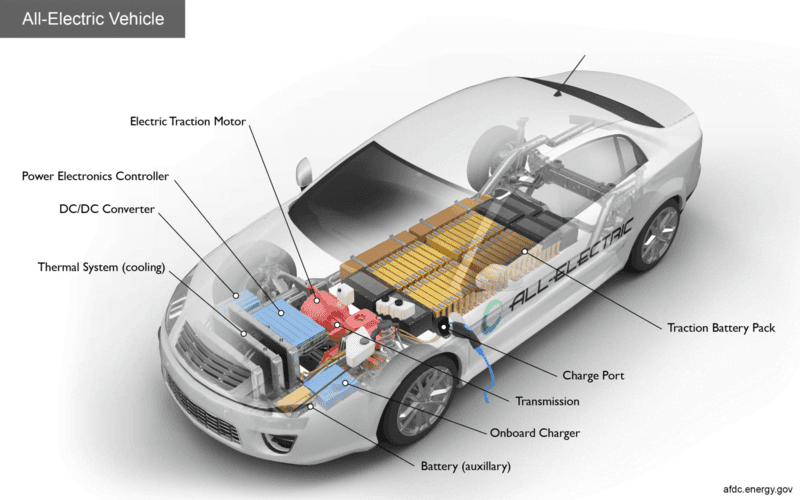
Hybrids use both a gasoline engine and electric motors. Electronics manage when to switch between power sources. This saves fuel by using electricity in low-speed driving. Regenerative braking captures energy to recharge batteries. Electric vehicles rely fully on electric motors, controlled by advanced electronics. These systems optimize battery use and motor power. They extend driving range while minimizing energy loss. Innovations in these vehicles reduce fuel needs and pollution drastically.
Boosting Comfort And Convenience
Modern cars are packed with electronic components designed to make your driving experience more comfortable and convenient. These systems work behind the scenes, adjusting settings and providing entertainment to keep you relaxed and focused on the road. Think about the last time you enjoyed a smooth ride with perfect temperature and your favorite music—electronics made that possible.
Infotainment Systems
Infotainment systems are the heart of your car’s comfort tech. They combine navigation, music, phone connectivity, and voice control into one easy-to-use interface.
Imagine driving without fumbling for your phone to change songs or get directions. With touchscreen displays, Bluetooth, and smartphone integration, you stay connected safely. These systems also learn your preferences over time, suggesting routes or playlists tailored to your habits. Have you noticed how much easier it is to stay focused when your entertainment is just a voice command away?
Climate Control Technology
Climate control systems go far beyond just turning a dial for heat or air conditioning. Advanced sensors detect temperature, sunlight, and humidity to adjust the cabin environment automatically.
Some cars even feature multi-zone climate control, allowing everyone in the vehicle to set their preferred temperature. This means no more arguments over the thermostat during family trips. Imagine stepping into a car that’s already at the perfect temperature on a chilly morning—that’s comfort you can feel immediately.

Credit: asia.nikkei.com
Connectivity And Integration
Connectivity and integration have become central to modern cars, transforming them from simple machines into smart devices on wheels. These electronic components allow vehicles to communicate with other devices and systems, improving safety, convenience, and entertainment. You might wonder how your car manages to stay connected and integrated with so many external platforms and gadgets.
Internet Of Things In Cars
The Internet of Things (IoT) connects your car to the internet and other devices, creating a network that shares data constantly. This connection lets your car update software automatically, monitor its health, and even alert emergency services if needed.
Imagine your car sending you a notification when it needs maintenance or when traffic ahead is heavy. This real-time data sharing helps you plan better and avoid surprises. IoT also enables features like remote start, climate control, and vehicle tracking through apps.
Smartphone Integration
Smartphone integration is a key reason cars have so many electronic components. It allows you to use apps, make calls, and listen to music safely while driving. Systems like Apple CarPlay and Android Auto mirror your phone’s interface on the car’s display.
Think about how you can navigate using your phone’s GPS or reply to messages with voice commands without taking your hands off the wheel. This integration not only enhances convenience but also reduces distractions, making your drive safer. Have you noticed how much easier it is to stay connected without fumbling with your phone?
Challenges And Concerns
The increase in electronic components in cars brings several challenges and concerns that impact both drivers and manufacturers. These issues affect safety, cost, and convenience in ways you might not expect. Understanding these challenges helps you make smarter choices about your vehicle and how to maintain it.
Cybersecurity Risks
As cars become more connected, they also become more vulnerable to cyber attacks. Hackers can exploit weaknesses in electronic systems to access your vehicle remotely, potentially controlling brakes, steering, or even unlocking doors.
Think about how your smartphone or laptop needs regular security updates. Your car’s electronic systems require the same attention. Yet, many drivers are unaware of the cybersecurity risks their vehicles face daily.
Would you leave your car keys in the ignition for hours? Leaving your car’s electronic system exposed without proper protection is no different. Staying informed about software updates and security patches can help reduce these risks.
Maintenance And Repair Complexity
More electronics mean more complexity when your car needs repairs. Simple problems that once took minutes now require specialized tools and knowledge to diagnose and fix.
Imagine your check engine light comes on. In older cars, a mechanic could quickly pinpoint the issue by listening or checking basic components. Today, it often requires connecting to a computer system and interpreting complex codes.
This complexity can lead to higher repair costs and longer downtime. You might find yourself relying more on dealers or specialized shops instead of local mechanics. How comfortable are you with trusting your car’s health to electronic diagnostics?
Future Of Automotive Electronics
The future of automotive electronics is shaping the way we drive, making vehicles smarter, safer, and more efficient. Electronic components are no longer just about convenience; they are the backbone of innovation in the car industry. Understanding where this technology is headed helps you appreciate why your next car will be packed with even more electronics than before.
Autonomous Driving
Self-driving cars depend heavily on a complex network of sensors, cameras, and processors. These electronic components work together to interpret the environment, make decisions, and control the vehicle. Have you ever wondered how a car can react faster than a human in traffic? It’s the real-time data processing and instant communication between these electronic parts.
As autonomous driving technology advances, expect more integration of AI chips and enhanced connectivity. This means your car will not only drive itself but also communicate with other vehicles and infrastructure. Imagine the possibilities when traffic jams become a thing of the past because cars coordinate smoothly.
Sustainability And Green Technology
Electronics play a crucial role in making vehicles more eco-friendly. Electric cars rely on battery management systems and power electronics to optimize energy use and increase range. These components ensure that your car uses energy efficiently, reducing emissions and your carbon footprint.
Besides electric vehicles, electronics help monitor emissions and improve fuel efficiency in traditional engines. You might not see these systems, but they quietly work to keep your car compliant with environmental standards. How much could you save on fuel if your car automatically adjusted to the most efficient driving mode every time?
Credit: www.northyorkchrysler.ca
Frequently Asked Questions
Why Do Modern Cars Use Many Electronic Components?
Modern cars use many electronic components to enhance safety, comfort, and performance. Electronics control engine functions, braking, and infotainment. They improve fuel efficiency and reduce emissions. These components enable advanced driver-assistance systems, making driving safer and easier.
How Do Electronic Components Improve Car Safety?
Electronic components improve car safety by managing airbags, ABS, and stability control. Sensors detect hazards and alert drivers instantly. Advanced systems like collision avoidance and lane departure use electronics to prevent accidents. They ensure quicker response times and better control in emergencies.
What Role Do Electronics Play In Car Performance?
Electronics optimize engine management, fuel injection, and transmission control. They monitor and adjust systems for better power and fuel efficiency. Electronic components also manage suspension and braking for smoother, safer rides. This leads to improved overall vehicle performance and reliability.
Why Are Infotainment Systems Important In Cars?
Infotainment systems provide navigation, entertainment, and connectivity features. Electronics enable touchscreens, voice control, and smartphone integration. These systems enhance the driving experience by offering convenience and reducing distractions. They keep drivers connected while maintaining focus on the road.
Conclusion
Cars have many electronic parts to make driving safer and easier. These parts help control the engine, brakes, and even the lights. They also improve comfort with features like air conditioning and music systems. Electronics help cars use fuel better and reduce pollution.
As technology grows, cars will have even more smart features. This makes driving more fun and less stressful. Understanding why cars need these parts helps us see how they work every day. It shows how technology and cars join to improve our lives.
Leave a Reply