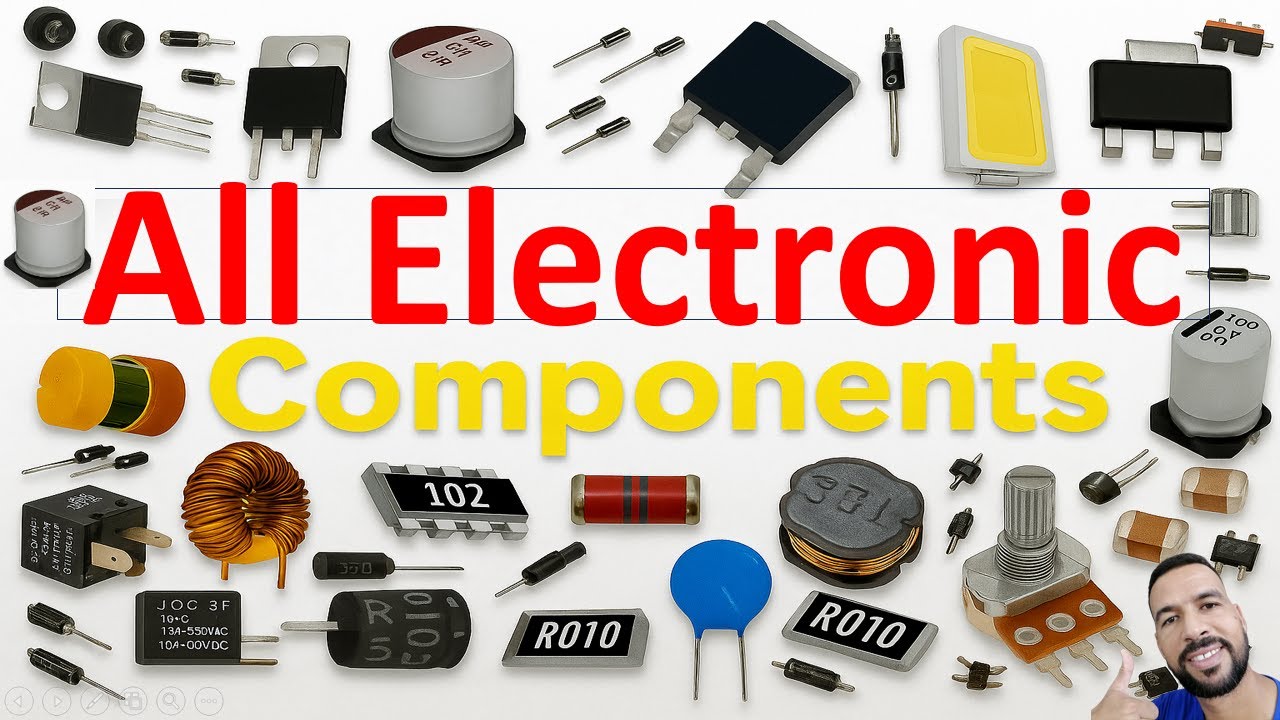
Have you ever wondered what makes your smartphone, TV, or computer work? The answer lies in tiny parts called electronic components.
These small pieces play a big role in bringing your favorite gadgets to life. Understanding what electronic components are can help you appreciate how technology works—and even inspire you to create your own devices. Keep reading to discover the basics of electronic components and why they matter to you.
Credit: nandasiddhardha.medium.com
Basics Of Electronic Components
Electronic components are the building blocks of all electronic devices. They control electric current to perform specific tasks. Understanding the basics helps in grasping how gadgets work.
These components come in many shapes and sizes. Each type has a unique function in a circuit. Some store energy, others control flow, and some amplify signals.
Resistors
Resistors limit the flow of electric current. They protect sensitive parts from too much current. The value of resistance is measured in ohms (Ω).
Capacitors
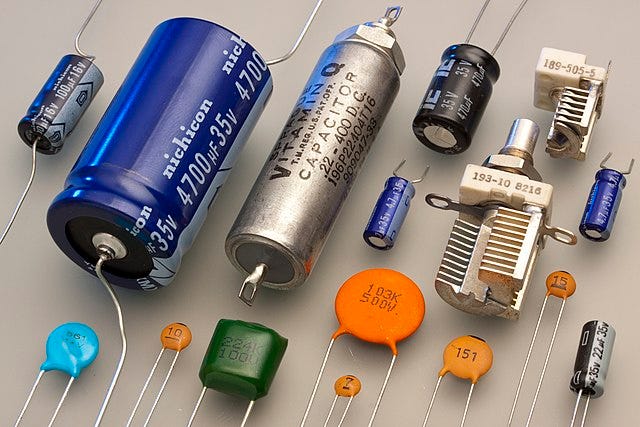
Capacitors store and release electrical energy. They help smooth out voltage changes. Capacitors are measured in farads (F).
Diodes
Diodes allow current to flow in one direction only. They protect circuits from damage by blocking reverse current. Light Emitting Diodes (LEDs) are a common type.
Transistors
Transistors act as switches or amplifiers. They control large currents with small signals. Transistors are key in almost every electronic device.
Inductors
Inductors store energy in a magnetic field. They resist changes in current. Inductors are used in filters and tuning circuits.
Types Of Electronic Components
Electronic components come in various types, each playing a unique role in building circuits and devices. Understanding these types helps you identify the right components for your projects and troubleshoot effectively. Let’s break down the main categories so you can get a clearer picture of how they work together.
Active Components
Active components are the parts that can control the flow of electricity. They require a power source to operate and can amplify signals or switch currents on and off. Think of transistors, diodes, and integrated circuits (ICs) — these components are the brains behind many electronic devices.
Have you ever noticed how your phone processes signals so quickly? That’s the active components at work. Without them, your gadgets wouldn’t be able to perform complex tasks or communicate efficiently.
Passive Components
Passive components don’t need power to work but are essential for managing electrical energy in a circuit. Resistors, capacitors, and inductors fall into this category. They store, release, or resist electrical energy, helping to shape the signal and protect other parts.
Imagine trying to control water flow in pipes without valves or tanks. Passive components act like those control points, stabilizing and adjusting energy to keep the circuit running smoothly. Can you think of a device where the balance of power is critical? Passive components make that possible.
Electromechanical Components
Electromechanical components combine electrical and mechanical processes. Examples include switches, relays, and connectors. They physically move or change position to make or break electrical connections.
If you’ve ever flipped a light switch or pressed a button on a remote, you’ve interacted with electromechanical components. They bridge the gap between human input and electronic response, making devices interactive and user-friendly.
Active Components Explained
Active components play a vital role in electronic circuits. They control the flow of electricity and can amplify signals. Unlike passive components, active components require an external power source to function. They help in switching, signal processing, and power regulation. Understanding these parts is key to learning electronics.
Transistors
Transistors act as electronic switches or amplifiers. They can turn signals on or off and increase signal strength. Made from semiconductor materials, transistors have three parts: the emitter, base, and collector. They control current flow through small input signals. Transistors are the building blocks of modern electronic devices.
Diodes
Diodes allow electric current to flow in one direction only. They protect circuits by blocking reverse currents. Common types include light-emitting diodes (LEDs) and rectifier diodes. Diodes are essential for converting AC to DC power. Their simple function makes them crucial in many electronic systems.
Integrated Circuits
Integrated circuits (ICs) combine many active components on one small chip. They contain transistors, diodes, resistors, and more. ICs perform complex tasks like processing data and amplifying signals. They save space and improve reliability in electronics. ICs power devices like computers, phones, and appliances.
Passive Components Overview
Passive electronic components are essential parts of any electronic circuit. They do not require power to operate but control the flow of electrical energy. These components influence voltage, current, and signal timing. They come in various types, each with a specific function. Understanding passive components helps in designing and repairing circuits efficiently.
Resistors
Resistors limit electric current in a circuit. They protect sensitive parts by reducing current flow. Resistors come in fixed and variable types. Fixed resistors have a set resistance value. Variable resistors allow adjustment of resistance manually. Their resistance is measured in ohms (Ω). Resistors also help divide voltage and shape signals.
Capacitors
Capacitors store and release electrical energy quickly. They consist of two conductive plates separated by an insulator. Capacitors block direct current (DC) but allow alternating current (AC) to pass. They smooth out voltage changes and filter signals. Capacitors are rated by their capacitance in farads (F). They support timing and energy storage in circuits.
Inductors
Inductors store energy in a magnetic field when current flows through them. They are coils of wire wrapped around a core. Inductors resist changes in current and smooth signals. They are measured in henries (H). Inductors are used in filters, transformers, and energy storage. Their ability to oppose current changes aids in signal processing.
Electromechanical Components Introduction
Electromechanical components form the vital bridge between electrical circuits and mechanical systems. These parts not only control electrical signals but also physically move or activate devices, making them essential in everyday electronics and industrial machinery. Understanding these components helps you troubleshoot and design systems that rely on precise mechanical actions triggered by electrical inputs.
Have you ever wondered how a simple button press can start a machine or how a device automatically switches power on and off? Electromechanical components make these actions possible by converting electrical energy into mechanical motion or vice versa.
Relays
Relays are switches controlled by electricity, allowing a low-power signal to manage a higher-power circuit safely. They protect your devices by isolating control circuits from the main power source.
Think about your car’s starter motor: a relay lets a small current from the ignition switch activate the powerful motor. This prevents the ignition switch from handling high current directly, avoiding damage.
Switches
Switches are simple yet crucial components that open or close electrical circuits manually or automatically. They come in many forms, from push buttons to toggle and rotary types.
Switches help you control devices easily, whether turning on a lamp or selecting modes on a machine. The right switch can improve safety and convenience in your projects or everyday gadgets.
Connectors
Connectors join different parts of an electrical system, ensuring a reliable path for current flow. They can be temporary, like plugs and sockets, or permanent, like soldered joints.
Using the correct connector type prevents loose connections and signal loss, which can cause device failures. Have you checked if your devices use the best connectors for their environment and purpose?
Functions Of Electronic Components
Electronic components perform many important tasks inside devices. They help control and manage electric signals and power. Each component has a specific role that keeps devices working properly. Understanding these functions shows how electronics operate in everyday gadgets.
Signal Amplification
Some components increase the strength of weak signals. Amplifiers boost audio, radio, and other signals. This makes sounds louder or signals clearer. Without amplification, many devices would not work well.
Energy Storage
Certain components store electrical energy for later use. Capacitors and batteries hold charges temporarily or long-term. This stored energy helps smooth power supply and maintain device operation. It ensures devices keep running steadily.
Switching And Control
Components like transistors act as switches or controllers. They turn circuits on or off and regulate current flow. This control allows devices to perform tasks, process data, and respond to inputs. Switching components are key to device logic and function.
Common Uses In Everyday Devices
Electronic components are the building blocks of many devices we use daily. They control, regulate, and manage electrical signals to make devices work efficiently. These components appear in various forms and serve different functions depending on the device.
Their use spans many sectors, from simple household gadgets to complex machinery. Understanding where and how these components fit helps appreciate their role in modern life.
Consumer Electronics
Electronic components power smartphones, laptops, and televisions. They help process data, display images, and connect to the internet. Components like resistors, capacitors, and microchips are inside these devices.
Wearable devices such as fitness trackers also rely on these parts. They monitor health, track steps, and sync with other gadgets. Everyday convenience depends on these tiny, yet vital parts.
Automotive Systems
Vehicles use many electronic components for safety and performance. Sensors monitor engine conditions and control fuel injection. Electronic control units manage braking, steering, and airbag deployment.
Modern cars have advanced systems like GPS navigation and infotainment. These rely on integrated circuits and microprocessors. Smooth and safe rides depend on reliable electronic parts.
Industrial Applications
Factories use electronic components to automate processes. Controllers regulate machinery speed, temperature, and pressure. Sensors detect faults and ensure product quality.
Robots and automated arms use motors and sensors to perform tasks. Electronic parts make production faster, safer, and more precise. Industrial growth depends heavily on these technologies.
Basic Circuit Design For Beginners
Starting with basic circuit design can feel overwhelming, but it becomes much easier when you break it down into manageable tasks. Understanding how to create simple circuits, use breadboards, and apply soldering techniques will give you a strong foundation. These skills allow you to turn your ideas into working electronic projects step by step.
Creating Simple Circuits
Simple circuits are the building blocks of all electronic devices. Begin by connecting basic components like resistors, LEDs, and batteries to see how electricity flows. Try creating a circuit that lights an LED using a battery and a resistor—you’ll quickly learn how each part affects the overall function.
Keep your circuit small at first. It’s easier to troubleshoot and understand what happens when you add or remove a component. What small project could you build today that would teach you something new about circuits?
Using Breadboards
Breadboards let you build and test circuits without soldering, which is perfect for beginners. They have rows of connected holes where you can insert component leads and wires. This setup allows you to quickly change your circuit design without permanent connections.
Use jumper wires to connect components on the breadboard, and power it with a battery or power supply. If your LED doesn’t light up, double-check your connections and the orientation of components. How might experimenting with breadboards boost your confidence in circuit design?
Soldering Techniques
Soldering makes your circuit permanent by joining components with melted metal. Start with a basic soldering iron and practice on simple projects before moving to complex boards. Good soldering ensures strong electrical connections and prevents your circuit from failing.
Keep these tips in mind:
- Heat the joint, not just the solder.
- Use just enough solder to cover the connection.
- Avoid cold joints by letting the solder flow smoothly.
Have you ever experienced a loose connection ruining your project? Proper soldering could be the difference between frustration and success.
Choosing The Right Components
Choosing the right electronic components is crucial for any project’s success. The right parts ensure your device runs smoothly, lasts longer, and meets all required standards. Making the wrong choice can lead to frequent failures, increased costs, and wasted time.
Component Specifications
Every electronic component has specific ratings like voltage, current, power, and tolerance. You need to match these specs carefully to your circuit’s needs. For example, using a resistor with too low a power rating can cause it to overheat and fail.
Think about the environment where your device will operate. Will it face extreme temperatures or moisture? Such conditions require components with suitable specs, such as temperature-rated capacitors or sealed connectors.
Quality And Reliability
Not all components are made equal. Cheap parts often cut corners, which can lead to early failures. I once chose low-cost capacitors for a prototype, only to find them bulging and leaking within weeks.
Look for trusted brands and certifications to ensure reliability. It’s better to spend a bit more upfront than to deal with replacements and repairs later. Also, check reviews or datasheets for failure rates and expected lifespan.
Cost Considerations
Cost is always a factor, but it shouldn’t be your only focus. Balancing price with quality is key. Sometimes paying a little extra saves money by avoiding downtime and replacements.
Consider bulk purchasing if you need many components. Suppliers often give discounts that reduce overall cost. Also, factor in shipping and lead time, especially if you’re on a tight schedule.

Credit: www.electronicsandyou.com
Resources For Learning More
Resources can help you learn about electronic components easily. They offer clear explanations and practical examples. Using the right resources builds your confidence and skills quickly.
Explore different types of materials to find what suits you best. Some prefer videos, others like reading or joining discussions. Combining resources improves understanding and keeps learning fun.
Online Tutorials
Online tutorials provide step-by-step lessons on electronic parts. Many websites offer free videos and interactive guides. You can watch demonstrations and follow along at your own speed.
These tutorials cover basics like resistors and capacitors. Advanced lessons include microcontrollers and circuit design. They often include quizzes and projects to test your knowledge.
Books And Guides
Books explain electronic components in simple language. They provide detailed pictures and diagrams for better understanding. Many books start with fundamentals and move to complex topics.
Guides often include practical tips and troubleshooting advice. You can keep a book as a handy reference while working on projects. Look for titles aimed at beginners for easier reading.
Community Forums
Community forums connect you with other learners and experts. You can ask questions and get answers quickly. Sharing your experiences helps you learn from real problems.
Forums often have sections for beginners and advanced users. Reading others’ questions can give new ideas and solutions. Active participation builds a network and improves your skills.

Credit: www.reddit.com
Frequently Asked Questions
What Are Electronic Components Used For?
Electronic components form the building blocks of electronic circuits. They control electric current flow, process signals, and store energy. These components enable devices like computers, smartphones, and TVs to function efficiently.
What Are The Main Types Of Electronic Components?
The main types include resistors, capacitors, inductors, diodes, and transistors. Each type performs specific functions such as resistance, energy storage, signal control, or amplification in circuits.
How Do Passive And Active Components Differ?
Passive components, like resistors and capacitors, do not amplify signals. Active components, such as transistors and integrated circuits, can control or amplify electrical signals in a circuit.
Why Are Electronic Components Important In Technology?
Electronic components enable the design and operation of modern devices. They ensure reliability, efficiency, and miniaturization in electronics, driving technological advancements in various industries.
Conclusion
Electronic components form the heart of all electronic devices. They help control and direct electric currents. Without them, gadgets would not work. Learning about these parts makes technology easier to understand. Each component has a specific job to do. They come in many shapes and sizes.
Knowing their roles helps when fixing or building devices. Simple or complex, electronic components keep our world connected. Understanding them opens a door to endless possibilities.
Leave a Reply