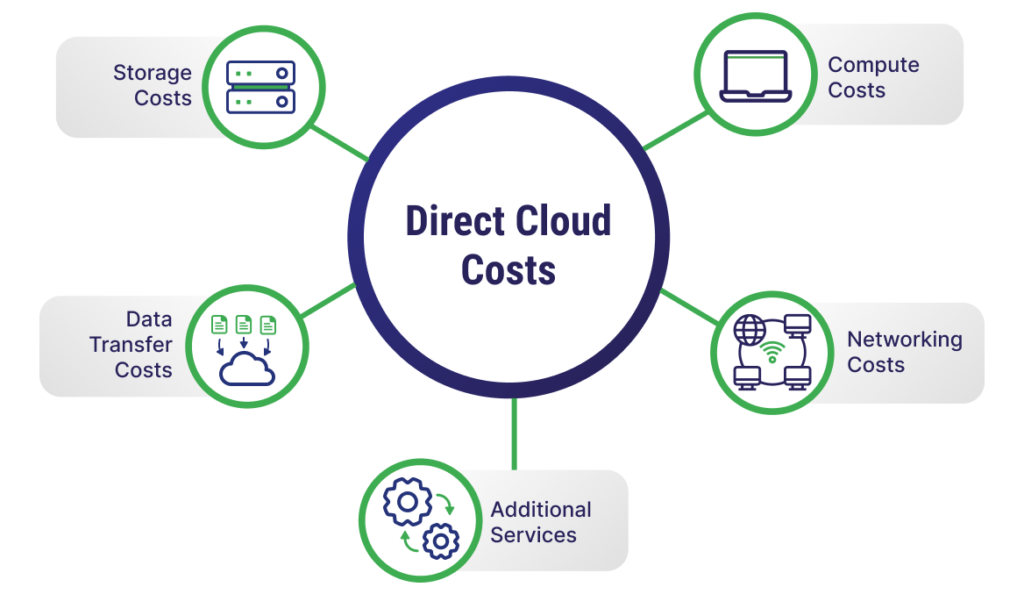
Are you tired of high equipment and maintenance costs eating into your budget? Imagine a technology that can cut those expenses dramatically, freeing up your resources for what really matters.
You might think this sounds too good to be true, but it’s closer to reality than you expect. By discovering which technology can remove direct equipment and maintenance costs, you’ll unlock smarter ways to save money and boost efficiency. Keep reading to find out how you can transform your operations and take control of your spending today.
Credit: www.dispomed.com
Cloud Computing Solutions
Cloud computing solutions eliminate the need to buy and maintain physical equipment. They use internet-based servers to store and manage data. This removes costs tied to hardware, space, and repairs. Businesses gain access to powerful tools without heavy upfront spending.
Cloud platforms offer flexible options to pay only for what you use. This helps control expenses and reduces waste. Many companies save money by shifting from owning to renting technology resources.
Subscription-based Models
Cloud services often work on subscription plans. Users pay a fixed fee monthly or yearly. This fee covers software, updates, and support. There is no need to purchase expensive licenses upfront.
Subscriptions make budgeting easier. Costs become predictable and manageable. Businesses avoid unexpected repair or upgrade expenses. This model suits small and large companies alike.
Scalability Benefits
Cloud computing adjusts easily to business needs. You can increase or decrease resources quickly. This means no wasted capacity or overspending on unused equipment.
Scaling up supports growth without buying new hardware. Scaling down saves money during slow periods. This flexibility helps maintain low maintenance costs over time.
Software As A Service (saas)
Software as a Service (SaaS) offers a powerful way to cut down on direct equipment and maintenance costs. Instead of investing heavily in hardware or software installations, you access applications through the internet. This shift changes how businesses manage their technology expenses and operational workflow.
Eliminating On-site Software
With SaaS, you no longer need to install software on individual computers or servers. This means no more costly hardware upgrades or maintenance to keep software running smoothly. Your software lives in the cloud, so updates and patches happen automatically without your intervention.
Think about the time and money saved when IT teams don’t have to physically manage software installations or troubleshoot local issues. This also reduces downtime and improves productivity since employees always use the latest version of the software.
Have you ever faced unexpected costs from hardware failures or software incompatibility? SaaS removes these worries by handling everything remotely. You pay a subscription fee instead of a lump sum, making budgeting easier and more predictable.
Infrastructure As A Service (iaas)
Infrastructure as a Service (IaaS) offers a powerful way to cut down on direct equipment and maintenance costs by shifting your hardware needs to the cloud. Instead of buying and managing physical servers, you rent virtual resources from a provider. This setup lets you focus on your business without worrying about the upkeep and upgrades of physical machines.
Virtual Servers
Virtual servers are the core of IaaS. They act just like physical servers but run on shared hardware managed by the provider. You can create, resize, or delete these servers instantly based on your needs.
Think about a time when you needed extra computing power quickly. With virtual servers, you get that flexibility without waiting for new equipment to arrive. This means no wasted resources sitting idle or expensive hardware collecting dust.
Cost Efficiency
Paying only for what you use is a big advantage of IaaS. Instead of large upfront investments in servers, you get predictable monthly costs. This can free up your budget for other priorities.
Maintenance is also included. You don’t have to hire a team to fix hardware failures or perform upgrades. This reduces your operational expenses and the headache of managing physical infrastructure.
Have you calculated how much downtime or repairs cost your business annually? Shifting to IaaS often lowers these hidden expenses significantly, making your IT spend more efficient and transparent.
Platform As A Service (paas)
Platform as a Service (PaaS)offers a cloud-based environment where you can develop, run, and manage applications without handling the underlying infrastructure. This technology removes the need to buy and maintain physical servers, storage, and networking equipment. It shifts the focus from hardware to software development, allowing you to save on direct equipment and maintenance costs.
Development Cost Reduction
PaaS provides ready-to-use tools and services, so you don’t have to spend time and money setting up development environments. You can quickly build, test, and deploy applications using pre-configured platforms. This accelerates your project timelines and cuts down on labor costs.
Think about the last time you set up a server or configured a database from scratch. How many hours did that take? With PaaS, those tasks are handled for you, freeing your team to focus on coding and innovation.
- Pay only for what you use—no upfront hardware investments.
- Access scalable resources instantly to match your project needs.
- Benefit from automatic updates and security patches managed by the provider.
These factors directly lower your development expenses and reduce the risk of unexpected maintenance charges. Are you ready to reallocate your budget from equipment upkeep to building better software?
Managed It Services
Managed IT Services help businesses cut direct equipment and maintenance costs. This approach shifts the burden of IT management to specialized providers. Companies no longer need to buy expensive hardware or hire large IT teams. Managed services cover hardware, software, support, and security. This setup offers predictable costs and expert care.
Outsourcing It Management
Outsourcing IT management means handing over tech tasks to experts. These providers handle updates, repairs, and monitoring. They use cloud-based systems, reducing the need for physical equipment. This lowers expenses for buying and maintaining servers or devices. Outsourcing also reduces downtime by fixing issues quickly. It frees your staff from routine IT problems.
Focus On Core Business
Managed IT Services let companies focus on what matters most. Staff can spend time on growth and customer service. No need to worry about software updates or hardware failures. This leads to better productivity and faster problem-solving. Managed services ensure IT runs smoothly without your constant attention.

Credit: infraexam.com
Remote Monitoring And Management (rmm)
Remote Monitoring and Management (RMM) is a technology that helps control IT systems from a distance. It allows businesses to manage equipment without being physically present. This reduces direct equipment costs and maintenance expenses. RMM tools provide constant oversight of devices and networks. They quickly identify and solve issues before they cause bigger problems.
Proactive System Monitoring
RMM continuously checks all system components. It tracks performance, detects faults, and alerts teams early. This stops failures and reduces downtime. Automatic updates and patches are applied without manual work. Proactive monitoring extends hardware life and lowers repair costs.
Virtual Desktop Infrastructure (vdi)
Virtual Desktop Infrastructure (VDI) offers a smart way to cut down direct equipment and maintenance costs. Instead of relying on traditional desktops, VDI lets you run virtual desktops from a central server. This setup reduces the need for powerful local machines and simplifies IT management.
Desktop Virtualization
Desktop virtualization means your desktop environment runs on a remote server, not on your physical computer. This approach allows you to use thin clients or older PCs without losing performance.
Think about a company that replaced all its laptops with basic terminals. The IT team noticed fewer hardware failures and spent less time fixing machines. This directly lowers maintenance expenses and equipment replacement costs.
With desktop virtualization, software updates and security patches are applied centrally. You won’t have to visit each device for upgrades, saving you both time and money.
Remote Access Capabilities
VDI lets you access your desktop from anywhere with an internet connection. This flexibility means you don’t need to invest in multiple devices or high-end laptops for remote employees.
Imagine working from a café or at home without carrying bulky equipment. Your virtual desktop stays consistent, secure, and fully functional.
Remote access also cuts down on the need for on-site IT support. Issues can often be resolved remotely, reducing travel and labor costs.

Credit: infraexam.com
Edge Computing
Edge computing is transforming how businesses manage their technology costs. By processing data closer to the source, it reduces reliance on expensive centralized equipment and lowers ongoing maintenance expenses. This shift helps you save money while improving system efficiency and speed.
Localized Processing Power
Edge computing places computing resources near where data is created—like on devices or local servers. This setup cuts down the need for large, costly data centers and constant data transfers to the cloud.
Imagine your security cameras analyzing footage locally instead of sending everything to a remote server. This reduces bandwidth use and speeds up response times.
By handling data on-site, you avoid the high costs of maintaining bulky, centralized hardware. Plus, it reduces downtime because local systems are easier to service and upgrade.
Have you considered how much your current setup spends on equipment and maintenance? Moving to edge computing could free up your budget for other critical investments.
5g Technology
5G technology is changing how businesses manage equipment and maintenance costs. It offers faster and more reliable wireless connections. This reduces the need for costly physical devices and complex upkeep.
With 5G, companies can use smart devices and sensors that communicate instantly. This lowers the need to maintain expensive hardware. It also cuts down downtime and repair expenses.
Reduced Latency
5G provides extremely low latency, often less than 10 milliseconds. This means data travels almost instantly between devices. Fast response times reduce delays in equipment operation.
Lower latency helps in remote monitoring and control. It prevents costly failures by alerting teams quickly. This reduces the need for frequent manual inspections and repairs.
Enhanced Connectivity
5G supports many devices connected at once without slowing down. It allows seamless communication across a wide area. This cuts costs by reducing the number of physical connections required.
Better connectivity improves data collection from equipment. Businesses can analyze performance remotely and fix issues early. This minimizes maintenance efforts and saves money on equipment replacements.
Frequently Asked Questions
What Technology Reduces Direct Equipment Costs Effectively?
Cloud computing technology removes direct equipment costs by eliminating the need for physical hardware. It offers scalable virtual resources, reducing upfront capital expenses and maintenance fees. Businesses pay only for what they use, making it cost-efficient and flexible for various operational needs.
How Does Technology Lower Maintenance Expenses?
Cloud services and Software as a Service (SaaS) reduce maintenance costs by handling updates and repairs remotely. This eliminates on-site maintenance staff and hardware servicing. Automated management ensures systems stay updated, cutting downtime and reducing overall maintenance expenses significantly.
Can Automation Technology Cut Equipment And Maintenance Costs?
Yes, automation technology streamlines operations, reducing reliance on manual equipment and maintenance labor. It optimizes resource usage and prevents equipment wear through predictive maintenance. This leads to fewer repairs and lower equipment replacement costs, enhancing overall efficiency.
Why Is Cloud Computing Preferred For Cost Savings?
Cloud computing removes the need for owning and maintaining physical equipment. It offers pay-as-you-go pricing, reducing capital expenditure. Maintenance is managed by the cloud provider, lowering operational costs. This makes cloud computing an ideal solution for cost reduction.
Conclusion
This technology cuts direct equipment and maintenance costs significantly. It lowers expenses by reducing the need for physical parts. Businesses save money on repairs and replacements. It also improves efficiency and reduces downtime. Choosing this technology means fewer worries about equipment failures.
It supports smoother operations and better budgeting. Overall, it offers a smart way to manage costs. Simple, effective, and reliable. A solid choice for cost-conscious companies.
Leave a Reply