
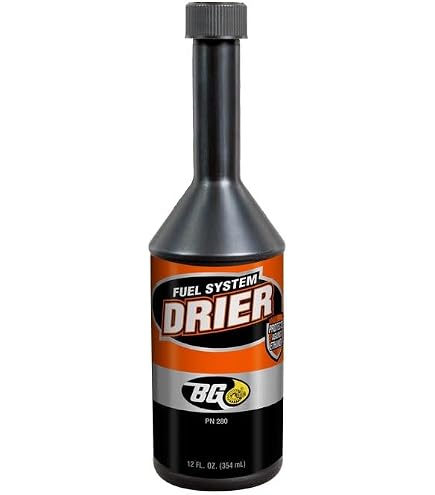
Are you looking to keep your vehicle running smoothly while using ethanol fuel? Understanding what an Ethanol Fuel System Maintenance Kit is can save you time, money, and hassle.
This simple kit helps protect your engine from damage caused by ethanol’s unique properties. If you want to avoid costly repairs and boost your car’s performance, learning about this maintenance tool is a smart move. Keep reading to discover exactly what it is, why you need it, and how it can make a real difference for your vehicle.
Credit: www.amazon.com
Ethanol Fuel System Basics
Ethanol fuel systems power many vehicles today. These systems need special care to run well. Ethanol fuel can cause different effects than regular gasoline. Knowing the basics helps with proper maintenance. This section explains key points about ethanol fuel systems.
Ethanol Fuel Composition
Ethanol fuel contains a mix of ethanol and gasoline. Common blends include E10 and E85. Ethanol is made from plants like corn or sugarcane. It burns cleaner than pure gasoline. But ethanol attracts water and can cause corrosion.
How Ethanol Fuel Systems Work
These systems deliver ethanol-blended fuel to the engine. The fuel injectors spray fuel into the engine’s combustion chamber. Ethanol needs a different air-fuel ratio than gasoline. The system adjusts to keep the engine running smoothly.
Common Challenges With Ethanol Fuel
- Water absorption can lead to fuel separation.
- Corrosion may damage metal parts in the fuel system.
- Vapor lock can occur in hot conditions.
- Fuel filters can clog faster than with gasoline.
Importance Of Regular Maintenance
Regular checks keep the fuel system clean and efficient. Maintenance prevents damage from ethanol’s unique properties. Using a fuel system maintenance kit helps protect parts. It improves engine performance and extends fuel system life.
Credit: www.alkydigger.net
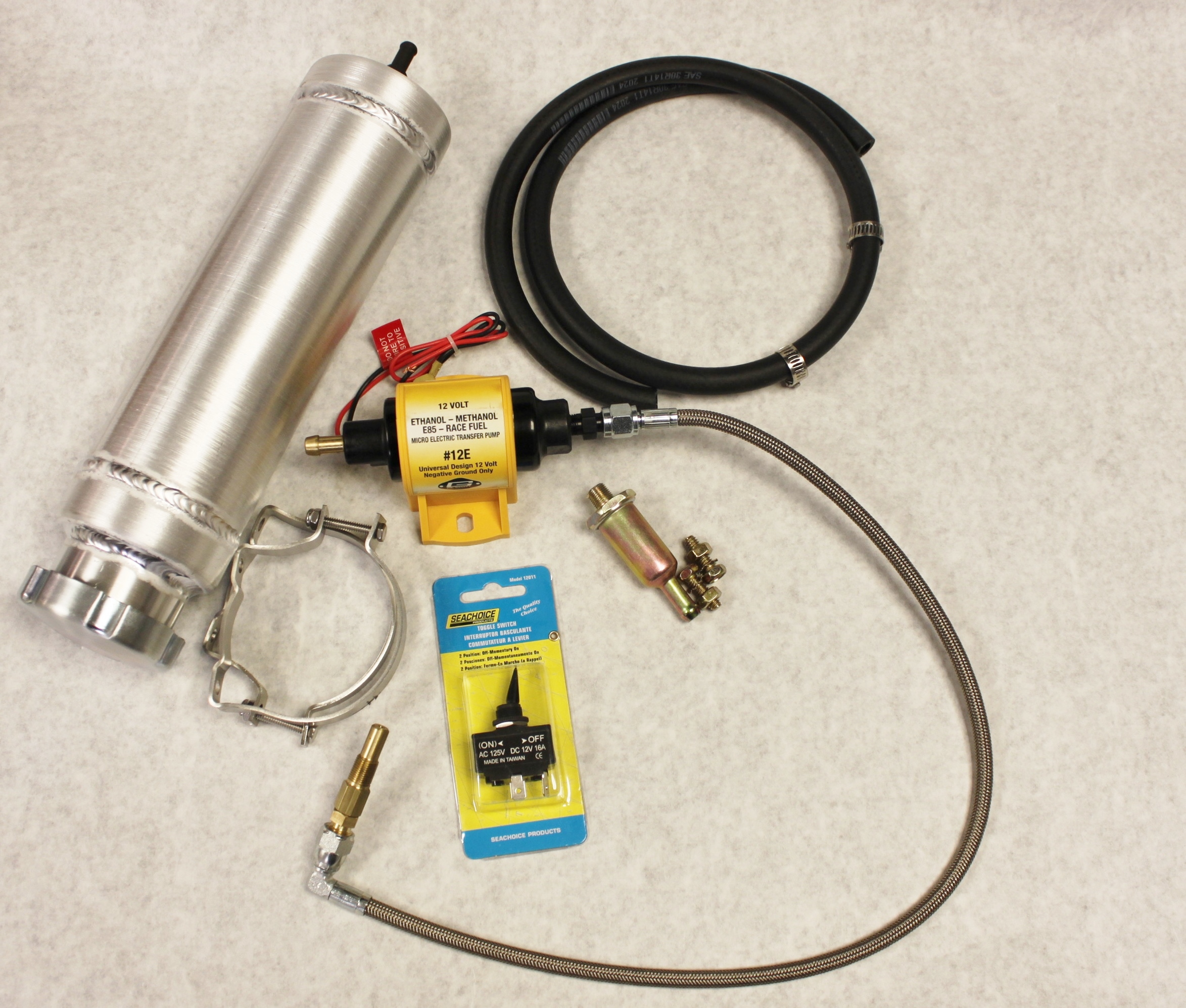
Components Of An Ethanol Fuel System
An ethanol fuel system has several key parts. Each part plays a role in making the engine run smoothly on ethanol fuel. Understanding these components helps with proper maintenance and care.
The system works by delivering ethanol fuel from the tank to the engine efficiently. It also protects the engine from damage caused by ethanol’s chemical properties. Regular checks keep these parts in good shape.
Fuel Tank
The fuel tank stores ethanol fuel safely. It must resist corrosion because ethanol can damage some materials. Tanks designed for ethanol prevent leaks and contamination.
Fuel Pump
The fuel pump moves ethanol from the tank to the engine. It needs to handle ethanol’s different flow and pressure requirements. A strong pump ensures steady fuel delivery.
Fuel Lines
Fuel lines carry ethanol fuel through the system. They must be made from materials that resist ethanol’s chemical effects. Proper fuel lines prevent leaks and blockages.
Fuel Injectors
Fuel injectors spray ethanol into the engine’s combustion chamber. They must deliver the right amount of fuel for good engine performance. Clean injectors improve fuel efficiency.
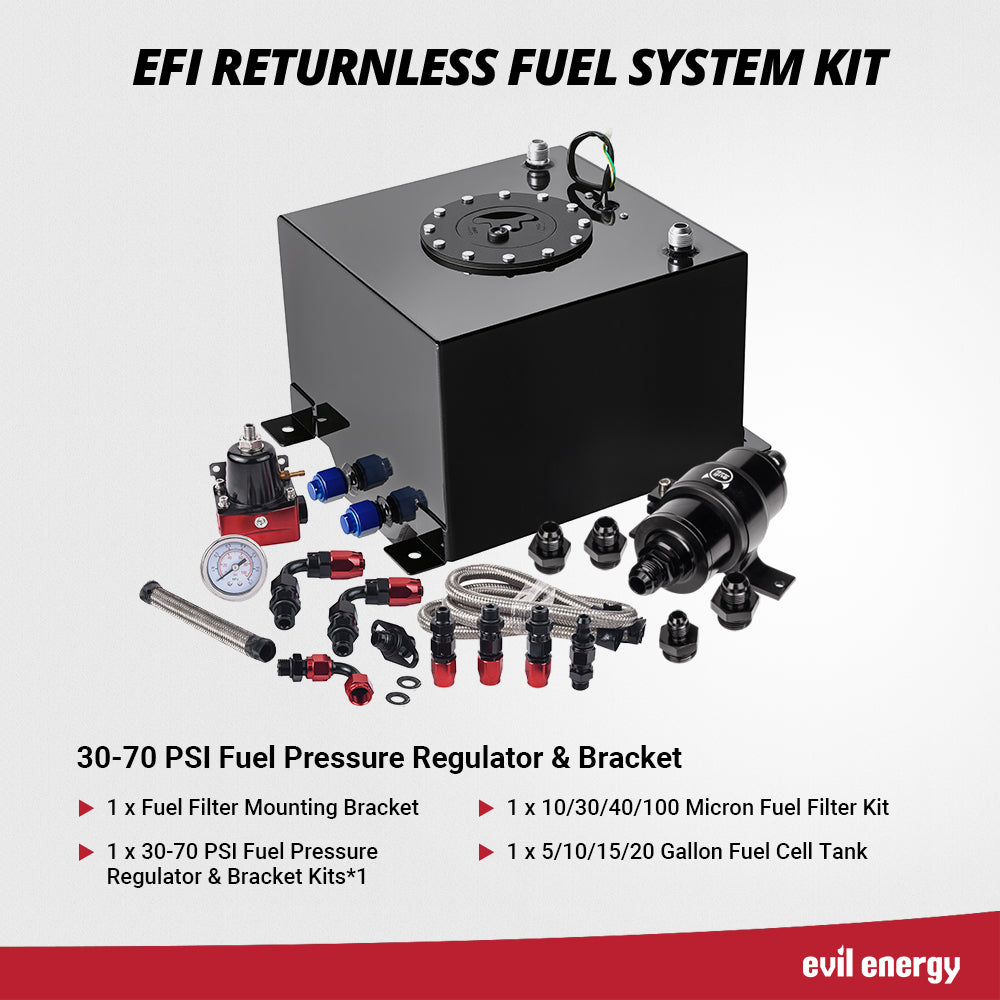
Fuel Filter
The fuel filter traps dirt and rust from the ethanol fuel. It protects the engine from harmful particles. A clean filter helps maintain smooth engine operation.
Fuel Pressure Regulator
This part keeps fuel pressure steady in the system. It ensures the engine gets the correct fuel amount. A good regulator prevents engine stalling and poor performance.
Importance Of Maintenance Kits
Maintenance kits for ethanol fuel systems are not just handy tools; they are essential for keeping your vehicle running smoothly. Ethanol fuels can be tough on engines and fuel components, causing wear and buildup that reduce efficiency over time. Without regular care, you risk costly repairs and poor performance.
Have you ever noticed your engine sputtering or losing power after switching to ethanol fuel? That’s often a sign that your fuel system needs attention. A proper maintenance kit helps you catch these issues early, saving you time and money.
Protecting Your Engine From Corrosion And Deposits
Ethanol attracts moisture, which can lead to rust and corrosion inside your fuel system. Maintenance kits typically include additives and cleaning tools that prevent this damage. By using these kits, you maintain cleaner fuel injectors and tanks, extending your engine’s life.
Improving Fuel Efficiency And Performance
Dirty fuel systems reduce the efficiency of your engine, causing higher fuel consumption. Maintenance kits help remove varnish, gum, and other deposits that clog fuel lines. This cleaning keeps your engine running efficiently and can even improve your mileage.
Saving Money On Repairs And Fuel Costs
Ignoring ethanol fuel system maintenance can lead to expensive repairs like replacing fuel pumps or injectors. Using a maintenance kit regularly helps you avoid these costs by catching problems early. Plus, better fuel efficiency means you spend less at the pump.
Easy To Use And Cost-effective Solution
Many maintenance kits come with clear instructions and all the necessary tools. You don’t need to be a mechanic to perform basic upkeep, making it a practical choice for any vehicle owner. Investing in a kit is a small price to pay for long-term savings and peace of mind.
Key Features Of Maintenance Kits
Understanding the key features of ethanol fuel system maintenance kits can help you keep your engine running smoothly and efficiently. These kits are designed to tackle common issues caused by ethanol fuel, such as corrosion, deposits, and wear. Knowing what each component does lets you choose the right kit for your vehicle and maintenance needs.
Cleaning Solutions
Cleaning solutions in maintenance kits are specially formulated to remove varnish, gum, and carbon deposits that ethanol fuel can leave behind. These cleaners help restore fuel injectors and intake valves to their original condition, improving engine performance and fuel efficiency.
Have you noticed your engine running rough or losing power? It might be time to use a cleaning solution to clear out hidden buildup before it causes bigger problems.
Replacement Parts
Replacement parts often include fuel filters, seals, and gaskets designed to withstand ethanol’s corrosive effects. Using these parts prevents leaks and blockages that can lead to engine damage or stalling.
Investing in high-quality replacements now can save you costly repairs later. What parts in your fuel system have you checked recently?
Lubrication Products
Lubrication products in the kit protect fuel system components from friction and wear. These lubricants ensure smooth operation of fuel pumps and injectors, extending their lifespan even when using ethanol blends.
Have you thought about how lubrication affects your fuel system’s durability? Adding this step might be the difference between frequent repairs and long-lasting performance.
Choosing The Right Kit
Choosing the right ethanol fuel system maintenance kit is essential for vehicle care. The right kit ensures your engine runs smoothly and lasts longer. Several factors influence the best choice for your vehicle and needs.
Compatibility With Vehicle
Check if the kit matches your vehicle’s make and model. Not all kits fit every engine type. Using a compatible kit prevents damage and improves performance. Look for kits designed specifically for ethanol fuel systems.
Quality Of Components
High-quality parts enhance durability and effectiveness. Poor quality components may wear out quickly or fail. Choose kits with trusted brands and positive user reviews. Quality kits often include cleaners, seals, and additives that work well together.
Cost Considerations
Compare prices but focus on value over the lowest price. Cheap kits might lack essential parts or contain low-quality items. Investing a bit more can save money on repairs later. Consider what the kit offers for the price, including warranty and support.
Steps For Using A Maintenance Kit
Using an ethanol fuel system maintenance kit correctly is key to keeping your engine running smoothly and efficiently. Each step matters—from getting ready to testing after reassembly. Let’s walk through the process so you feel confident handling the kit yourself.
Preparation And Safety
Before you start, make sure your workspace is well-ventilated and free from sparks or open flames. Ethanol fuel can be flammable, so safety goggles and gloves are a must. Gather all the tools and components from your maintenance kit to avoid interruptions once you begin.
Have you checked the vehicle’s manual for any specific warnings or recommendations about ethanol fuel systems? That quick read can save you from costly mistakes.
Disassembly And Inspection
Carefully remove fuel system parts like filters, injectors, or lines as instructed by your kit’s guide. Lay everything out neatly so you don’t lose small pieces. Inspect each component for signs of wear, corrosion, or clogging—ethanol can sometimes cause these issues.
Spotting even minor damage here can prevent bigger engine problems later. Don’t rush; thoroughness now pays off.
Cleaning And Replacement
Use the cleaning solutions and tools in your kit to remove deposits and buildup from components. Soak or scrub parts as recommended, but avoid harsh chemicals that might damage seals or plastic. Replace any filters, gaskets, or worn parts included in the kit for optimal performance.
Think about the last time you ignored a clogged filter—did your engine hesitate or stall? Cleaning and fresh parts can eliminate those hiccups.
Reassembly And Testing
Put all parts back together carefully, ensuring seals and fittings are tight to prevent leaks. Double-check your work against the kit’s instructions before starting the engine. Run the vehicle and observe its response—listen for unusual sounds and watch for leaks or warning lights.
Have you noticed smoother acceleration or quieter running after maintenance? That’s your engine thanking you for the care.
Common Issues And Troubleshooting
Maintaining your ethanol fuel system is key to keeping your vehicle running smoothly. Common issues can arise, but knowing how to identify and troubleshoot them saves you time and money. Let’s look at some typical problems you might face and practical ways to fix them.
Fuel System Leaks
Fuel leaks are a serious concern and often the first sign that your ethanol fuel system needs attention. You might notice a strong smell of fuel or visible wet spots around your fuel lines or tank. These leaks often happen because ethanol can degrade rubber and plastic components over time.
Check your fuel hoses and connections regularly for cracks or brittleness. Replacing worn-out parts with ethanol-compatible materials can prevent leaks. If you spot a leak, avoid driving the vehicle until it’s fixed—fuel leaks are a fire hazard.
Engine Performance Problems
If your engine starts to misfire, hesitate, or stall, it could be struggling with ethanol fuel delivery. Ethanol attracts moisture, which can cause corrosion and clog fuel injectors or filters. This reduces the fuel flow and affects engine performance.
Use the ethanol fuel system maintenance kit to clean injectors and replace filters. Pay attention to symptoms like rough idling or slow acceleration—they often point to fuel system issues. Regular maintenance keeps your engine responsive and efficient.
Fuel Odor Issues
Noticing a persistent fuel smell around your vehicle can indicate vapor leaks or improper sealing in the fuel system. Ethanol’s strong odor makes these issues more noticeable than with regular gasoline. Such leaks not only waste fuel but can also cause environmental harm.
Inspect your fuel cap and vapor lines for tight seals. Replacing worn gaskets and using components designed for ethanol fuel helps contain odors. Have you checked your fuel system’s seals lately?
Tips For Prolonging Fuel System Life
Maintaining the ethanol fuel system properly helps extend its life and performance. Simple care steps reduce wear and avoid costly repairs. Following best practices ensures your system works smoothly for years.
Regular Maintenance Schedule
Set a consistent routine to check and clean the fuel system. Replace filters and inspect hoses often. Clean injectors and fuel lines to prevent buildup. Keeping up with maintenance avoids blockages and corrosion.
Quality Fuel Selection
Choose fuel with the right ethanol blend recommended by the manufacturer. Avoid fuels with too much water or impurities. High-quality fuel burns cleaner and reduces deposits. This protects the fuel pump and injectors from damage.
Storage Precautions
Store fuel in a cool, dry place away from sunlight. Use fuel stabilizers to prevent ethanol from absorbing moisture. Drain or treat fuel before long storage periods. Proper storage keeps fuel fresh and prevents corrosion in the system.
Credit: www.ievilenergy.com
Frequently Asked Questions
What Is An Ethanol Fuel System Maintenance Kit?
An ethanol fuel system maintenance kit is a set of tools and additives. It helps clean and protect fuel systems using ethanol-blended fuels. The kit prevents corrosion, removes deposits, and improves engine performance.
Why Do Ethanol Fuel Systems Need Maintenance?
Ethanol absorbs moisture and can cause corrosion in fuel systems. Maintenance prevents rust, clogs, and damage. Regular care extends engine life and ensures efficient fuel combustion.
What Components Are Included In The Maintenance Kit?
The kit usually includes fuel additives, cleaners, and corrosion inhibitors. Some kits also have replacement filters and seals. These parts work together to maintain fuel system health.
How Often Should I Use The Maintenance Kit?
Usage depends on driving frequency and fuel type. Generally, use the kit every 3,000 to 5,000 miles. Follow manufacturer instructions for best results.
Conclusion
Ethanol fuel system maintenance kits help keep engines running smoothly. They protect parts from damage caused by ethanol fuel. Regular use prevents clogging and corrosion in the fuel system. This saves money on repairs and improves vehicle performance. Easy to use and affordable, these kits suit many drivers.
Taking care of your fuel system means fewer problems later. A small effort today avoids big issues tomorrow. Choose a maintenance kit that fits your vehicle’s needs well. Keep your engine healthy and running strong with proper care.
Leave a Reply