
Have you ever faced unexpected breakdowns that stopped your work and drained your budget? What if you could avoid those surprises and keep everything running smoothly?
That’s exactly where preventive maintenance systems come in. These systems are designed to help you catch problems before they happen, saving you time, money, and stress. If you want to learn how to protect your equipment, boost efficiency, and reduce downtime, keep reading.
This article will show you what preventive maintenance systems are and why they might be the game-changer you’ve been looking for.

Credit: www.checkproof.com
Preventive Maintenance Basics
Understanding the basics of preventive maintenance systems is key to keeping your equipment running smoothly and avoiding costly breakdowns. These systems focus on routine checks and timely repairs before problems become serious. You might wonder how a simple schedule can save time and money, but the benefits quickly become clear once you see fewer emergency repairs.
What Is Preventive Maintenance?
Preventive maintenance means performing regular inspections and servicing on your equipment to prevent unexpected failures. Instead of waiting for something to break, you act early to fix small issues. This proactive approach extends the life of your machinery and reduces downtime.
Common Preventive Maintenance Tasks
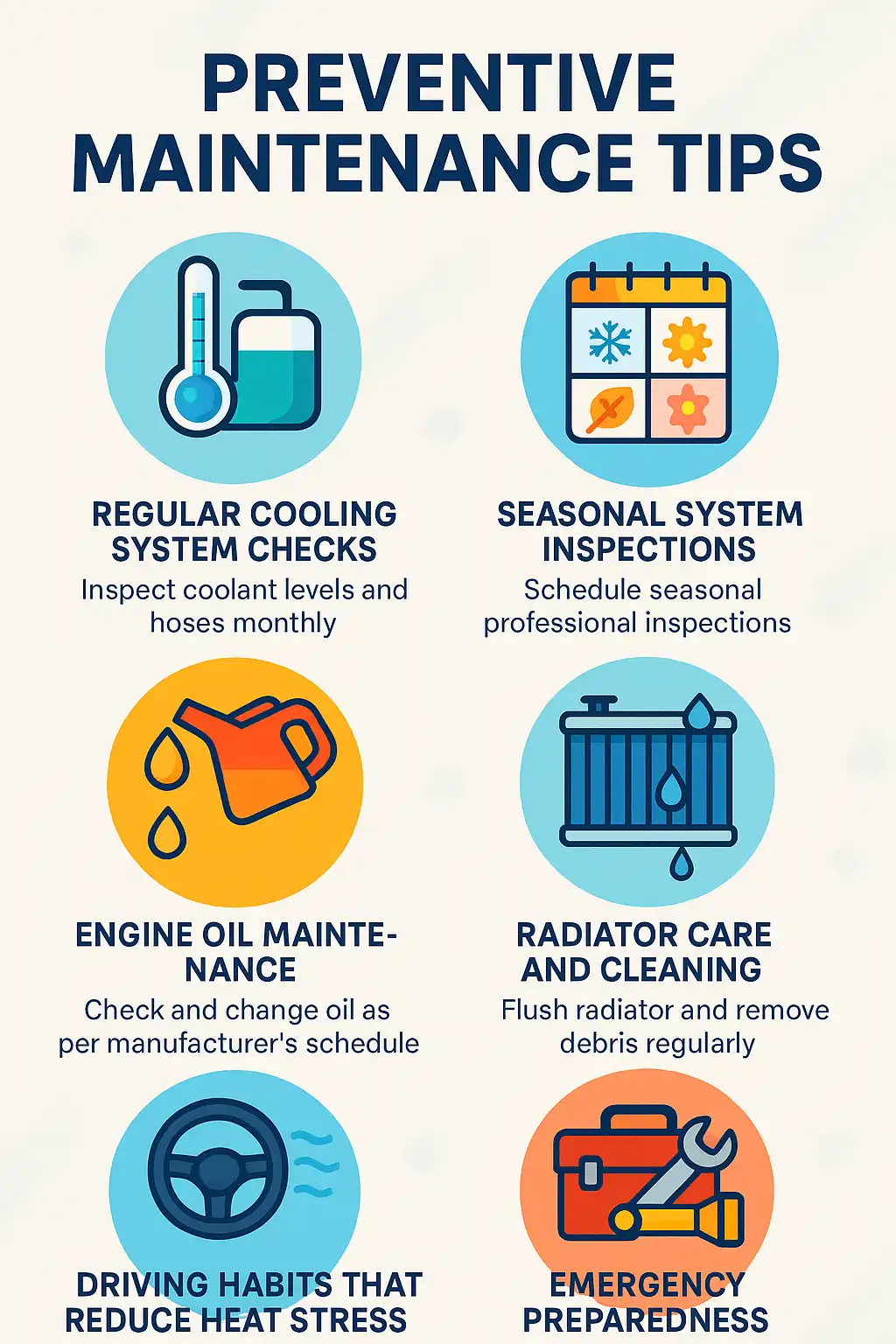
- Lubricating moving parts to reduce wear and tear
- Cleaning filters and vents to ensure proper airflow
- Checking belts, hoses, and connections for signs of damage
- Replacing worn-out components before they cause bigger problems
- Calibrating equipment to maintain accuracy and efficiency
Have you ever noticed how a well-maintained car runs smoother and lasts longer? The same principle applies to all equipment.
Why Preventive Maintenance Matters
Ignoring small signs of wear can lead to sudden failures that disrupt your work. Preventive maintenance helps you avoid costly repairs and lost productivity. It also improves safety by catching potential hazards early.
How To Implement A Preventive Maintenance System
Start by creating a checklist tailored to your equipment’s needs. Schedule regular maintenance intervals based on manufacturer recommendations or your own observations. Keep detailed records of all maintenance activities to spot patterns and improve your process over time.
Credit: brianstireandservice.com
Key Components Of Preventive Maintenance
Preventive maintenance relies on several key components to keep equipment running smoothly. These parts work together to prevent breakdowns and extend machine life.
Understanding these components helps create a strong maintenance plan. Each element plays a specific role in reducing downtime and improving efficiency.
Maintenance Schedule
A maintenance schedule sets regular times for inspections and repairs. It ensures tasks happen before problems start. This schedule is based on equipment type, usage, and manufacturer advice.
Inspection Procedures
Inspections check the condition of machines and parts. They help spot wear and tear early. Clear steps guide what to look for and how to record findings.
Maintenance Tasks
Tasks include cleaning, lubricating, adjusting, and replacing parts. Following these tasks prevents damage and keeps equipment in good shape. Each task has detailed instructions for safe and effective work.
Record Keeping
Records track all maintenance activities and results. This data helps find patterns and plan future work. Good records improve decision-making and compliance with safety rules.
Training And Skills
Skilled workers perform maintenance properly. Training ensures they know how to use tools and follow procedures. Regular updates keep their knowledge current.
Benefits Of Implementing Preventive Maintenance
Implementing a preventive maintenance system can transform how you manage your equipment and assets. It’s not just about fixing things before they break; it’s about creating a smoother workflow and saving resources in the long run. Have you ever wondered how much downtime costs your business daily? Preventive maintenance helps reduce those unexpected halts, keeping your operations steady and reliable.
Improved Equipment Reliability And Longevity
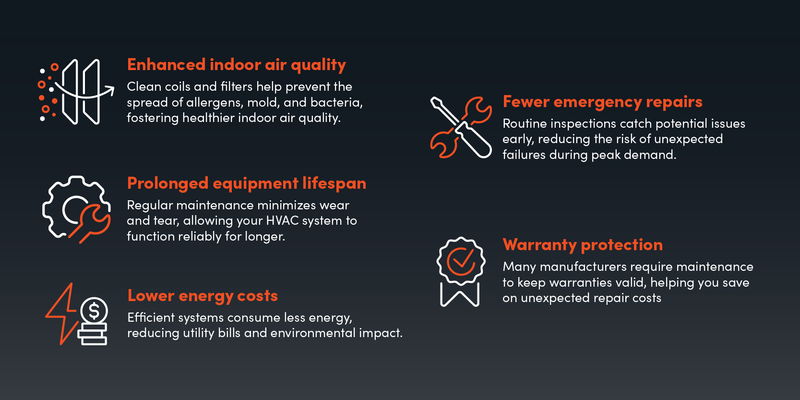
Regular check-ups and timely repairs help your machines run more reliably. You avoid sudden breakdowns that can halt your entire operation. Over time, this routine care extends the life of your equipment, meaning you replace parts less often and save money.
Cost Savings Through Reduced Repairs
Fixing a small issue early is much cheaper than repairing a major failure. Preventive maintenance catches problems before they escalate. This approach lowers emergency repair costs and minimizes the need for expensive replacement parts.
Increased Safety For Workers
Your team’s safety improves when machines are well maintained and less likely to malfunction. Preventive checks identify potential hazards before they cause accidents. This creates a safer working environment and reduces liability risks.
Enhanced Operational Efficiency
When your equipment is in good shape, your workflow stays consistent. Preventive maintenance reduces unplanned downtime, so you meet deadlines more easily. It also helps your team plan their tasks better without sudden interruptions.
Better Budget Management
With scheduled maintenance, you can predict maintenance costs more accurately. This makes budgeting simpler and avoids surprise expenses. You gain control over your spending and allocate funds more wisely.
Types Of Preventive Maintenance
Preventive maintenance systems come in different types, each designed to keep your equipment running smoothly and avoid unexpected breakdowns. Understanding these types helps you choose the right approach for your needs and resources. Let’s look at the main categories of preventive maintenance and how they work.
Time-based Maintenance
Time-based maintenance schedules tasks at fixed intervals, like every week or month, regardless of how much the equipment is used. This method is simple and easy to plan, making it common in many industries.
However, it might lead to unnecessary maintenance or missed issues if the timing doesn’t match actual wear and tear. Have you ever replaced a part too early just to stay safe? That’s time-based maintenance in action.
Usage-based Maintenance
Usage-based maintenance triggers service based on how much the equipment has been used, such as hours of operation or miles driven. This approach feels more logical because it responds to actual workload rather than just the calendar.
It’s a practical way to extend the life of parts and avoid waste, especially in machines with variable usage. Think about your car’s oil change: it’s often recommended after a certain number of miles, not just a date on the calendar.
Condition-based Maintenance
Condition-based maintenance relies on real-time data from sensors or inspections to decide when maintenance is needed. It’s highly efficient because it fixes problems only when signs of wear appear.
Using this type requires investment in monitoring tools but can save you money by preventing breakdowns before they happen. What if your equipment could tell you exactly when it needs care? That’s the power of condition-based maintenance.
Choosing The Right Preventive Maintenance Software
Choosing the right preventive maintenance software can transform how you manage equipment and reduce downtime. The right tool will fit your needs without overwhelming you with unnecessary features. It’s about finding a balance between functionality and ease of use that matches your team’s workflow.
Assessing Your Maintenance Needs
Start by listing what you need from the software. Are you managing many machines or just a few? Do you need detailed reporting or simple reminders?
Think about your team’s skill level too. A complex system might slow you down if your staff isn’t tech-savvy. Choose software that fits the size and skill set of your maintenance crew to ensure smooth adoption.
Evaluating Software Features
Look for features that directly solve your pain points. For example, automatic scheduling helps you stay ahead of maintenance tasks without manual tracking. Mobile access is crucial if your team works across different locations.
Some software offers asset tracking, inventory management, and real-time notifications. Prioritize the features that will save you time and prevent costly breakdowns.
Considering Integration And Scalability
Will the software work with your existing systems like ERP or inventory management? Integration can save you from duplicating data entry and reduce errors.
Also, think about the future. Choose software that can grow with your business. If you plan to add more equipment or expand your team, the system should handle that without needing a complete overhaul.
Checking User Experience And Support
Good software should be intuitive. If your team struggles to use it, maintenance tasks might get delayed or missed. Look for demos or trial versions to test usability before committing.
Support matters too. Will you get timely help when you encounter issues? Reliable customer service can prevent small problems from turning into big headaches.
Cost Vs. Value Analysis
Don’t just focus on upfront costs. Consider the value the software brings in terms of reduced downtime and extended equipment life. Sometimes paying a bit more can save a lot in the long run.
Calculate potential savings from fewer breakdowns and labor hours spent on emergency fixes. This will help you justify the investment and choose a system that truly pays off.
Steps To Develop A Preventive Maintenance Plan
Developing a preventive maintenance plan is essential to keep your equipment running smoothly and avoid costly breakdowns. The process involves clear organization, timely scheduling, and proper training. Let’s break down the key steps you need to take to create a plan that actually works for your assets.
Asset Inventory Management
Start by listing all your equipment and assets. Knowing exactly what you have makes it easier to track maintenance needs.
Include details like model numbers, purchase dates, and maintenance history. This helps you prioritize which assets need attention first.
Have you ever missed maintenance because you didn’t know a machine was even there? Keeping an updated inventory prevents that problem entirely.
Scheduling Maintenance Tasks
Set a regular schedule for each asset based on manufacturer recommendations and past experience.
Use a calendar or maintenance software to remind you of upcoming tasks. Consistency is key to preventing unexpected failures.
Don’t forget to plan for seasonal tasks or less frequent inspections. How often do you review your schedule to make sure it still fits your operations?
Training And Documentation
Train your team on the maintenance procedures and safety protocols specific to your equipment.
Keep detailed records of every maintenance task performed. This documentation helps track trends and identify recurring issues.
Providing clear instructions and checklists can reduce errors. Have you noticed how well-trained staff can catch problems before they escalate?
Challenges In Preventive Maintenance
Preventive maintenance systems aim to keep equipment running smoothly and avoid unexpected breakdowns. But managing these systems is not always straightforward. You might face several challenges that can make preventive maintenance less effective or even costly.
Balancing Maintenance Frequency And Costs
One tough challenge is deciding how often to perform maintenance. If you check or replace parts too often, costs skyrocket without much benefit. Waiting too long, on the other hand, risks equipment failure and expensive downtime.
Finding the right balance requires data and experience. Have you ever felt like your team spends too much time fixing things that didn’t really need fixing? That’s a sign the schedule might need adjustment.
Keeping Track Of Maintenance Tasks
Preventive maintenance involves many tasks across different machines and locations. Without a clear system, it’s easy to miss or duplicate work. This can lead to confusion and wasted resources.
Using digital tools or checklists can help you stay organized. But even with tools, you need to ensure your team follows the plan consistently. What systems do you have in place to track maintenance activities?
Dealing With Unpredictable Equipment Behavior
Not all machines behave the same way, even if they’re the same model. Some parts wear out faster due to how they’re used or environmental factors. This unpredictability can make standard schedules ineffective.
Adjusting maintenance plans based on real-time data or operator feedback can improve outcomes. Have you noticed some machines needing more attention than others? Tailoring your approach might save you time and money.
Training And Skill Gaps Among Staff
Effective preventive maintenance depends on skilled workers who understand the equipment and procedures. If your team lacks proper training, maintenance might be done incorrectly or skipped altogether.
Investing in training programs can improve maintenance quality and reduce errors. What training does your team receive, and how often is it updated?
Integrating New Technologies
Modern preventive maintenance often uses sensors, software, and automation. But integrating these technologies with existing systems can be complex and expensive. Resistance from staff who prefer old methods can also slow down progress.
Careful planning and clear communication help ease this transition. Are you ready to embrace new tools that could make preventive maintenance easier and more effective?
Future Trends In Preventive Maintenance
Preventive maintenance systems are evolving rapidly, driven by new technologies and changing operational needs. Understanding the future trends in this field can help you stay ahead and optimize your maintenance strategy. These trends focus on making maintenance smarter, faster, and more cost-effective.
Integration Of Artificial Intelligence And Machine Learning
AI and machine learning are transforming how preventive maintenance works. These technologies analyze vast amounts of data to predict failures before they happen.
Imagine your equipment sending alerts about potential issues based on patterns only AI can detect. This means you can schedule maintenance exactly when needed, reducing downtime and saving money.
Rise Of Iot-enabled Smart Sensors
Smart sensors connected to the Internet of Things (IoT) are becoming standard in preventive maintenance systems. They continuously monitor the health of machinery in real-time.
With sensors tracking temperature, vibration, or pressure, you get immediate feedback on equipment condition. This instant insight helps you act quickly, preventing small problems from becoming costly repairs.
Cloud-based Maintenance Management
Cloud platforms allow you to manage maintenance data from anywhere. This flexibility means your team can access reports and schedules on the go.
Cloud-based systems also improve collaboration between different departments. They keep everyone updated and aligned, making your maintenance process more efficient.
Increased Focus On Sustainability
Sustainability is becoming a key part of preventive maintenance strategies. Efficient maintenance reduces waste and energy use, aligning with environmental goals.
By extending the life of equipment and using resources wisely, you contribute to a greener operation. Have you considered how your maintenance choices impact your company’s carbon footprint?
Use Of Augmented Reality (ar) And Virtual Reality (vr)
AR and VR offer new ways to train technicians and perform maintenance. These technologies provide interactive, hands-on experiences without risking actual equipment.
Technicians can visualize complex repairs or follow step-by-step guides in real-time. This reduces errors and speeds up maintenance tasks, saving both time and money.
Case Studies Of Successful Preventive Maintenance
Case studies show how preventive maintenance systems can transform operations, saving time and money while boosting equipment reliability. These real-world examples help you understand the practical benefits and challenges of implementing such systems. Reading about successes might inspire you to rethink how you maintain your own assets.
Automotive Manufacturing Plant Cuts Downtime By 40%
A major automotive plant introduced a preventive maintenance schedule for its assembly line machines. By regularly inspecting and servicing equipment before failures, they reduced unexpected breakdowns dramatically. This change improved production flow and lowered repair costs.
The plant used software to track maintenance tasks and set reminders. This helped maintenance teams stay on top of their work without relying on memory. Could a similar system help you avoid last-minute rushes and costly fixes?
Food Processing Facility Enhances Equipment Lifespan
A food processing company faced frequent shutdowns due to equipment wear and tear. They implemented a preventive maintenance program focusing on lubrication, cleaning, and part replacements. Over two years, they saw a 25% increase in equipment lifespan.
Regular maintenance also ensured compliance with health and safety standards, preventing costly fines. This shows how preventive care not only saves money but also supports regulatory needs. What small maintenance steps could extend your equipment’s life?
Energy Sector Uses Predictive Analytics To Prevent Failures
An energy company combined preventive maintenance with predictive analytics to monitor turbine performance. Sensors detected early warning signs of wear, allowing timely interventions before failures occurred. This approach reduced emergency repairs and improved energy output.
The investment in technology paid off by minimizing downtime and maintenance costs. It highlights how data can make preventive maintenance smarter and more effective. Are you leveraging data to keep your operations running smoothly?
Credit: southlandind.com
Frequently Asked Questions
What Is A Preventive Maintenance System?
A preventive maintenance system schedules regular equipment checks. It aims to prevent failures and reduce downtime. This system improves asset reliability and extends machinery life. It is cost-effective compared to reactive repairs.
How Does Preventive Maintenance Improve Equipment Lifespan?
Preventive maintenance detects issues early before they escalate. Regular servicing keeps machines running efficiently. It reduces wear and tear by timely lubrication and adjustments. This proactive care significantly extends equipment lifespan.
What Are Key Components Of Preventive Maintenance Systems?
Key components include inspection schedules, maintenance checklists, and tracking software. They help organize tasks and ensure timely repairs. Data recording enables trend analysis and better decision-making. These components ensure maintenance consistency and effectiveness.
Why Is Preventive Maintenance Important For Businesses?
Preventive maintenance minimizes unexpected breakdowns and costly repairs. It boosts operational efficiency and safety. Scheduled maintenance reduces downtime and improves production output. Businesses save money and enhance customer satisfaction with reliable equipment.
Conclusion
Preventive maintenance systems help keep machines working well. They reduce breakdowns and save money on repairs. Regular checks find small problems early before they grow. This keeps work running smoothly and safely every day. Using these systems means less downtime and better productivity.
Everyone benefits from a well-maintained workplace. Start thinking about preventive maintenance to protect your equipment. It is a smart way to manage tools and machines. Simple steps can lead to big savings and less stress. Preventive maintenance keeps things moving without surprises.
Leave a Reply