
Are you curious about how factories keep their machines running smoothly day after day? Understanding the definition of a maintenance system in manufacturing is key to unlocking that mystery.
Whether you’re managing a production line or just eager to learn, knowing what a maintenance system involves can save you time, reduce costs, and boost efficiency. You’ll discover exactly what a maintenance system is, why it matters, and how it impacts every part of the manufacturing process.
Keep reading to gain insights that could transform how you approach maintenance in your own work.
Credit: automationforum.co
Purpose Of Maintenance Systems
Maintenance systems play a vital role in manufacturing. Their main goal is to keep equipment running smoothly and avoid unexpected breakdowns. These systems help factories save time and money by reducing downtime and extending the life of machines.
A well-designed maintenance system improves safety, product quality, and overall productivity. It ensures machines work efficiently and consistently. Maintenance systems also help plan repairs and service work before problems become serious.
Improving Equipment Reliability
Maintenance systems increase the reliability of manufacturing equipment. Regular checks and repairs prevent sudden failures. Reliable machines reduce production delays and maintain steady output.
Reducing Production Downtime
Unplanned downtime can halt an entire production line. Maintenance systems schedule tasks to avoid unexpected stops. This keeps the manufacturing process running without interruptions.
Extending Machine Lifespan
Proper maintenance extends the useful life of machines. It protects expensive equipment from wear and tear. This saves costs by delaying the need for new machines.
Enhancing Workplace Safety
Faulty machines can cause accidents and injuries. Maintenance systems identify and fix hazards early. A safer workplace reduces risks for workers and lowers accident rates.
Optimizing Maintenance Costs
Maintenance systems help manage repair budgets wisely. They prioritize tasks based on urgency and impact. This avoids unnecessary spending and focuses on critical issues.
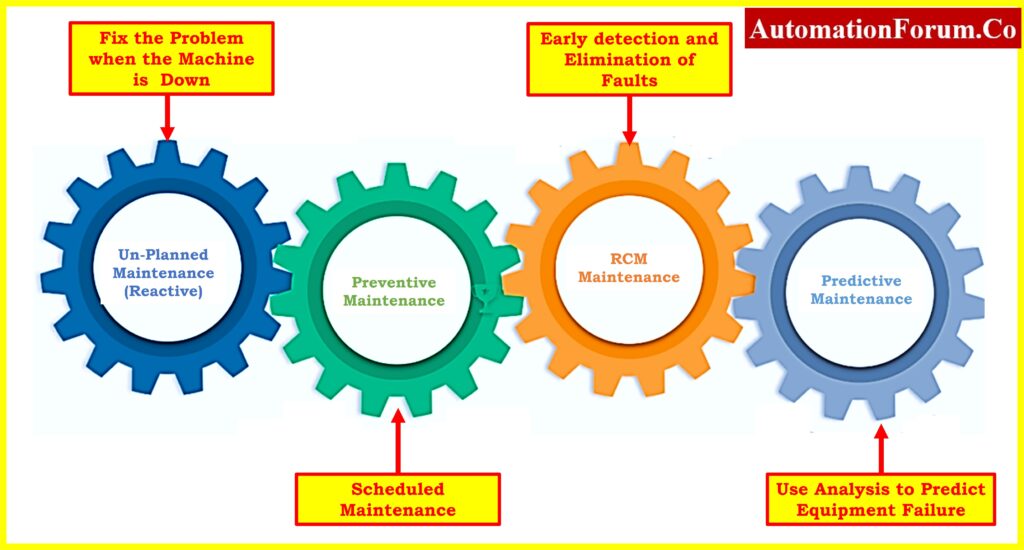
Types Of Maintenance Strategies
Maintenance strategies in manufacturing shape how you manage equipment reliability and production efficiency. Choosing the right approach can save costs and prevent unexpected downtime. Understanding the different types allows you to align your maintenance efforts with your operational goals.
Preventive Maintenance
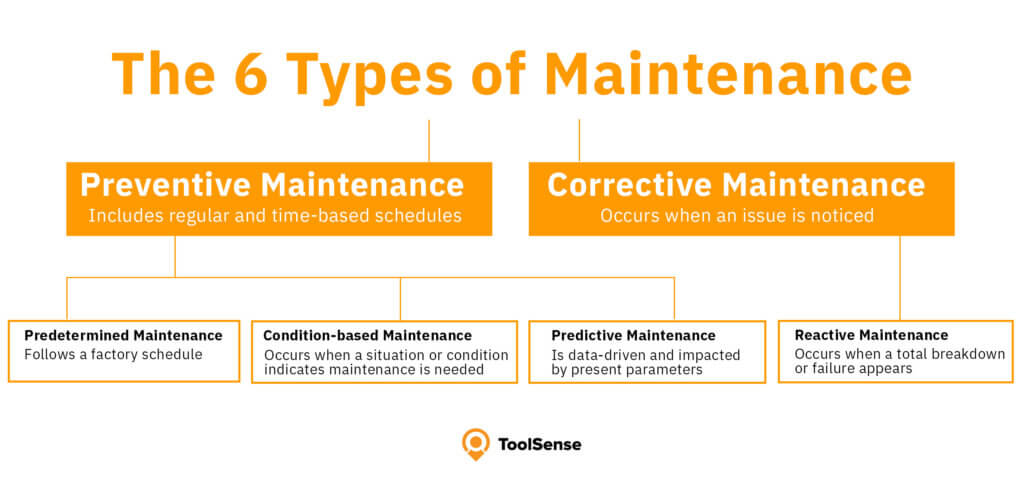
Preventive maintenance involves regularly scheduled tasks, like inspections and part replacements, to stop equipment from breaking down. You set a timetable based on time or usage, such as changing filters every six months. It’s a straightforward way to keep machines running smoothly before problems arise.
Imagine a factory where machines are serviced every 500 operating hours regardless of condition. This routine reduces surprises but can lead to unnecessary work if the equipment is still in good shape. Are you ready to balance effort and cost with timely care?
Predictive Maintenance
Predictive maintenance uses data and analytics to forecast when a machine needs service. Sensors monitor things like vibration, temperature, or noise to spot issues early. This strategy helps you fix problems just before failure, avoiding both downtime and excess maintenance.
Think about a conveyor belt with sensors that alert you to a bearing wearing out. You get to plan repairs without disrupting production. Could this data-driven approach give you more control over your maintenance schedule?
Corrective Maintenance
Corrective maintenance means fixing equipment only after it breaks down. It’s reactive and often leads to unexpected stoppages and higher repair costs. While simple, relying solely on corrective actions can hurt your production flow and reliability.
Have you ever faced a costly shutdown because a critical machine failed without warning? While some minor repairs might fit here, depending on this strategy for key assets can risk your entire operation. How do you weigh immediate savings against potential losses?
Condition-based Maintenance
Condition-based maintenance checks the actual state of equipment to decide when to perform maintenance. Unlike fixed schedules, you act based on real-time condition indicators. This approach can extend the life of parts and reduce unnecessary work.
For example, measuring oil quality in a hydraulic system tells you exactly when to change it. This prevents both early replacements and catastrophic failures. Are you monitoring the right parameters to make your maintenance smarter?
Key Components Of Maintenance Systems
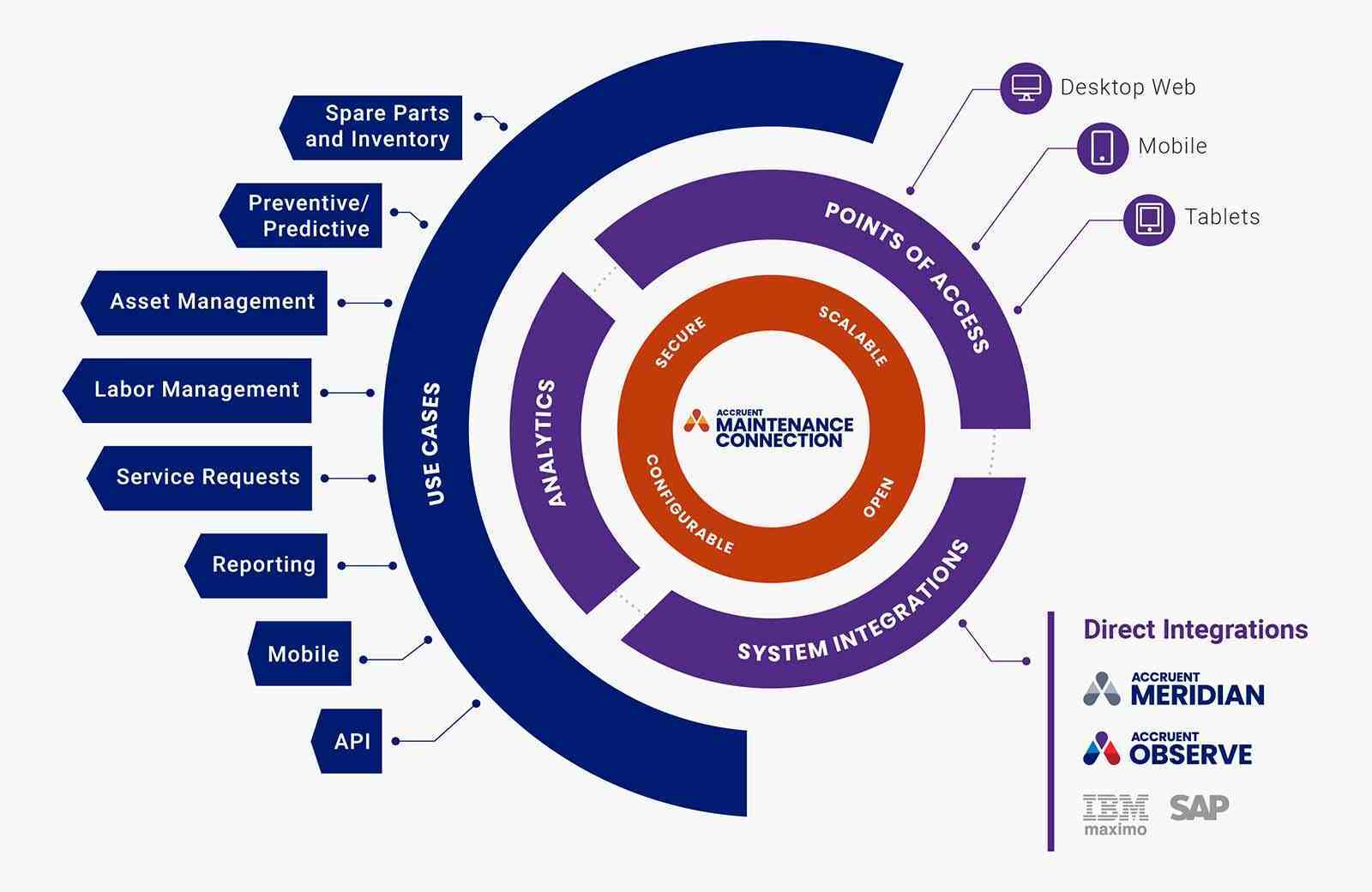
Understanding the key components of maintenance systems is essential for anyone involved in manufacturing. These components work together to keep equipment running smoothly and prevent unexpected breakdowns. Knowing how each part functions helps you optimize your maintenance efforts and improve overall productivity.
Maintenance Planning
Maintenance planning is about deciding what tasks need to be done and when. It involves preparing detailed instructions for repairs, inspections, and routine upkeep. Without a solid plan, you risk overlooking critical maintenance, which can lead to costly downtime.
Think about a time when you faced a sudden machine failure. If there was no plan in place, the repair probably took longer and cost more. Planning ensures you have everything ready before starting work, saving you time and frustration.
Scheduling And Execution
Scheduling sets the exact time for maintenance tasks to happen. It balances the need for repairs with production demands, minimizing disruptions. Execution is the actual carrying out of these tasks by technicians or operators.
Have you noticed how well-timed maintenance can keep production flowing smoothly? When schedules are clear and followed, machines stay in good shape and unexpected stops become rare. Poor execution, however, can undo even the best plans.
Resource Allocation
Resource allocation means assigning the right people, tools, and materials for each maintenance job. This ensures that technicians have what they need to work efficiently. Lack of resources often delays repairs and increases stress on your team.
Imagine trying to fix a machine without the correct spare parts or tools. You would waste time searching or waiting, causing unnecessary delays. Proper resource allocation keeps your maintenance process moving fast and effectively.
Performance Monitoring
Performance monitoring tracks how well your maintenance system is working. It uses data like downtime, repair times, and machine performance to spot issues. Monitoring helps you identify trends and areas that need improvement.
Have you ever wondered if your current maintenance approach is truly effective? Monitoring provides clear answers and guides you to make better decisions. Without it, you’re just guessing what works and what doesn’t.
Credit: www.accruent.com
Benefits Of Effective Maintenance Systems
Effective maintenance systems offer many benefits to manufacturing operations. They keep machines running smoothly and prevent unexpected breakdowns. This leads to better productivity and less stress for workers. Good maintenance also supports a safer workplace and helps control costs.
Increased Equipment Lifespan
Regular maintenance helps machines last longer. It stops small problems from becoming big ones. Parts wear out slower when cared for properly. This reduces the need to replace equipment often. Longer lifespan means better return on investment for manufacturers.
Reduced Downtime
Maintenance systems catch issues early. Repairs happen before machines fail completely. This lowers the time machines stay idle. Less downtime means production lines keep moving. Manufacturing schedules stay on track without delays.
Cost Efficiency
Fixing machines before they break costs less. Emergency repairs and replacements are expensive. Planned maintenance avoids high repair bills. It also reduces energy use and waste. Overall, it saves money and resources.
Improved Safety Standards
Well-maintained equipment is safer to use. It lowers risks of accidents and injuries. Workers feel more secure in a safe environment. Safety rules are easier to follow with good upkeep. This protects both staff and company reputation.
Challenges In Implementing Maintenance Systems
Implementing a maintenance system in manufacturing is no small task. While these systems promise improved efficiency and reduced downtime, the path to successful adoption is often filled with obstacles. Understanding these challenges upfront can save you time, money, and frustration.
Initial Setup Costs
One of the biggest hurdles you’ll face is the upfront investment. Maintenance systems require hardware, software, and sometimes new equipment, all of which can add up quickly.
Beyond the obvious price tags, consider hidden expenses like installation fees and potential downtime during the setup phase. You might ask yourself: is the cost justified by the long-term benefits?
Training Requirements
Even the best system is useless if your team doesn’t know how to use it properly. Training your staff on new tools and processes demands both time and resources.
Think about the learning curve. Will your team embrace the change, or resist it? You can reduce resistance by involving employees early and providing clear, hands-on training sessions.
Integration With Existing Processes
Another challenge is making the new system work smoothly alongside your current workflows. Compatibility issues can cause disruptions and reduce productivity.
Ask yourself how the maintenance system will communicate with your existing software and machinery. Sometimes, you may need to adjust or redesign processes to fit the new system, which can be a tough pill to swallow.
Technological Advancements In Maintenance
Technological advancements have dramatically reshaped maintenance systems in manufacturing. These innovations help you predict issues before they cause downtime and optimize repairs to save time and money. Understanding these technologies can give you a real edge in keeping your operations smooth and efficient.
Iot And Smart Sensors
IoT devices and smart sensors collect real-time data from machines, allowing you to monitor equipment health constantly. You can track temperature, vibration, and pressure to spot problems early. This ongoing stream of information lets you fix issues before they turn into costly breakdowns.
Imagine a factory where machines alert you automatically when a part starts wearing out. This reduces unexpected failures and helps you plan maintenance when it’s actually needed, not just on a fixed schedule.
Ai And Machine Learning Applications
AI and machine learning analyze the data collected by sensors to predict future failures. These tools learn from past maintenance records and operational patterns to suggest the best actions. You can use AI to prioritize repairs, reducing unnecessary maintenance and focusing on critical tasks.
Think about how your team could use AI insights to avoid over-maintaining some machines while neglecting others. This targeted approach saves resources and extends the life of your equipment.
Data Analytics In Maintenance
Data analytics turns raw data into clear, actionable insights. By examining trends and patterns, you can identify weak points in your system and improve your maintenance strategy. This helps you allocate your budget smarter and improve overall equipment effectiveness.
Have you ever wondered which machines really cost you the most downtime? Analytics can answer that question and guide you to make smarter investments in parts and training.
Future Trends In Maintenance Systems
The future of maintenance systems in manufacturing is evolving rapidly. New technologies and ideas shape how factories keep machines running smoothly. These changes make maintenance more efficient and cost-effective. They also help factories reduce waste and improve safety. Exploring key future trends reveals where maintenance is heading.
Sustainability Considerations
Factories focus more on reducing environmental impact. Maintenance systems now aim to lower energy use and waste. Sustainable practices extend equipment life and reduce material consumption. Using eco-friendly materials for repairs becomes common. Proper maintenance also prevents leaks and emissions that harm the environment.
Automation In Maintenance
Machines perform more maintenance tasks automatically. Robots and automated tools handle inspections and repairs. This reduces human error and speeds up work. Automation helps detect problems early through sensors and AI. Predictive maintenance schedules prevent breakdowns before they happen.
Remote Monitoring And Management
Maintenance teams monitor equipment from anywhere using smart devices. Sensors send real-time data to cloud systems. Managers can check machine health without visiting the factory. Remote management allows quicker responses to issues. It lowers downtime and keeps production steady.
Credit: toolsense.io
Frequently Asked Questions
What Is A Maintenance System In Manufacturing?
A maintenance system in manufacturing is a structured approach to keep machines and equipment operational. It ensures consistent production by reducing downtime and preventing failures. This system involves planned inspections, repairs, and routine upkeep to optimize manufacturing efficiency and safety.
Why Is Maintenance System Important In Manufacturing?
Maintenance systems prevent unexpected breakdowns, enhancing equipment reliability. They help reduce repair costs and increase production uptime. Implementing a maintenance system improves product quality and worker safety, ensuring smooth manufacturing operations and long-term asset performance.
What Are Common Types Of Maintenance Systems?
Common types include preventive, predictive, corrective, and condition-based maintenance. Preventive maintenance schedules regular checks, while predictive uses data to foresee failures. Corrective maintenance fixes issues after they occur. Condition-based relies on equipment condition to decide actions, optimizing resource use and reducing downtime.
How Does Maintenance System Improve Manufacturing Efficiency?
A maintenance system minimizes unplanned downtime and extends equipment lifespan. It ensures machines run smoothly, reducing delays and defects. Efficient maintenance boosts productivity by keeping production lines operational and lowering repair costs, contributing to overall manufacturing success.
Conclusion
A maintenance system keeps machines working well every day. It helps avoid sudden breakdowns and saves money. Regular checks and repairs make production smooth and safe. Workers can trust machines to run without problems. Good maintenance means less downtime and better product quality.
Every factory benefits from a clear maintenance plan. Simple steps lead to big improvements in manufacturing. Understanding this system helps businesses stay strong and steady.
Leave a Reply