Are you curious about how the Army keeps its equipment ready and reliable? Understanding the two levels of the Army Maintenance System is key to knowing how your gear stays in top shape.
Whether you’re in the military, a defense enthusiast, or just someone interested in maintenance processes, this breakdown will give you clear insights. By the end of this article, you’ll see exactly how these two levels work together to ensure everything runs smoothly when it matters most.
Let’s dive in and uncover what makes the Army Maintenance System so effective for you.
Overview Of Army Maintenance System
The Army Maintenance System is designed to keep military equipment reliable and ready for action. It involves multiple layers of support that work together to fix and maintain vehicles, weapons, and other gear. Understanding these levels helps you see how the Army ensures everything runs smoothly, even under tough conditions.
What The Army Maintenance System Covers
The system covers everything from routine checks to complex repairs. It includes preventive maintenance tasks like oil changes and inspections, as well as fixing broken parts or upgrading equipment. This wide scope means every soldier depends on a strong maintenance network to do their job effectively.
Why Two Levels Of Maintenance?
The Army splits maintenance into two main levels to handle different types of work efficiently. One level focuses on quick fixes and minor repairs done close to the front lines. The other level deals with more detailed and time-consuming tasks, often requiring specialized tools and skills.
How These Levels Work Together
Think of the system as a relay race—each level passes the equipment along after doing its part. Quick repairs keep gear moving and prevent downtime. When bigger problems arise, the second level steps in to thoroughly restore the equipment before it returns to action.
What This Means For You
If you’re involved in Army operations or support, knowing these two levels helps you understand where your role fits in. It also highlights the importance of teamwork and communication across different maintenance teams. Can you imagine how much smoother missions run when every piece of equipment is well cared for?

Credit: www.army.mil
Field Level Maintenance
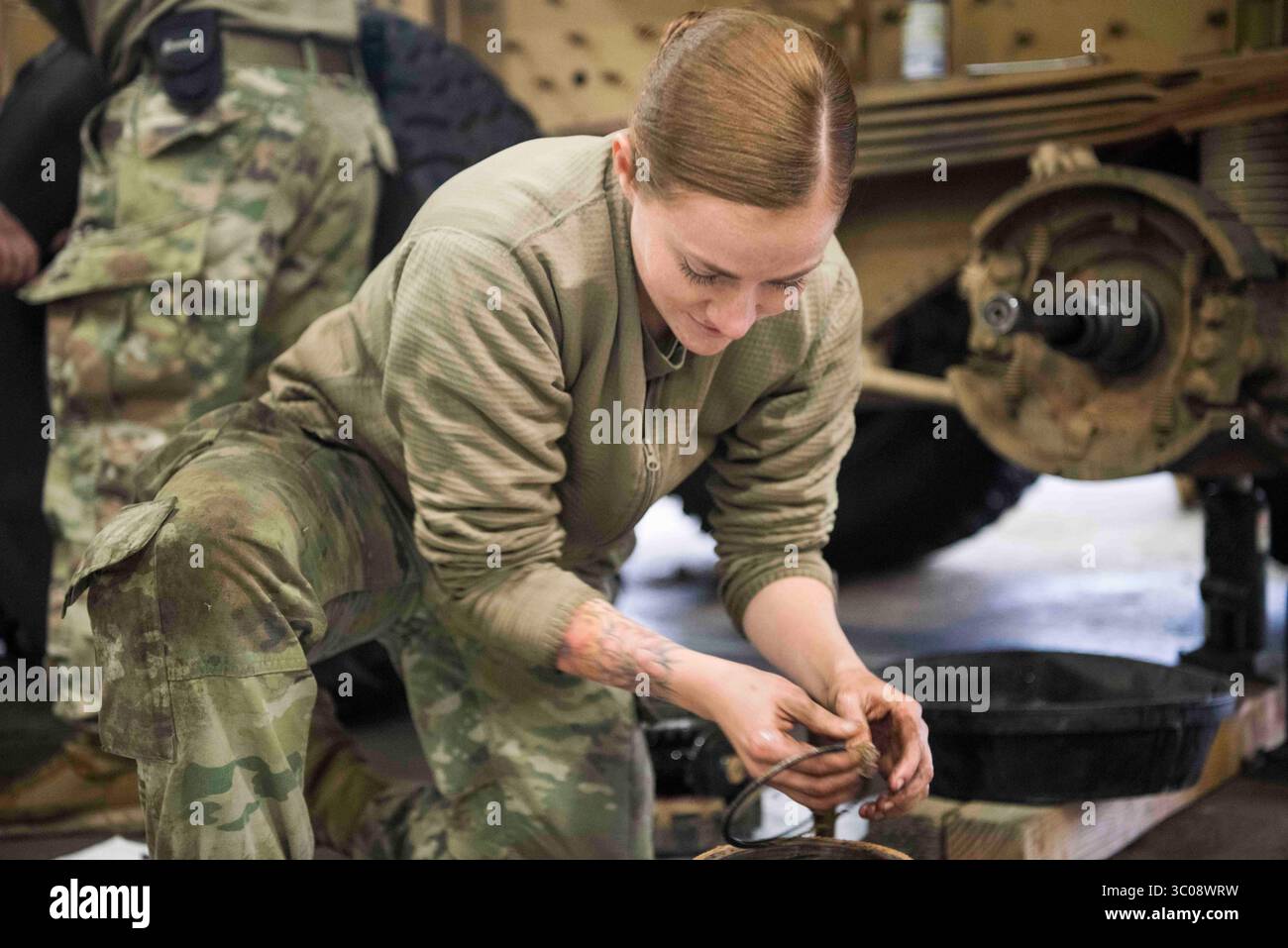
Field level maintenance is the first line of defense in the Army Maintenance System. It focuses on keeping equipment ready and safe for use directly on the battlefield or in training areas. This level handles quick fixes and routine checks that soldiers can perform without sending gear back to a depot.
It plays a vital role in ensuring that vehicles, weapons, and other gear work properly. Timely repairs at this level prevent bigger problems later. The goal is to minimize downtime and maintain operational readiness.
Basic Concepts
Field level maintenance involves routine inspections and minor repairs. It is performed by soldiers or technicians near the equipment’s location. The work includes servicing, adjusting, and replacing small parts.
This level does not cover major repairs or overhauls. Instead, it focuses on fast, simple tasks to keep equipment running. Field maintenance supports the higher levels by reducing the need for complex repairs.
Key Responsibilities
- Conduct regular inspections to identify issues early
- Perform preventive maintenance to avoid breakdowns
- Replace worn or damaged parts quickly
- Keep equipment clean and lubricated
- Report serious problems to higher maintenance levels
- Ensure safety standards are met during repairs
Common Tasks And Activities
- Checking fluid levels like oil and coolant
- Changing filters and spark plugs
- Tightening bolts and fasteners
- Repairing minor electrical faults
- Testing battery and charging systems
- Cleaning weapons and small equipment
Sustainment Level Maintenance
Sustainment Level Maintenance is a critical part of the Army Maintenance System designed to keep equipment operational and extend its service life. This level focuses on repairing and servicing equipment beyond what users can handle, ensuring readiness and reliability over time. Understanding how sustainment maintenance works can give you a clearer picture of how military equipment stays mission-ready.
Fundamental Principles
Sustainment maintenance revolves around several key principles that ensure equipment remains functional. First, it emphasizes preventive care to stop problems before they happen. Second, it relies on scheduled inspections and repairs to catch issues early.
Another important principle is efficiency. Sustainment maintenance aims to fix equipment quickly and correctly the first time to reduce downtime. You might wonder how this level balances thoroughness with speed—it’s all about skilled technicians and well-organized processes.
Core Functions
The core functions of sustainment maintenance include detailed diagnostics, component replacement, and complex repairs. This level handles tasks that require specialized tools and expertise beyond what front-line users can provide.
- Conducting in-depth inspections to identify hidden faults
- Replacing worn or damaged parts with precision
- Performing upgrades and modifications to improve performance
These functions support the overall mission by ensuring that equipment is safe and ready when you need it most. Have you ever experienced a delay due to equipment failure? Sustainment maintenance works to prevent that from happening.
Advanced Maintenance Operations
At this level, you’ll find the most complex repair activities, including overhauls and rebuilding major components. These operations often require specialized facilities and highly trained personnel.
Examples include engine overhauls, electronic system troubleshooting, and structural repairs. These tasks demand precision and patience, as mistakes can compromise safety and effectiveness.
By mastering these advanced operations, maintenance teams can return heavily damaged equipment to like-new condition. This capability can save significant time and resources, keeping your unit equipped for any challenge.

Credit: www.forbes.com
Comparing Field And Sustainment Maintenance
Understanding the two levels of the Army Maintenance System means looking closely at how Field and Sustainment Maintenance operate side by side. These two levels support each other but have distinct functions that keep Army equipment reliable and ready. Let’s break down what sets them apart and what they share, so you can see how they fit into the bigger picture of Army operations.
Differences And Similarities
Field Maintenance happens right where the equipment is used. It focuses on quick repairs to get vehicles and gear back in action fast. Tasks include fixing minor faults, replacing parts, and performing routine checks.
Sustainment Maintenance, on the other hand, occurs at specialized workshops or depots. It handles more complex repairs and overhauls that Field Maintenance can’t manage. This level ensures deeper maintenance and upgrades to extend the life of the equipment.
Both levels share the goal of keeping equipment operational. They rely on skilled technicians and follow strict standards to maintain safety and performance. Communication between Field and Sustainment teams is key to passing on detailed information about equipment condition.
Role In Overall Army Operations
Field Maintenance plays a critical role during missions. Its ability to fix problems quickly means your unit can keep moving without long delays. Think of it as frontline support that minimizes downtime.
Sustainment Maintenance supports the long-term readiness of the Army’s assets. Without it, equipment would deteriorate rapidly, causing bigger failures in the field. It’s like the backbone that sustains your gear beyond immediate fixes.
How often do you think about the balance between quick fixes and deep repairs in maintaining complex equipment? Recognizing this balance helps you appreciate the layered approach the Army takes to stay mission-ready at all times.
Challenges In Army Maintenance
Army maintenance is a complex operation that must keep equipment reliable and ready under tough conditions. Challenges arise that test both the system and the people behind it. Understanding these challenges helps you appreciate the effort needed to maintain peak military readiness.
Resource Limitations
One major challenge in army maintenance is managing limited resources. Parts and tools aren’t always available when you need them, especially in remote or hostile environments. This scarcity can delay repairs and reduce equipment readiness.
Imagine being in the field with a crucial vehicle broken down and no replacement parts nearby. You must find creative solutions or make do with what’s on hand. This situation forces maintenance teams to prioritize repairs and sometimes postpone less critical tasks.
- Supply chain delays can impact the flow of spare parts.
- Budget constraints limit the amount of equipment and tools available.
- Storage and transport of resources in combat zones add complexity.
Training And Expertise
Having skilled personnel is just as important as having the right tools. Maintenance requires specialized knowledge that takes time and experience to develop. Without proper training, mistakes can happen, leading to equipment failures or safety risks.
In my experience working alongside maintenance crews, I noticed how continuous training directly improved their efficiency and confidence. When you’re trained well, you can diagnose problems faster and avoid unnecessary repairs.
But keeping skills sharp is a constant challenge. The army faces turnover, changing technology, and the need to train new recruits quickly. Are you prepared to invest in ongoing education to keep your team ready for every maintenance challenge?
Future Of Army Maintenance
The future of Army maintenance is evolving rapidly. New technologies and strategies promise to improve efficiency and reliability. These changes aim to reduce downtime and enhance mission readiness. The two levels of Army maintenance will adapt to meet future demands. Understanding these advancements helps prepare for the coming changes in military support.
Technological Advancements
Technology drives the future of Army maintenance. Automated diagnostics will identify problems faster. Drones and robots may assist with inspections and repairs. Advanced sensors will monitor equipment health in real-time. Data analytics will predict failures before they occur. Virtual reality could provide training for maintenance personnel. These tools will make maintenance safer and more efficient.
Potential Improvements
- Faster repair times through better tools and methods
- Improved parts tracking and inventory management
- Enhanced communication between maintenance teams and command
- Remote support to guide repairs in the field
- Reduced costs by optimizing maintenance schedules
- More focus on preventive maintenance to avoid breakdowns
These improvements will help keep Army equipment ready and reliable. Maintenance will become more proactive than reactive. The Army will maintain a stronger, more capable force for future missions.
Credit: www.alamy.com
Frequently Asked Questions
What Are The Two Levels Of Army Maintenance?
The two levels are Unit Level Maintenance (ULM) and Direct Support Maintenance (DSM). ULM handles routine repairs, while DSM manages complex repairs and component replacements.
How Does Unit Level Maintenance Function In The Army?
Unit Level Maintenance focuses on daily upkeep and minor repairs. It ensures equipment readiness by fixing small issues quickly at the unit level.
What Tasks Are Included In Direct Support Maintenance?
Direct Support Maintenance involves detailed repairs, overhauls, and part replacements. It supports units by handling more technical and extensive maintenance needs.
Why Is The Two-level Maintenance System Important For The Army?
This system optimizes equipment readiness and efficiency. It reduces downtime by separating simple repairs from complex tasks, ensuring faster service.
Conclusion
The two levels of the Army Maintenance System keep equipment ready and safe. Unit-level maintenance fixes small problems quickly on the spot. Depot-level maintenance handles big repairs and overhauls at special facilities. Both levels work together to support mission success.
Understanding these helps soldiers and leaders manage gear better. It ensures machines run smoothly and last longer. This system plays a key role in army readiness every day.
Leave a Reply