Have you ever wondered how electricity can move both ways in a circuit? Understanding which electronic components allow current to flow in two directions can unlock new possibilities for your projects.
Whether you’re fixing a device or building something from scratch, knowing these parts gives you greater control and creativity. You’ll discover the key components that make two-way current flow possible—and how they work. Keep reading, and you’ll gain insights that could change the way you approach electronics forever.

Credit: www.electronicsandyou.com
Diodes
Diodes are essential electronic components that control the direction of electrical current. They mainly allow current to flow in one direction while blocking it in the opposite direction. This unique property makes diodes useful in many circuits, especially for converting alternating current (AC) to direct current (DC). Some special types of diodes can also allow current flow in both directions under certain conditions.
Zener Diodes
Zener diodes are designed to allow current to flow backward when voltage exceeds a certain value. This voltage is called the breakdown voltage or Zener voltage. They protect circuits by controlling voltage levels and preventing damage from high voltage spikes. Zener diodes are commonly used in voltage regulation and reference circuits. They maintain a steady voltage even if the input voltage changes.
Schottky Diodes
Schottky diodes have a low forward voltage drop and fast switching speed. They allow current flow in the forward direction with less energy loss. These diodes can also handle current flow in the reverse direction under specific conditions, making them ideal for high-frequency circuits. Schottky diodes are popular in power rectification and radio frequency applications. Their efficiency helps reduce heat and improve performance in electronic devices.
Transistors
Transistors play a crucial role in controlling electrical current flow. Unlike diodes that allow current in only one direction, transistors can enable current to flow in two directions. They act as switches or amplifiers in electronic circuits. Understanding different types of transistors helps in grasping how they manage current flow effectively.
Bipolar Junction Transistors
Bipolar Junction Transistors (BJTs) consist of three layers of semiconductor material. These layers form two junctions: emitter-base and base-collector. BJTs control current flow between the collector and emitter by varying current at the base.
Current can flow in two directions depending on the transistor type:
- NPN transistors allow current from collector to emitter.
- PNP transistors allow current from emitter to collector.
BJTs amplify signals by controlling a large current with a small current. They are common in switching and amplification tasks.
Field Effect Transistors
Field Effect Transistors (FETs) use voltage to control current flow. They have three terminals: source, gate, and drain. The gate voltage regulates the current between source and drain.
FETs allow current to flow in two directions between source and drain. The device’s channel conductivity changes based on the gate voltage.
- MOSFETs are the most common type of FETs.
- JFETs are another variety with a different control method.
FETs consume less power and have high input impedance. They are widely used in digital and analog circuits.
Thyristors
Thyristors are a special type of electronic component that control current flow in circuits. They act like switches that turn on and off based on signals. Unlike simple diodes, thyristors can handle high voltages and currents. They are essential in power control systems and can allow current flow in two directions depending on their design.
Silicon Controlled Rectifiers
Silicon Controlled Rectifiers (SCRs) are the most common type of thyristors. They allow current to flow only after receiving a control signal on their gate terminal. Once on, SCRs continue conducting until the current drops to zero. They mainly control current in one direction but are widely used in circuits requiring controlled rectification.
Triacs
Triacs are thyristors designed to conduct current in both directions. They have three terminals and can switch AC signals on and off. Triacs are ideal for controlling power in AC devices like lights and motors. Their bidirectional flow makes them versatile for many electronic applications.
Integrated Circuits
Integrated circuits play a key role in controlling electrical signals. They contain many tiny components packed into a small chip. These chips can manage the flow of current in one or both directions. This ability is vital for various electronic devices. Some integrated circuits allow current to flow in two directions, enabling more complex operations and better control.
Operational Amplifiers
Operational amplifiers, or op-amps, are common integrated circuits. They can amplify voltage signals and control current flow. Op-amps can work with input signals from both directions. This means they handle alternating current or signals that change polarity. Their design allows current to pass in either direction inside the circuit. This feature helps in creating filters, amplifiers, and oscillators.
Analog Switches
Analog switches are another type of integrated circuit that controls current flow. They act like electronic gates that open or close the path for current. Unlike diodes, analog switches allow current to flow in both directions when turned on. This two-way flow makes them useful for signal routing and switching tasks. They help connect or disconnect parts of a circuit without blocking current in either direction.
Relays
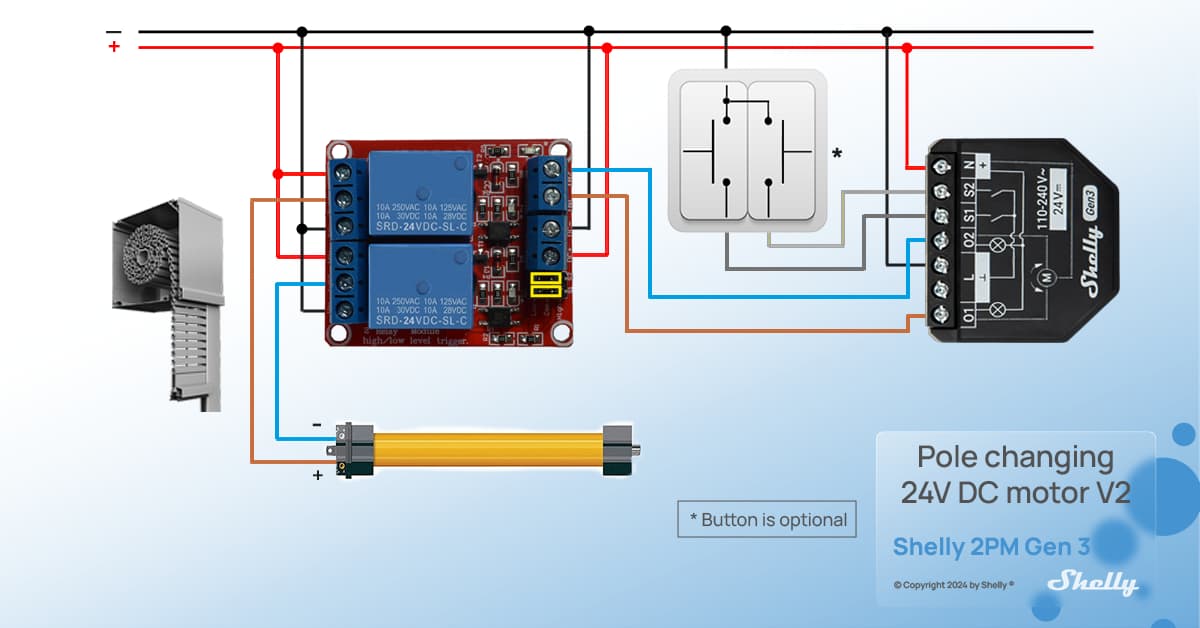
Relays are key electronic components that control electrical circuits. They allow current to flow in two directions under specific conditions. These devices act as switches operated by an electric signal. They provide isolation between the control circuit and the circuit being switched.
Relays use an electromagnet to open or close contacts. When energized, the relay changes the position of its contacts. This change allows current to flow or stops it. The design of relays often supports bidirectional current flow, depending on the contact arrangement.
How Relays Work
Inside a relay, a coil generates a magnetic field when powered. This magnetic field moves an armature. The armature then opens or closes contact points. The contacts can connect or disconnect circuits. This action lets relays control devices remotely.
Types Of Relays That Allow Two-way Flow
- Double Pole Double Throw (DPDT):Allows current to flow in both directions by switching between two circuits.
- Single Pole Double Throw (SPDT):Can route current to one of two paths, supporting bidirectional control.
- Reed Relays:Small relays with contacts sealed in glass, capable of bidirectional flow.
Applications Of Relays In Two-way Flow
- Reversing motor directions by switching power polarity.
- Switching audio signals in both directions.
- Protecting circuits by controlling current paths.

Credit: www.ic-components.com
Optoisolators
Optoisolators are special electronic components that allow signals to pass in two directions. They use light to transfer electrical signals without a direct connection. This helps protect circuits from high voltages and noise. Optoisolators are common in many electronic devices and systems.
The main parts of an optoisolator are an LED and a photodetector inside a single package. The LED converts an electrical signal into light. The photodetector receives the light and changes it back to an electrical signal. This process allows the flow of signals while keeping circuits electrically separate.
How Optoisolators Work
An electrical signal powers the LED inside the optoisolator. The LED emits light proportional to the input signal. The photodetector senses this light and generates a corresponding electrical output. This isolates the input and output electrically but links them optically.
Advantages Of Using Optoisolators
- Protects sensitive parts from high voltage
- Reduces electrical noise in signals
- Allows safe communication between different circuit parts
- Supports signal flow in both directions
Common Applications Of Optoisolators
- Microcontroller communication
- Switching power supplies
- Signal isolation in industrial equipment
- Data transmission in noisy environments
Applications In Circuits
Electronic components that allow current to flow in two directions play vital roles in many circuits. They help control electrical signals and power efficiently. Their unique ability to manage bidirectional flow makes them important in various applications. These components often appear in power systems and signal processing setups.
Power Supply Systems
In power supply systems, components that allow flow in two directions help manage energy transfer safely. They enable smooth switching between charging and discharging modes in batteries. These components also protect circuits from damage due to reverse currents. This ensures stable and reliable power delivery.
For example, bidirectional switches control current flow during energy storage in renewable power systems. They help maintain balance between sources and loads. This keeps devices running without interruption.
Signal Processing
Signal processing circuits use bidirectional components to handle data signals effectively. They allow signals to pass both ways while maintaining integrity. This is crucial in communication devices and sensors.
These components help in filtering, switching, and modulating signals. They improve signal clarity and reduce noise. Circuit designers rely on them to create flexible and responsive systems.
Challenges And Considerations
Electronic components that allow flow in two directions present unique challenges. Understanding these challenges helps in choosing the right parts for your circuit. Careful consideration avoids damage and ensures proper function.
Heat Management
Components that handle current in both directions often generate heat. Excess heat can reduce their lifespan and performance. Proper heat sinks or cooling solutions are essential. Ignoring heat management risks component failure. Always check the component’s thermal limits in its datasheet.
Voltage Ratings
Voltage rating is crucial for bidirectional components. Components must withstand voltage from either direction without damage. Exceeding voltage limits leads to breakdown or short circuits. Choose parts with voltage ratings higher than your circuit’s maximum voltage. This ensures safety and reliability in operation.
Credit: www.blackstone-ney.com
Frequently Asked Questions
What Components Allow Current To Flow Both Ways?
Resistors and capacitors allow current flow in both directions. Unlike diodes, they don’t restrict current direction, enabling bidirectional flow.
Can A Transistor Conduct Current In Two Directions?
Yes, bipolar junction transistors (BJTs) can conduct current in both directions under specific conditions, but usually operate directionally for switching.
Do Capacitors Permit Current Flow In Two Directions?
Capacitors allow AC current to flow both ways by charging and discharging, making them inherently bidirectional components.
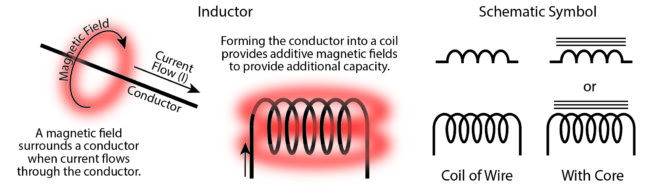
Are Inductors Bidirectional Electronic Components?
Inductors allow current flow in both directions by storing energy in a magnetic field and releasing it as current reverses.
Conclusion
Electronic components that allow current in two directions play key roles in circuits. Devices like bipolar junction transistors and certain types of diodes enable this flow. Understanding these parts helps in designing and fixing electronics. They make devices more flexible and useful.
Knowing how they work gives a clearer picture of electronics basics. Keep exploring these components to improve your knowledge and skills. Simple parts, big impact.
Leave a Reply