Have you ever wondered why some electronic parts don’t have a plus or minus side? Understanding what a non-polarised electronic component is can make your projects much easier and safer.
Whether you’re fixing a gadget or building something new, knowing how these components work will boost your confidence and skills. Keep reading, and you’ll discover simple explanations and tips that can change the way you handle electronics forever.
Non Polarised Components Defined
Understanding what a non-polarised electronic component is can simplify your approach to circuit design and repair. These components do not have a specific direction for current flow, which means you can connect them either way without worrying about damaging the part or affecting the circuit’s function.
Non-polarised components contrast with polarised ones, which require correct orientation to work properly. Knowing the difference can save you time and prevent mistakes, especially when troubleshooting.
What Makes A Component Non-polarised?
Non-polarised components lack positive or negative terminals. This means the electric current can pass through in any direction.
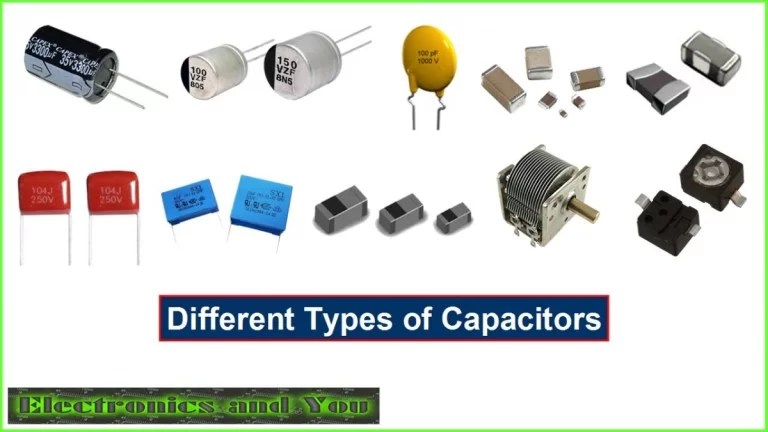
Capacitors like ceramic or film types, resistors, and inductors are common examples. They don’t have a marked polarity, so installation is straightforward.
Common Types Of Non-polarised Components
- Resistors:Control current flow and are always non-polarised.
- Inductors:Store energy in a magnetic field without polarity concerns.
- Non-polarised capacitors:Such as ceramic and film capacitors used in filtering and timing circuits.
Why Does Polarity Matter?
Connecting a polarised component incorrectly can cause circuit failure or damage. Non-polarised components remove this risk, making them easier to handle.
Have you ever swapped a capacitor the wrong way and wondered why the circuit didn’t work? Non-polarised components help you avoid that frustration.

Credit: www.reddit.com
Types Of Non Polarised Components
Non polarised electronic components are essential because they function correctly regardless of the direction of current flow. Understanding the different types helps you select the right part for your circuit without worrying about orientation. Let’s look at some common non polarised components and what makes each unique.
Resistors
Resistors limit the flow of electric current in a circuit. They are simple, reliable, and work the same no matter how you place them. You might have noticed color bands on resistors; these indicate their resistance value and tolerance.
Resistors come in various forms, like fixed, variable, and thermistors. Each serves a specific purpose, but none require polarity consideration. Have you ever swapped a resistor incorrectly and found your circuit still works? That’s because resistors are non polarised by design.
Capacitors
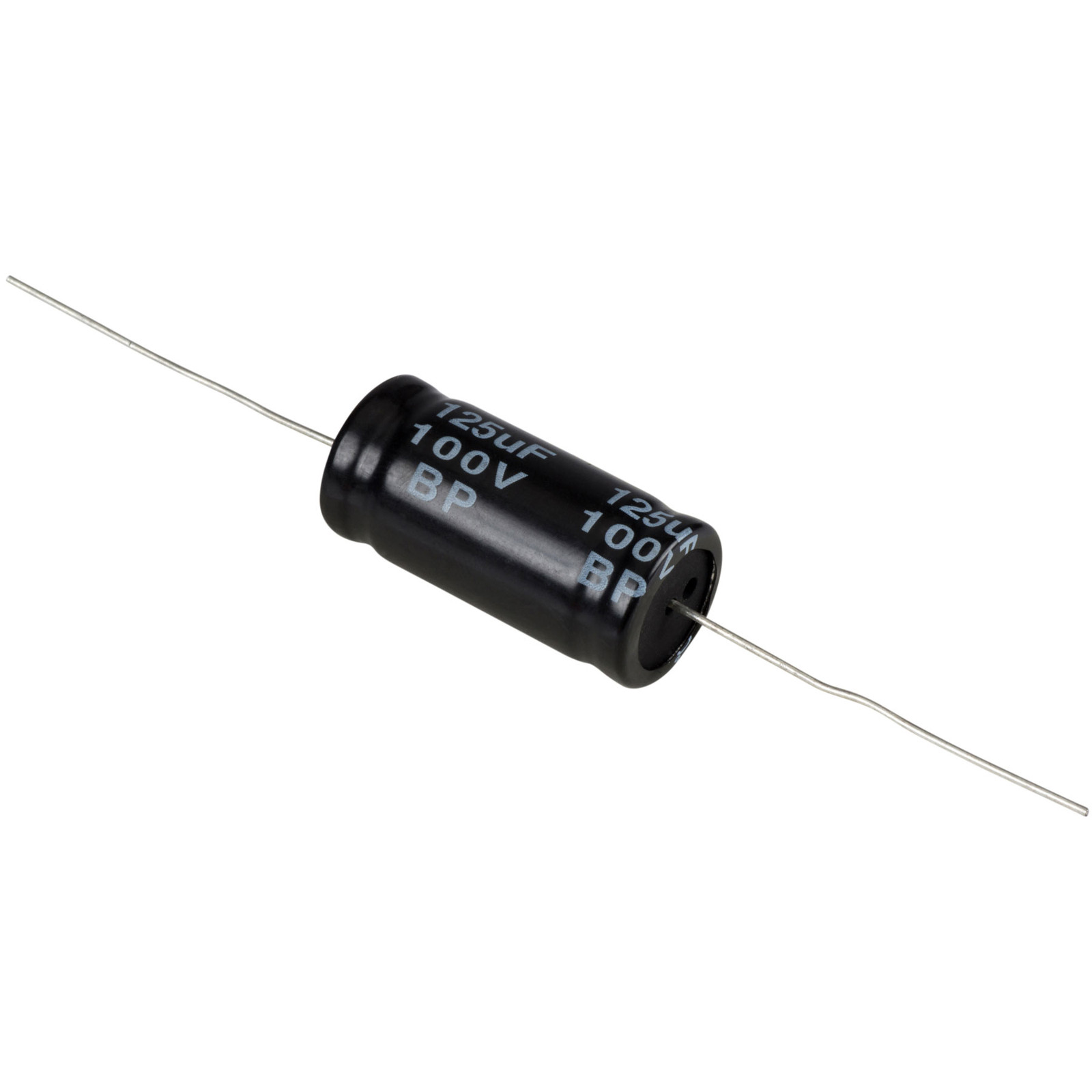
Capacitors store and release electrical energy in a circuit. Not all capacitors are non polarised, but some types like ceramic and film capacitors are. These capacitors can be placed in either direction without affecting performance.
Using non polarised capacitors simplifies circuit assembly, especially in AC applications. If you’ve ever mixed up electrolytic capacitors (which are polarised) with ceramic ones, you know how important this distinction is. Non polarised capacitors give you flexibility and reduce the risk of damage.
Inductors
Inductors store energy in a magnetic field when current passes through them. Most inductors are non polarised, meaning you can install them either way in your circuit. This makes design and repairs more straightforward.
Inductors vary by core material and size, affecting their inductance and current rating. Have you experimented with inductors in filters or oscillators? Their non polarised nature lets you focus more on function than orientation.
Characteristics Of Non Polarised Components
Non polarised electronic components stand out because they do not have a specific orientation in a circuit. This characteristic makes them easy to use and versatile in various applications. Understanding their traits can help you select the right parts without worrying about direction or placement errors.
Direction Independence
One key characteristic of non polarised components is their direction independence. You can install them in a circuit either way without affecting performance. This eliminates the need for careful alignment, saving you time during assembly and reducing the chance of mistakes.
Think about working on a project under tight deadlines. Not having to double-check the orientation of every component makes your work smoother and faster.
Symmetrical Design
Non polarised components usually have a symmetrical design, meaning their physical structure looks the same from both ends. This design supports their direction independence and ensures consistent electrical behavior regardless of how they are connected.
Capacitors like ceramic capacitors and resistors are common examples. Their symmetrical shape helps you avoid confusion during installation and makes troubleshooting easier when checking your circuit.
Applications In Electronics
Non polarised electronic components have wide use in many electronic devices. They do not require a specific direction for current flow. This makes them versatile and easy to install. These components serve important roles across different fields.
Applications in electronics include areas where reliability and simplicity are key. Their ability to function regardless of polarity helps in reducing errors during assembly. Below are some common applications in various sectors.
Consumer Electronics
Non polarised components are common in everyday gadgets. Devices like radios, televisions, and audio systems use them to filter signals and store energy. Their flexibility aids in compact device design. They improve device lifespan by handling current without damage from incorrect placement.
Industrial Machinery
In industrial equipment, these components help control power flow and signal processing. Machines often face harsh environments, so reliable parts are crucial. Non polarised components reduce maintenance needs. They assist in smoothing voltage and protecting circuits from damage.
Automotive Systems
Automobiles use non polarised components in lighting, sensors, and control units. Their ability to work in different orientations suits vehicle vibration and movement. They contribute to safer, more efficient vehicle electronics. Their robustness supports long-term vehicle operation.
Benefits Of Non Polarised Components
Non polarised electronic components offer distinct benefits that can make your projects smoother and more efficient. These components don’t have a specific orientation, which means you don’t have to worry about placing them in a certain direction. This flexibility can save you time and reduce errors, especially when you’re building or repairing circuits.
Simplified Circuit Design
Using non polarised components can simplify your circuit design process significantly. You don’t need to mark or check the polarity during assembly, which reduces the chances of mistakes that might cause malfunction or damage.
This simplicity also makes troubleshooting easier. When a component fails, you can replace it quickly without worrying about orientation, speeding up repairs and minimizing downtime.
Ease Of Use
Non polarised components are beginner-friendly and save you from the frustration of guessing the correct way to insert parts. This ease of use encourages experimentation and learning because you can focus more on the circuit’s function rather than the component’s direction.
Think about a time you struggled with polarized parts; non polarised components eliminate that problem. They make DIY projects and prototyping more accessible and less stressful, especially if you’re working under time constraints or in low-light conditions.
Credit: www.ebay.com
Challenges And Limitations
Non-polarised electronic components have useful traits but also face certain challenges. These limitations affect their performance and how they fit into circuits. Understanding these issues helps in choosing the right components for your projects.
Voltage Ratings
Non-polarised components often have lower voltage ratings than polarised ones. This limits their use in high voltage circuits. Exceeding voltage ratings can cause failure or damage. Designers must check voltage limits carefully before use.
Some non-polarised parts handle voltage only up to a certain level. Using them beyond this can lead to breakdown or short circuits. This makes them less suitable for power-intensive applications.
Size Constraints
Non-polarised components can be larger than polarised types. Their size may limit placement in compact devices. Smaller circuit boards need tiny components, which can be hard to achieve with non-polarised parts.
Manufacturers often trade off size for stability and reliability. This means a bigger footprint on the board. It can restrict design flexibility and increase the overall device size.
Future Trends In Non Polarised Components
The future of non polarised electronic components looks promising. Engineers and designers focus on improving these parts to meet new technology needs. Progress in size and materials will shape the next generation of devices. These trends aim to make circuits more efficient and reliable.
Miniaturization
Non polarised components are becoming smaller and lighter. Tiny parts fit better in compact electronic devices. Reduced size helps save space on circuit boards. It also lowers production costs and energy use. Miniaturization supports the growth of wearable tech and smart gadgets.
Advanced Materials
New materials improve the performance of non polarised components. These substances offer better heat resistance and durability. They also help components last longer under stress. Advanced materials enable higher frequency and power handling. This boosts the efficiency of modern electronic systems.

Credit: www.ebay.com
Frequently Asked Questions
What Is A Non-polarised Electronic Component?
A non-polarised electronic component can be connected in any direction. It does not have a positive or negative terminal. Examples include resistors, capacitors (non-polarised), and inductors. They simplify circuit design by avoiding orientation errors.
How Do Non-polarised Components Differ From Polarised Ones?
Non-polarised components have no polarity, so they work in any direction. Polarised components, like electrolytic capacitors, must be connected correctly to avoid damage. Non-polarised parts offer more flexibility in circuit assembly and repair.
Why Use Non-polarised Components In Circuits?
Non-polarised components reduce assembly errors and are easier to replace. They are versatile and compatible with AC and DC circuits. This makes them ideal for simple and robust electronic designs.
Can Non-polarised Components Handle Ac And Dc Signals?
Yes, non-polarised components work well with both AC and DC signals. Their lack of polarity allows them to function correctly regardless of current direction. This makes them suitable for various electronic applications.
Conclusion
Non-polarised electronic components work without direction rules. You can place them any way in a circuit. They make building and fixing devices easier. Many common parts like resistors and capacitors are non-polarised. Knowing about these parts helps you understand electronics better.
Simple parts, big role. Keep exploring to learn more about how circuits work.
Leave a Reply